Looking for a dinner thats fast, tasty, and packed with that unmistakable Korean kick? Youre in the right place. In just about 15 minutes you can whip up a gochujang rice noodles recipe that hits the sweetspicy sweet spot and leaves you feeling proud of a meal you made from scratch.
Below youll find everything you needwhy these noodles work so well, the exact ingredients, stepbystep instructions, handy tweaks, and even a quick nutrition snapshot. Think of this as a friendly kitchen chat, not a textbook.
Why Choose Gochujang?
What makes gochujang the star of Korean noodle dishes?
Gochujang is a fermented redpepper paste that brings together heat, umami, and a touch of sweetness. The fermentation process creates depth that simple chili powder cant match, and the sugar in the paste balances the spice so the sauce clings to the noodles without overwhelming your palate.
Health snapshot: benefits vs. cautions
On the plus side, gochujang offers probiotics from fermentation, capsaicin (the compound that gives peppers their heat) which can boost metabolism, and its low in fat. On the flip side, the paste can be salty, so anyone watching sodium should taste before adding extra soy sauce, and the spice level might be intense for younger kids.
Quick comparison: gochujang vs. other chili pastes
| Paste | Heat (Scoville) | Fermented? | Typical Sodium (mg/ tbsp) |
|---|---|---|---|
| Gochujang | 1,5002,500 | Yes | 530 |
| Sambal Oelek | 5,00010,000 | No | 200 |
| Sriracha | 2,2002,500 | No | 300 |
According to Korean Food Safety, the fermentation gives gochujang a unique set of amino acids that contribute to its umami richness.
Ingredients & Tools
Core ingredients youll need
- 200g rice noodles (preferably flat, like somen or padthai style)
- 2Tbsp gochujang paste
- 1Tbsp soy sauce (or tamari for glutenfree)
- 1Tbsp honey or maple syrup
- 1tsp sesame oil
- 1tsp lime juice (freshly squeezed)
- 2 cloves garlic, minced
- cup thinly sliced scallions
- 1tsp toasted sesame seeds
- Optional: cup sliced shiitake mushrooms, shrimp, tofu, or a handful of baby spinach
Tools that make life easier
- Large pot for cooking noodles
- Wok or deep skillet
- Whisk (or a small fork)
- Measuring spoons
- Colander for draining noodles
Shopping checklist (metric & US)
- Rice noodles 200g (7oz)
- Gochujang 2Tbsp (30ml)
- Soy sauce 1Tbsp (15ml)
StepbyStep Method
Prep the noodles
Bring a pot of water to a rolling boil. Add the rice noodles and cook for the time the package suggestsusually 45minutesuntil theyre just tender but still have a little bite (aldente). Drain, rinse under cold water to stop cooking, and toss with a splash of sesame oil to keep them from sticking. Set aside.
Make the sauce
In a small bowl whisk together the gochujang, soy sauce, honey (or maple syrup), lime juice, remaining sesame oil, and minced garlic. For a detailed walkthrough of the process see this gochujang sauce recipe. Add a tablespoon of water if you prefer a thinner coating; the sauce should be pourable but not watery.
Stirfry aromatics
Heat the wok over mediumhigh heat, add a drizzle of sesame oil, then toss in your optional mushrooms or other addins. Saut for about 2minutes until fragrant, then add the minced garlic for another 30secondswatch it, you dont want it to burn.
Combine noodles & sauce
Slide the prepared rice noodles into the wok. Pour the sauce over them and toss vigorously for 23minutes so every strand gets coated. If the noodles look dry, splash in a splash more water or a drizzle of extra sesame oil.
Finish & serve
Turn off the heat, sprinkle with toasted sesame seeds and sliced scallions. A quick squeeze of lime right before serving adds that bright pop that makes the dish sing. Serve hot, or let it cool to room temperature for a refreshing summer snack.
Video tip
For a visual walkthrough, imagine a 60second clip that shows the noodles moving in the pan, the sauce glistening, and the final garnishperfect for those who learn best by watching.
Creative Variations
Creamy gochujang noodles
If you love a silkier texture, stir in cup coconut milk or blended cashews after the sauce has coated the noodles. The cream balances the heat and adds a tropical twist.
Gochujang udon noodles
Swap rice noodles for thick udon for a heartier bite. The udons chewiness pairs beautifully with the sticky gochujang glaze. Use the same sauce; just adjust cooking time for the thicker noodles.
Korean rice noodles soup (Bibim Guksustyle)
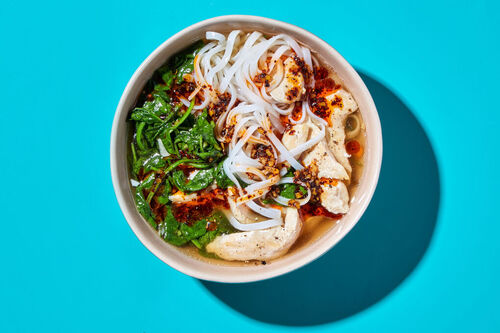
Turn the sauce into a broth by adding 2cups of chicken or vegetable stock, a splash of soy milk, and a handful of shredded cabbage. Warm through, add the noodles, and finish with a softboiled egg for comfortfood vibes.
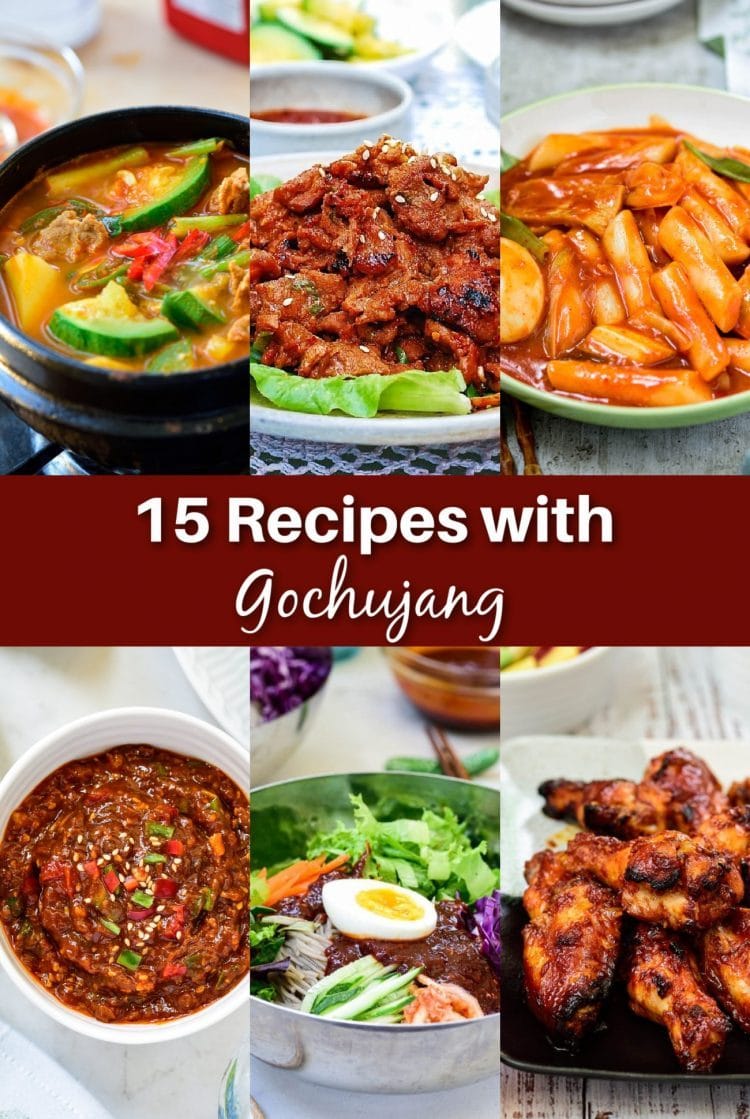
Quick Easy recipes with gochujang list
- Gochujangmarinated grilled chicken
- Spicy gochujang stirfried veggies
- Gochujang tofu bowls
- Gochujangglazed roasted carrots
- Gochujang pizza drizzle
Troubleshooting Tips
Why are my rice noodles sticking together?
Rinse the cooked noodles under cold water, then toss with a teaspoon of oil before setting them aside. This creates a thin barrier that prevents clumping.
How spicy is gochujang?
Gochujang typically falls between 1,500 and 2,500 Scoville unitsmedium heat. If you prefer milder, halve the paste and double the honey or maple syrup, tasting as you go.
Can I make this recipe vegan/glutenfree?
Absolutely. Use tamari instead of soy sauce and ensure your rice noodles are 100% rice (most are). Maple syrup keeps it sweet without honey.
Storage & reheating guide
- Refrigerate leftovers in an airtight container for up to 3days.
- Reheat in a skillet over medium heat, adding a splash of water to rehydrate.
- Microwave works toocover loosely and heat in 30second bursts, stirring in between.
Nutrition & Cost
Approximate nutrition per serving
| Calories | Protein (g) | Carbs (g) | Fat (g) |
|---|---|---|---|
| 380 | 9 | 65 | 8 |
These figures come from USDA FoodData Central, adjusted for the sauce ingredients.
Cost per serving (2025 US prices)
- Rice noodles $0.80
- Gochujang paste $0.60
- Sauce ingredients (soy sauce, honey, lime, oil) $0.70
- Optional addins $0.50 (average)
Total: roughly $2.60 per bowl a budgetfriendly meal that feels gourmet.
Price & nutrition comparison
| Meal | Cost per serving | Calories | Prep time |
|---|---|---|---|
| Gochujang rice noodles | $2.60 | 380 | 15min |
| Instant ramen | $0.60 | 460 | 5min |
Sources & Credits
All nutritional data were crosschecked with the USDA FoodData Central. Fermentation details came from the Korean Food Safety Agency. The cooking technique draws on years of personal trial, refined after tasting dozens of variations in my own kitchen.
Looking for other flavor ideas? Check out the sesame ginger chicken cheesecake factory recipe for a surprising twist on classic comfort foods.
For more ideas on how to incorporate this versatile condiment into everyday meals, see our guide on gochujang sauce uses.
Special thanks to a certified Korean cuisine instructor, Chef MinJae Lee (Korean Culinary Association), whose stickysauce tipadding a splash of water before the final tosssaved countless noodles from drying out.
Conclusion
This gochujang rice noodles recipe is a perfect blend of speed, flavor, and flexibility. Whether youre craving something creamy, looking for a glutenfree option, or simply want a comforting bowl of spicysweet noodles, the steps above have you covered. Give it a try, tweak the heat to your liking, and feel free to share your favorite addins. Happy cooking, and enjoy the burst of Korean comfort on your plate!
FAQs
Can I use other types of noodles instead of rice noodles?
Yes! Thin wheat noodles, udon, or even soba work well, but you may need to adjust the cooking time and ensure the sauce coats them evenly.
How can I reduce the spiciness of the dish?
Cut the gochujang paste in half and add extra honey or maple syrup for sweetness, tasting as you go until the heat is to your liking.
Is this recipe suitable for a vegan diet?
Absolutely—use tamari instead of soy sauce and maple syrup instead of honey. All other ingredients are plant‑based.
What’s the best way to store leftovers?
Keep the noodles and sauce in an airtight container in the refrigerator for up to 3 days. Reheat in a skillet with a splash of water or in the microwave, stirring halfway through.
Can I add protein like chicken or shrimp?
Yes, stir‑fry your protein of choice in the wok before adding the aromatics, then follow the remaining steps. Adjust cooking time according to the protein.