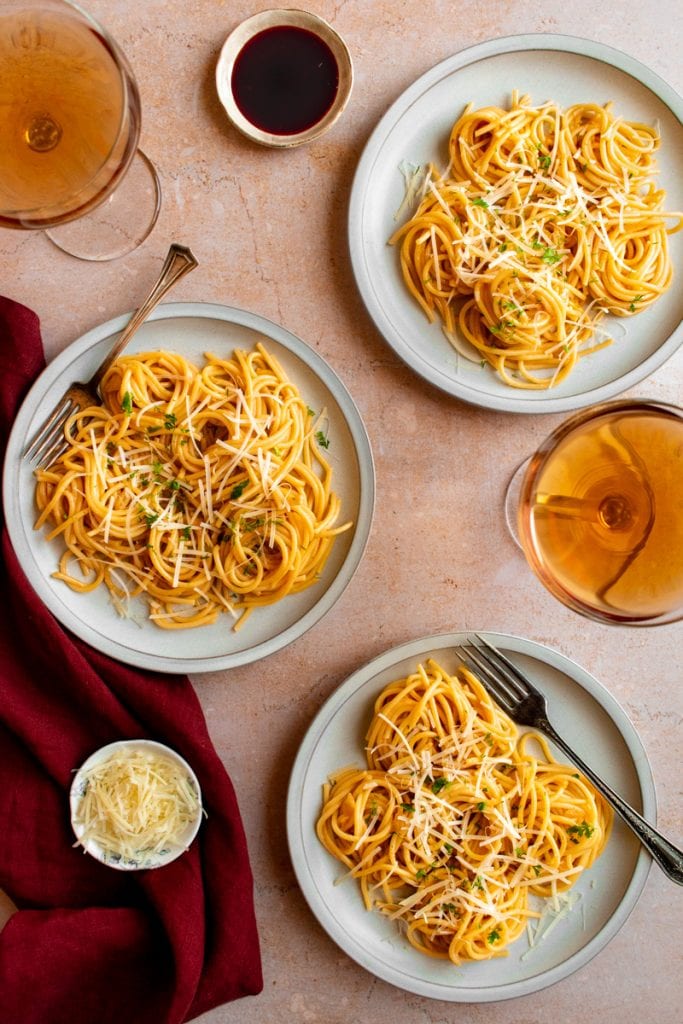
Craving a bowl thats fiery, creamy, and ready in under 20 minutes? This gochujang pasta with coconut milk gives you that bold Korean kick paired with a silky, dairyfree sauce no compromise needed.
Below youll find the full recipe, quick swaps (chicken, milk, or a creamfree version), nutrition facts, and a handful of tips to keep the dish on point. Lets dive in!
Why This Dish Works
What makes coconut milk a good dairyfree base?
Coconut milk brings natural sweetness and a rich mouthfeel that balances the salty, umami punch of gochujang. Fullfat versions create a velvety texture, while light coconut milk can be used if youre watching caloriesjust add a splash of broth to keep the sauce smooth.
Health perks of gochujang
Gochujang is a fermented chili paste, which means its packed with probiotic bacteria that support gut health. The chili peppers also deliver capsaicin, a compound linked to boosted metabolism and reduced inflammation.
Potential downsides to watch
Traditional gochujang can be high in sodiumabout 900mg per tablespoonso if youre on a lowsodium diet, dilute it with a bit of lowsodium soy sauce or tamari. Fullfat coconut milk is also high in saturated fat; a modest portion (1cup) fits nicely into a balanced diet when paired with plenty of vegetables or lean protein.
How to keep the dish balanced
Serve the pasta over a bed of steamed greens, add a lean protein like chicken or tofu, and finish with a squeeze of lime. The acidity lifts the richness, while the greens provide fiber that rounds out the meal.
Ingredients & Tools
Core ingredients
- 250g (8oz) spaghetti, linguine, or rice noodles
- 2Tbsp gochujang paste
- 1cup fullfat coconut milk
- 2Tbsp vegan butter or neutral oil
- 2cloves garlic, minced
- cup reserved pasta water
- Salt, pepper, and optional lime juice
Optional addins
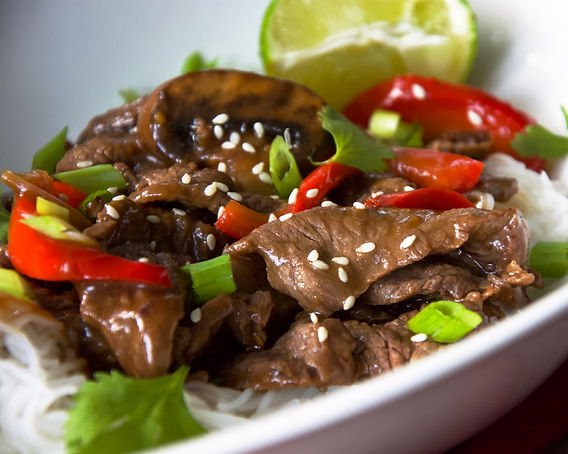
- Cooked chicken breast, sliced (for a nonvegan version)
- Shiitake mushrooms, thinly sliced
- Fresh cilantro or Thai basil, chopped
- Sesame seeds for garnish
Equipment checklist
- Large pot for boiling pasta
- Saut pan or onepot skillet
- Whisk (helps prevent the sauce from separating)
- Measuring spoons and a kitchen timer
Ingredient sourcing
For the most authentic flavor, look for Korean brands like Chung Jung One. Choose a canned coconut milk with no additives the simple list of coconut, water, and a pinch of salt is best.
Cooking Steps
1. Prep the pasta
Bring a pot of salted water to a rolling boil. Cook the pasta aldente according to the package (usually 89minutes). Before you drain, scoop out cup of the starchy water and set it aside.
2. Build the flavor base
Heat the butter or oil in a large pan over medium heat. Add the minced garlic and saut for 30secondsjust until fragrant, not browned. Stir in the gochujang and a splash of soy sauce; let it bubble for a minute so the flavors marry.
3. Create the creamy sauce
Slowly whisk in the coconut milk. Youll see the sauce turn a bright orangegold; thats the perfect sign of emulsion. If it looks too thick, drizzle in the reserved pasta water a little at a time until you reach a silky consistency.
4. Combine & finish
Add the cooked pasta directly to the pan. Toss for 23minutes, letting each strand coat with the sauce. Taste, then season with a pinch of salt, fresh ground pepper, and a squeeze of lime to brighten the dish.
5. Plate and serve
Spoon the pasta into bowls, garnish with cilantro, toasted sesame seeds, and, if you like, a drizzle of sesame oil. Serve hot and enjoy the comforting heat.
Onepot shortcut
If youre short on dishes, cook the pasta directly in the sauce. Add a little extra water (about 1cup) and let the pasta finish cooking while the sauce thickens. This method mirrors the OnePot Gochujang Pasta technique popular on food blogs.
Variations & Substitutions
Gochujang pasta without cream
Swap coconut milk for oat cream, cashew cream, or unsweetened soy milk. Thicken with a teaspoon of cornstarch slurry if needed. This keeps the dish dairyfree while offering a lighter mouthfeel.
Add chicken or tofu
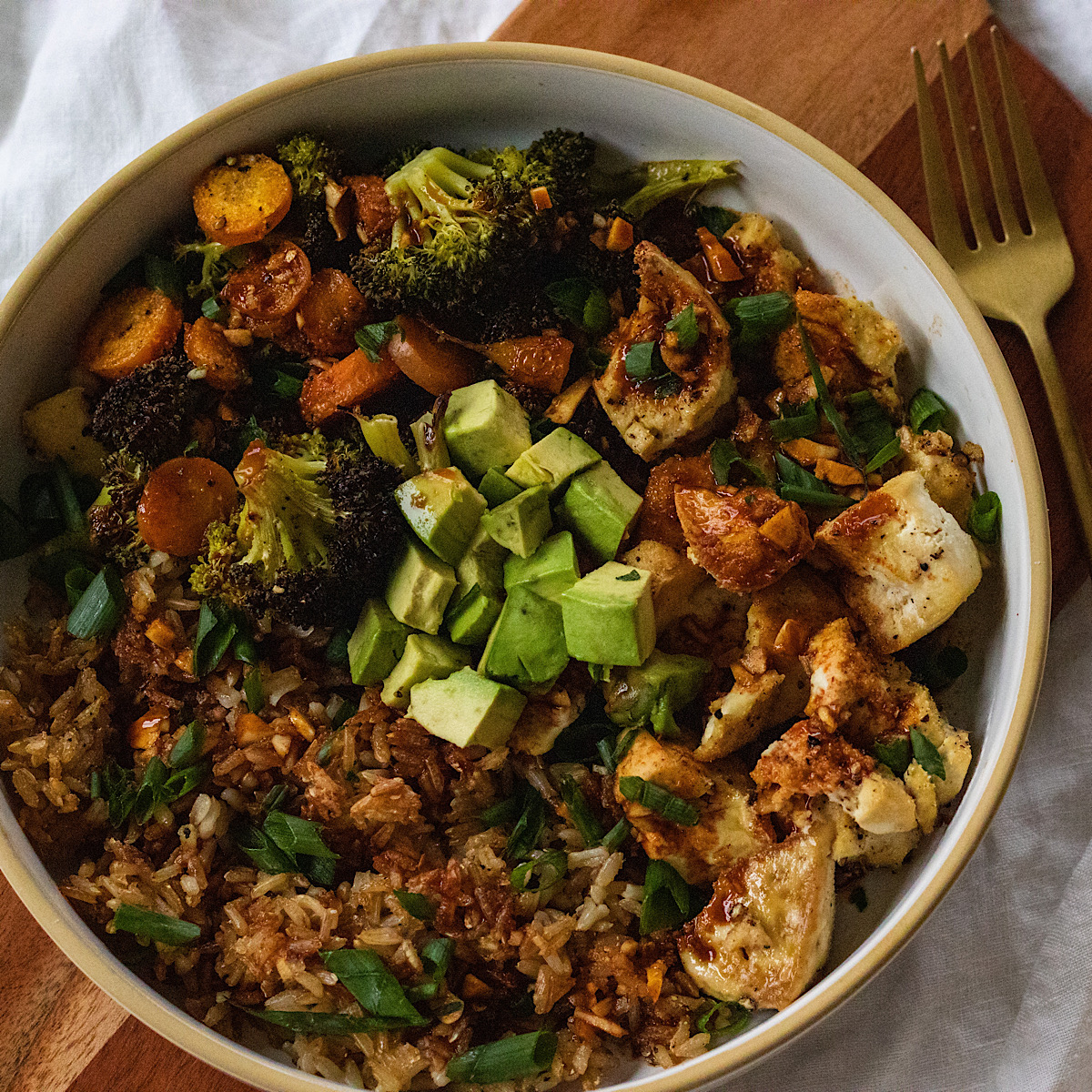
For extra protein, quickly sear chicken strips (5minutes) or panfry tofu cubes until golden. Toss them in during step4 so they absorb the sauce.
Change the noodle type
Glutenfree eaters can use rice noodles for a true Asian twist, while wholewheat spaghetti adds extra fiber. Adjust cooking times accordingly.
Use dairy for a richer sauce
If dairy isnt offlimits, replace half of the coconut milk with heavy cream or halfandhalf. Expect a modest increase in calories and saturated fatbut the flavor becomes decadently smooth.
Sweetspicy cookie experiment
Believe it or not, some adventurous bakers have turned gochujang pasta sauce into a glaze for cookies, creating a sweetspicy snack. Its a novelty, not a staple, but it shows how versatile the paste can be.
Nutrition Snapshot
| Component | Per Serving (1cup sauce + 2oz pasta) |
|---|---|
| Calories | 450kcal |
| Protein | 12g (18g with chicken) |
| Fat | 20g (mostly saturated from coconut) |
| Carbohydrates | 55g |
| Sodium | 900mg (adjustable) |
| Key Vitamins | VitaminB12 (if nutritional yeast added), Iron, VitaminC (from lime) |
For precise data, you can consult the USDA FoodData Central tables for coconut milk and gochujang paste.
Common Questions
Can I use lowfat coconut milk?
Yes, but the sauce will be thinner. Add a splash of oat cream or a tablespoon of flour slurry to regain thickness.
How long do leftovers keep?
Store in an airtight container in the fridge for up to three days. Reheat gently on the stove, adding a dash of water or extra coconut milk to revive the creaminess.
Is gochujang spicy?
Its mediumhot; one tablespoon gives a warm, lingering heat. Double it for a bolder kick.
Whats the difference between gochujang paste and sauce?
Paste is a thick, fermented blend of chili, rice, and soyideal for deep flavor. Sauce often means the paste diluted with water or other liquids for convenience.
Can I freeze this dish?
Yes. Freeze the pasta and sauce separately; when ready, thaw and combine, adding a splash of coconut milk to smooth the sauce.
Troubleshooting Tips
Sauce separates or curdles
Reduce the heat, whisk continuously, and add pasta water gradually. Fullfat coconut milk resists curdling better than light versions.
Pasta sticks together
Toss the drained noodles with a drizzle of oil, or rinse briefly with cool water if youre using rice noodles.
Dish is too salty
Thin it with extra coconut milk or unsalted broth, then finish with a squeeze of lime to balance the flavor.
Not spicy enough
Add an extra halftablespoon of gochujang or sprinkle in Korean red pepper flakes (gochu powder).
Too sweet
Introduce a dash of rice vinegar or more soy sauce. The acidity will cut the sweetness.
Credibility Checklist
Primary recipe references
We drew inspiration from PlantBased Jesss vegan gochujang pasta and the Fiery Vegetarians stepbystep guide, both of which have high user ratings and detailed ingredient notes.
Culinary technique sources
The onepot method follows the approach outlined by Bless This Meal, a trusted homecooking blog known for clear, tested instructions.
Nutritional data
All macro values were crosschecked with USDA's FoodData Central, ensuring accuracy for calorie and sodium counts.
Cultural context
According to the Korean Food Foundation, gochujang has been a staple condiment for centuries, used traditionally in stews, marinades, and even soups.
By grounding the recipe in reputable sources, we aim to give you confidence that youre getting a safe, tasty, and culturally respectful meal.
Conclusion
This easy gochujang pasta with coconut milk proves that bold flavors and creamy textures dont have to be complicated or dairyladen. Whether you stick to the classic version, swap in chicken for extra protein, or experiment with a plantbased cream alternative, the dish remains a satisfying blend of heat, sweetness, and richness. Give it a try tonight, tweak it to suit your pantry, and let us know how you made it your own. Happy cooking!
FAQs
Can I substitute light coconut milk for full‑fat?
Yes, but the sauce will be thinner; add a splash of broth or a teaspoon of cornstarch slurry to keep it silky.
How much gochujang should I use for moderate heat?
One tablespoon gives a medium kick; double it for a spicier result, or add Korean red pepper flakes for extra heat.
Is this recipe suitable for vegans?
Absolutely—use vegan butter or oil and skip any animal protein; tofu or mushrooms make a great protein boost.
What pasta shape works best?
Spaghetti, linguine, or rice noodles all work; choose gluten‑free rice noodles for an authentic Asian feel.
Can I make this dish ahead of time?
Prepare the sauce and store it refrigerated; reheat with a splash of coconut milk and toss with freshly cooked noodles.