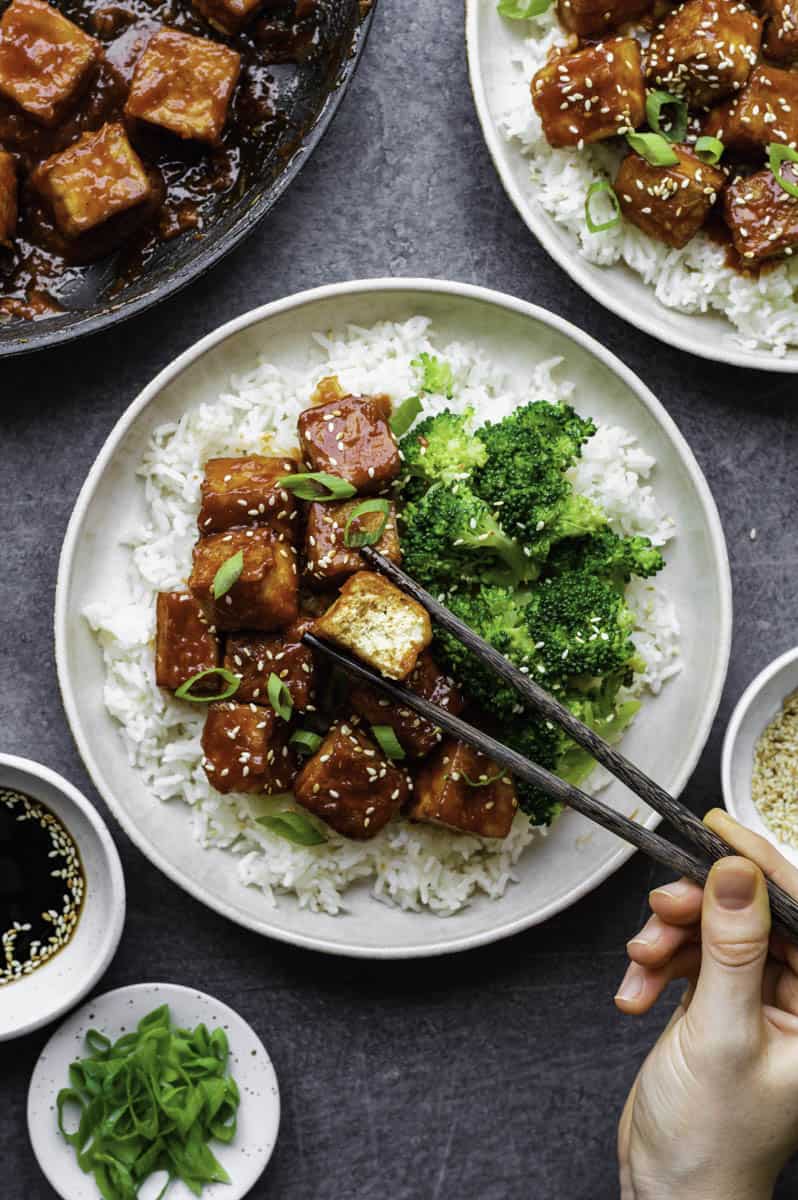
Yes, you can whip up a whole world of spicy, satisfying vegetarian meals using gochujang, and most of them take less than half an hour. The secret? This fermented Korean chili paste adds deep umami, a subtle sweetness, and a gentle heat that makes even the simplest veggies feel like a restaurant‑level dish.
Below you’ll find everything you need to know from the basics of whether gochujang is truly vegetarian, to a handful of my favorite quick‑cook recipes, a DIY paste guide, and tips for keeping your pantry stocked without breaking the bank.
Gochujang: Vegetarian?
What’s Inside Traditional Gochujang?
Classic gochujang is made from fermented red chili powder (gochugaru), glutinous rice, soybeans, barley malt, and salt. None of those ingredients are animal‑derived, which means the base paste is inherently plant‑based. However, some commercial brands add a splash of fish sauce or anchovy extract for extra depth. That tiny hidden animal ingredient is what turns a vegetarian‑friendly condiment into a non‑vegetarian one.
How to Spot a Vegan or Vegetarian Label
When you’re browsing the spice aisle, keep an eye out for these clues:
- Look for vegan or vegetarian certification logos on the front of the jar.
- Read the ingredient list carefully – if you see fish sauce, anchovy, or shrimp paste, skip it.
- Brands like CJ, Sempio, and Chosen Foods publish clear vegan statements on their websites.
Quick Comparison: Vegan vs. Non‑Vegan Gochujang
| Brand | Vegan? | Key Ingredients | Where to Buy |
|---|---|---|---|
| CJ Gochujang | Chili, rice, soy, malt, salt | Amazon, Asian markets | |
| Sempio Red Pepper Paste | Chili, rice, soy, anchovy | Local grocery, online | |
| Chosen Foods Gochujang | Chili, rice, soy, malt, sea salt | Whole Foods, Thrive Market |
Health & Nutrition Snapshot
According to the USDA FoodData Central, a tablespoon of standard gochujang contains roughly 20 calories, 0.8 g protein, 3 g carbohydrates and a hefty 400 mg of sodium. It’s low in fat and delivers a modest amount of probiotics from fermentation – great for gut health, as a 2023 study from the Korean Food Agency points out.
Core Vegetarian Recipes
Vegan Gochujang Noodles
This is the go‑to dish when you want something comforting yet light. Cook your favorite noodles (rice, soba, or whole‑wheat spelt works beautifully). While the pasta simmers, whisk together 2 tbsp gochujang, 1 tbsp soy sauce, 1 tbsp sesame oil, a splash of maple syrup, and a drizzle of rice‑vinegar. Toss the drained noodles with the sauce, then stir‑fry a medley of sliced bell peppers, snap peas, and shredded carrots. Finish with toasted sesame seeds and a squeeze of lime.
You can also toss the sauce with rice noodles, carrots, and spinach for a delicious vegetarian japchae.
Ingredient Checklist
- 200 g noodles
- 2 tbsp gochujang
- 1 tbsp soy sauce
- 1 tbsp sesame oil
- 1 tbsp maple syrup
- 1 tsp rice‑vinegar
- 2 cups mixed vegetables
- Sesame seeds & lime for garnish
Flavor‑Tuning Tips
If you like it milder, add a teaspoon of water or extra maple syrup. For extra heat, sprinkle a pinch of extra gochugaru or drizzle a few drops of chili oil.
Baked Gochujang Tofu
Press a block of firm tofu, cut into cubes, and marinate in a blend of 3 tbsp gochujang, 2 tbsp soy sauce, 1 tbsp maple syrup, 1 tsp grated ginger, and a dash of sesame oil. Let it sit for at least 15 minutes, then spread the pieces on a baking sheet and bake at 200 °C (about 400 °F) for 20 minutes, turning halfway through. The result is caramelized, crispy‑outside tofu that’s perfect over steamed rice, quinoa, or tossed into a salad.
Vegan Gochujang Ramen
Start with a deep‑flavored broth: simmer vegetable stock, add 2 tbsp gochujang, 1 tbsp miso paste, and a splash of soy sauce. Cook ramen noodles separately, then combine with the broth and stir in quickly‑sautéed shiitake mushrooms, bok choy, and a handful of bean sprouts. Top with sliced green onions, nori strips, and a soft‑boiled vegan egg (store‑bought tofu egg works well).
Spicy Gochujang Pasta
Cook your favorite pasta (penne or fusilli). In a saucepan, heat coconut milk, stir in 1 tbsp gochujang, 1 tbsp nutritional yeast, and a pinch of garlic powder. Let it thicken, then coat the pasta and toss with roasted cauliflower florets and chopped cilantro. The creamy‑spicy sauce feels like a comforting hug on a cold night.
Gochujang Veggie Chili
Combine canned black beans, kidney beans, corn, diced tomatoes, and a generous dollop of gochujang in a pot. Simmer for 20 minutes, then serve with avocado slices and a sprinkle of cilantro. This chili is heart‑warming, protein‑packed, and perfect for batch‑cooking.
DIY Gochujang Paste
Ingredients & Equipment
Making gochujang at home gives you control over salt, sugar, and fermentation time. You’ll need:
- 1 cup fermented soybeans (tempeh works as a shortcut)
- ½ cup glutinous rice flour
- ½ cup gochugaru (Korean red chili flakes)
- 2 tbsp sea salt
- ½ cup water
- A clean glass jar with a lid
Step‑by‑Step Fermentation
- Mix the rice flour with water and steam for 10 minutes; let cool.
- Combine the cooled rice mash with fermented soybeans, gochugaru, and salt. Stir until a smooth paste forms.
- Transfer to a sterilized jar, press down to remove air bubbles, and seal loosely (you’ll want gases to escape).
- Store in a cool, dark place (around 20 °C/68 °F) for 12‑14 days. Stir once a day.
- After fermentation, give it a final stir, taste, and adjust salt or sweetness if needed. Transfer to the refrigerator – it will keep for up to six months.
Troubleshooting FAQ
- Too salty? Rinse the fermenting mixture briefly and add more rice flour to balance.
- Weak flavor? Extend fermentation another week; the deeper the fermentation, the richer the umami.
- Can I freeze it? Yes, portion into ice‑cube trays, freeze, then thaw as needed.
Nutrient Benefits & Risks
Why You’ll Love It
Gochujang brings probiotics from fermentation, a modest protein boost from soy, and powerful antioxidants from red chilies. Those compounds have been linked to improved digestion and a reduced inflammatory response, making it a great ally for a balanced vegetarian diet.
What to Watch Out For
The biggest concern is sodium. A single tablespoon can clock 400 mg, which is about 17 % of the daily recommended limit. If you’re watching your blood pressure, dilute the paste with a bit of water or broth before adding it to dishes. Also, always double‑check labels for hidden fish sauce, especially in cheaper bulk jars.
Sodium Comparison Table
| Version | Sodium (mg per tbsp) |
|---|---|
| Standard store‑bought | 400 |
| Low‑sodium brand | 250 |
| Homemade (12‑day ferment) | 150‑200 |
Simple Meal‑Prep Tips
Batch‑Cook Noodles & Sauce
Cook a big pot of your favorite noodles, toss with a premade gochujang‑soy‑sesame sauce, and portion into containers. Add fresh veggies just before reheating for a quick lunch.
Freezable Tofu Cubes
After marinating (see the baked tofu recipe), freeze the tofu cubes on a parchment sheet, then transfer to a zip‑lock bag. Pop a few into a wok straight from the freezer for a 5‑minute stir‑fry.
Mix‑and‑Match Bowl Formula
Think of a bowl as protein + veg + grain + sauce. Example: 1 cup quinoa, 1 cup roasted sweet potatoes, 1 cup sautéed kale, and a drizzle of gochujang glaze. Change the protein (tofu, tempeh, edamame) and the grain (brown rice, farro) to keep things interesting.
Resources & Where to Buy
Finding quality gochujang is easier than you think. Large supermarkets often carry a Korean aisle, and online specialty stores such as Thrive Market or iHerb stock certified vegan options. If you prefer to shop locally, Asian grocery districts typically have fresh batches that are less processed.
For deeper dives into Korean fermentation, the Korean Food Agency offers free PDFs on traditional methods – a great reference if you’re curious about the science behind the flavor.
Conclusion
Gochujang isn’t just a spicy sauce; it’s a passport to vibrant, satisfying vegetarian meals that you can whip up in minutes. Whether you choose a trusted vegan brand, craft your own paste at home, or experiment with the recipes above, you’ll discover how this fermented chili paste turns ordinary veggies into unforgettable bites. So, grab a jar, pick a recipe, and let the bold flavors brighten your kitchen. If you’ve tried any of these dishes or have a twist of your own, I’d love to hear about it – share your experience and let’s keep the conversation cooking!
FAQs
Is gochujang vegetarian or vegan?
Traditional gochujang is made from chili powder, glutinous rice, soybeans, and barley malt, which are all plant‑based. However, some commercial brands add fish sauce or anchovy extract, making them non‑vegetarian. Look for vegan certification or check the ingredient list to be sure.
How can I lower the sodium in gochujang dishes?
Dilute the paste with a bit of water, broth, or unsalted vegetable stock before adding it to a recipe. You can also use low‑sodium store‑bought versions or make your own gochujang at home, where you control the amount of salt.
Can I make gochujang at home without using fermented soybeans?
Yes. A common shortcut is to use tempeh or miso as the fermented soy component. Combine steamed glutinous rice mash, gochugaru, salt, and crumbled tempeh, then ferment for 12‑14 days to develop the characteristic tangy flavor.
What are some quick vegetarian meals I can prepare with gochujang in under 30 minutes?
Try the following: Vegan Gochujang Noodles, Baked Gochujang Tofu, Spicy Gochujang Pasta, or a simple Gochujang Veggie Chili. All can be ready in 20‑30 minutes and need only pantry staples.
Which store‑bought gochujang brands are reliably vegan?
Brands such as CJ Gochujang, Chosen Foods Gochujang, and Sempio’s vegan line (when labeled) are certified vegan. Always verify by checking the label for “no fish sauce” or a vegan certification logo.