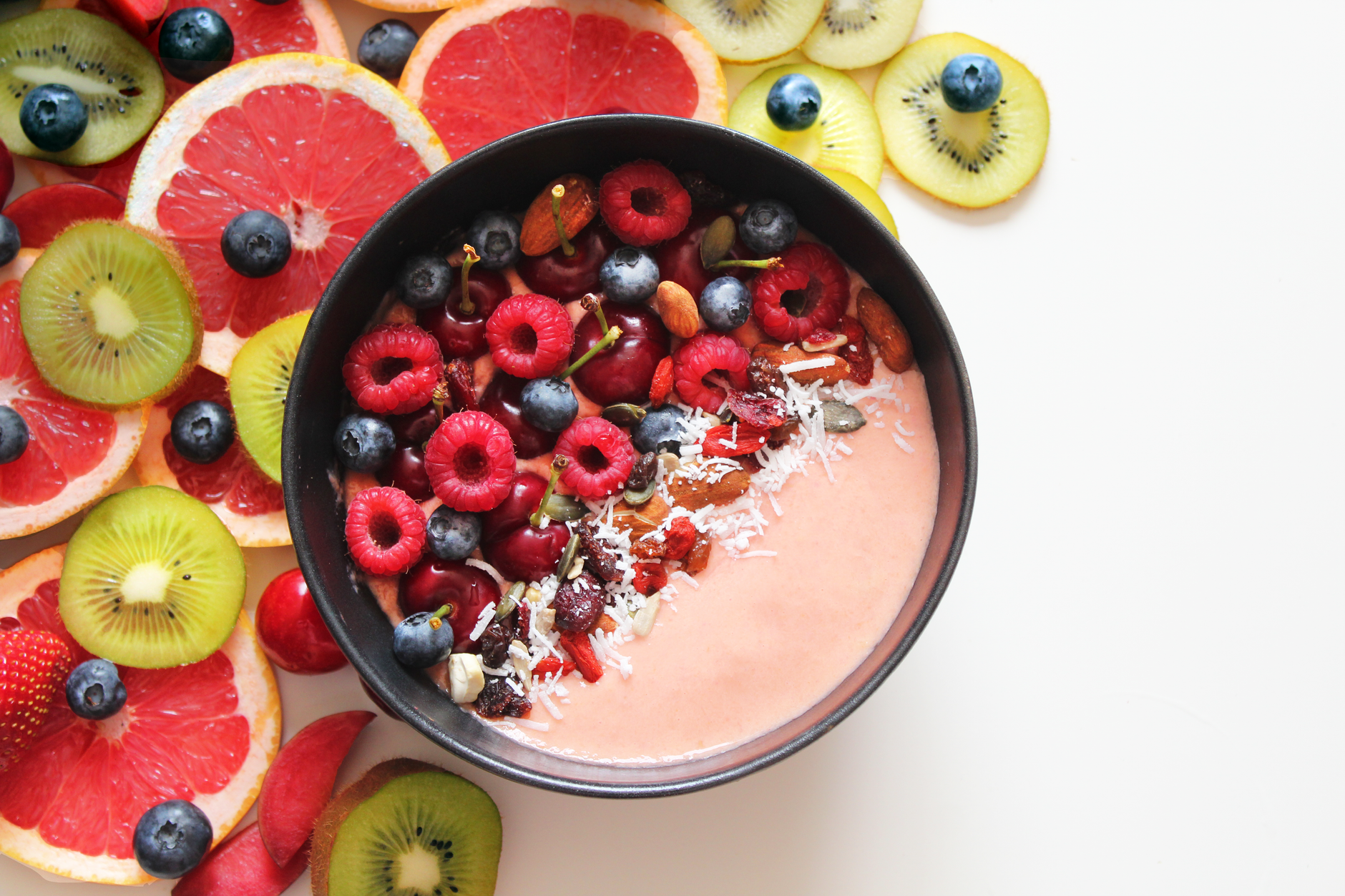
Balancing blood sugar and cholesterol is a daily task for many, but tasty smoothies can make it easier. These smoothies to lower blood sugar and cholesterol combine natural ingredients rich in fiber, healthy fats, and antioxidants that support your body‘s vital functions. Theyre creamy, nutrient-packed sips that help stabilize glucose levels and promote heart health without sacrificing flavor.
Why These Smoothies Work
What Key Nutrients Help Control Blood Sugar and Cholesterol?
Smoothies designed to lower blood sugar and cholesterol rely on ingredients packed with soluble fiber, antioxidants, and heart-healthy fats. Soluble fiber slows sugar absorption into the bloodstream, preventing sharp glucose spikes. Ingredients like oats, chia seeds, and flaxseed are rich in this fiber type.
Healthy fats such as omega-3s found in flaxseeds or avocado improve cholesterol profiles by reducing LDL (bad) cholesterol and increasing HDL (good) cholesterol. Antioxidants from berries inhibit oxidative stress, which can damage blood vessels and increase heart disease risk.
How Fiber-Rich Ingredients Stabilize Glucose and Cholesterol Levels
Fiber creates a gel-like barrier in the gut that slows carbohydrate digestion. This steady glucose release helps avoid blood sugar crashes and reduces insulin spikes. In addition, soluble fiber binds bile acids containing cholesterol, aiding their excretion and lowering circulating cholesterol levels.
The Role of Healthy Fats and Plant-Based Protein
Including plant-based protein from sources like pea protein powder, nuts, or seeds supports muscle maintenance and slows digestion, which helps regulate blood sugar. Healthy fats like avocado and chia seeds contribute anti-inflammatory effects that benefit arterial walls and overall cardiovascular health.
Why Homemade Smoothies Beat Store-Bought Options for Diabetics
Homemade smoothies put you in control. You avoid added sugars, preservatives, and artificial flavors common in commercial products that can spike blood sugar or increase cholesterol. Plus, you can tailor ingredients to your taste and dietary needs, ensuring every sip supports your health goals.
Ingredients Overview
| Prep time | Total time | Servings | Calories | Diet tags |
|---|---|---|---|---|
| 10 minutes | 10 minutes | 2 | 250 per serving | Vegan, Gluten-Free, Low Sugar |
Which Fruits and Vegetables Balance Sweetness?
Berries like blueberries, strawberries, and raspberries steal the show. They have low glycemic indexes but rich antioxidants. Avocado adds creaminess and healthy fats without added sugar. Leafy greens such as spinach and kale provide fiber and essential micronutrients with minimal carbs.
Protein Sources That Aid Glucose Control
Plant proteins such as pea, hemp, or brown rice powders blend smoothly and offer amino acids to keep you satisfied. Nuts and seedsincluding almonds, walnuts, chia, and flaxadd crunch, fiber, and heart-healthy fats that aid in slowing digestion.
Healthy Fats for Heart Health
Avocados creamy texture and monounsaturated fats help improve cholesterol. Flaxseed and chia seeds contribute omega-3 fatty acids and soluble fiber. These fats support a balanced blood sugar response and promote cardiovascular well-being.
Low-Sugar Liquid Bases
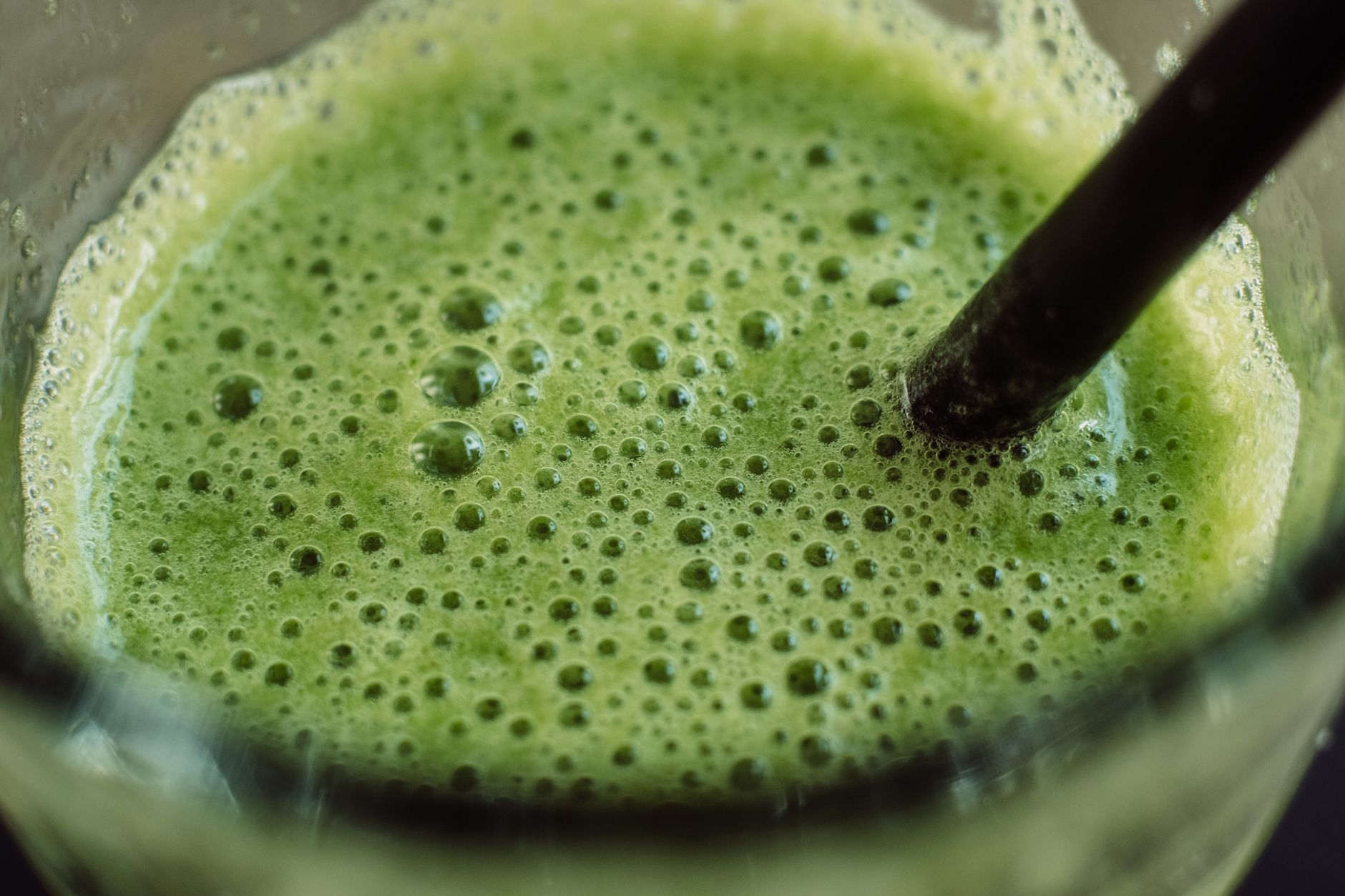
Unsweetened almond milk and coconut water keep calories and sugar low while adding hydration and subtle flavor. Green tea brewed and chilled brings an antioxidant boost and gentle caffeine to support metabolism. Water is always a perfect neutral base.
Ingredient Substitutions for Allergies
For nut-free options, swap almond milk for oat or hemp milk. Use sunflower seeds or pumpkin seeds instead of nuts in recipes. Vegan diets are easily accommodated with plant-based protein powders and coconut yogurt as creamy texture enhancers.
Step-by-Step Instructions
How to Prep Ingredients
Rinse all fresh produce thoroughly under cool water to remove dirt and pesticides. Peel avocado and remove large stems from greens. Measure ingredients precisely to maintain balanced nutrients and flavors.
The Blending Process
- Add liquids to the blender first (about 1 to 1 cups), which helps blades move easily.
- Follow with leafy greens for even blending.
- Add fruits and avocado for creaminess and taste.
- Top with protein powders, seeds, or nuts last.
- Blend on high for exactly 45 seconds until fully smooth and creamy.
Common Mistakes to Avoid
Using too many sweet fruits can spike blood sugar despite good intentions. Under-blending leads to gritty texture and uneven flavor. Blending too long can heat ingredients slightly and degrade some sensitive nutrients.
Adjusting Thickness and Sweetness
For thinner smoothies, add ice cubes or water in cup increments. If too thick, blend 15 seconds longer on high. To enhance sweetness naturally, add a small handful of frozen berries or a pinch of cinnamon rather than sweeteners.
Suggested Blending Settings
Set your blender to high speed with a pulse start for 23 pulses, then blend continuously on high for 45 seconds. Stop to scrape sides if needed halfway through. Avoid over-blending to preserve fresh flavor.
Variations and Dietary Swaps
Vegan and Dairy-Free Options
All the recipes here are naturally vegan and dairy-free. For extra creaminess use coconut yogurt or silken tofu. Avoid dairy milk which can impact blood sugar differently.
Low-Carb and Ketogenic Tweaks
Skip fruits that are high in sugars, like bananas or mangoes. Increase fats with extra avocado or a spoonful of nut butter. Opt for leafy greens and coconut milk bases more often.
Gluten-Free Adaptations
Most smoothies are inherently gluten-free but double-check protein powders and flavorings to avoid hidden gluten. Certified gluten-free oats or oat bran can add fiber safely.
Adding Superfoods for Heart Health
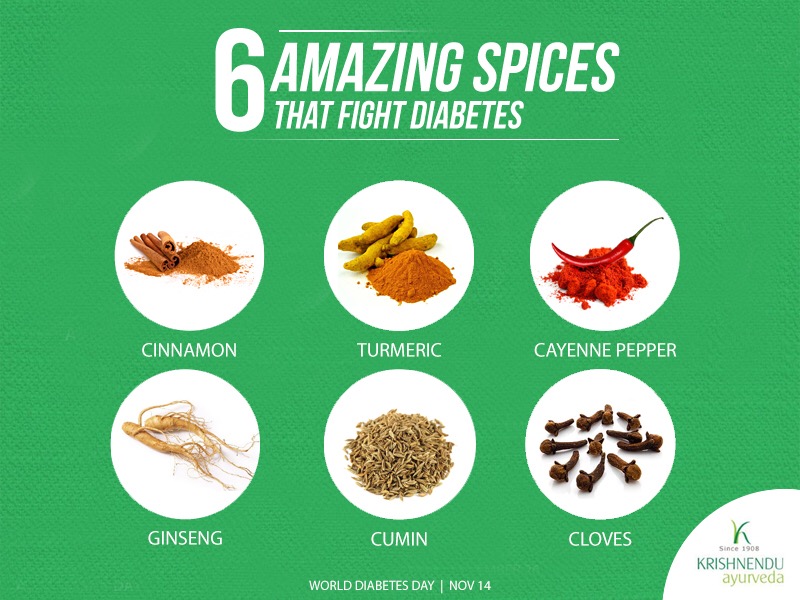
Turmeric, cinnamon, and matcha powder are excellent to stir in small amounts. According to a 2023 study in the Journal of Nutritional Biochemistry, curcumin from turmeric supports inflammation reduction and cholesterol management. Use these cautiously to maintain flavor balance.

Serving Suggestions
Best Times to Enjoy
Breakfast or mid-morning snacks are ideal. Nutrient-dense smoothies can prevent mid-day crashes. Try pairing your smoothie with high-fiber foods like whole-grain toast or a handful of nuts for a balanced meal.
Making Smoothies More Filling
Add small servings of ground flaxseed or chia to increase satiety without extra sugar. Portion sizes between 250300 calories per serving keep blood sugar steady while fueling your day.
Storage, Reheating, and Make-Ahead Tips
Refrigeration Duration
Keep smoothies refrigerated in airtight containers for up to 3 days. Shake or stir before drinking to recombine separated ingredients.
Freezing Smoothies
Freeze in single-serving freezer-safe jars or ice cube trays. Freeze for up to 2 months. Thaw in the fridge overnight and blend for 15 seconds before consuming to restore texture.
Reheating Tips
Avoid heating in microwaves, which can degrade nutrients. If warmed smoothies are desired, gently stir at room temperature for 1015 minutes instead.
Prep Shortcuts
Pre-chop greens and freeze portions in ziplock bags for quick access. Measure dry ingredients ahead and store in airtight containers to save time during busy mornings.
Troubleshooting and Pro Tips
Fixing Bitter or Grassy Taste
Add a small pinch of cinnamon or a squeeze of lemon juice to brighten flavors. A few frozen berries can mask earthy notes without adding sugar.
Adjusting Thickness
Too thick? Blend in cup of water or unsweetened almond milk in 10-second increments until desired texture is reached. Too thin? Add avocado or a tablespoon of nut butter and blend for 15 seconds.
Balancing Sweetness Naturally
Cinnamon, vanilla extract, and a few soaked dates (used sparingly) can add sweetness without causing blood sugar spikes. Fresh mint leaves also add a refreshing aroma that can enhance perceived sweetness.
Maintaining Creamy Texture
Freeze banana slices or avocado cubes ahead to create a silkier blend. Blend on high precisely 45 seconds or until no visible chunks remain. Scrape down the sides with a spatula halfway through blending to incorporate all ingredients evenly.
When is the best time to drink smoothies to lower blood sugar and cholesterol?
Morning or mid-morning is best to enjoy these smoothies. This timing supports steady blood sugar levels throughout the day and provides lasting energy. Drinking them between meals can prevent unhealthy snacking by keeping you fuller longer.
Can these smoothies replace meals for type 2 diabetics?
They can substitute a light meal or snack when balanced properly with proteins, fats, and fiber. However, consult your healthcare provider to tailor intake according to your personal blood sugar management plan.
Are green smoothies safe for blood sugar control?
Yes, green smoothies made from leafy vegetables and low-sugar fruits can be excellent. They offer fiber and antioxidants with minimal impact on blood glucose levels, making them suitable for people managing diabetes.
How often should I drink smoothies to see cholesterol improvements?
Consuming these smoothies 34 times a week as part of a balanced diet may contribute to cholesterol improvements within 68 weeks, based on dietary studies focusing on soluble fiber and healthy fats.
Can weight loss be supported with these diabetic smoothie recipes?
Yes, their high fiber and protein content promote satiety, reducing overall calorie intake. Choosing low-sugar fruits and healthy fats supports steady blood sugar, which helps control cravings.
Where can I find a diabetic smoothie recipes PDF or printable guide?
Printable guides are often available on health and nutrition sites. Bookmark or save recipes you enjoy from trusted blogs like RecipeIsEasy for easy access on your phone or tablet during grocery shopping.
Is it okay to add sweeteners like honey or maple syrup?
Its best to avoid added sweeteners. They can cause blood sugar spikes and reduce the positive effects of the smoothie. Instead, try natural sweetness from berries or vanilla extract.
Can I use frozen fruits instead of fresh?
Frozen fruits are a convenient and nutritious alternative. They preserve most vitamins and minerals and create a naturally cold, creamy smoothie texture without dilution.
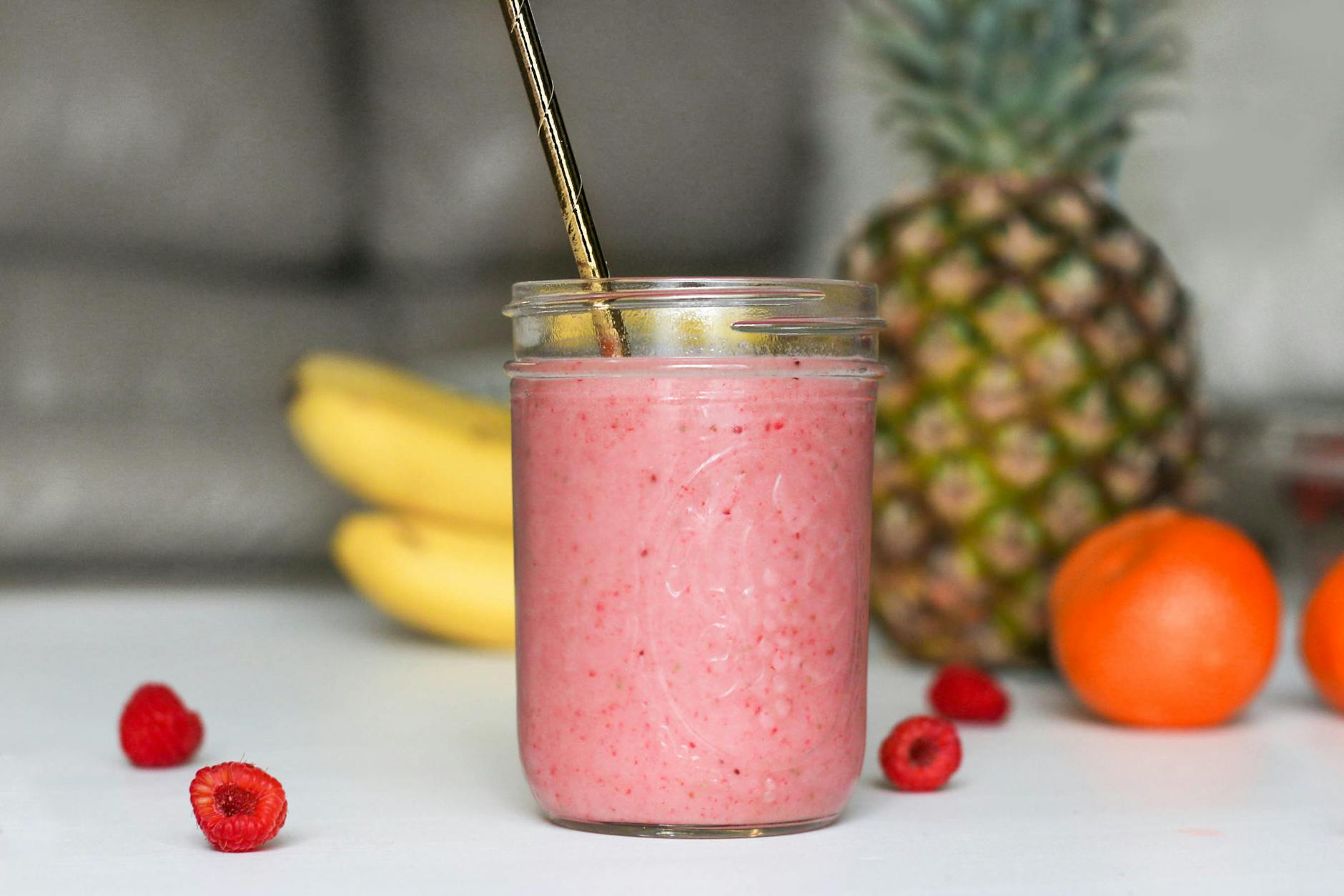
More Recipes Youll Enjoy
If you like heart-healthy smoothies, check out breakfast smoothies for diabetics type 2 for more low-sugar morning options that fuel your day.
For something savory and packed with flavor, try the Gochujang pasta recipe a spicy, satisfying meal perfect for a cholesterol-conscious diet.
Want a refreshing drink instead? The Hot steeped lime green iced tea 2108442 offers antioxidants and a tangy twist that complements your healthy lifestyle.
Conclusion
These smoothies to lower blood sugar and cholesterol blend delicious flavors with science-backed ingredients. Theyre easy to make, gentle on your glucose, and supporting heart health with every creamy sip. Why not give a recipe a try today? Feel free to share your favorite combinations or questions in the comments below!
FAQs
When is the best time to drink smoothies to lower blood sugar and cholesterol?
Morning or mid-morning is the ideal time to drink these smoothies. Consuming them during this window helps maintain steady blood sugar levels and provides sustained energy throughout the day.
Can these smoothies replace meals for type 2 diabetics?
Yes, these smoothies can substitute light meals or snacks if they are balanced with protein, fiber, and healthy fats. However, consult your healthcare provider to ensure they fit your personal dietary needs.
Are green smoothies safe for blood sugar control?
Absolutely. Green smoothies made from leafy vegetables and low-sugar fruits offer fiber and antioxidants that help regulate blood glucose without causing spikes, making them suitable for blood sugar management.
How often should I drink smoothies to see cholesterol improvements?
Drinking these smoothies about three to four times a week as part of a balanced diet may show cholesterol lowering effects within six to eight weeks, supporting heart health effectively.
Is it okay to add sweeteners like honey or maple syrup?
It’s best to avoid added sweeteners since they can cause blood sugar spikes and counteract the benefits. Use natural sweetness from berries or vanilla extract instead for flavor.