Introduction
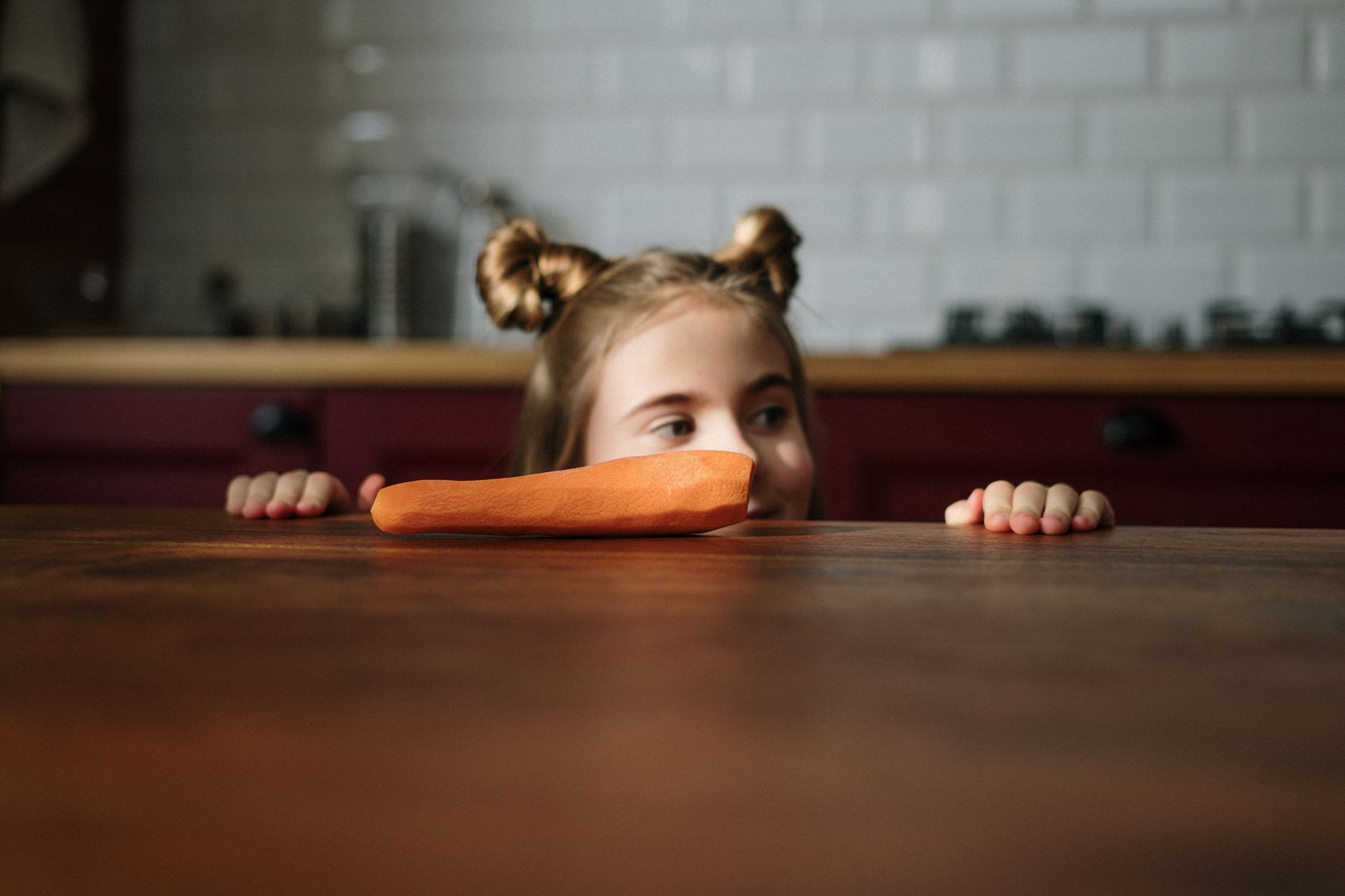
Veggie packs for kids make healthy veggie snacks for children both appealing and effortless. Combining fresh vegetables with simple dips, these colorful packs turn snack time into a moment of joy and nourishment. Creating no-cook veggie packs encourages picky eaters to explore flavors and textures. Whether for school lunches or afternoon treats, these easy vegetable packing ideas help you get kids to eat vegetables without fuss.
Health Benefits
Benefits of Veggie Packs for Kids Nutritious Snacks Kids Love
Veggie packs for kids provide an inviting way to deliver vital nutrients throughout the day. Packed with vitamins A, C, and K, along with fiber, these kid-friendly vegetable recipes support growing bodies and sharp minds. The bright colors and crunchy textures keep kids interested, while the balanced combos promote healthy eating habits. With portable portions, healthy veggie snacks for children maintain energy and fullness without added sugar or empty calories.
High in Vitamins and Fiber for Growing Bodies
Vegetables offer an abundance of vitamins crucial for development. Vitamin A promotes vision, vitamin C supports immunity, and vitamin K helps with bone health. Fiber aids digestion and helps regulate appetite. This makes veggie packs an excellent snack choice for kids, helping maintain steady energy levels that last through busy school days and playtime.
Promotes Healthy Eating Habits and Energy Levels
Introducing veggie packs regularly helps normalize vegetable consumption. Kids who snack on colorful veggies tend to develop a lifelong acceptance of fruits and vegetables. These easy vegetable packing ideas also provide slow-burning energy, unlike sugary snacks that spike and crash blood sugar.
Safety Note Allergy Awareness and Choking Hazards
Always check for allergies when preparing veggie packs. Cut vegetables into bite-sized pieces appropriate for your childs age. For toddlers, keep veggies thin and soft enough to reduce choking risks. Avoid hard or stringy vegetables for very young kids or supervise older children during snack time.
Ingredients & Preparation
| Prep time | Total time | Servings | Calories | Diet tags |
|---|---|---|---|---|
| 15 minutes | 15 minutes | 4 | 80 per serving | Vegan, Gluten-Free, Dairy-Free |
Full Ingredient List with Substitutions
- 2 medium carrots, peeled and cut into sticks (substitute cucumber sticks for milder flavor)
- 1 cup cherry tomatoes, halved (swap with mini bell peppers for extra crunch)
- 1 cup snap peas, trimmed (snow peas work well, too)
- cup hummus (guacamole or yogurt-based dip as alternatives)
- Whole grain crackers, optional (gluten-free crackers if needed)
Equipment Needed
You only need a sharp knife, cutting board, and small containers or lunchboxes. No cooking appliances or special tools are required, which makes this especially convenient.
Tips for Choosing the Best Quality Ingredients
Select fresh, organic vegetables when possible. Look for bright, unblemished produce free of spots or softness. The fresher the veggies, the crispier and sweeter theyll taste. Pairing fresh veggies with creamy hummus elevates flavor and ensures a satisfying bite with every snack.
Step-by-Step Instructions
Step 1 Wash and Prepare Veggies
Rinse all vegetables thoroughly under cold running water. Pat dry with paper towels. Peel the carrots and slice into manageable sticks about 3 inches long and inch thick. Trim the ends of snap peas and halve the cherry tomatoes. This prep keeps textures kid-friendly and safe to eat.
Step 2 Assemble Packs
Arrange the veggies neatly in small containers or lunchbox compartments. Place the hummus in a separate small container to avoid sogginess. Add whole grain crackers on the side if using. Presentation matterstry grouping veggies by color or shape to make the pack visually appealing.
Step 3 Add Finishing Touches
Include a fun note, sticker, or colorful napkin to make snack time special. Optionally, sprinkle a pinch of smoked paprika or mild herb on the hummus for subtle flavor enhancement. These little details can encourage kids to give veggies a chance.
Step 4 Serve or Store
Serve veggie packs fresh for best crunch, or cover tightly and refrigerate for up to 4 hours before packing into lunchboxes. Avoid storing assembled packs longer to prevent sogginess and maintain freshness.

Variations & Substitutions
Vegan and Allergy-Friendly Variations
For nut allergies, replace hummus with sunflower seed butter or creamy guacamole. Choose gluten-free crackers or omit crackers entirely for gluten-sensitive kids. These vegan veggie snack options keep snacks tasty and safe for most dietary needs.
Ingredient Swaps
If snap peas arent available, cucumber slices or baby carrots make great crunchy alternatives. Swap cherry tomatoes for mini sweet peppers to vary sweetness and color, accommodating different tastes and seasonal availability.
Adjusting Flavor and Texture
Add fresh herbs like basil or mild oregano to dips for extra aroma. For crunch lovers, toss a small handful of nuts or seeds (appropriate for age) into the pack. The combination of creamy and crispy textures keeps kids engaged and excited to snack.

Storage & Shelf Life
Refrigerator Storage
Store assembled veggie packs in airtight containers in the fridge. Consume within 24 hours to ensure crispness. Place a damp paper towel on top of veggies inside the container to maintain moisture without sogginess.
Freezer Option
Freezing fresh vegetables is not recommended, as it damages texture and flavor. However, dips like hummus freeze well for up to 3 months in sealed containers. Thaw in the fridge overnight before use.
Make-Ahead Batch Tips
Chop all vegetables the night before and store in separate airtight containers lined with damp paper towels. Portion dips separately. Assemble packs the morning of to keep textures fresh and appetizing.
Pro Tips & Troubleshooting
Practical Tips
Use a vegetable peeler to create thin, easy-to-eat carrot sticks that toddlers can handle more safely. Storing veggies on a crisp paper towel inside containers prevents moisture build-up and preserves crunch. Pack dips separately to avoid watery vegetables.
Common Issues and Fixes
If your veggie packs turn out soggy, its usually from condensation. Dry vegetables thoroughly and store dips separately. Avoid airtight containers that trap moisturevented lunchboxes work well during warmer months.
Expert Upgrade
Sprinkle a small container of nutritional yeast or add mild cheese cubes for non-vegans. These add a savory boost of B vitamins and protein without overpowering kids taste buds, making veggie packs more enticing and nutrient-dense.
When is the best time to eat veggie packs for kids?
Veggie packs are perfect for mid-morning or afternoon snacks. They provide a nutritious energy boost between meals and help prevent hunger-driven poor snack choices.
Can I make big batches of veggie packs ahead?
Yes, you can prep vegetables up to 24 hours in advance and store them properly. However, assembly should be done the day of consumption to keep vegetables crisp and fresh. Separating dips until snack time avoids sogginess.
Fresh vegetables or frozen which works better?
Fresh vegetables are best for veggie packs because they maintain their natural crunch and vibrant flavor. Frozen veggies thaw soft and watery, which isnt ideal for raw snacking.
Are veggie packs safe for toddlers and children with allergies?
Yes, when prepared with care. Cut vegetables into small, manageable pieces and avoid choking hazards. Always check for known allergies and avoid exposure to allergens such as nuts if necessary.
How often can kids eat veggie packs?
Daily snacking on veggie packs is great for encouraging consistent vegetable intake and healthy eating patterns. They fit nicely into balanced diets and help children meet recommended vegetable servings.
Why do some veggie packs taste bitter?
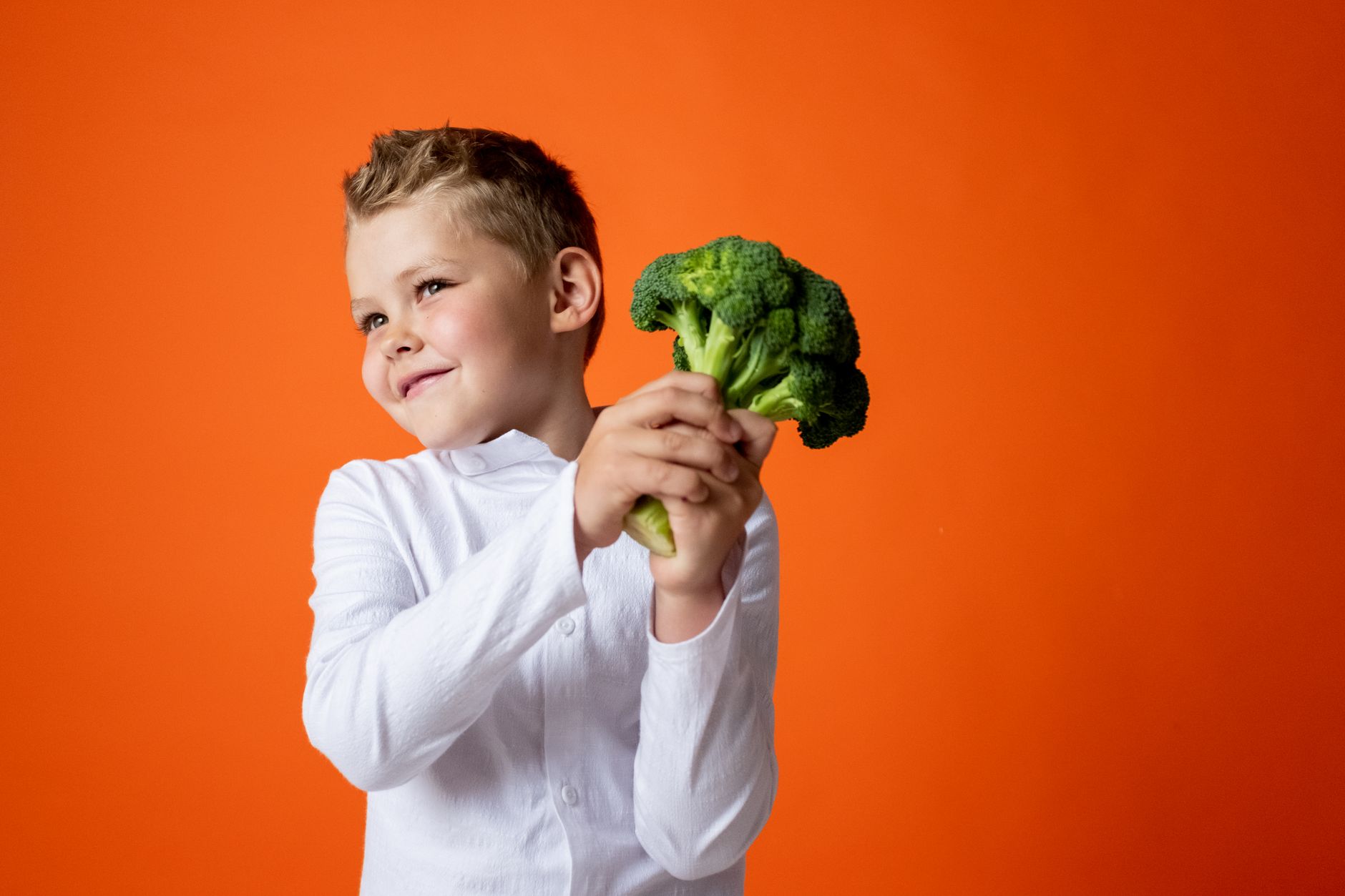
Bitterness often comes from certain vegetables like raw broccoli or kale. Choose sweeter, milder vegetables such as carrots or snap peas if your child is sensitive to bitter flavors.
What pairs well with veggie packs for kids?
Fresh fruits, mild cheese cubes, or whole grain crackers complement veggie packs well. These combinations create satisfying and balanced snacks your kids will enjoy.
More Recipes You Will Love
Try these recipes for more kid-friendly vegetarian snacks: vegetable foil packets oven offer delicious roasted flavors with minimal effort. For mushroom lovers, Bolete mushroom recipes bring earthy richness to any meal. If cheesy and comforting is what you fancy, the Potato and cheese gratin recipe0 1955659 makes a perfect side or snack for bigger appetites.
Conclusion
Veggie packs for kids combine fun with flavor and nutrition in simple vegetarian snacks. They make healthy eating a breeze and can transform how kids perceive vegetables. Feel free to try the variations and share your favorite combos in the comments below. For another fresh twist, check out our veggie wraps for more kid-friendly ideas!
FAQs
When is the best time to eat veggie packs for kids?
Veggie packs are ideal for mid-morning or afternoon snacks, providing a nutritious energy boost between meals and helping to prevent hunger-driven poor snack choices.
Can I make big batches of veggie packs ahead?
You can prep vegetables up to 24 hours in advance and store them properly. However, assembling the packs should be done on the day of consumption to keep veggies crisp and fresh while keeping dips separate.
Are fresh vegetables or frozen better for veggie packs?
Fresh vegetables are better for veggie packs because they maintain natural crunch and vibrant flavors, whereas frozen veggies thaw soft and watery, which is not ideal for raw snacking.
Are veggie packs safe for toddlers and children with allergies?
Yes, veggie packs are safe when vegetables are cut into age-appropriate, small pieces to reduce choking hazards. Always check for allergies and avoid allergens such as nuts if needed.
How often can kids eat veggie packs?
Kids can eat veggie packs daily as they promote consistent vegetable intake and support healthy eating patterns, fitting well into balanced diets to meet recommended vegetable servings.