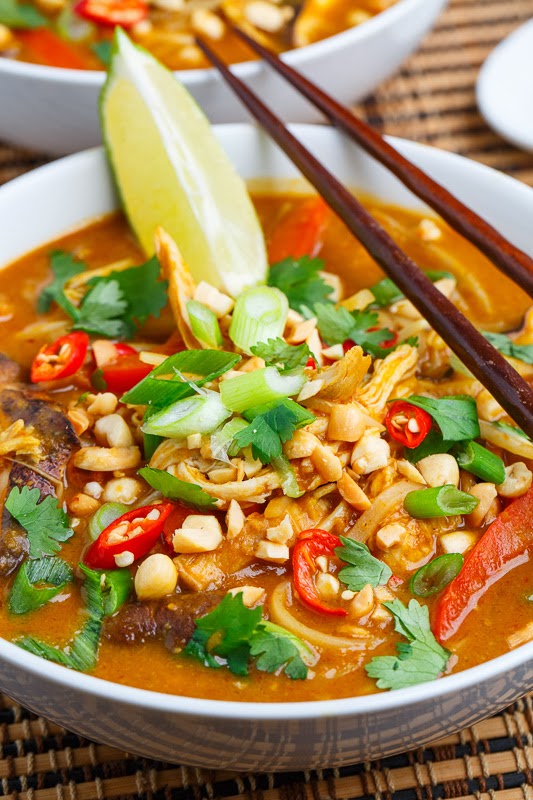
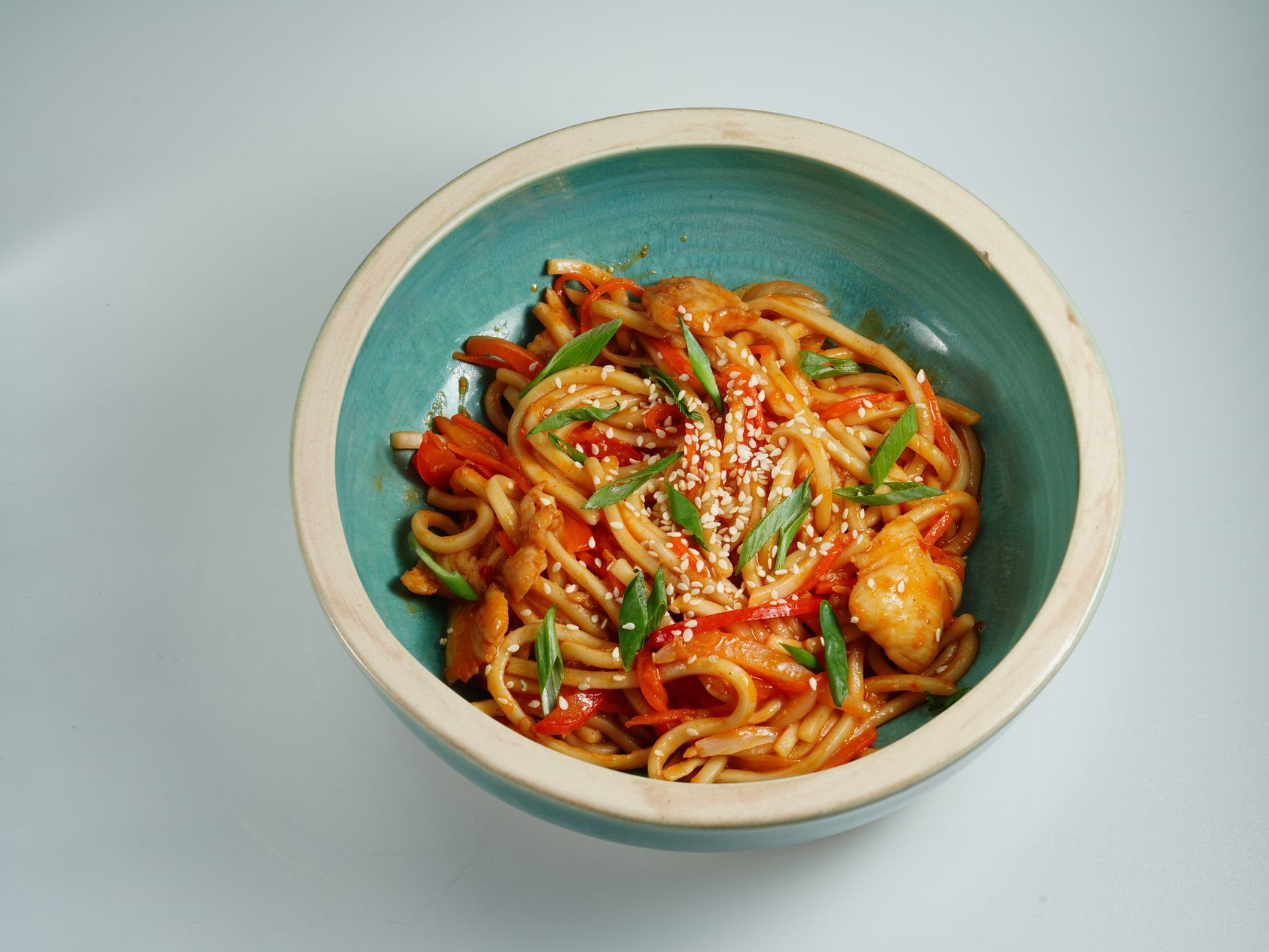
Craving a fiery Korean dinner but dont want to spend hours in the kitchen? Grab some noodles, a jar of gochujang, and a few everyday ingredients, and youll have a bowl of sweet‑savory‑spicy goodness in under 20 minutes.
Below youll find the exact steps, handy swaps, and a few protips that make the dish turn out perfectly every time—no guesswork, no takeout price tag.
Why Choose This
If youve ever ordered Korean chicken noodles from a restaurant, you know the flavor punch: that deep, slightly fermented heat of gochujang paired with tender chicken and glossy sauce. gochujang sauce uses span from bibimbap to marinades, making this pantry staple incredibly versatile.
- Speed & simplicity: 20‑minute prep, fewer than 10 ingredients.
- Flavor balance: Sweet, salty, and umami layers from gochujang, sesame oil, and a touch of honey.
- Flexibility: Works with chicken thighs, ground chicken, tofu, or even pork.
- Health snapshot: Lean protein, moderate carbs, and the option to lower sodium.
As a culinary specialist whos spent years mastering Korean street food, I can tell you the secret is in the sauce. When the gochujang, peanut butter, and soy mingle, they create a velvety coating that clings to every noodle strand—just like the restaurant version.
Ingredients & Swaps
| Ingredient | Quantity | Why it matters | Substitute (if needed) |
|---|---|---|---|
| Ramen‑type noodles (or wheat‑soba) | 200g | Quick‑cook, absorbs sauce | Gluten‑free rice noodles |
| Chicken breast or ground chicken | 250g | Lean protein | Ground turkey, diced tofu |
| Gochujang (Korean red‑pepper paste) | 2 Tbsp | Heat & umami | Ssamjang + chili flakes |
| Peanut butter (creamy) | 1 Tbsp | Creamy body, nutty depth | Tahini + pinch sugar |
| Sesame oil | 1 tsp | Aromatics | Avocado oil |
| Soy sauce (low‑sodium) | 2 Tbsp | Salty balance | Tamari |
| Honey or brown sugar | 1 tsp | Sweet counterpoint | Maple syrup |
| Garlic & ginger (minced) | 1 tsp each | Fresh spice | Garlic powder + ground ginger |
| Green onions, cilantro, toasted sesame seeds | For garnish | Brightness & texture | None needed |
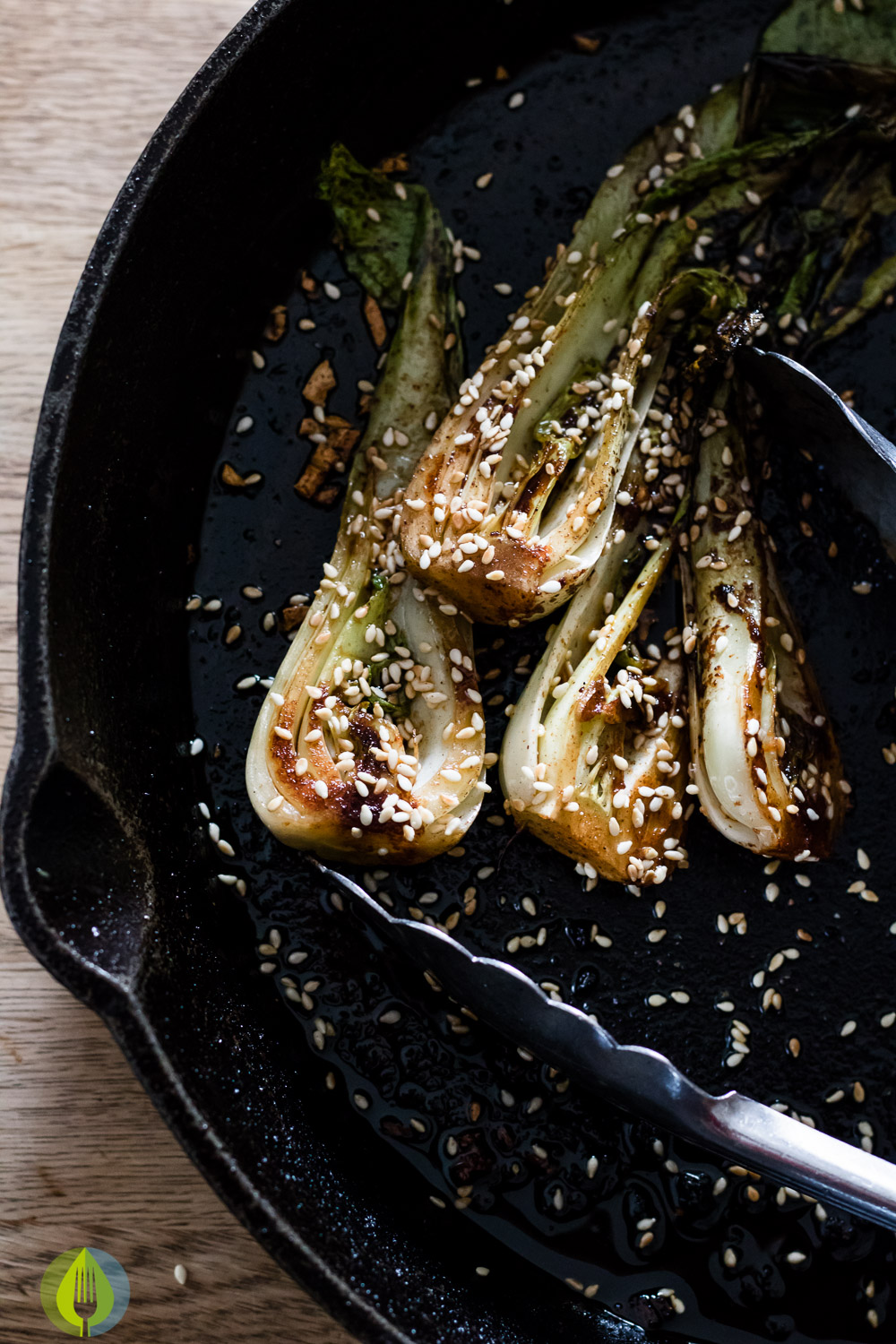
Feel free to toss in baby bok choy, shredded carrots, or frozen peas for extra color and fiber. Want more heat? Sprinkle a pinch of gochu garu (Korean chili flakes) or double the gochujang. The recipe is a playground. For a step‑by‑step guide, see our gochujang sauce recipe.
Cooking Step‑by‑Step
1. Prep Chicken & Sauce
Cut the chicken into bite‑size pieces. In a bowl, whisk together gochujang, peanut butter, soy sauce, honey, sesame oil, garlic, and ginger. The sauce should look glossy and slightly thick—don’t worry if it clumps; the heat will melt it.
2. Cook Noodles
Bring a pot of water to a rolling boil, add the noodles, and stir for 2‑3 minutes until just al dente. Drain, reserving half a cup of the starchy cooking water. This water is liquid gold for adjusting sauce consistency later.
3. Sear the Chicken
Heat a splash of oil over medium‑high heat. Add the chicken pieces in a single layer and let them sit for a minute to develop a golden crust. Flip and cook another 3‑4 minutes until no longer pink. The sear adds a nutty depth that mimics a wok‑fried feel.
4. Combine & Toss
Return the noodles to the pan, pour the sauce over everything, and add a tablespoon of the reserved noodle water. Toss vigorously for 1‑2 minutes—watch the sauce coat each strand like a velvety blanket. If the mixture looks dry, drizzle in a bit more water; if its too soupy, let it reduce for another minute.
Finish with a sprinkle of chopped green onions, cilantro, and toasted sesame seeds. Serve hot, and let the aromas do the talking.
Pro Tips & Fixes
Perfect Sauce Consistency
If the sauce thickens too much, stir in extra broth or noodle water, a tablespoon at a time. For a thinner sauce, a splash of low‑sodium chicken broth works wonders. Conversely, if its watery, whisk a quick slurry of ½ tsp cornstarch and cold water, then stir it in; the sauce will thicken in seconds.
Managing Spice Levels
Find the heat a bit overwhelming? Balance it with a drizzle of coconut milk, an extra teaspoon of honey, or a spoonful more peanut butter. The creaminess will mellow the fire without dulling the flavor.
Avoiding Soggy Noodles
Overcooking noodles or not rinsing them quickly can release excess starch, turning your dish mushy. Drain immediately, give them a brief cold‑water rinse, then toss them straight into the sauce. This keeps the texture firm and the sauce light.
Ingredient Inspiration
If you’re craving a different flavor profile, try a sesame ginger chicken cheesecake factory style stir‑fry alongside your noodles for a fresh twist.
Nutrition & Balance
| Nutrient | Per Serving (approx.) |
|---|---|
| Calories | 420kcal |
| Protein | 28g |
| Carbohydrates | 45g |
| Fat | 12g |
| Sodium | 620mg (adjustable) |
Gochujang brings capsaicin, which may boost metabolism, while chicken supplies lean protein and B‑vitamins. The sesame oil adds heart‑healthy monounsaturated fats. If you’re watching sodium, simply halve the soy sauce or swap it for a low‑sodium tamari.
On the flip side, the dish does contain moderate carbs from the noodles and a bit of natural sugar from the honey. If you need a lower‑carb version, switch to shirataki noodles or spiralized zucchini—the sauce clings just as well.
Serving & Storage
Plating Like a Bistro
Place the noodles in a shallow bowl, nestle the chicken on top, drizzle any leftover sauce, and finish with the fresh garnishes. The contrast of hot, glossy noodles with cool, fragrant herbs feels like a mini celebration in every bite.
Meal‑Prep Friendly
Divide the sauce into airtight jars, and store cooked noodles and chicken in separate containers. When you’re ready to eat, reheat the chicken, toss the noodles in the sauce, and you’ve got a fresh‑tasting meal in under five minutes.
Side Pairings
A crisp cucumber kimchi or a simple seaweed salad keeps the palate bright. If you enjoy a drink, a chilled barley tea (bori‑ssam) or a light lager balances the spice without overwhelming the senses.
Wrap‑Up Thoughts
This gochujang noodles chicken recipe is a win‑win: you get the restaurant‑style flavor, complete control over ingredients, and a dish that’s ready quicker than ordering delivery. Remember to taste as you go—adjust the heat, sweetness, and salt to fit your personal palate.
Give it a try tonight and see how the sauce transforms ordinary noodles into a shining star of Korean comfort food. Got a twist you love—maybe a veggie‑only version or a splash of lime? Share it with friends, and let’s keep the conversation cooking. Happy eating!
FAQs
How can I make the dish less spicy?
Reduce the gochujang to 1 Tbsp, add an extra teaspoon of honey or a drizzle of coconut milk, and stir in a splash of low‑sodium broth to mellow the heat.
Can I use gluten‑free noodles?
Absolutely—swap the ramen‑type noodles for rice noodles, shirataki noodles, or any gluten‑free pasta. Cook them al dente and follow the same sauce‑tossing steps.
What’s the best way to store leftovers?
Separate the sauce, noodles, and chicken into airtight containers. Refrigerate for up to 3 days; reheat the chicken, then toss the noodles with the warmed sauce.
Is there a vegetarian alternative to the chicken?
Use firm tofu, tempeh, or chopped seitan in place of the chicken. Marinate them briefly in a bit of soy sauce for extra flavor before searing.
How do I prevent the noodles from getting soggy?
Cook noodles just to al dente, drain, and rinse briefly with cold water to stop cooking. Add them to the pan only after the sauce is ready and toss quickly.