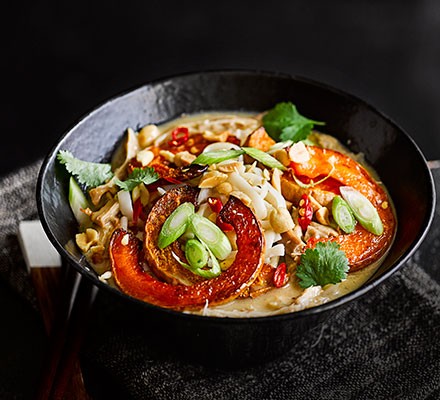
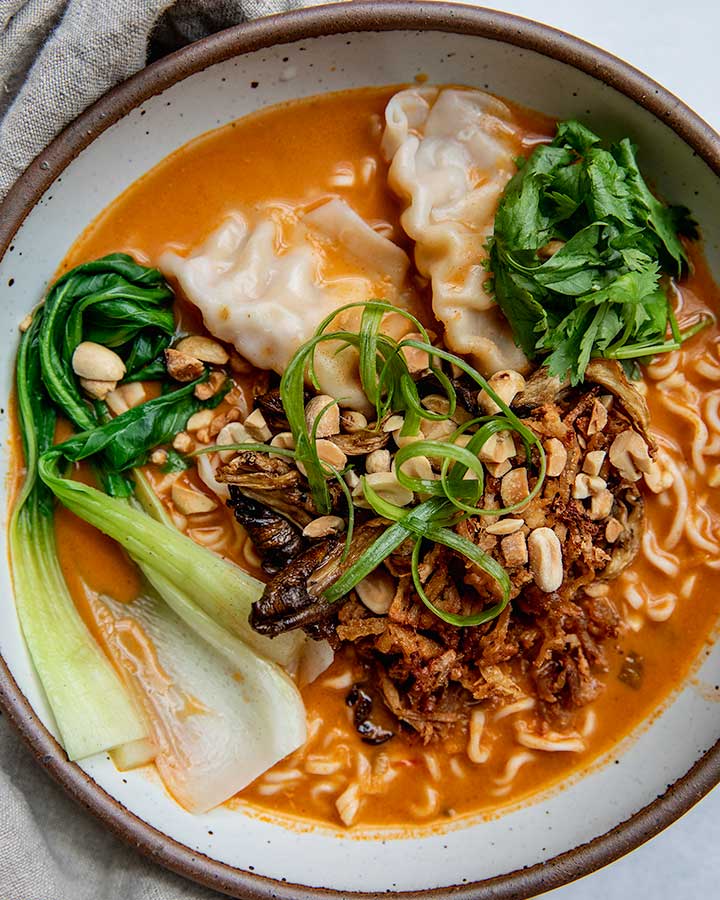
Ever wonder how to get that fiery Korean kick without sacrificing the velvety smoothness of a classic comfort dish? Youre in the right place. In the next few minutes well walk through a creamy gochujang noodles recipe thats ready in under half an hour, plus a handful of swaps for vegans, meatlovers, and noodleenthusiasts alike. Grab a pot, stay curious, and lets make dinner exciting again.
Why It Works
At first glance, gochujang and cream feel like an unlikely pairones a fermented red pepper paste bursting with umami, the other a silky dairy or plant base. The magic happens when the two meet at the right temperature and ratio. The pastes natural sugars and acids tame the richness of the cream, while the fat in the cream captures the chilis flavor oils, creating an emulsion that coats every strand of noodle.
From a health perspective, this combo delivers a little bit of everything: probiotics from the fermented gochujang, a dose of calcium or healthy fats from the cream, and a solid carbohydrate base from the noodles. That said, the sauce can be sodiumheavy, so its worth balancing the dish with fresh veggies or a light side soup.
Classic Creamy Recipe
Heres the nofrills version that works with whatever noodle you have on handudon, ramen, rice noodles, or even spaghetti. The steps are straightforward, but Ill sprinkle in a few pro tips that keep the sauce from splitting and the flavors from getting flat.
Ingredients
- 250g (aboutlb) of your favorite noodles (udon works beautifully)
- 2tbsp gochujang paste (adjust to your spice tolerance)
- cup heavy cream, coconutmilk, or silken tofu for a vegan version
- 1tbsp unsalted butter or vegan butter
- 2cloves garlic, minced
- 1tsp sesame oil
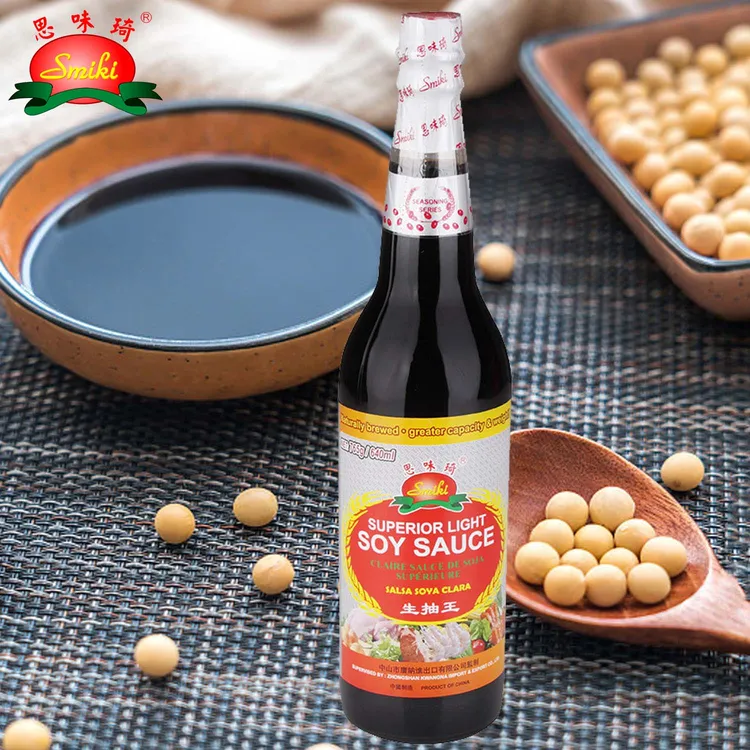
- 1tbsp soy sauce (lowsodium if youre watching salt)
- 1tsp rice vinegar or a splash of lemon juice
- 1tbsp honey or maple syrup
- cup reserved noodle cooking water
- Toasted sesame seeds and sliced green onions for garnish
StepbyStep
- Cook the noodles according to package directions until aldente. Drain, reserving cup of the starchy cooking water, then set aside.
- In a large skillet over mediumlow heat, melt the butter. Add the minced garlic and saut for 30secondsjust until fragrant.
- Stir in the gochujang, then pour in the cream (or coconutmilk). Lower the heat and whisk continuously; this prevents the sauce from separating.
- Mix in soy sauce, rice vinegar, and honey. Taste and adjust: a pinch more honey if you like it sweeter, or a splash more vinegar for extra brightness.
- Gradually add the reserved noodle water, a tablespoon at a time, until the sauce reaches a glossy, coatthenoodle consistency.
- Toss the cooked noodles into the sauce, ensuring every strand is wellwrapped. Finish with a drizzle of sesame oil, a sprinkle of sesame seeds, and green onions.
Pro Tips
- Low heat is key. High temperatures can cause the cream to curdle.
- Use pasta water. The starch helps bind the sauce, giving it that restaurantstyle sheen.
- Add miso. A teaspoon of white miso deepens the umami without overpowering the gochujang (see the study by the Korean Food Promotion Institute for more on fermentation benefits).
Vegan Creamy Option
If dairy isnt your jam, swap the heavy cream for an equal amount of silken tofu blended smooth, or for fullon coconutcream if you love that tropical hint. The tofu gives a protein boost while staying neutral enough to let the gochujang shine.
For added texture, stir in a handful of roasted cauliflower florets or snap peas during the final toss. The veggies not only brighten the plate but also offset the richness of the sauce.
ProteinPacked Variations
Sometimes you need a bigger bite after a long day at the office. Here are two crowdpleasers that keep the creamy gochujang base but add a hearty protein element.
Creamy Gochujang Chicken Noodles
Shred a rotisserie chicken (or saut bitesize pieces of breast) and fold them in at step5. The chicken absorbs the sauce, becoming tender and flavorful. Sprinkle some toasted almonds for crunch.
Creamy Gochujang Udon with Bacon
Render 4 strips of thickcut bacon until crispy, set aside, and keep a spoonful of the rendered fat in the pan. Use that fat instead of butter for an extra smoky depth. Crumble the bacon on top just before serving for that perfect saltysweet contrast.
Noodle Swap Guide
Not a fan of udon? No problem. The sauce is versatile enough to coat a variety of noodles. Below is a quick reference to help you choose the best match for the texture you crave.
| Base Noodle | Cooking Time | Best Fit Flavor | Suggested Dish |
|---|---|---|---|
| Udon (thick) | 810min | Rich, creamy | Creamy gochujang udon |
| Rice Noodles (thin) | 35min | Light, spicy | Gochujang rice noodles |
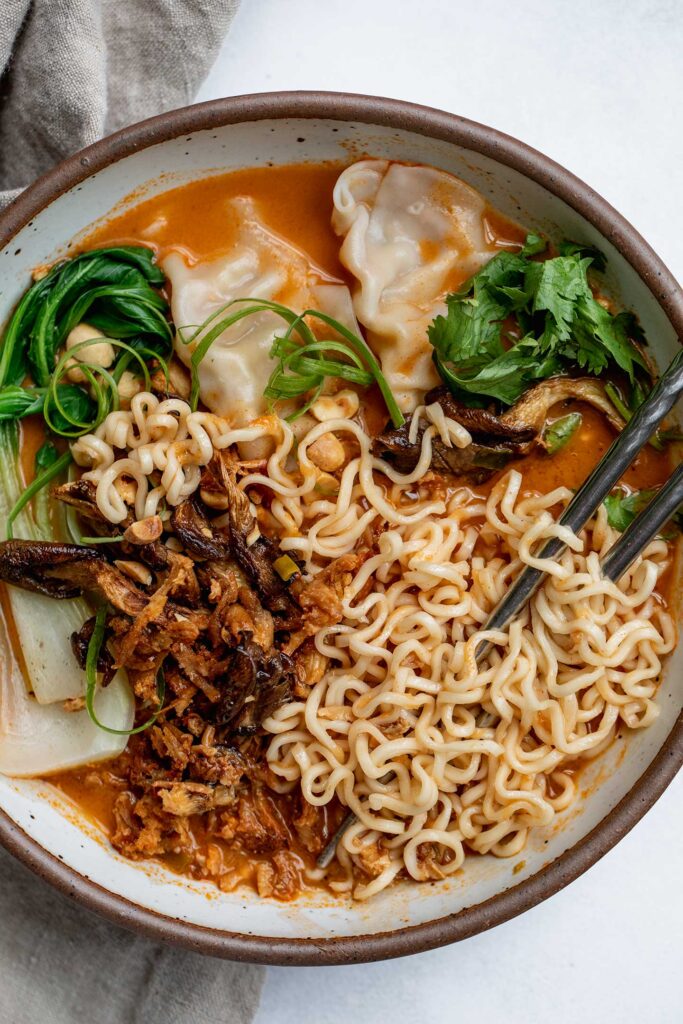
| Ramen (wavy) | 46min | Balanced | Creamy gochujang ramen |
| Spaghetti (plain) | 911min | Fusion | Everyday pantry |
Pick a noodle based on the texture youre cravingchewy udon for comfort, delicate rice noodles for a lighter feel, or even spaghetti for a Western twist.
Sauce Science Explained
Understanding the chemistry behind the sauce can make you feel like a kitchen wizard. Gochujang is a fermented blend of red chili flakes, glutinous rice, fermented soybean powder, and salt. The fermentation creates lactobacillus cultures that contribute subtle tang and probiotic benefits.
When you introduce cream (or a plantbased analogue), the fat molecules surround the flavorbearing compounds in the gochujang, preventing them from evaporating or sticking to the pan. Adding a dab of acidvinegar or lemon juicebreaks surface tension, keeping the emulsion stable. Thats why the sauce stays glossy and doesnt turn watery.
For those who love data, the USDAs nutrient database reports that a tablespoon of gochujang delivers roughly 30mg of sodium and 2g of protein. Balance it with lowsodium noodles and plenty of vegetables to keep the overall meal hearthealthy.
Avoid Common Mistakes
Even seasoned cooks slip up sometimes. Here are the pitfalls Ive seen on social media and how to sidestep them.
- Overheating the sauce. Once the cream is added, keep the flame low. A rapid boil will separate the fat.
- Skipping the pasta water. Without that starch, the sauce can slide right off the noodles.
- Oversalting. Gochujang already carries a salty punch. Taste before you add the soy sauce.
- Undercooked noodles. Aldente texture holds the sauce better and provides the right bite.
My own aha moment came when I accidentally boiled the sauce for a full minute; the result was a grainy, greasy coating. Since then, Ive learned to keep the heat gentle and stir constantly.
Wrapping Up Thoughts
There you have ita fullfeatured guide to creamy gochujang noodles that can be as light or as indulgent as you need. Whether youre whipping up a vegan bowl, adding crisp bacon, or simply savoring the classic udon version, the core principles remain the same: respect the balance of heat, fat, and acidity, and let the noodles do the heavy lifting.
Give the classic recipe a try tonight, then experiment with the variations. Maybe youll discover that a dash of miso turns the sauce into a comforting umami hug, or that roasted cauliflower adds the perfect crunch. Whatever path you choose, youll end up with a dish that feels both adventurous and familiara true comfort food with a kick.
Whats your favorite noodle base, and how would you personalize the sauce? Feel free to share your twists, and happy cooking!
FAQs
Can I use a different type of noodles for this recipe?
Absolutely! The sauce clings well to thick udon, smooth ramen, delicate rice noodles, or even spaghetti. Just adjust cooking times to keep the noodles al‑dente.
How can I make the sauce dairy‑free?
Swap the heavy cream for coconut cream, silken tofu blended smooth, or a cashew‑based cream. These alternatives keep the richness while staying plant‑based.
What level of spiciness does gochujang provide?
Gochujang offers a moderate heat with a sweet‑umami backbone. Adjust the heat by using 1–2 tbsp for mild, or up to 3 tbsp plus a pinch of chili flakes for extra kick.
Is it possible to reduce the sodium in the dish?
Yes. Use low‑sodium soy sauce, rinse the noodles briefly after cooking, and limit added salt. Adding fresh veggies or a squeeze of lemon also balances the flavor.
Can I prepare the noodles ahead of time and reheat?
You can cook the noodles ahead, toss them with a little oil, and store them in the fridge. Reheat gently in the sauce; add a splash of reserved cooking water to revive the coating.