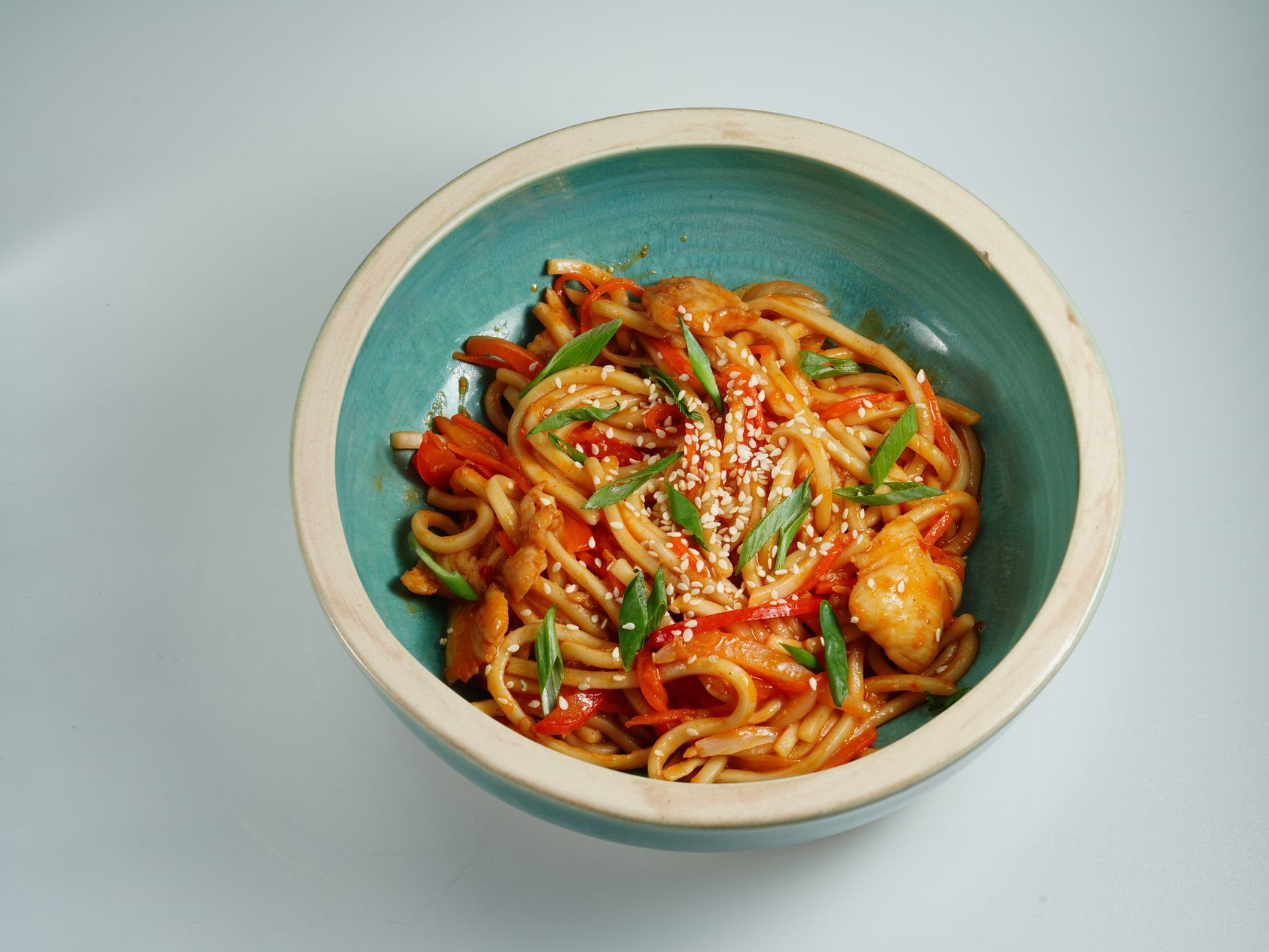
Looking for a dinner that packs a punch, satisfies a craving for noodles, and still feels like a warm hug on a busy weeknight? Youve just found it. In under 30 minutes you can whip up tender chicken, chewy noodles, and a glossy gochujangkissed sauce thatll make your taste buds do a happy dance.
Ingredients List
Core Ingredients (Classic Korean Chicken Noodles)
Heres what youll need for the baseline version. All of these are easy to find at a regular grocery store or an Asian market.
- lb chicken breast or thighs, cut into bitesize strips
- 2 packs of wheat ramen or thick wheat noodles
- 12tablespoons gochujang (Korean fermented chili paste)
- 2tablespoons soy sauce (lowsodium if you prefer)
- 1tablespoon sesame oil
- 1tablespoon honey or brown sugar
- 2cloves garlic, minced
- cup chicken broth or water
- 2green onions, sliced for garnish
- 1teaspoon toasted sesame seeds (optional)
Optional Boosters & Variations (For a Korean Spicy Chicken Noodles Recipe)
If you love turning up the heat or adding texture, toss in any of these:
- 1teaspoon gochugaru (Korean red pepper flakes) for extra spice
- cup sliced bell peppers or carrots for crunch
- 2tablespoons peanut butter or tahini for a creamy twist
- A splash of chili oil for a glossy finish
- Broccoli florets, snap peas, or mushrooms for extra veg
Ingredient Substitution Table
| Pantry Item | Korean Substitute | Flavor Impact |
|---|---|---|
| Soy sauce | Tamari (glutenfree) | Same salty umami, glutenfree |
| Ramen noodles | Rice vermicelli | Lighter texture, quicker cook |
| Gochujang | Sriracha + miso paste | Similar heat, slightly different depth |
StepbyStep Method
1. Marinate the Chicken
Mix gochujang, soy sauce, honey, minced garlic, and sesame oil in a bowl. Toss the chicken strips through this mixture and let them sit for at least 10minutes. If you have an hour, the flavor will get even deepertrust me, the extra patience shows up in the final bite.
2. Prep the Noodles
Bring a pot of water to a rolling boil, add the ramen, and cook for one minute less than the package suggests. This gives you that perfect aldente bite that won't turn mushy when it meets the sauce later. Drain and set aside.
3. Cook the Chicken
Heat a large skillet over mediumhigh heat. Add a drizzle of sesame oil, then spread the marinated chicken in a single layer. Let it sear without moving for 2minutesthis creates a caramelized crust that locks in moisture. Flip and cook another 2minutes until the chicken is just about done.
4. Build the Sauce
Lower the heat to medium and pour in the remaining marinade, plus cup chicken broth (or water). Stir, bring to a gentle simmer, and watch the sauce thicken. If you prefer a glossier finish, whisk in a teaspoon of cornstarch slurry (1tsp cornstarch + 1Tbsp water) and let it bubble for 30seconds.
5. Toss Everything Together
Add the cooked noodles straight into the pan. Use tongs to coat every strand with that glossy gochujang sauce. Finish with a final drizzle of sesame oil, sprinkle toasted sesame seeds, and scatter sliced green onions. Serve hot, and feel free to add an extra dollop of gochujang if you like it spicy.
QuickShot Checklist (Great for a howto video)
1 Marinate 2 Sear chicken 3 Simmer sauce 4 Toss noodles 5 Garnish & enjoy.
Recipe Variations
Korean Chicken Noodles Soup
Swap the cup water for 2cups chicken broth, add a handful of sliced mushrooms, and finish with a softboiled egg. The broth becomes a comforting veil that turns the dish into a warming bowlperfect for chilly evenings.
Gochujang Chicken Noodles with Peanut Butter
Stir 12tablespoons creamy peanut butter into the sauce right before you add the noodles. The nutty richness balances the heat of the gochujang, creating a flavor profile that feels both familiar and exciting.
Spicy Chicken Noodles Instant
Use precooked udon or instant ramen, toss with a readymade gochujang sauce packet, and microwave for 2minutes. This version is the ultimate Im starving, but I only have 5 minutes solution.
Variation Comparison Chart
| Feature | Classic | Soup | Instant |
|---|---|---|---|
| Prep Time | 20min | 30min | 5min |
| Heat Level | MediumSpicy | Medium | High |
| Equipment | 1 pan | 1 pot | Microwave |
| Best For | Weeknight dinner | Comfort bowl | Quick snack |
Nutrition Snapshot
Macronutrient Breakdown (Per Serving)
Calories: ~420kcal
Protein: ~30g
Carbohydrates: ~45g
Fat: ~12g (mostly from sesame oil and chicken)
Health Benefits of Key Ingredients
The star of the dish, gochujang, is a fermented chili paste that provides probiotics, which support gut health. Sesame oil brings antioxidantrich sesamol, known for its antiinflammatory properties. Together they create a meal thats both satisfying and nutritionally thoughtful.
Potential Pitfalls & How to Tame Them
- High sodium: Opt for lowsodium soy sauce or dilute the broth.
- Too spicy: Cut the gochujang in half, add extra honey, or finish with a splash of coconut milk.
- Noodles turning mushy: Undercook by one minute and rinse with cold water before tossing.
Tips & Troubleshooting
Common Mistakes & Fixes
Noodles absorb too much sauce: Reserve a few tablespoons of the cooking water and stir it into the pan at the end. This rehydrates the noodles while keeping the sauce glossy.
Sauce separates: End the cooking stage with a quick whisk of a cornstarch slurry; it emulsifies the oil and liquid beautifully.
Storage & Reheating
Store leftovers in an airtight container for up to three days in the refrigerator. When youre ready to eat, reheat in a skillet over medium heat with a splash of waterno microwave sogginess here.
Final Thoughts
There you have it: a complete Korean chicken noodles recipe that can morph from a quick stirfry to a soothing soup, from a pantryfriendly instant bowl to a gourmetlevel peanutbutter twist. The beauty of this dish is its flexibilitytweak the heat, swap the noodles, or add your favorite veggies, and youll always end up with a comforting, flavorpacked meal.
Why not give the classic version a go tonight? Grab your gochujang, fire up that skillet, and let the aromas fill your kitchen. If you experiment with any of the variations, Id love to hear how it turned outshare your twists, ask questions, or just let me know if you fell in love with the spicy sauce. Happy cooking!
FAQs
What is the best type of noodles for Korean chicken noodles?
Wheat ramen or thick wheat noodles work great for a chewy texture, but you can also use rice vermicelli for a lighter feel.
Can I make this recipe gluten‑free?
Yes—substitute the wheat noodles with rice noodles and use tamari instead of soy sauce for a gluten‑free version.
How spicy is the dish and can I adjust the heat?
The recipe is medium‑spicy from the gochujang. Reduce the amount of gochujang or add extra honey for milder heat, or toss in gochugaru for extra kick.
Is it possible to prepare the chicken ahead of time?
Absolutely. Marinate the chicken for up to 2 hours, then store it in the refrigerator. Cook it when you’re ready to serve.
How should leftovers be stored and reheated?
Keep leftovers in an airtight container in the fridge for up to 3 days. Reheat in a skillet with a splash of water to restore the sauce’s gloss.