Most people dont realize that a greattasting Koreanstyle chicken can be on your plate in under thirty minutes. All it takes is a handful of pantry staples, a little patience, and the right balance of sweet, salty, and spicy. This gochujang chicken marinade is that shortcut simple enough for a weekday dinner, bold enough for a weekend BBQ, and versatile enough for the airfryer, grill, oven, or skillet.
Below youll find the exact ratios, variations for each cooking method, and a few pro tips that keep the chicken juicy and the flavors perfectly balanced. Ready to taste the magic? Lets dive in.
Why It Works
Flavor chemistry
Gochujang is a fermented Korean chili paste made from red pepper, glutinous rice, soybeans, and salt. Its natural umami and subtle sweetness work like a flavor amplifier, breaking down proteins and allowing the chicken to soak up every nuance. When you add soy sauce (salt), a splash of acid like rice vinegar, and a bit of sugar or honey, you create a miniature chemical lab that tenderizes the meat while building layers of taste.
Health & nutrition snapshot
The base of this marinade is rich in antioxidants from the chili peppers and provides a modest amount of proteinboosting soy. If youre watching sodium, you can halve the soy sauce and boost the rice vinegar a touch. For a lowersugar version, swap honey for a pinch of stevia or an equal amount of maple syrup the sweetness will still mellow the heat without spiking the calorie count.
Expert sources
| Source | Insight |
|---|---|
| Simple Comfort Food | Original gochujangmarinated chicken recipe and ratio guide. |
| My Korean Kitchen | Breakdown of flavor chemistry and grilling tips. |
Simple Marinade Recipe
Ingredients
| Ingredient | Amount | Substitute |
|---|---|---|
| Gochujang paste | 2Tbsp | Gochujang sauce (thin) |
| Soy sauce | cup | Tamari (glutenfree) |
| Garlic, minced | 2cloves | Garlic powdertsp |
| Fresh ginger, grated | 1tsp | Ground gingertsp |
| Honey (or maple syrup) | 1Tbsp | Steviatsp + water |
| Rice vinegar | 1Tbsp | Apple cider vinegarTbsp |
| Sesame oil | 1tsp | Olive oiltsp |
| Black pepper | tsp | White pepper |
Stepbystep instructions
1. Mix it up. In a medium bowl combine gochujang, soy sauce, garlic, ginger, honey, rice vinegar, sesame oil, and black pepper. Whisk until the mixture is smooth it should look glossy and a little thick.
2. Dress the chicken. Pat 1lb of chicken (breasts, thighs, or drumsticks) dry with paper towels. Toss the pieces in the bowl, ensuring each piece is fully coated. If youre using thighs, give them a full 30minute sit; breasts only need 15 minutes.
3. Let it rest. Cover the bowl with plastic wrap and refrigerate. The magic happens after 15minutes the salt starts to penetrate, and the gochujang begins its tenderizing dance.
4. Cook your way. Choose a method below. No matter how you finish it, aim for an internal temperature of 165F (74C). Let the chicken rest 5 minutes before slicing so the juices redistribute.
Cooking Methods
AirFryer Edition
If youve got an airfryer, this is the quickest route to crispy, caramelized chicken without the extra oil. Preheat to 380F (193C). Lightly spray the basket, place the marinated chicken in a single layer, and cook for 12minutes (breast) or 15minutes (thigh), flipping halfway through. For that extra caramelized finish, crank the heat to 400F for the last 2minutes.
BBQ/Grill Version
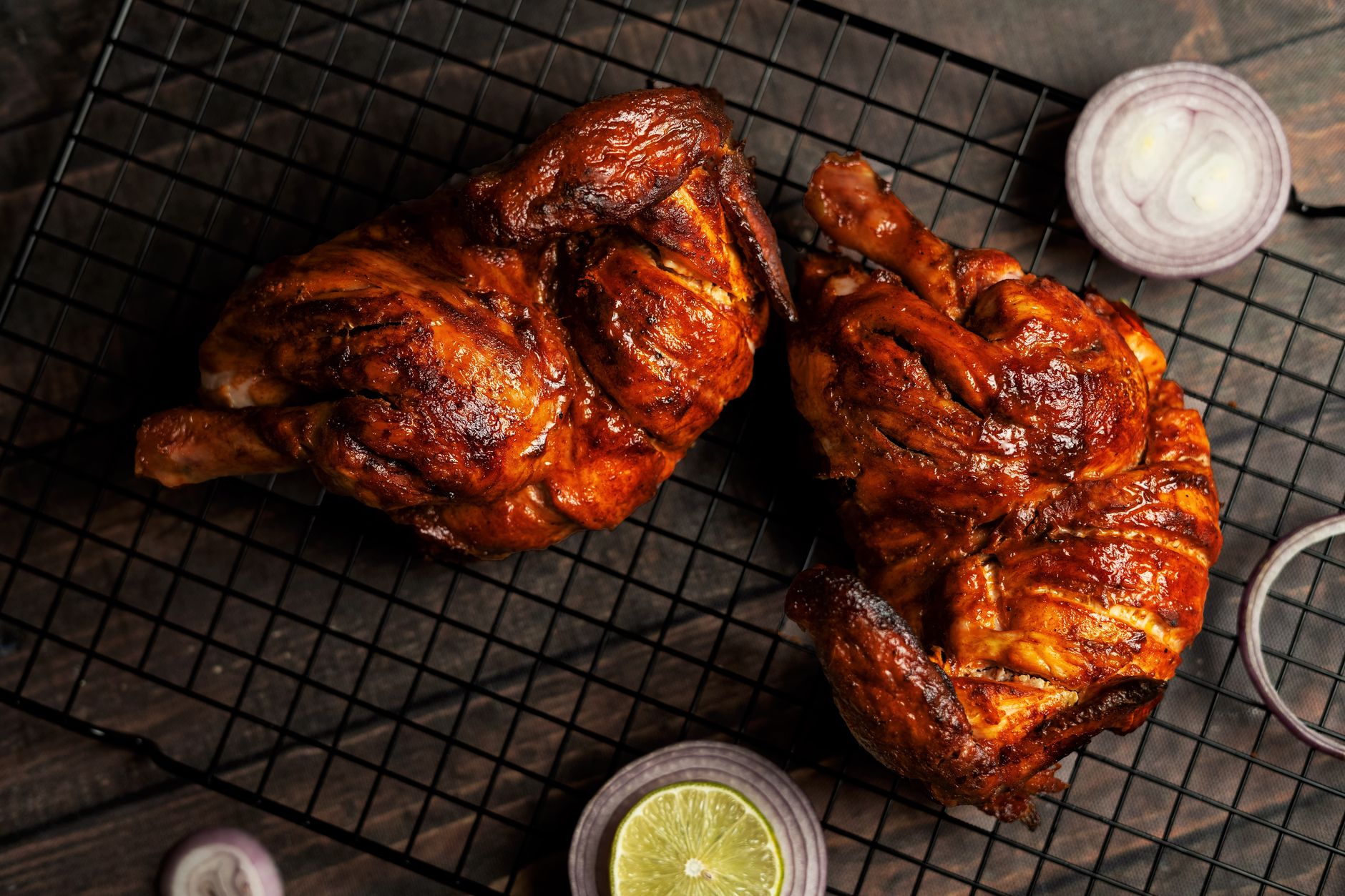
Grilling adds a smoky depth that pairs perfectly with the sweetspicy profile. Preheat the grill for indirect heat (mediumhigh). Oil the grates lightly, then place the chicken skinside down. Grill 68minutes per side, basting with leftover marinade every few minutes. Keep a spray bottle of water nearby if the honey starts to flare it tames the flames while preserving that gorgeous glaze.
OvenRoast & Skillet Options
For a classic, preheat your oven to 425F (218C). Spread the marinated chicken on a parchmentlined sheet and roast for 2025minutes, turning once. If you prefer stovetop, heat a large skillet over mediumhigh, add a splash of oil, and sear each side for 45minutes. Add a splash of water or broth, cover, and let the chicken finish cooking in the steam for a few minutes this keeps it tender.
RedditInspired Tweaks
On r/recipes, users swear by adding a pinch of gochugaru (Korean red pepper flakes) and an extra drizzle of honey for a shinier, stickier glaze. One popular comment suggested a quick finish: whisk together 1tsp cornstarch with 1Tbsp water, stir into the pan sauce, and simmer until glossy. It turns the glaze into a velvety coating that clings to every bite.
Bonus Meal Ideas
Side dish pairings
Give your gochujang chicken a full Koreaninspired plate. Try these easy companions:
- Kimchi fried rice: Leftover rice tossed with kimchi, a dash of sesame oil, and a sprinkling of green onions.
- Sesamecucumber salad: Thinly sliced cucumber, rice vinegar, a drizzle of sesame oil, and toasted sesame seeds.
- Steamed broccoli: Lightly salted, finished with a squeeze of lemon to cut the heat.
Drink suggestions
A crisp, slightly sweet brew pairs beautifully with the spice. Light lagers, sparkling sake, or a mildly sweet makgeolli keep the palate refreshed without overwhelming the flavors.
Nutritional snapshot
One serving (about 180g of cooked chicken) delivers roughly 350kcal, 30g of protein, 12g of carbs, and 15g of fat. Adjust the honey or swap it for a zerocalorie sweetener if youre counting calories, and the macro profile stays friendly.
Common Mistakes & Fixes
Overmarinating = mushy
Because the marinade is acidic, leaving chicken in it for more than 2hours can break down the fibers too much, resulting in a mushy texture. Stick to 1530minutes for breasts, up to 1hour for thighs, and youll get that perfect bite.
Not enough heat = bland
If after cooking the flavor feels muted, a quick splash of extra gochujang or a pinch of sriracha right before serving revives the punch. Remember, a little heat goes a long way.
Burning the glaze
High sugar content can char quickly, especially over direct flame. If you notice the glaze darkening too fast, lower the heat, drizzle a bit of water onto the pan, and keep turning the chicken. This technique prevents bitterness while preserving that sweetspicy sheen.
Sources & Further Reading
To dive deeper into the science behind gochujang and explore more recipe variations, check out the following trustworthy sites:
- Simple Comfort Food detailed recipe and ratio guide.
- My Korean Kitchen grilling tips and flavor breakdown.
- Reddits r/recipes community realworld tweaks and user photos.
- Food52 alternative gochujangyogurt marinades for a creamy twist.
- Blue Jean Chef Korean BBQ techniques for mastering smoky finishes.
Conclusion
There you have it a versatile gochujang chicken marinade thats as quick as it is delicious, adaptable to the airfryer, grill, oven, or skillet, and easy to tweak for lowsugar or Redditapproved upgrades. The secret is in that perfect balance of salty, sweet, and spicy, plus a few smart cooking tricks to keep the meat juicy.
Give the basic recipe a whirl tonight, then experiment with one of the variations. When youve nailed your favorite version, share what you tried wed love to hear how you made it your own. Happy cooking, and may every bite be bursting with flavor!
FAQs
What is the best ratio of gochujang to soy sauce in the marinade?
The base ratio works well at 2 Tbsp gochujang to 1 Tbsp soy sauce, giving a balanced sweet‑spicy flavor without overwhelming salt.
Can I use the marinade for other proteins?
Absolutely! The same blend works great on pork tenderloin, shrimp, or tofu—just adjust marinating time (30 min for pork, 15 min for shrimp, 20‑30 min for tofu).
How long should I marinate chicken for the best texture?
For breasts, 15 minutes is enough; for thighs or drumsticks, aim for 30 minutes up to 1 hour. Avoid exceeding 2 hours to prevent a mushy texture.
What cooking method gives the crispiest skin?
The air‑fryer at 380 °F for 12‑15 minutes (flipping halfway) produces a crisp, caramelized exterior with minimal oil.
How can I reduce the sodium without losing flavor?
Cut the soy sauce in half and increase the rice vinegar slightly. Adding a pinch of potassium‑rich sea salt at the end can also boost flavor.