Why Fried Rice with Peas and Carrots Recipe?
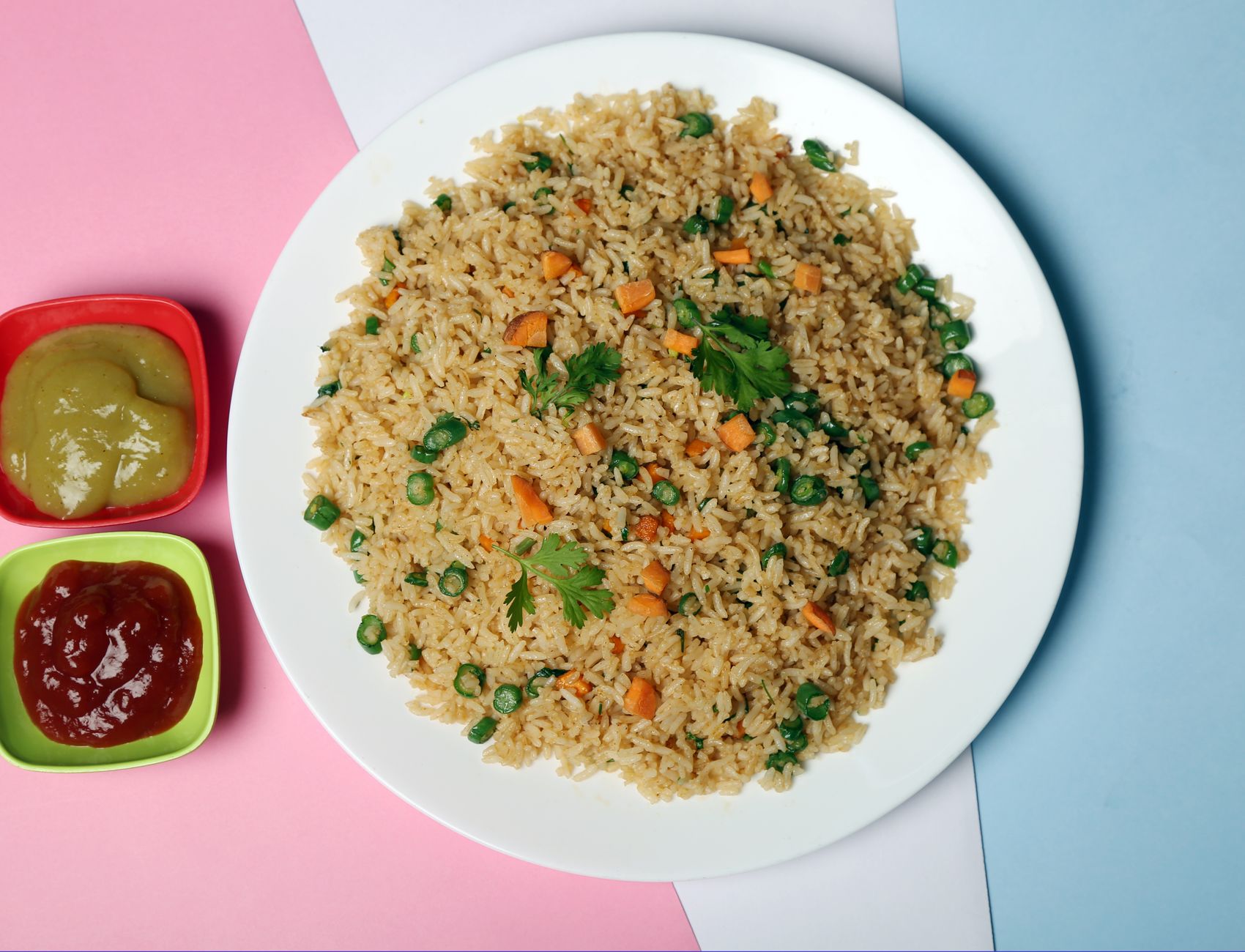
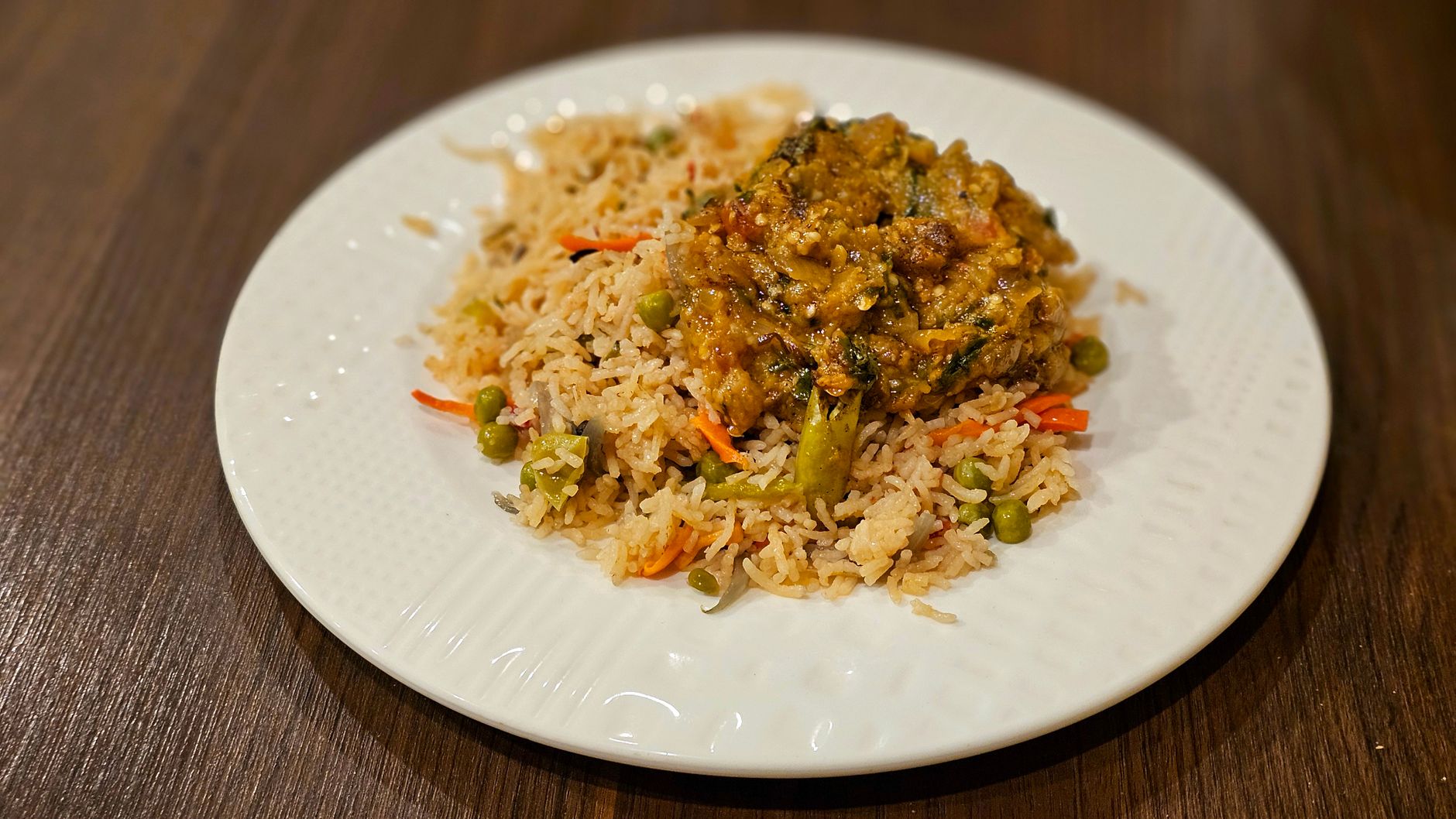
The moment that golden rice hits the hot wok, sizzling alongside bright orange carrots and tender green peas, your kitchen fills with a mouthwatering aroma. This Fried Rice with Peas and Carrots recipe combines simple, fresh ingredients to create a comforting dish that‘s both colorful and flavorful. Whether you crave a quick weeknight dinner or a satisfying side, this recipe delivers the perfect balance of textures and tastes. It’s a classic Asian-inspired meal that’s easy to prepare and versatile enough for any occasion.
Health Benefits & Nutrition
This Fried Rice with Peas and Carrots offers more than just great flavor—it’s a source of essential nutrients that support your health. Carrots provide beta-carotene, a powerful antioxidant that converts to vitamin A and supports vision and immunity, as detailed by the National Institutes of Health. Peas add plant-based protein and fiber, promoting digestive health and steady blood sugar levels, according to a study published in Nutrients (2020). The eggs contribute high-quality protein and essential amino acids for muscle repair. Using sesame oil introduces healthy fats and antioxidants, which can help reduce inflammation. Be mindful if you have allergies to soy or eggs. Also, this recipe contains moderate sodium, so adjust soy sauce quantity if managing blood pressure.
Ingredients & Preparation
Recipe Card
| Prep Time | Cook Time | Total Time | Servings | Calories per Serving | Diet Tags |
|---|---|---|---|---|---|
| 10 minutes | 30 minutes | 40 minutes | 4 to 6 | 352 kcal | Gluten-Free Option (with tamari), Vegetarian Option available |
Full Ingredient List
- 2 cups long-grain white rice, rinsed
- 4 cups cold water
- 1-inch piece fresh ginger, peeled and sliced
- 1 tablespoon kosher salt
- 3 tablespoons sesame oil
- 4 scallions, thinly sliced
- 1-inch fresh ginger, finely chopped
- 2 cloves garlic, chopped
- 1/2 cup frozen peas, thawed
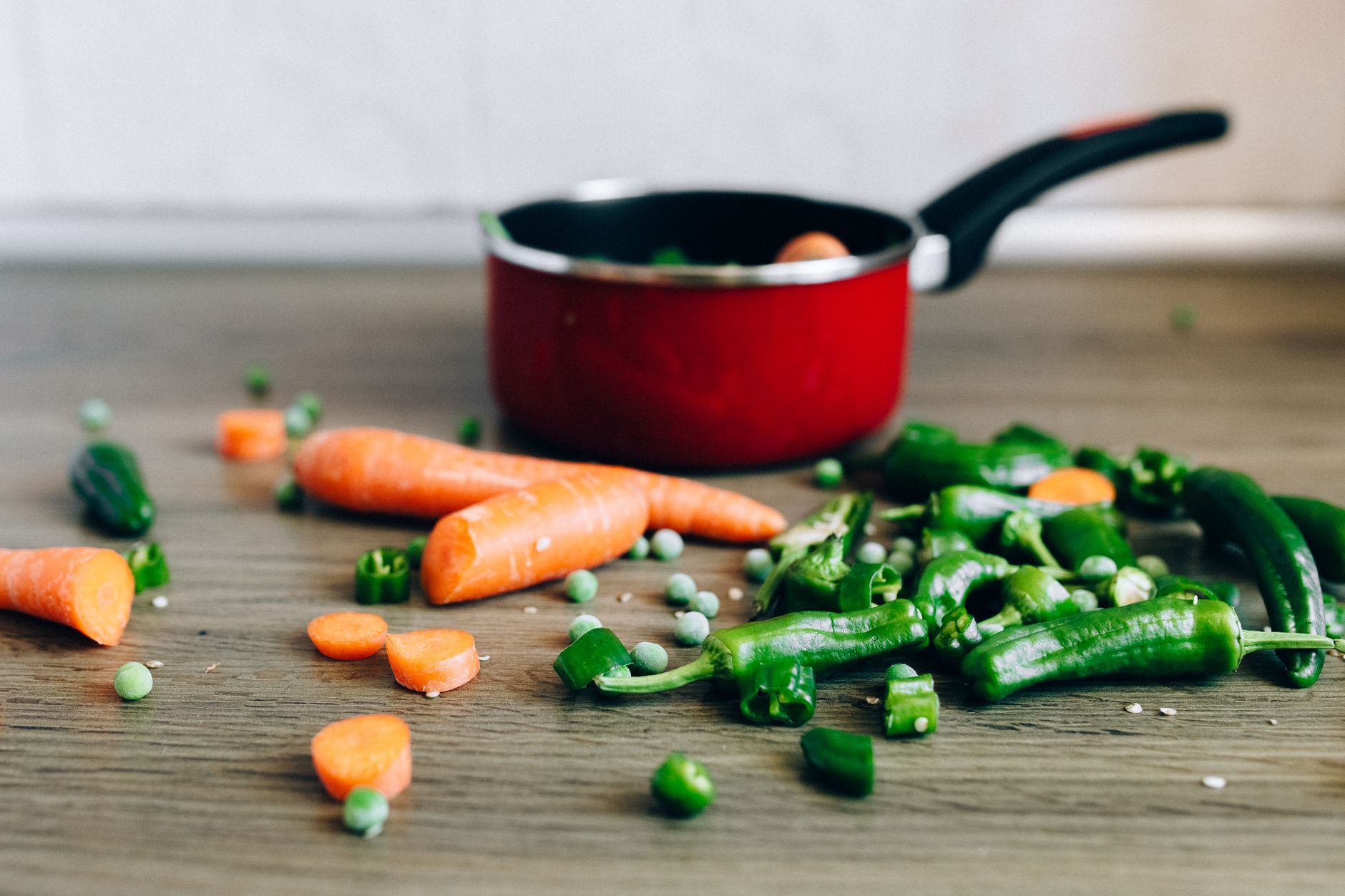
- 1 carrot, finely diced
- 2 large eggs, lightly beaten
- 3 tablespoons low-sodium soy sauce (or tamari for gluten-free)
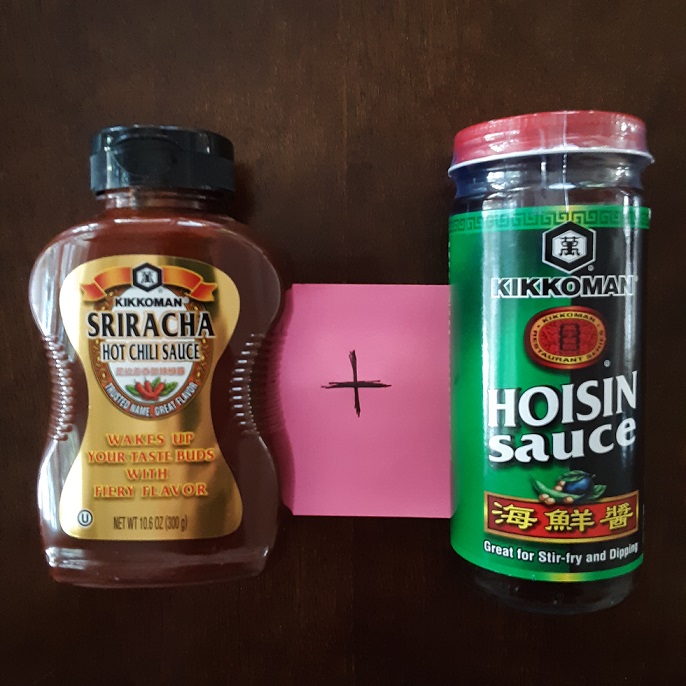
- 1 tablespoon hoisin sauce
- Kosher salt, to taste
- Fresh cilantro leaves for garnish
Equipment Needed
- Medium pot with tight-fitting lid
- Wok or large nonstick skillet
- Knife and cutting board
- Wooden spoon or spatula
- Small bowl for eggs
Tips for Choosing Quality Ingredients
- Choose long-grain white rice for a fluffy, non-sticky texture.
- Fresh ginger should be firm with smooth skin; younger ginger is milder.
- Select firm carrots with bright color; smaller carrots tend to be sweeter.
- Use frozen peas that are bright green and not clumped; thaw properly before use.
- Utilize fresh scallions—avoid limp or yellowing stalks.
- Opt for naturally brewed soy sauce for richer, authentic flavor.
Step-by-Step Instructions
Step 1: Cook the Rice (15-20 minutes)
Combine 2 cups of rinsed long-grain rice, 4 cups cold water, sliced ginger, and 1 tablespoon kosher salt in a medium pot. Bring to a boil over high heat, then reduce to low and cover tightly. Let the rice simmer gently for 15 to 20 minutes until fully cooked and water absorbed. Remove from heat and let it rest, covered, for 10 minutes.
Step 2: Prep the Stir-Fry Base (3 minutes)
Heat a wok or large nonstick skillet over medium-high heat until hot. Add 3 tablespoons sesame oil and swirl to coat. Toss in sliced scallions, finely chopped ginger, and garlic. Stir-fry for 1 minute until fragrant and sizzling.
Step 3: Cook Vegetables and Eggs (5 minutes)
Add thawed peas and finely diced carrots to the wok. Stir-fry for 2 minutes until the vegetables soften slightly but remain vibrant. Push the vegetables to the side, pour in the beaten eggs, and stir gently until they set into soft, creamy curds, about 2 to 3 minutes.
Step 4: Combine Rice and Sauces (2 minutes)
Remove the ginger slices from the cooked rice. Add the rice to the wok and break up any clumps with your spatula. Stir everything together, coating the rice evenly in sesame oil and veggies.
Step 5: Season and Finish (1 minute)
Pour in 3 tablespoons low-sodium soy sauce and 1 tablespoon hoisin sauce. Stir briskly to distribute the sauces, tasting for salt and adjusting with kosher salt if needed. Add fresh cilantro leaves just before serving for a pop of freshness.
Variations & Substitutions
- Protein Boost: Add diced cooked chicken, shrimp, or tofu for a heartier meal. For tofu, try the Gochujang tofu air fryer recipe to prep flavorful tofu before folding it in.
- Rice Options: Swap white rice for brown rice or cauliflower rice for a fiber-rich or low-carb alternative without losing texture.
- Flavor Changes: Replace hoisin sauce with oyster sauce or tamari to customize the umami depth. For a spicy kick, add chili garlic sauce or a dash of sriracha.
Storage & Shelf Life
Store leftover fried rice in an airtight container in the refrigerator for up to 3 days. To reheat, warm it in a skillet over medium heat until steaming to preserve the texture and flavor. You can freeze fried rice for up to 1 month—spread portions out in freezer-safe bags, remove excess air, and freeze flat.
Be cautious of any sour smell, mold, or slimy texture; these indicate spoilage. Always reheat thoroughly before consuming leftovers.
Pro Tips
- Cook rice a day ahead and refrigerate overnight; chilled rice fries better, yielding a crisp texture and less clumping.
- Use a hot wok or skillet to achieve that signature sizzle and to prevent the rice from steaming.
- Don’t overcrowd the pan; this allows even cooking and helps vegetables stay crisp.
- Add sauces gradually and taste frequently to avoid over-salting.
- Remove the ginger slices after cooking rice—they infuse subtle flavor without overpowering the dish.
When is the best time to eat Fried Rice With Peas And Carrots Recipe?
This fried rice recipe suits any mealtime—whether a speedy lunch, a comforting dinner, or a filling side dish. It’s especially great when you want a wholesome, easy-to-make meal that comes together quickly after a busy day.
Can I make this recipe vegetarian or vegan?
Yes. Simply omit the eggs or replace them with scrambled tofu for a vegan option. Use tamari instead of soy sauce if gluten sensitivity is a concern. Ensure your hoisin sauce is vegan, as some brands include honey.
How do I prevent the rice from getting mushy?
Use day-old rice that‘s been refrigerated, as it firms up the grains. When cooking, avoid stirring excessively, and keep the wok hot to quickly fry the ingredients while preserving texture.
Can I substitute other vegetables?
Definitely. Bell peppers, corn, edamame, or bean sprouts work well. Add sturdier veggies like carrots early and delicate ones like bean sprouts at the end to maintain their crispness.
Why does my fried rice stick to the pan?
Using enough hot oil and a properly heated pan reduces sticking. Nonstick skillets or well-seasoned woks help. Avoid overcrowding, which traps moisture and leads to sticking.
How salty is this dish, and can I reduce sodium content?
This recipe uses low-sodium soy sauce and a small amount of salt to control saltiness. You can further reduce sodium by lowering soy sauce quantities or using a soy sauce substitute. Taste and adjust before adding more seasoning.
What’s the best way to reheat leftover fried rice?
Reheat in a hot skillet over medium heat, stirring occasionally to evenly warm the rice. Adding a teaspoon of water or oil can prevent drying out. Microwaving is convenient but may cause uneven heat distribution.
More Recipes You Will Love
If you enjoy this Fried Rice with Peas and Carrots recipe, you’ll appreciate other flavorful Asian dishes. The Gochujang pork belly recipe offers a sweet and spicy pork delight perfect as a dinner centerpiece. For a plant-based twist, try the crispy Gochujang tofu air fryer recipe—its spicy glaze pairs well alongside rice dishes.
Both recipes bring rich umami and a satisfying depth of flavor, complementing your fried rice perfectly for a full Asian-inspired meal experience.
Conclusion
This Fried Rice with Peas and Carrots recipe delivers warm, comforting flavors with a balance of sweet carrots, tender peas, and fragrant ginger. With simple steps and fresh ingredients, you can easily recreate this classic dish at home. Enjoy experimenting with variations and share your experience by leaving a comment or rating. Your feedback helps others discover these tasty traditions!
FAQs
When is the best time to eat Fried Rice With Peas And Carrots Recipe?
This Fried Rice With Peas And Carrots Recipe is perfect for any time of day—great for lunch, dinner, or even as a hearty side dish during gatherings. It works especially well on busy weeknights when you want a quick, flavorful meal.
Can I use brown rice instead of white rice for this fried rice recipe?
Yes, you can substitute brown rice for a healthier, higher-fiber alternative. Just make sure the brown rice is fully cooked and cooled before stir-frying to get the best texture and to avoid sogginess.
Is this Fried Rice With Peas And Carrots Recipe suitable for vegetarians?
Absolutely! By omitting the eggs or substituting them with tofu or additional vegetables, this recipe can easily be made vegetarian. Using tamari instead of soy sauce keeps it gluten-free as well.
How can I make the fried rice less salty?
To reduce saltiness, use low-sodium soy sauce or tamari and limit added salt during cooking. Taste as you go, adjusting to your preference, especially if you are watching your sodium intake.
What is the best way to store leftover fried rice?
Store leftover fried rice in an airtight container in the refrigerator for up to 3 days. Reheat it in a wok or skillet over medium heat, adding a splash of water or oil to prevent drying out and to refresh the texture.