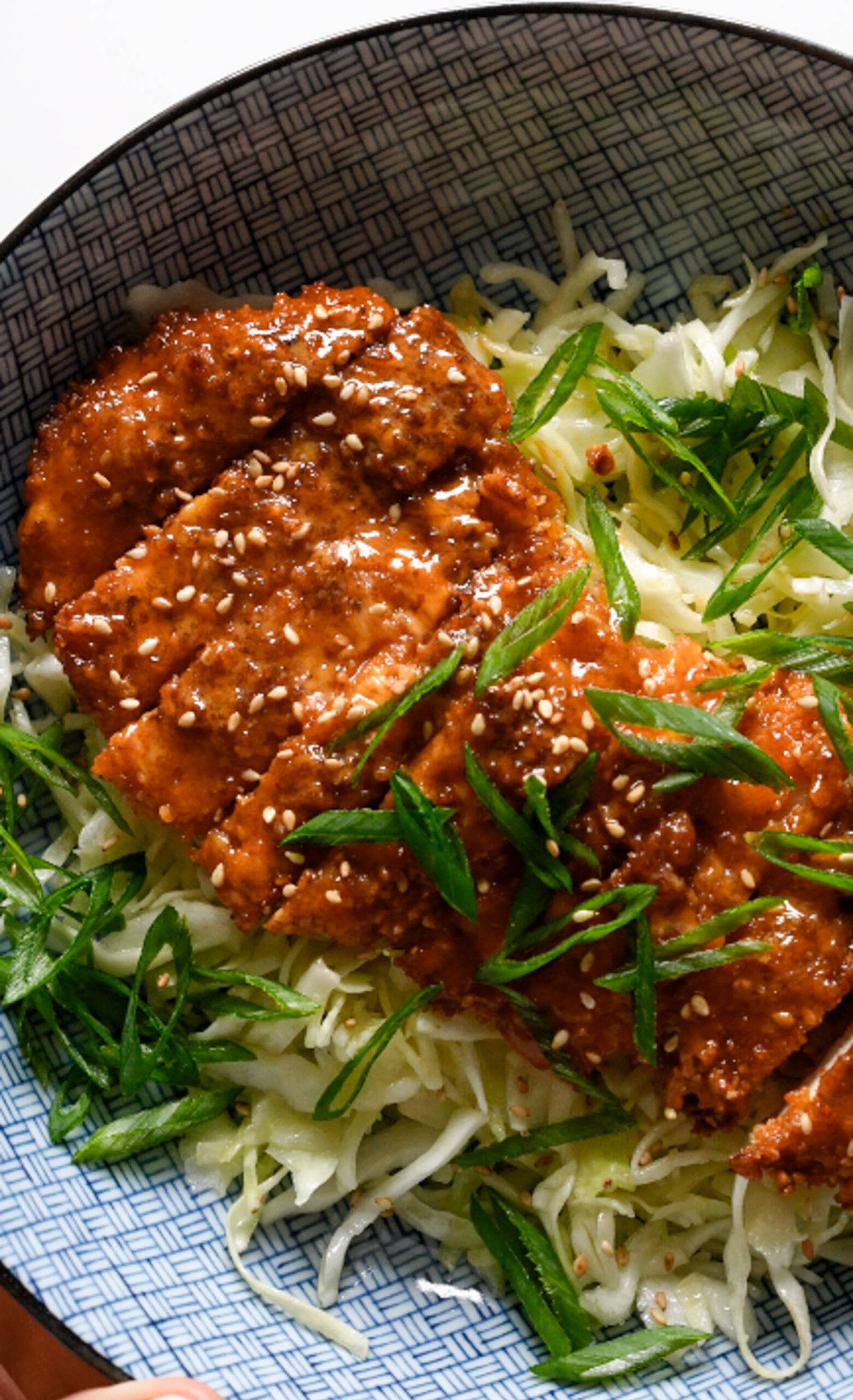
Looking for a dinner thats both exciting and doable in under 30 minutes? Youre about to discover how to make crispy gochujang chicken thats juicy on the inside, gloriously crunchy on the outside, and drenched in a sweetspicy sauce thatll have everyone reaching for seconds.
Ingredients & Tools
Before we dive in, gather everything youll need. Having the right ingredients and equipment at hand makes the whole process feel breezy, like youre just tossing a salad instead of wrestling a recipe.
Core Ingredients
- Chicken pieces thighs, breast, or tenders (thighs give the best flavor, but gochujang chicken breast works if youre after lean protein)
- Gochujang (Korean redpepper paste) cup
- Unsalted butter 3Tbsp
- Soy sauce 1Tbsp (lowsodium if youre watching salt)
- Rice vinegar 1Tbsp
- Honey or brown sugar 2Tbsp
- Garlic, minced 2cloves
- Fresh ginger, grated 1tsp
- Sesame oil 1tsp
- Sesame seeds & sliced green onions for garnish
Optional Boosters
- Baking soda (a pinch) helps velvet the chicken for extra tenderness
- Cornstarch & allpurpose flour cup cornstarch + cup flour for the coating
- Panko breadcrumbs if you love an even crunchier crust
Equipment Checklist
| Tool | Recommended Use | Tip |
|---|---|---|
| Air fryer | Crispy gochujang chicken air fryer method | 400F, 1215min, flip halfway for even crisp |
| Oven | Large batches, handsoff cooking | 425F on a wire rack; no steaming under the meat |
| Castiron skillet | Traditional panfry, superquick sear | Preheat oil to 350F; drain on paper towels |
| Baking sheet & parchment | Easy cleanup, prevents sticking | Lightly spray with oil for extra crunch |
Having these basics covered means you can focus on flavor, not frantic searching for wheres the whisk? later on.
StepbyStep Method
Now that everythings prepped, lets walk through the process. Ill break it into bitesized chunks so you can follow along without feeling lost.
1. Tenderize the Chicken
Start by patting the chicken pieces dry. If youre using thighs, leave the skin on for extra flavor; for breasts, trim any excess fat. Sprinkle a pinch of baking soda over the meat, toss, and let sit for 15minutes. Rinse quickly, pat dry again, and youll notice a subtle velvet texture that makes the coating stick better.
2. Build the Crispy Coating
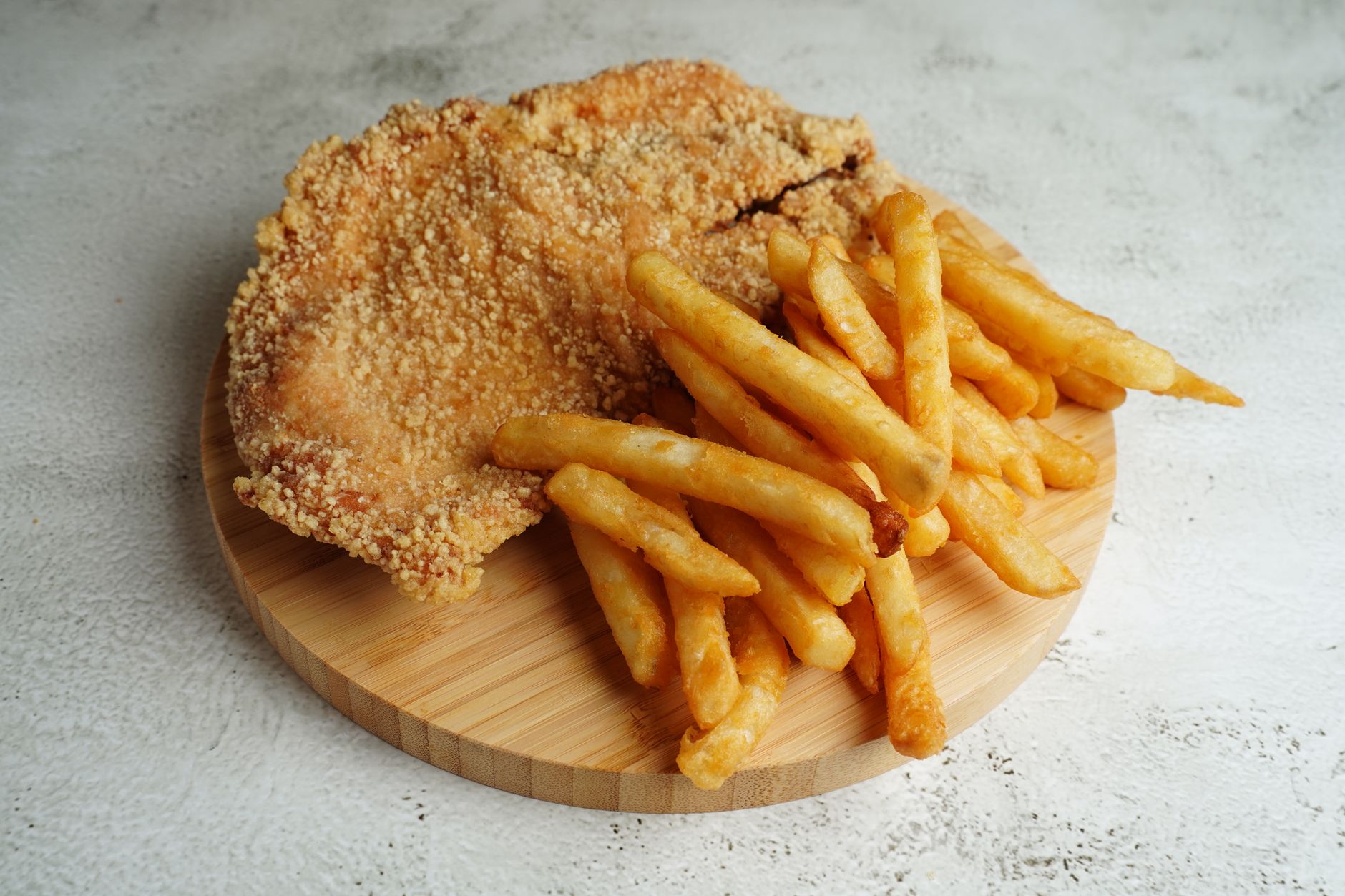
Mix the cornstarch and flour in a shallow dish, add a pinch of salt, pepper, and a dash of garlic powder if you like. Dip each piece in the dry mix, press lightly so it adheres, then set aside on a tray. For an extra crunch, roll the coated chicken in a handful of panko before chilling for 10minutes in the fridge.
3. Choose Your Cooking Method
Air Fryer: Preheat to 400F. Arrange the pieces in a single layer, spray lightly with oil, and cook 1215minutes, shaking the basket at the halfway point.
Oven: Place the chicken on a wire rack over a baking sheet. Roast at 425F for 2025minutes, turning once.
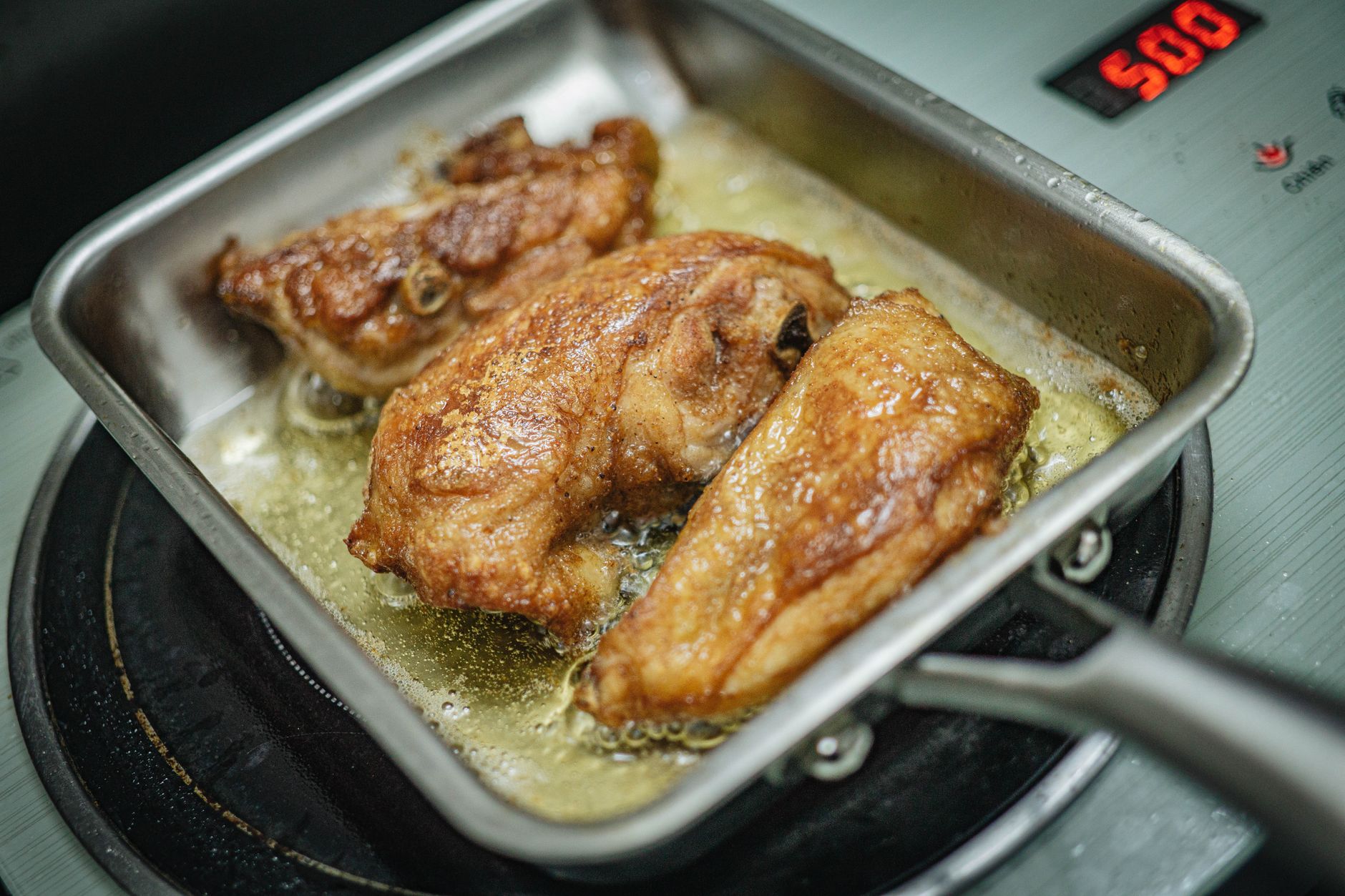
Skillet: Heat oil to 350F and fry each side for 45minutes until golden. Drain on paper towels.
Whichever route you take, the goal is a uniformly golden crust that stays crisp when you toss it in the sauce.
4. Whip Up the Gochujang Butter Sauce
In a small saucepan, melt the butter over medium heat. Add the minced garlic and grated ginger, saut for 30 seconds until fragrant. Stir in the gochujang, honey, brown sugar, soy sauce, rice vinegar, and sesame oil. Let the mixture simmer gently for 23minutes, stirring occasionally, until it thickens and glistens.
5. Coat and Garnish
When the chicken reaches an internal temperature of 165F, transfer it to a large bowl. Pour the hot gochujang butter sauce over the pieces and toss until every bite is glossy. Sprinkle with toasted sesame seeds and sliced green onions for a pop of color and crunch.
6. Serve & Enjoy
Plate the chicken alongside steamed rice for a classic gochujang chicken and rice combo, or pair it with a quick cucumber kimchi to balance the heat. The sauce is so versatile you can even drizzle it over a fresh salad later in the week.
Variations & Swaps
Lifes too short for the same recipe every night. Here are a few easy twists that let you customize the dish to your taste or pantry.
Protein Choices
- Thighs vs. Breast: Thighs stay juicy, while breast is leaner and cooks a bit faster.
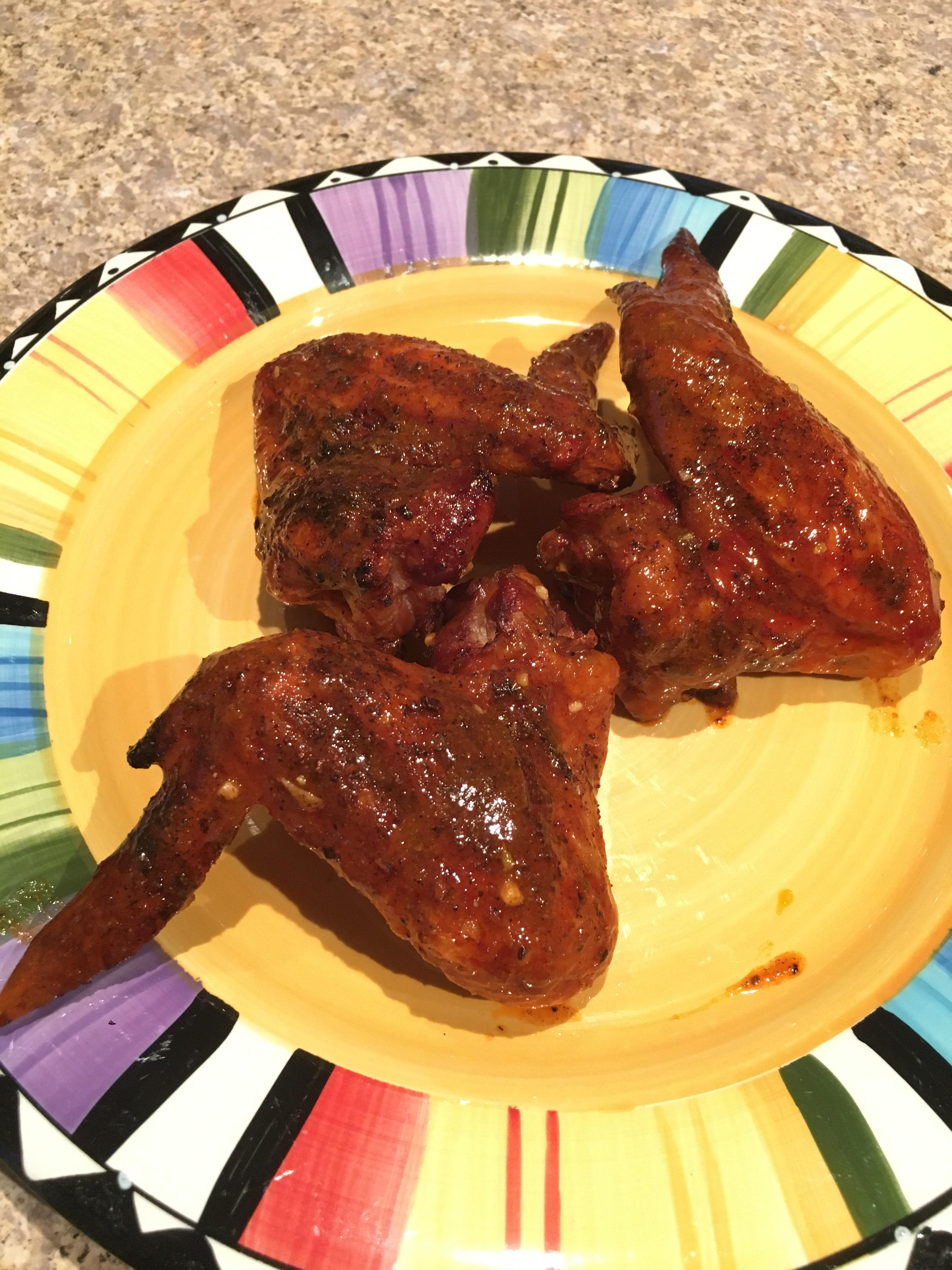
- Wings or Drumsticks: Increase cooking time by a few minutes; perfect for gameday snacking.
Flavor Tweaks
- Add a sprinkle of gochugaru (Korean chili flakes) for an extra kick.
- Swap honey for maple syrup for a richer, caramellike depth.
- Use miso paste in the sauce for an umami boost.
SideDish Pairings
| Side | Why It Works | Quick Prep |
|---|---|---|
| Steamed jasmine rice | Absorbs the sweetspicy sauce | 15min |
| Korean cucumber kimchi | Bright acidity cuts the richness | 10min |
| Pickled radish | Crunch and tang balance the glaze | 5min |
| Spicy sesame slaw | Textural contrast, fresh veggies | 7min |
Mixandmatch any of these, and youll never get bored of your own creation.
Nutrition & Balance
While were all about flavor, its worth taking a quick glance at the nutritional profile, especially if youre counting macros or watching sodium.
Health Highlights
- Protein power: Chicken delivers a solid hit of lean protein, supporting muscle repair.
- Probiotic potential: Pairing with kimchi adds beneficial gut bacteria.
- Vitamin boost: Garlic, ginger, and gochujang bring antioxidants and antiinflammatory compounds.
Potential Concerns
- Sodium: Traditional soy sauce and gochujang can push sodium levels high. Opt for lowsodium soy sauce or dilute the gochujang a bit.
- Sugar: The honey/brownsugar mix adds sweetness. If you need to cut sugar, try a natural sweetener like monk fruit.
Nutritional Snapshot (per 1cup serving)
| Nutrient | Amount |
|---|---|
| Calories | 320kcal |
| Protein | 22g |
| Fat | 18g (mostly from butter) |
| Sodium | 720mg |
| Sugar | 9g |
For precise data, you can crossreference the USDA FoodData Central database (FoodData Central).
Expert Tips & RealWorld Experience
Over the years Ive tried dozens of variations, and a few nuggets of wisdom have stuck with me. Heres what Ive learned and what fellow chefs say.
- Pat dry, always. Moisture is the enemy of crispness. A quick papertowel swipe before coating makes a world of difference.
- Dont overcrowd the cooking surface. Whether its an airfryer basket or a skillet, give each piece room to breathe; otherwise youll end up with soggy chicken.
- Finish with a splash of sesame oil. It adds a fragrant finish that ties the whole dish together.
- Chefs secret: A dash of rice wine vinegar in the sauce brightens the flavor and cuts through the butters richness. (I picked up this tip from an interview with a Koreanfood specialist at the Korean Food Foundation.)
One weekend, I invited a few friends over for a quick dinner. I used the airfryer method, tossed the chicken in the gochujang butter, and served it with garlic fried rice. Within minutes, the entire kitchen was filled with laughter, saucestained forks, and the comforting hum of a satisfied crowd. Thats the magic of a dish thats both simple and unforgettable.
Conclusion
There you have it a friendly, stepbystep guide to making crispy gochujang chicken that hits every note: crunchy, spicy, sweet, and utterly satisfying. Whether you choose thighs, breast, or even wings, the technique stays the same, and the result is a dish that feels special without demanding a gourmet kitchen.
Give it a try tonight, snap a photo, and share your version with friends. If you tweak the recipe, let us know what you changed we love hearing about your kitchen experiments. Happy cooking, and may your next meal be as bold and comforting as a perfect bite of crispy gochujang chicken!
FAQs
What cut of chicken works best for crispy gochujang chicken?
Bone‑in thighs give the richest flavor and stay juicy, but chicken breast tenders work well if you prefer a leaner option.
Can I make the dish without a deep fryer?
Yes! The recipe works perfectly in an air fryer, oven, or cast‑iron skillet—just follow the cooking times for each method.
How do I keep the coating extra crunchy?
Pat the chicken dry, dust with a cornstarch‑flour mix, and optionally roll in panko before cooking. Avoid crowding the pan so steam can escape.
Is it possible to reduce the sodium in the sauce?
Use low‑sodium soy sauce and balance the gochujang with a splash of rice vinegar; you can also dilute the gochujang slightly.
Can I freeze leftovers?
Yes—store the cooked chicken separate from the sauce, reheat in the oven or air fryer to restore crispness, then toss with warmed sauce.