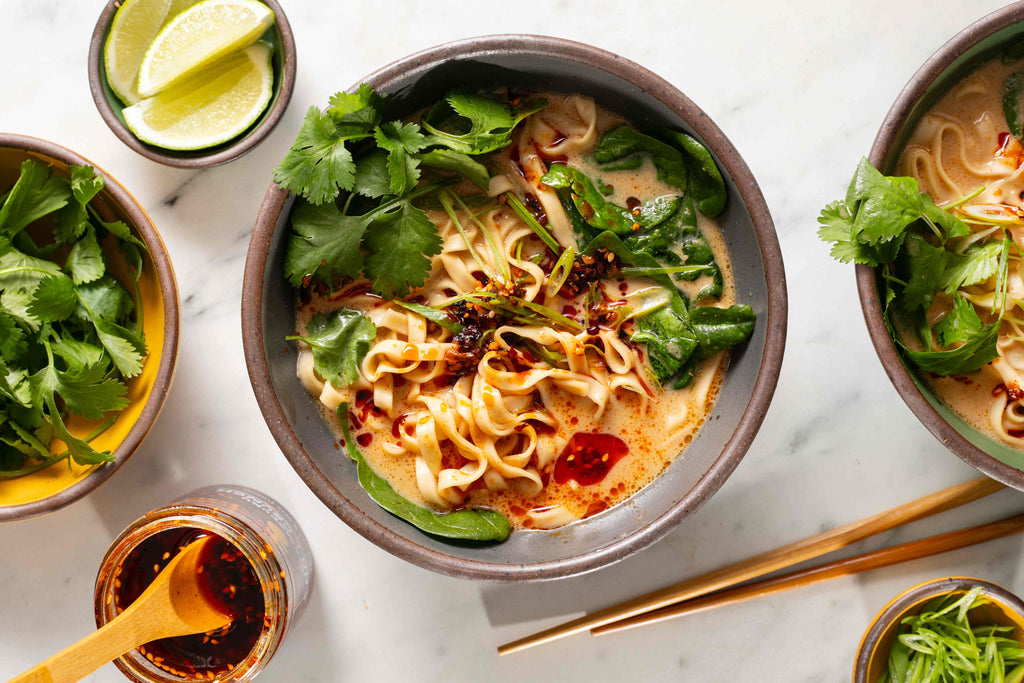
Ever wondered how a single spoonful of spicy Korean paste can turn a plain piece of protein into something youd brag about at a dinner party? The answer is a good gochujang marinade. In just a few minutes you can create a versatile sauce that works wonders on beef, pork, chicken, tofu, shrimp, even salmon. Lets dive straight into the howandwhy so you can start cooking without scrolling through endless background stories.
Why Gochujang Works
Core ingredients and their roles
Gochujang itself is a fermented blend of red chili powder, glutinous rice, soybeans, and salt. The fermentation gives it a deep umami thats both sweet and smoky. Pair it with soy sauce for salty depth, garlic and ginger for aroma, and a touch of sesame oil for nuttiness, and you have a balanced flavor profile that clings to any protein.
Health benefits and potential risks
Because its fermented, gochujang contains probiotics that can support gut healthsomething a recent review in scientific studies has highlighted. On the flip side, it can be high in sodium and sugar, so moderation and smart pairing (like using lowsodium soy sauce) keep the dish heartfriendly.
Base Marinade Recipe
Ingredients (the universal gochujang marinade)
| Ingredient | Amount |
|---|---|
| Gochujang paste | 2Tbsp |
| Lowsodium soy sauce | cup |
| Garlic, minced | 2cloves |
| Fresh ginger, grated | 1tsp |
| Honey or maple syrup (optional) | 1Tbsp |
| Sesame oil | 1tsp |
| Ricevinegar (or apple cider) | 1tsp |
Stepbystep preparation
- Mix all ingredients in a bowl until the gochujang dissolves into a smooth sauce.
- Taste and adjust: a splash more honey for sweetness, or a drizzle of vinegar for brightness.
- Place your chosen protein in a ziplock bag or shallow dish and pour the sauce over it.
- Seal or cover, then refrigerate for the time indicated in the next section.
Timing guide for each protein
| Protein | Marinating Time | Recommended Cooking Method |
|---|---|---|
| Beef (thin strips) | 30min 2h | Grill or stirfry |
| Pork chops | 1h 3h | Ovenroast or pansear |
| Chicken thighs | 30min 4h | Grill or bake |
| Chicken breast | 30min | Quick pansear |
| Salmon fillet | 15min 45min | Broil or grill |
| Shrimp | 10min 15min | Saut or grill |
| Tofu (firm) | 30min 2h | Panfry or bake |
ProteinSpecific Tweaks
Gochujang Marinade Beef
Add a splash of mirin and an extra teaspoon of ginger. The sweet rice wine brightens the deep beef flavor, while ginger cuts through the richness.
Gochujang Marinade Pork
Stir in a tablespoon of brown sugar and finish the cooked pork with toasted sesame seeds for a delightful crunch.
Gochujang Marinade Chicken
For thighs, blend in a dollop of plain yogurtits acidity tenderizes the meat and creates a silky coating. My first attempt with this combo at a backyard BBQ was a hit; the chicken stayed juicy and had a subtle tang.
Gochujang Marinade Chicken Breast
Because breast meat dries quickly, keep the marinating window short (no more than 30minutes) and slice the breast thinly before soaking. This ensures the sauce penetrates without oversoftening the fibers.
Gochujang Marinade Salmon
Reduce the soy sauce to 2Tbsp, add a teaspoon of lime juice, and sprinkle sliced green onions after cooking. The citrus lifts the salmons natural oiliness.
Gochujang Marinade Shrimp
Marinate for just 1015minutes, then add a zest of lime and a pinch of chili flakes right before grilling for an extra pop.
Gochujang Marinade Tofu
Press the tofu first, then coat it lightly with cornstarch before adding the sauce. The starch creates a crisp exterior when baked, while the interior stays soft and flavorful.
Best Cooking Methods
Grilling vs. PanSearing vs. OvenRoasting
High heat (around 400F) gives a caramelized crust that locks in the gochujangs sweetness. For delicate proteins like shrimp or salmon, a quick pansear on mediumhigh heat works best to avoid overcooking.
Serving ideas and side dishes
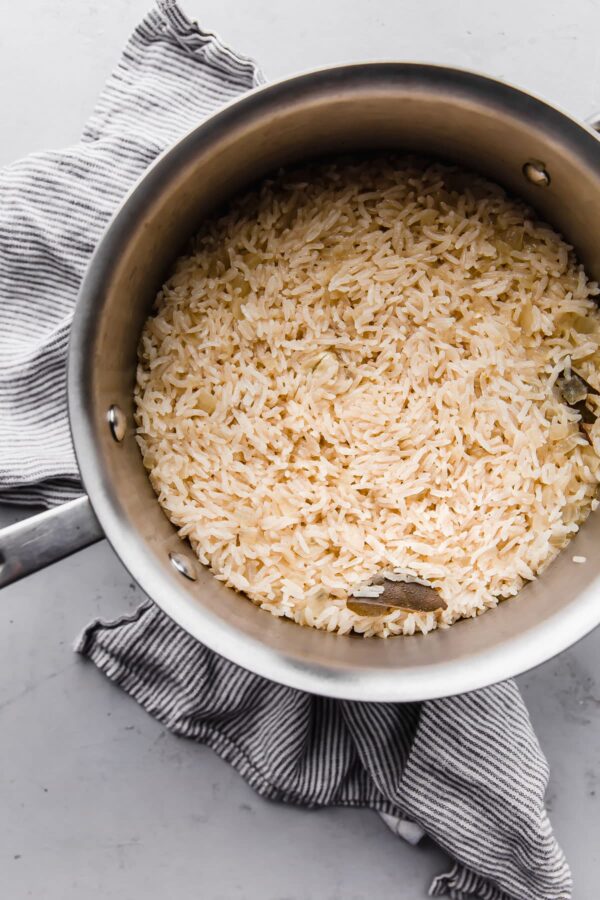
Pair your marinated protein with steamed jasmine rice, a crunchy kimchi slaw, or sauted bok choy. A drizzle of extra gochujangsoy glaze plus a sprinkle of toasted sesame seeds adds that restaurantlevel finish.
Finishing touches
After cooking, whisk a teaspoon of leftover raw sauce with a splash of water and drizzle it over the finished dishjust make sure youve brought the sauce to a boil first to eliminate any rawmeat risk.
Safety & Storage
Best containers and labeling
Glass mason jars seal tightly and dont absorb odors. Write the date and protein type on a sticky notetrust me, youll thank yourself later.
Foodsafety checklist
- Never reuse raw marinade as a dipping sauce unless you reheat it to a rolling boil.
- Keep the marinating meat refrigerated at 40F.
- Discard any leftovers after two weeks.
- Follow the USDA food safety guidelines for best practices.
RealWorld Success Stories & Community Hacks
My favorite gochujang experiment
Last month I tried the tofu version for a vegan dinner. After pressing the tofu, I tossed it in cornstarch, then into the gochujang mix, and baked at 425F for 20minutes. The result? Crispy edges, a buttery interior, and a flavor punch that even my meatloving friends praised.
Reddits top tweak
A fellow foodenthusiast suggested adding a splash of ricewine vinegar to the beef version. The acidity brightened the sauce and prevented the beef from tasting too heavy. I tested it at my next cookoutgolden results.
Instagram reel idea
Try a 30second beforeandafter clip: show raw chicken thighs, pour the gochujang sauce, let it sit for 30minutes, then grill and reveal the caramelized glaze. Quick videos like that get plenty of love and help spread the love for this simple yet mighty marinade.
Quick Reference Cheat Sheet (Downloadable PDF)
What youll get
A printable onepage guide with ingredient ratios, marinating times, cooking temperatures, and a grocery checklist for a week of gochujangmarinated meals. Download it, pin it to your fridge, and let it become your goto recipe card.
Conclusion
Whether youre a busy professional looking for a fast dinner solution or a homecook eager to experiment with bold flavors, a good gochujang marinade offers endless possibilities. It brings probiotic goodness, a balanced sweetspicy profile, and a quick shortcut to restaurantquality meals. Try at least one of the protein variations above, give the cheat sheet a download, and let the glaze do the talking at your next meal. Happy cooking, and may your kitchen be forever scented with the wonderful aroma of gochujang!
FAQs
What proteins work best with a gochujang marinade?
Gochujang pairs beautifully with beef, pork, chicken (thighs or breast), shrimp, salmon, and firm tofu. Each absorbs the sweet‑spicy glaze uniquely.
How long should I marinate shrimp in gochujang?
Marinate shrimp for only 10–15 minutes. The delicate flesh absorbs flavor quickly, and a short time prevents the texture from becoming mushy.
Can I reuse the leftover gochujang sauce as a dipping sauce?
Only if you bring it to a rolling boil for at least one minute to kill any bacteria from raw meat. Otherwise, discard or reserve for cooking.
Is the gochujang marinade suitable for a low‑sodium diet?
Use low‑sodium soy sauce and reduce the amount of added sugar or honey. The natural umami from gochujang still provides plenty of flavor.
What’s the best way to store a prepared gochujang marinade?
Keep it in a glass mason jar or airtight container in the refrigerator. Label with the date and protein type; it stays fresh up to two weeks.