Introduction
A diabetic breakfast casserole is a perfect way to start your day with balanced nutrition. This egg and vegetable casserole combines protein and fiber to help support blood sugar control meals. Its an easy, tasty recipe you can enjoy daily without fuss. A warm slice offers savory comfort and steady energya simple solution for healthy diabetic breakfast ideas that keep your mornings bright and your sugars steady.
Recipe Highlights
Why Choose a Diabetic Breakfast Casserole?
This diabetic friendly breakfast recipe delivers an ideal balance of lean protein, fiber, and low-glycemic vegetables. Using whole foods with minimal processing aligns well with diabetic meal planning challenges. The baked breakfast casserole method locks in flavors while creating a creamy yet firm texture thats easy to portion and enjoy any day.
Who Will Appreciate This Recipe?
This casserole suits beginners and busy cooks alike. You dont need advanced skills or special equipment. Whether managing diabetes or seeking low-carb diabetic casserole options, youll find this dish convenient and satisfying. Plus, its mild flavors easily adapt to your refrigerator staples and personal preferences.
What Makes This Recipe Unique?
Most casseroles rely on starchy fillers or added sugars, but this version focuses on fiber-rich vegetables and protein for blood sugar stability. Using fresh eggs and cottage cheese delivers creamy texture without excess carbs. Its a nourishing start tailored specifically for those prioritizing blood sugar control meals.
Ingredients & Preparation
| Prep time | Total time | Servings | Calories | Diet tags |
|---|---|---|---|---|
| 15 minutes | 55 minutes | 6 | ~250 per serving | Gluten-Free, Low-Carb |
Full Ingredient List with Substitutions
- 8 large eggs (or egg substitute for vegan)
- 1 cup diced bell peppers (red or green)
- 1 cup chopped spinach, fresh or frozen (thawed)
- cup chopped onions
- cup low-fat cottage cheese (or plain Greek yogurt)
- cup shredded low-fat cheese (optional)
- 1 teaspoon olive oil
- Salt and pepper to taste
Substitutions: Use tofu for eggs to make it vegan. Replace cottage cheese with Greek yogurt for a different tang. Swap cheese with nutritional yeast if avoiding dairy.
Equipment Needed
An oven-safe casserole dish, mixing bowls, a sharp knife, and a cutting board are all you need. No special appliances are required, making this recipe very accessible to most kitchens.
Tips for Choosing Ingredients
Select fresh, organic vegetables when available to maximize nutrients and flavor. Avoid processed meats or pre-shredded cheeses with added sodium or fillers. Fresh eggs provide the best texture and fluffiness for the casserole.
Step-by-Step Instructions
Step 1 Prep Vegetables
Wash, dry, and chop the bell peppers, onions, and spinach carefully. Use a sharp knife to create evenly sized pieces, about inch cubes. No need to peel the bell peppers. Rinse spinach well to remove any grit.
Step 2 Mix Eggs and Dairy Base
In a medium bowl, whisk together the eggs and cottage cheese on medium speed for 1 minute until fully combined and smooth. This step ensures the casserole has a creamy custard-like consistency when baked.
Step 3 Combine Vegetables and Egg Mixture
Gently fold the chopped vegetables into the egg and cottage cheese base. Add salt and pepper to taste. Avoid over-mixing to maintain a light, airy texture throughout the casserole.
Step 4 Bake the Casserole
Grease a 9x13-inch casserole dish with olive oil. Pour the mixture evenly inside, smoothing the top with a spatula. Bake at 350F (175C) for exactly 40 minutes, or until the top is set and lightly golden. Remove from oven and allow to cool for 5 minutes before slicing.

Variations & Substitutions
Low-Carb and Vegan-Friendly Options
Replace eggs with flaxseed eggs (1 tablespoon ground flaxseed + 3 tablespoons water per egg) or tofu for a vegan twist. Vegan cheeses or nutritional yeast can add savory notes without dairy. Try adding cauliflower rice to reduce carbs further while keeping volume.
Ingredient Swaps and Their Effects
Using powdered spices instead of fresh herbs may reduce flavor brightness. Pre-shredded cheese sometimes contains extra sodium, which may not suit your dietary goals. Fresh is always best when managing blood sugar control meals.
Adjusting Flavor with Sweetness and Spice
Add a pinch of smoked paprika or cayenne for a smoky heat. A subtle sprinkle of cinnamon balances savory flavors naturally without adding sugar. These tweaks bring warmth to the casserole without impacting blood glucose.
Storage & Shelf Life
Refrigerator Storage
Store leftovers in an airtight glass or BPA-free container. The casserole will keep fresh for 45 days. Warm gently in the microwave or oven to avoid drying out the creamy texture.
Freezer Storage
Freeze single portions wrapped tightly in foil or in freezer-safe containers. This maintains flavor and texture for up to 3 months. Thaw overnight in the fridge before reheating.
Make-Ahead Tips
Prepare double or triple batches ahead of time. Bake as usual, cool completely, slice, and freeze in portions. Label them clearly with date and contents to simplify diabetic meal planning challenges.
Pro Tips & Troubleshooting
Prevent Stains and Maximize Freshness
Wear gloves when chopping bell peppers or handling smoked paprika to avoid staining your hands and surfaces. Use the freshest eggs for optimal fluffiness and taste. Fresh veggies also brighten color and flavor dramatically.
Common Issues and Solutions
If your casserole turns out pale, it might be undercooked. Bake an extra 510 minutes as needed but monitor closely. A bitter taste often results from overcooked onions or spinach; avoid pre-roasting vegetables.
Expert Upgrade
Add a pinch of ground black pepper to your mixture. According to a 2023 study in the Journal of Nutritional Biochemistry, this enhances nutrient absorption and may reduce inflammationkey for managing insulin sensitivity.
When is the best time to eat diabetic breakfast casserole?
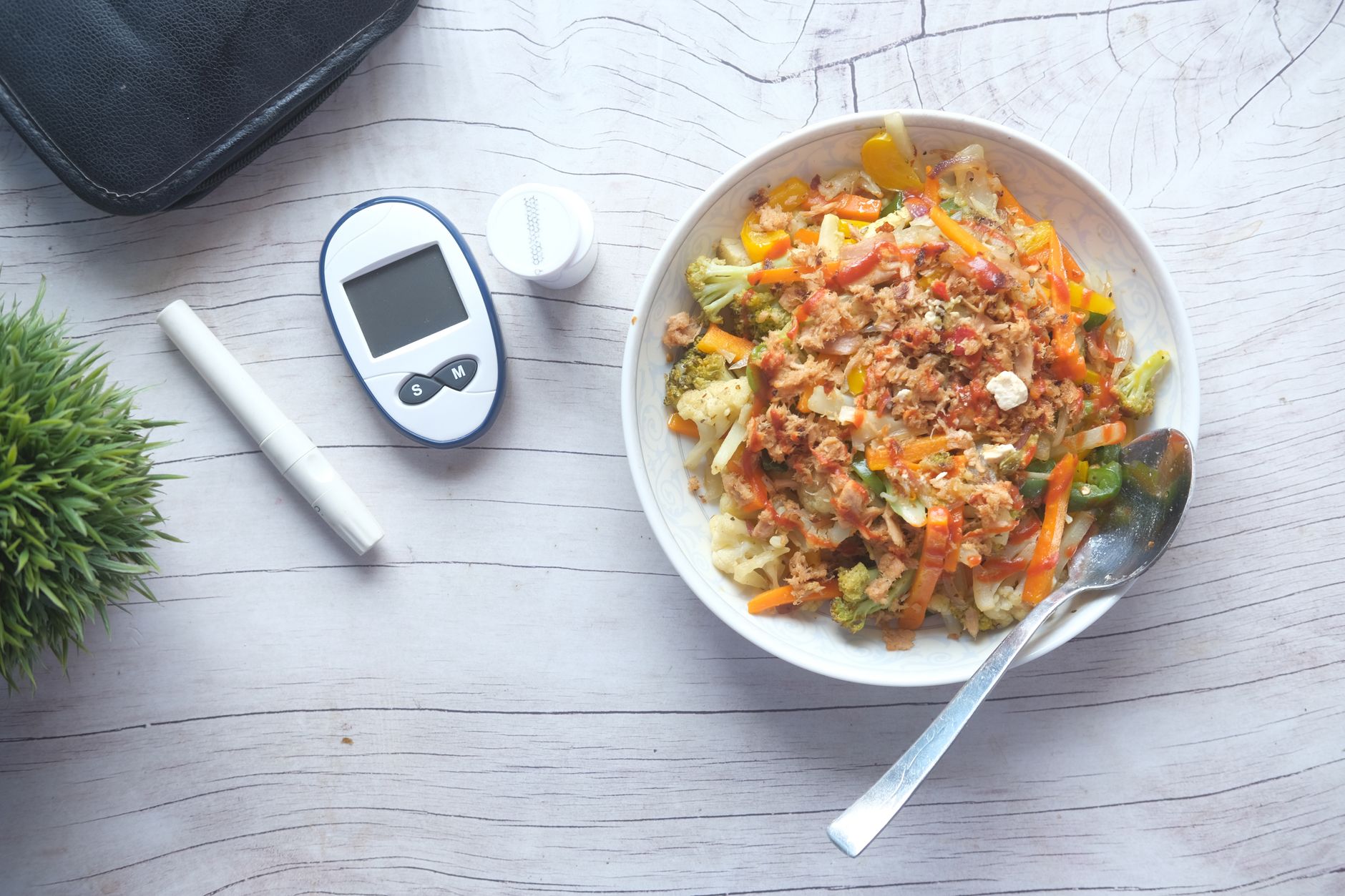
The best time to eat this diabetic breakfast casserole is in the morning. After an overnight fast, it provides steady energy and balanced blood sugar levels. The combination of protein and fiber slows glucose absorption for a smooth start to your day.
Can I make a big batch ahead of time?
Yes, you can prepare a large batch and store it in the refrigerator for up to 5 days or freeze portions for up to 3 months. This saves time during busy mornings and supports diabetic meal planning challenges.
Fresh eggs or egg substitutewhich works best?
Fresh eggs provide a fluffier, creamier texture and richer flavor. Egg substitutes work well for vegan or egg-free diets but may change the casseroles consistency slightly.
Is this recipe safe for pregnant women or those on medication?
Generally, this casserole is safe for most pregnant women and those on medications. However, consult your healthcare provider if you have specific conditions or take blood-thinning medicines.
How often can I enjoy this casserole?
You can enjoy this diabetic breakfast casserole daily as part of balanced meal planning, provided it fits your overall nutritional goals and carbohydrate targets.
Why does my casserole taste bitter?
Bitter flavors usually come from overcooked or burnt vegetables like onions and spinach. Use fresh produce and avoid overbaking to prevent bitterness.
What pairs well with this casserole?
Serve alongside a fresh fruit salad or a cup of herbal tea. Both options complement the savory flavor and add fresh, natural sweetness without raising blood sugar.
More Recipes You Will Love
Check out our vegetable casseroles for diabetics to add variety to your breakfast menu. These recipes offer different combinations of fresh ingredients while staying diabetic friendly breakfast recipes.
If you want a quick alternative, try our Low carb diabetic casserole recipes for a range of low-carb options that fit any diabetic meal plan.
For a sweet, diabetic friendly treat, explore the Moist banana bread with greek yogurt and oats. Its perfect alongside your savory breakfast casserole for balance and variety.
Conclusion
This diabetic breakfast casserole offers a low-sugar, high-protein delight that fits perfectly into healthy diabetic breakfast ideas. Its flavorful, easy to prepare, and supports stable blood sugar levelsideal for your morning routine. Try it soon and share your experience or rate the recipe to help others find a delicious, diabetic friendly breakfast recipe theyll love.
FAQs
When is the best time to eat diabetic breakfast casserole?
The best time to eat diabetic breakfast casserole is in the morning. It provides steady energy after an overnight fast by combining protein and fiber, which slows glucose absorption and helps maintain balanced blood sugar levels throughout the day.
Can I make a big batch of diabetic breakfast casserole ahead of time?
Yes, you can prepare large batches in advance. Store leftovers in the refrigerator for up to 5 days or freeze single portions for up to 3 months. This makes meal planning easier for busy mornings and supports consistent diabetic-friendly eating.
What is the best egg option for this casserole?
Fresh eggs are ideal for a fluffier and creamier casserole texture with better flavor. Egg substitutes work well for vegan or allergy-friendly versions but may slightly alter the casserole’s consistency.
Is this diabetic breakfast casserole safe for pregnant women or those on medication?
Generally, this casserole is safe for most pregnant women and people on medication. However, it’s recommended to consult a healthcare provider if you have specific health concerns or take blood-thinning medications before adding it to your diet.
Why does my diabetic breakfast casserole sometimes taste bitter?
Bitter flavors usually come from overcooked or burnt onions and spinach. To avoid bitterness, use fresh vegetables, avoid pre-roasting, and monitor baking time closely to prevent overcooking your casserole.