Why Creamy Soy and Sesame Dressing?
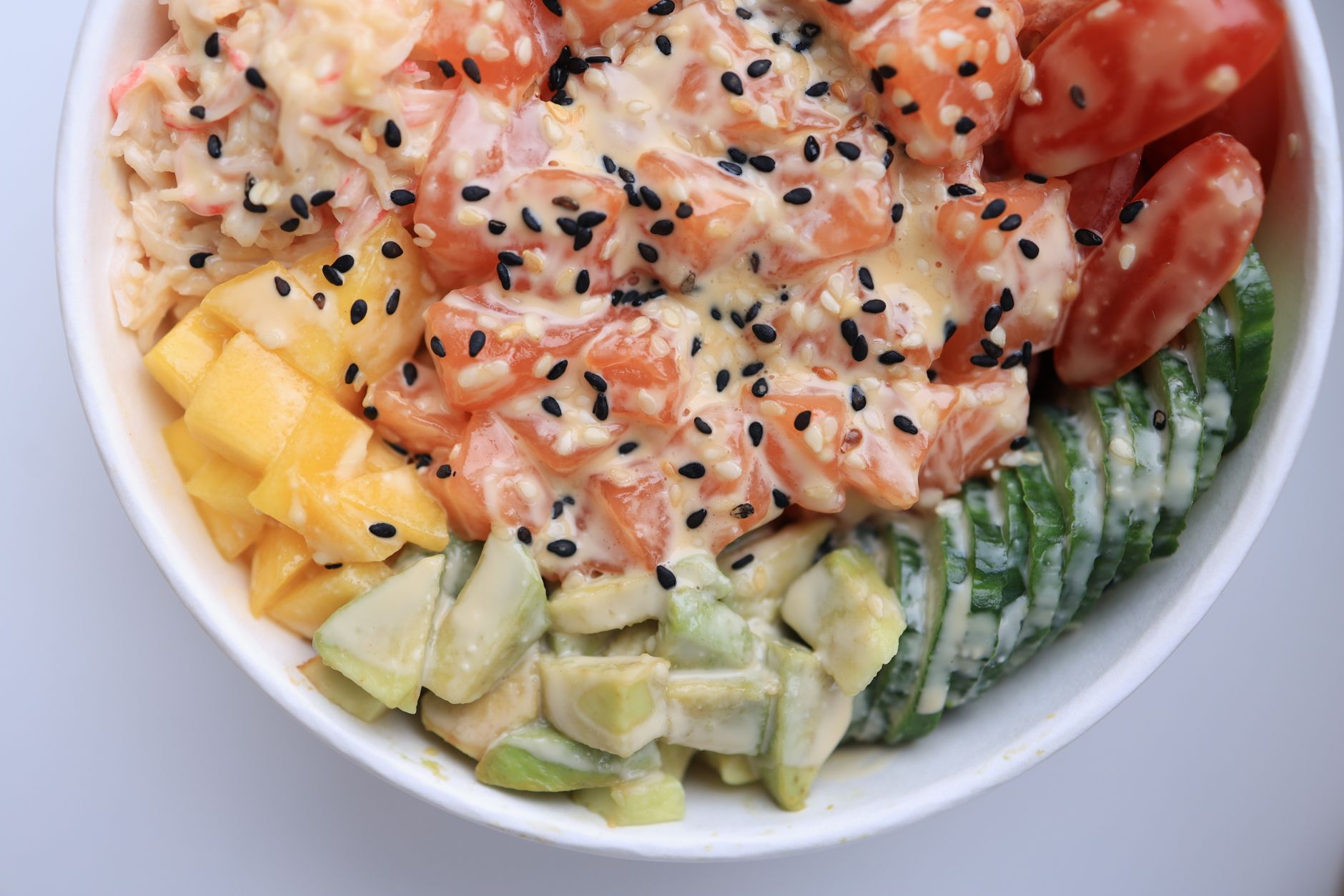
The first thing you notice is the nutty sesame aroma rising from a bowl of smooth, glossy dressing. Creamy Soy and Sesame Dressing turns a few Asian pantry staples into a savory sauce for salads, noodles, vegetables, rice bowls, and grilled foods.
Creamy Soy and Sesame Dressing is a quick mayonnaise-based sauce flavored with soy sauce, toasted sesame oil, black sesame seeds, sugar, and black pepper. Whisking in a little cold water loosens the mixture into a pourable dressing while keeping its rich, creamy texture. It takes about five minutes and requires no cooking.
I like making this dressing just before serving because the sesame fragrance is especially noticeable when freshly mixed. The black sesame seeds also give each spoonful a pleasant, subtle crunch. If you prefer a thinner dressing for noodles, add water one teaspoon at a time until it coats the strands lightly instead of clinging heavily.
Health Benefits & Nutrition
This is a rich dressing, so a little goes a long way. The approximate nutrition below assumes eight servings, with each serving measuring about two tablespoons. Actual values vary by mayonnaise and soy sauce brand.
- Sesame seeds add texture and flavor. Black sesame seeds provide small amounts of protein, fiber, and minerals while contributing an earthy, toasted taste.
- Mayonnaise provides satisfying richness. Its fat helps carry the aroma of sesame oil and gives the dressing a smooth mouthfeel. It also makes salads and vegetables more filling.
- The recipe contains no dairy ingredients. Use a dairy-free mayonnaise if you need to avoid milk products, and check the label carefully.
- Portion size matters. Soy sauce and mayonnaise can both be high in sodium, while mayonnaise is calorie-dense. Using two tablespoons as a serving keeps the flavor concentrated without covering the whole plate.
This recipe contains soy and sesame, and mayonnaise commonly contains eggs. Choose a certified egg-free mayonnaise if needed. For allergies, dietary restrictions, pregnancy-related questions, or medical conditions requiring sodium or fat limits, read product labels and ask a qualified healthcare professional or dietitian for personal guidance.
Ingredients & Preparation
Recipe Card
| Prep time | 5 minutes |
|---|---|
| Cook time | 0 minutes |
| Total time | 5 minutes |
| Servings | 8 servings, about 1 cup total |
| Calories | Approximately 170 calories per serving |
| Diet tags | Vegetarian; dairy-free when made with dairy-free mayonnaise |
Full ingredient list
- 3/4 cup mayonnaise
- 2 tablespoons black sesame seeds
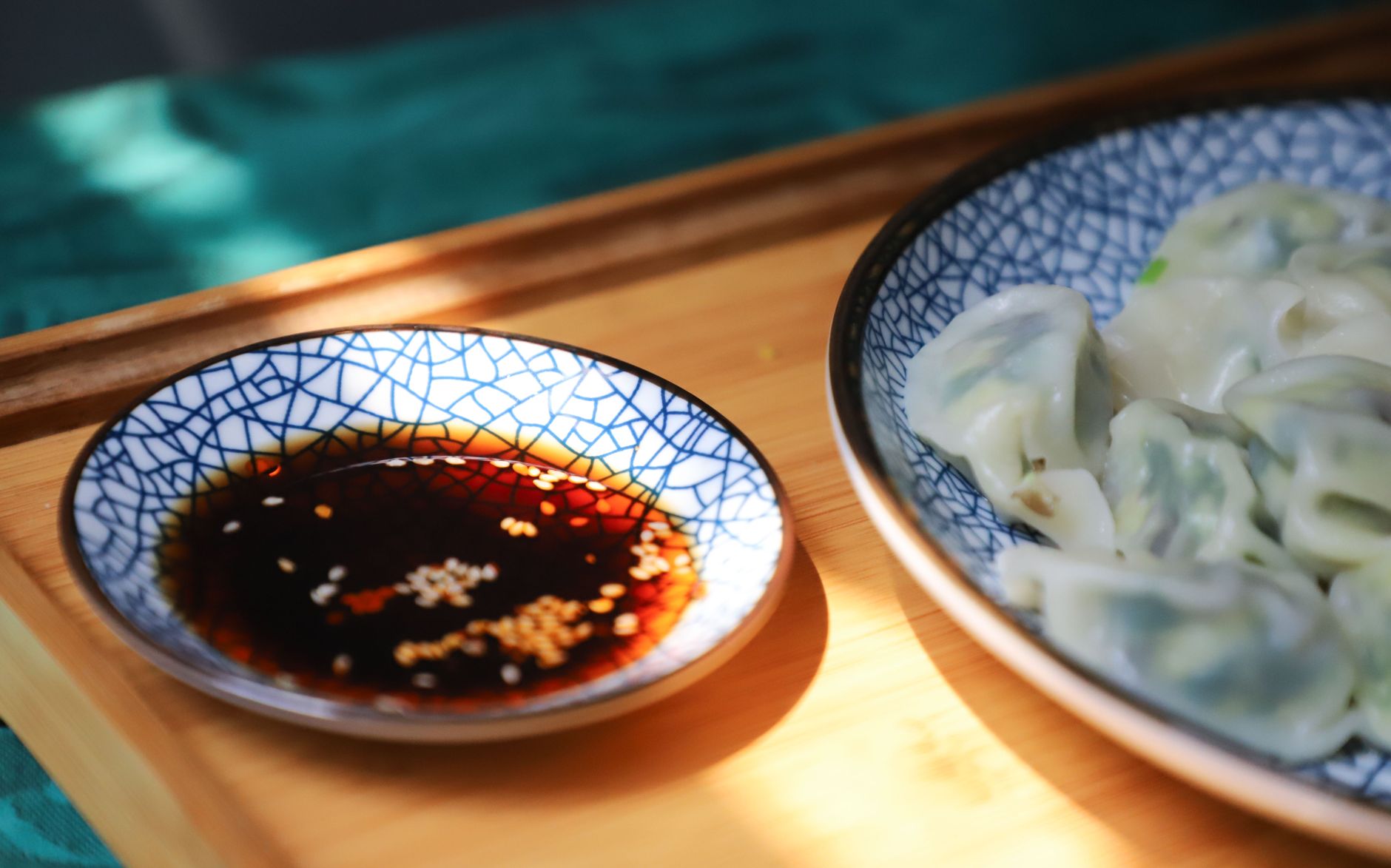
- 1 tablespoon soy sauce
- 1 teaspoon toasted sesame oil
- 1 teaspoon granulated sugar
- 2 tablespoons cold water
- 1/8 teaspoon kosher salt
- 1/8 teaspoon freshly ground black pepper
Equipment needed
- Small mixing bowl
- Small whisk or fork
- Measuring spoons and measuring cup
- Small airtight jar or lidded container for storage
Tips for choosing quality ingredients
Use full-fat mayonnaise for the smoothest body. Reduced-fat versions can work, but the finished sauce is usually thinner and slightly sharper. Choose toasted sesame oil rather than plain sesame oil; its deeper aroma is one of the main flavors in this recipe.
Black sesame seeds make the dressing look striking, but white sesame seeds are a suitable substitute. For the best taste, use seeds that smell fresh and nutty. If they smell stale, dusty, or oily, replace them.
Soy sauce varies considerably in saltiness. I usually start with a standard soy sauce and avoid adding more salt until everything is mixed. A low-sodium soy sauce works well, but the dressing may need a small extra pinch at the end.
Step-by-Step Instructions
1. Measure and combine the base ingredients for 1 minute
Add the mayonnaise, black sesame seeds, soy sauce, toasted sesame oil, sugar, kosher salt, and black pepper to a small bowl. Use a whisk or fork to stir for 30 to 60 seconds, scraping the sides so the sugar and seasonings do not remain in dry pockets.
2. Add the water gradually for 1 minute
Pour in the cold water while whisking continuously. Whisk for another 30 to 60 seconds, until the mixture changes from thick and spoonable to smooth and pourable. Adding the water all at once is possible, but adding it gradually gives you better control over the final consistency.
3. Check the texture and seasoning for 1 minute
Lift the whisk from the bowl. The dressing should fall in a steady ribbon and leave a soft trail that disappears within a few seconds. Taste a small amount and adjust only if needed. Add a pinch more sugar for sharp soy sauce, or one teaspoon of water if the sauce still feels too heavy.
4. Rest and serve at room temperature for 2 minutes
Let the dressing stand for two minutes before serving. During this short rest, the sesame seeds settle into the creamy base and the flavor becomes more rounded. The finished dressing should look glossy, with black seeds evenly suspended throughout.
The first time I made this, I added all the water before whisking and ended up with a few thin streaks around the edge of the bowl. Whisking while pouring fixed that immediately. I also found that more than two tablespoons of water made the sauce lose its pleasant coating texture, especially on leafy greens.
Variations & Substitutions
Make a lighter, pourable salad dressing
Replace 2 tablespoons of the mayonnaise with 2 tablespoons of cold water, then whisk in the remaining ingredients as written. This version is less rich and works well on delicate greens. Add another teaspoon of water only if necessary.
Make it spicy
Whisk in 1/2 teaspoon of chili crisp, chili oil, or sriracha. For a stronger heat level, use 1 teaspoon. Chili crisp adds texture and garlic notes, while sriracha creates a smoother, brighter sauce.
Add fresh ginger
Stir in 1 teaspoon of finely grated fresh ginger. Ginger gives the dressing a clean, lively finish that works especially well with shredded cabbage, cucumber, and cold noodles. Pat the ginger lightly with a paper towel if it releases a lot of liquid.
Use tahini for a deeper sesame flavor
Replace 2 tablespoons of the mayonnaise with 2 tablespoons of smooth tahini. Add the water slowly because tahini thickens before it loosens. This variation has a more pronounced sesame taste and a slightly denser texture.
Make it egg-free
Use an egg-free mayonnaise in an equal 3/4-cup amount. Check that the product is also suitable for your dietary needs. The rest of the recipe remains unchanged.
Use white sesame seeds
Replace the black sesame seeds with 2 tablespoons of white sesame seeds. Toast them in a dry skillet over medium-low heat for 2 to 3 minutes if they are not already toasted. Remove them as soon as they smell nutty and turn lightly golden, then cool completely before mixing.
This dressing is especially good with crisp vegetables, and it pairs naturally with a colorful Korean vegetables recipe. I would not use sweetened salad mayonnaise here; it made the first test batch taste oddly sugary, even before the added teaspoon of sugar.
Storage & Shelf Life
Store the dressing in an airtight container in the refrigerator for up to 4 days. Keep it at 40°F (4°C) or colder, and use a clean spoon each time. The dressing may thicken slightly after chilling, so stir in 1 to 2 teaspoons of cold water before serving if needed.
Freezing is not recommended. Mayonnaise-based sauces often separate after thawing, leaving an oily layer and a grainy texture. Since this recipe takes only five minutes, making a fresh batch gives a much better result.
Discard the dressing if it develops an unpleasant sour smell, mold, bubbling, unusual discoloration, or a slimy texture. Separation alone does not necessarily mean spoilage; stir it well if it has simply settled. When in doubt, throw it away rather than tasting it to test freshness.

Pro Tips
- Whisk the sugar into the mayonnaise first. The thick base helps distribute the sugar evenly before the water loosens the mixture.
- Use toasted sesame oil sparingly. One teaspoon is enough to perfume the whole cup. More can overpower the soy and mayonnaise.
- Control the emulsion with gradual water. Pour in a thin stream and whisk constantly. This keeps the sauce unified instead of leaving watery edges.
- Keep the sesame seeds intact. Black sesame seeds provide the best visual contrast and a small pop of texture. Grinding them creates a darker dressing but removes that crunch.
- Balance salt with sweetness. If the dressing tastes harsh, add a tiny pinch of sugar before adding more mayonnaise. Sugar softens the salty edge without making the sauce taste sweet.
- Prevent staining. Black sesame seeds can cling to pale bowls and containers. Rinse the bowl soon after serving, and wipe oily residue with a paper towel before washing.
- Dress sturdy vegetables early. Cabbage, carrots, and broccoli can handle the sauce for 15 to 30 minutes. Toss leafy greens just before eating so they stay crisp.
Questions & Answers
When is the best time to eat Creamy Soy And Sesame Dressing?
The best time to use this dressing is immediately after mixing or within four days of refrigeration. Freshly made, it has the brightest sesame aroma and the smoothest pour. Use it on salad just before serving, but toss it with sturdy vegetables or noodles up to 30 minutes ahead so the flavors can mingle.
Can I make this dressing without mayonnaise?
Yes, you can make it without mayonnaise by using smooth tahini as the base. Start with 1/2 cup tahini, then add the soy sauce, sesame oil, sugar, sesame seeds, pepper, and water. Add water gradually because tahini thickens first and then becomes pourable. The result will be nuttier and less creamy.
Why is my dressing too thick?
Add cold water one teaspoon at a time until the dressing reaches the desired consistency. Thick mayonnaise, tahini additions, or refrigeration can all make the sauce firmer. Whisk thoroughly after every teaspoon. For leafy greens, aim for a dressing that falls in a ribbon; for dipping, leave it thicker.
Can I use regular sesame oil?
Yes, but toasted sesame oil gives the dressing a fuller aroma. Plain sesame oil is milder, so you can use the same 1-teaspoon amount and add a little more only after tasting. Avoid using a large amount to compensate, since too much sesame oil can make the sauce taste oily and obscure the soy flavor.
What can I serve with this dressing?
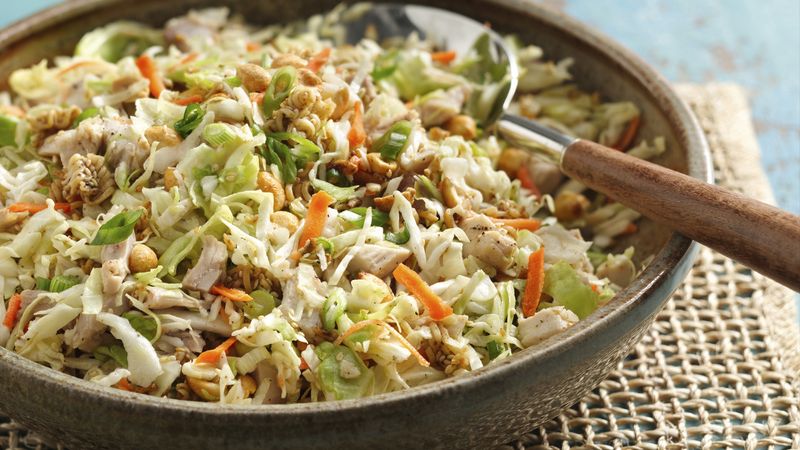
Serve it with green salads, shredded cabbage, cucumber, carrots, steamed broccoli, cold soba noodles, rice bowls, or grilled chicken and tofu. It also works as a dip for raw vegetables. Thin it with a little water when coating noodles, because thick dressing can make them clump together.
Can I prepare this sauce ahead of time?
Yes, prepare it up to four days ahead and refrigerate it in a sealed container. Stir before serving because the sesame seeds may settle and the sauce may firm up. If it is too thick, whisk in 1 to 2 teaspoons of water. Do not leave it at room temperature for extended periods.
How can I reduce the saltiness?
Reduce the soy sauce to 2 teaspoons and leave out the added kosher salt at first. You can also whisk in 1 tablespoon of extra mayonnaise or 1 tablespoon of water to soften the flavor. Taste after resting for two minutes, since the seasoning becomes more noticeable as the sesame seeds absorb moisture.
More Recipes You Will Love
For a vegetable-focused meal, serve this dressing beside roasted or chilled vegetables and a bowl of rice. Its creamy, salty flavor is a good contrast to crisp produce, especially cabbage, cucumber, carrots, and bean sprouts.
If you enjoy bright Asian-inspired flavors, try the Fresh lemongrass syrup recipe 1928204 for a fragrant drink component. The citrusy lemongrass profile provides a refreshing counterpoint to this dressing’s rich sesame notes.
You can also turn the sauce into a complete cold noodle bowl with cooked noodles, shredded vegetables, sliced tofu, and a handful of herbs. Keep extra dressing at the table so everyone can adjust the amount to taste.
Conclusion
Creamy Soy and Sesame Dressing is a dependable five-minute recipe for adding savory, nutty flavor to simple meals. Mayonnaise creates the smooth base, soy sauce brings umami, and toasted sesame oil supplies a warm aroma without requiring any cooking. Adjust the water for salads, noodles, or dipping. If you make it, share how you served it, leave a rating, or tell us which variation worked best in your kitchen.
FAQs
When is the best time to use Creamy Soy And Sesame Dressing?
The best time to use Creamy Soy And Sesame Dressing is shortly after mixing, when the sesame aroma is strongest. Spoon it over salads, cold noodles, steamed vegetables, or rice bowls, or serve it alongside grilled foods for a savory finish.
How long can you store Creamy Soy And Sesame Dressing?
Store Creamy Soy And Sesame Dressing covered in the refrigerator in a small airtight jar and use it within a few days. Stir well before serving because the mixture can separate slightly. Discard it if it smells sour or looks off, and expect the sesame fragrance to fade over time.
How do you thin Creamy Soy And Sesame Dressing if it is too thick?
Whisk in cold water one teaspoon at a time until the dressing reaches a pourable consistency. Add just enough to lightly coat noodles or greens rather than clinging heavily. Stop once it flows smoothly, since too much water can dilute the flavor.
Can you use low-fat mayonnaise in Creamy Soy And Sesame Dressing?
Yes, low-fat mayonnaise can be used, but the finished dressing is usually thinner and slightly sharper in flavor. Full-fat mayonnaise gives the smoothest body and richest mouthfeel. If you choose a lighter version, taste the dressing and adjust the sugar and salt before serving.
Is Creamy Soy And Sesame Dressing dairy-free and egg-free?
Creamy Soy And Sesame Dressing contains no dairy ingredients, but it is not egg-free when made with standard mayonnaise, which commonly contains eggs. Choose a certified egg-free mayonnaise and check labels for soy and sesame. For allergies or medical dietary needs, consult a qualified healthcare professional.