Ever wonder how a handful of pantry staples can turn into a bowl that feels both comforting and exciting? In the next few minutes youll learn exactly how to make a gochujang udon noodles recipe thats ready in about 30minutes, packs a punch of Korean heat, and stays versatile enough for countless variations. No fluff, just the good stuff lets get cooking!
Why Gochujang Udon
Gochujang, the fermented Korean chili paste, brings a sweetumamispicy trio that most sauces cant match. Pair that with thick, chewy udon noodles and you have a texture contrast thats oddly satisfying. The heat from capsaicin can even give your metabolism a tiny boost, while the fermentation adds probiotics that are gentle on the gut. If youre looking for a quick dinner that feels a little adventurous, this combo hits the sweet spot.
But its not just about flavor. Gochujang udon works for busy weeknights, lazy weekends, and anything in between. You can keep it light with veggies, make it indulgent with bacon and cream, or turn it into a warming soup on a chilly evening. The recipe well walk through is deliberately simple, so you can adapt it without feeling lost.
Ingredients & Tools
Core Ingredients
For the basic gochujang noodles version youll need:
- 2 packs frozen or fresh udon noodles (about 400g)
- 1tablespoons gochujang paste (adjust to taste)
- 3tablespoons butter or neutral oil
- 2 cloves garlic, minced
- 1shallot, thinly sliced
- 2green onions, chopped (reserve some for garnish)
- 1tablespoon soy sauce
- 1teaspoon sesame oil
- Sesame seeds for sprinkling
Optional AddOns
If you want to take it up a notch, consider these:
- 4slices crispy bacon perfect for a creamy gochujang udon with bacon twist.
- cup heavy cream or vegan cashew cream for a silky finish.
- Mixed vegetables (mushrooms, bell peppers, spinach) for extra nutrition.
- Tofu or shrimp for protein variety.
Tools Youll Need
A large skillet or wok, a sturdy spatula, a colander for draining the noodles, and a set of measuring spoons are all you really need. If youre making the soup version, a medium saucepan will do.
StepbyStep Method
Quick Overview
Cook udon, stirfry a gochujanggarlic sauce, toss everything together, and finish with toppings. Done in about 30minutes.
Detailed Steps
1. Prep the noodles. Bring a pot of water to a rolling boil. Drop in the frozen udon and cook for 23minutes, just until they float and are tender. Drain, rinse briefly with cold water to stop cooking, and set aside.
2. Build the sauce. In your skillet, melt the butter (or heat the oil) over medium heat. Add the minced garlic and sliced shallot; saut for 30seconds until fragrant youll hear that subtle sizzle that tells you its alive. Stir in the gochujang, soy sauce, and a splash of water (about cup) to loosen the paste. If youre aiming for a creamy version, whisk in the cream now.
3. Combine noodles and sauce. Add the cooked udon straight into the skillet. Toss vigorously so every strand gets a glossy coating of the redgold sauce. If youre using veggies or protein, toss them in at this stage and let them heat through for 23minutes.
4. Finish with flavor. Drizzle the sesame oil, sprinkle the chopped green onions and sesame seeds, and give everything a final toss. Taste and adjust a pinch of sugar if you like it sweeter, or a dash more gochujang for extra kick.
Pro Tips & Troubleshooting
- Avoid soggy noodles. Rinse the udon under cold water after boiling; this removes excess starch and keeps them firm.
- Control the heat. Gochujang varies by brand. Start with 1tbsp, taste, then add the remaining half if youre comfortable with spice.
- Creamy shortcut. If youre short on time, a spoonful of plain Greek yogurt can mimic the tangy creaminess without extra dairy.
- Crunch factor. Add a handful of toasted peanuts or almonds right before serving for texture.
Recipe Variations
Gochujang Udon Soup
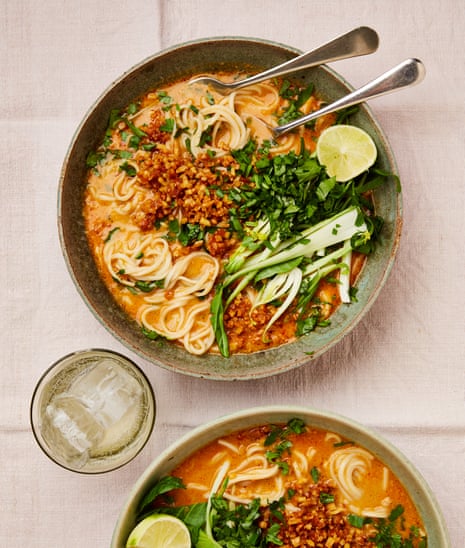
Swap the skillet for a saucepan, add 2cups of lowsodium vegetable broth, and bring the sauce to a gentle simmer. Toss the udon in, let it soak up the broth for 5minutes, then finish with a handful of baby spinach and a drizzle of sesame oil. This comforting broth is perfect for rainy evenings.
Gochujang Udon Carbonara
After the noodles are coated in the gochujang sauce, turn the heat low, stir in cup grated Parmesan, and quickly whisk in a raw egg yolk (the residual heat will cook it just enough to create a silky coating). Finish with cracked black pepper. The result? A bold fusion of Korean spice and Italian creaminess.
Creamy Gochujang Udon with Bacon
Follow the base recipe, then fold in cup heavy cream just before plating. Toss in crispy bacon pieces for a smoky crunch. The contrast of rich cream, salty bacon, and fiery gochujang is intoxicating.
Vegan Cheesy Gochujang Udon
Replace butter with a splash of olive oil, and swap the dairy cream for a blend of soaked cashews blended with nutritional yeast. The sauce takes on a cheesy depth without any animal products.
Comparison Table
| Variation | Prep Time | Key AddOn | Best For |
|---|---|---|---|
| Classic | 30min | None | Quick weeknight |
| Soup | 35min | Vegetable broth | Cold evenings |
| Carbonara | 30min | Parmesan & egg | Fusion lovers |
| Bacon Creamy | 35min | Bacon + cream | Indulgent treat |
| Vegan Cheesy | 30min | Cashewnutritional yeast | Plantbased diners |
Health Benefits & Risks
Benefits of Gochujang & Udon
Gochujang is a fermented condiment, which means it contains beneficial bacteria that can support gut health. The capsaicin in the chili peppers may boost metabolism and release endorphins, giving you a subtle mood lift. Udon noodles provide complex carbohydrates that keep you full and provide steady energy, especially when paired with protein or vegetables.
Potential Concerns
Because gochujang is salty, it can contribute a fair amount of sodium to the dish. If youre watching your salt intake, look for a lowsodium version or dilute the paste with a little more water. Traditional udon is wheatbased, so those with gluten sensitivities should substitute with glutenfree rice udon or shirataki noodles.
How to Make It Healthier
Swap butter for a dash of sesame oil to cut saturated fat, load the pan with colorful veggies like bell peppers, carrots, and bok choy, and use a reducedsugar gochujang. According to USDA FoodData Central, a tablespoon of gochujang adds roughly 20calories and 2grams of protein a modest boost when balanced with fiberrich vegetables.
Serving Suggestions & Pairings
To finish the meal, consider a few side ideas that complement the bold flavors:
- A small bowl of kimchi the tangy crunch echoes the spice.
- Quick cucumber salad with rice vinegar, a pinch of sugar, and sesame seeds.
- Cold barley tea (bori cha) or a light lager; both help temper the heat.
- For a nonalcoholic option, sparkling kombucha offers a fizzy counterpoint.
Plate the noodles in a shallow bowl, drizzle any extra sauce on top, and garnish with extra green onion and sesame seeds. The visual contrast of red sauce, green garnish, and dark noodles makes it Instagramready without trying too hard.
Printable Recipe Card & Video Tutorial
For those who love having a handy reference, you can download a printable PDF of the gochujang udon noodles recipe complete with ingredient checklist and stepbystep photos. If you prefer watching, a twominute video demonstrates the creamwhip technique that gives the sauce its glossy finish. Both resources are available at the end of the article, making it easy to pull up while youre cooking.
Conclusion
The gochujang udon noodles recipe is more than just a dinner idea; its a canvas for flavor, texture, and creativity. Whether you keep it simple, turn it into a warming soup, or go allout with baconcream decadence, the core technique stays quick and approachable. Remember to balance the spice with veggies, watch the sodium if needed, and most importantly, have fun experimenting. Grab your skillet, get that gochujang out of the pantry, and give your taste buds a Koreaninspired adventure tonight. Happy cooking!
FAQs
How long does it take to cook the udon noodles?
Fresh or frozen udon noodles usually need about 2–3 minutes in boiling water; they’re done when they float and are tender.
Can I use gluten‑free noodles instead of regular udon?
Absolutely—gluten‑free rice udon or shirataki noodles work well and keep the dish light.
What can I substitute for gochujang if I can’t find it?
Mix Korean chili flakes (gochu garu) with a bit of miso, honey, and soy sauce to mimic the sweet‑spicy flavor.
Is the recipe suitable for vegetarians or vegans?
Yes. Use oil instead of butter, skip the bacon, and replace dairy cream with cashew or coconut cream for a vegan version.
How can I control the spiciness level?
Start with 1 tablespoon of gochujang, taste, and add more gradually. You can also thin the sauce with water or broth to mellow the heat.