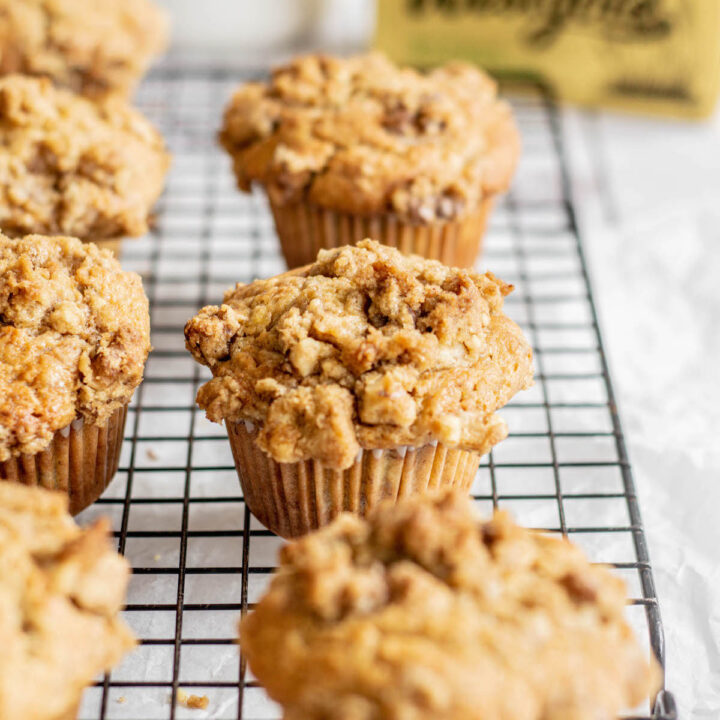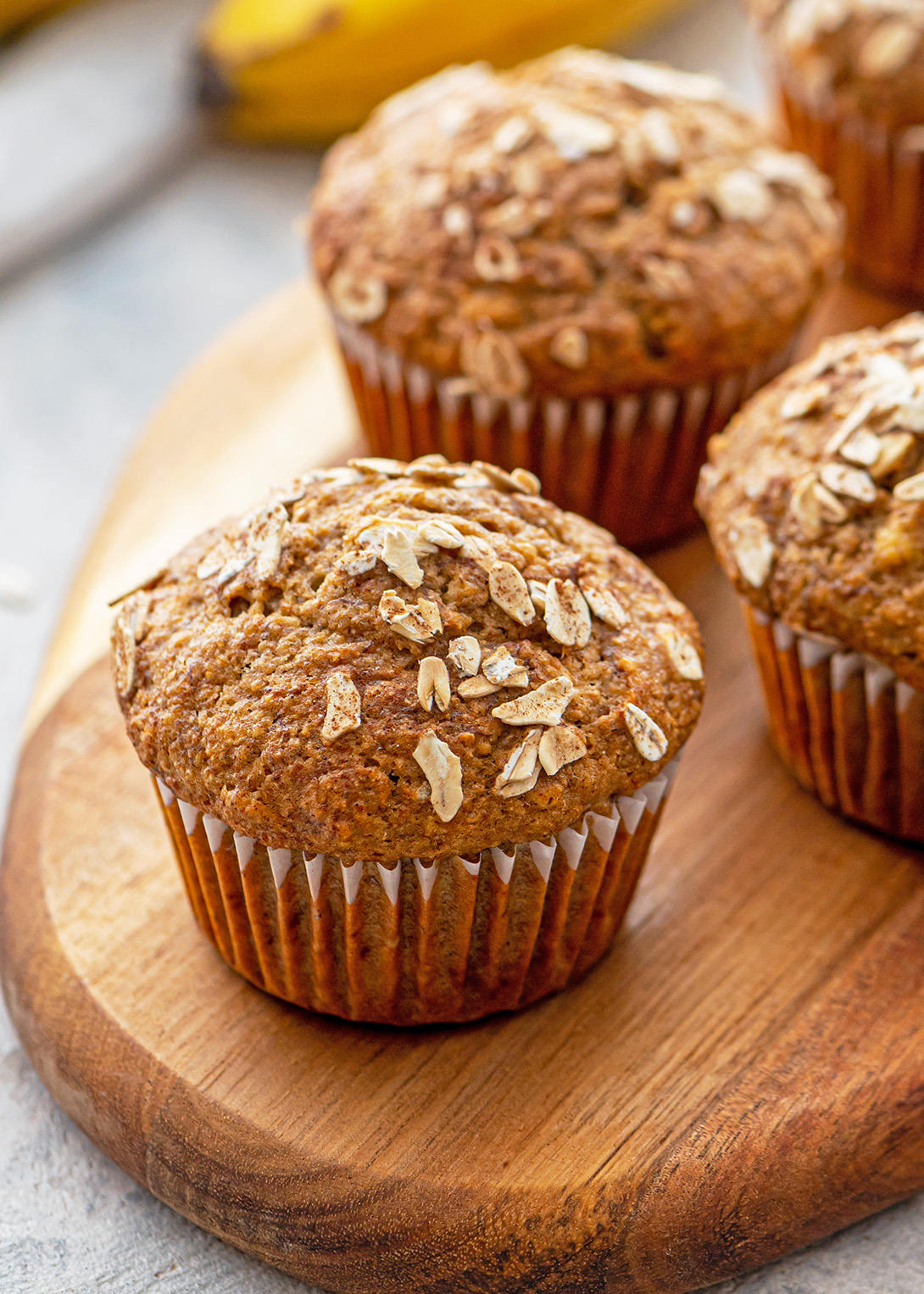
Looking for a fast, guilt‑free muffin that tastes like sweet banana bread without all the added sugar and flour? These healthy oatmeal banana muffins need just bananas, oats and a pinch of baking powder ready in 20 minutes.
You’ll get the nutrition of whole‑grain oats, potassium‑rich bananas, and a naturally sweet finish, plus optional add‑ins for extra protein or texture. Let’s dive in and bake the healthiest treat you can enjoy any time of day.
Why They’re Healthy
1.1 Nutrient Profile of the Core Trio
The three ingredients—ripe bananas, rolled oats, and baking powder—are nutrition powerhouses. One muffin (about 1/12 of the batch) typically offers:
| Nutrient | Approx. per Muffin |
|---|---|
| Calories | 85 kcal |
| Carbohydrates | 15 g |
| Protein | 2 g |
| Fat | 2 g |
| Fiber | 3 g |
| Potassium | 180 mg |
Compared with a traditional banana muffin that uses refined flour, butter, and added sugar, the calorie count drops by roughly 30% while fiber more than doubles.
1.2 Benefits of Oats in Baked Goods
Oats deliver slow‑release carbs that keep blood sugar steady, and they contain beta‑glucan, a soluble fiber shown to lower LDL cholesterol. For those avoiding gluten, certified gluten‑free oats work just as well.
1.3 How Ripe Bananas Sweeten & Moisturize
Overripe bananas are nature’s sugar bomb—up to 30% more natural sugars than a just‑yellow fruit—so you don’t need any added sweetener. They also add moisture, which means you can skip butter or oil entirely.
1.4 Potential Drawbacks & Balance Tips
Using only bananas can make the texture a bit dense if the fruit is too mushy. A quick fix is to add a binding agent like a flax egg or a single large egg (the USDA notes that eggs add structure without dramatically increasing calories). Also, keep an eye on the sodium in baking powder; low‑sodium varieties are available.
Core Recipe Variations
2.1 3‑Ingredient Banana Oat Muffins (Base)
Ingredients (makes 12 muffins):
- 3 ripe bananas, mashed
- 1 cup rolled oats (or blended into oat flour)
- 1 tsp baking powder
Method:
- Preheat oven to 180 °C (350 °F). Line a muffin tin with paper liners.
- Blend the oats until they reach a fine flour‑like consistency.
- Mix mashed bananas with oat flour and baking powder until just combined.
- Scoop batter (¼ cup) into tins and bake 15–20 minutes, or until a toothpick comes out clean.
This is the purest version of 3‑ingredient banana oatmeal muffins. It’s quick, wholesome, and perfect for a weekend breakfast rush.
2.2 4‑Ingredient Upgrade (Add an Egg or Vegan Binder)
Adding a single egg (or a flax egg made from 1 tbsp ground flaxseed + 3 tbsp water) improves crumb structure and adds about 6 g of protein per muffin. The routine stays simple—just whisk the egg in with the banana before folding in the oat mixture. For a richer, 4 ingredient banana muffins oats with yogurt twist, you can swirl in a spoonful of plain Greek yogurt before baking.
2.3 5‑Ingredient Version (Protein or Crunch)
For a protein boost, stir in low carb high protein banana muffins powder or any unflavored whey/pea protein. If you crave crunch, fold in ¼ cup chopped walnuts or a handful of dark chocolate chips. This creates the 5‑ingredient banana oatmeal muffins you’ll find on many fitness blogs.
2.4 Flour‑Free & Sugar‑Free (No Flour, No Sugar)
If you truly want no‑flour muffins, substitute the rolled oats with oat flour (simply blend the oats finer). Skip any added sweeteners; the bananas are sweet enough. For a touch of extra sweetness without refined sugar, drizzle a teaspoon of honey or maple syrup over the muffins after baking—just keep it light.
2.5 Joe Wicks‑Style Banana Oat Muffins
Fitness coach Joe Wicks often adds extra protein and reduces carbs to keep his meals lean. Replicate his approach by using ½ cup Greek yogurt, a scoop of vanilla whey protein, and swapping half the oats for almond flour. The result is a moist, high‑protein treat that still feels like comfort food. Want the exact recipe? Check out these high protein muffins with protein powder for a quick guide.
Step‑by‑Step Guide
3.1 Prep Work: Mash, Measure, Blend
Start by mashing bananas with a fork; a few small lumps are okay—they’ll disappear during baking. For the oat flour, a quick spin in a high‑speed blender (30 seconds) yields a perfect texture.
3.2 Mixing Technique: Avoid Over‑Mixing
Gently fold the wet and dry ingredients together. Over‑mixing can develop a gummy texture because oat flour absorbs liquid quickly. Think of it like stirring a pancake batter—just enough to combine.
3.3 Baking Temperature & Timing
Set the oven to 180 °C (350 °F). Bake for 15–20 minutes; check with a toothpick. If you’re using a convection oven, reduce the temperature by 10 °C (25 °F). For an air‑fryer, try 12–14 minutes at 160 °C.
3.4 Storage & Reheating
Cool muffins completely, then store in an airtight container. They stay fresh at room temperature for up to three days. For longer keeping, freeze in a zip‑top bag; reheat in the microwave for 30 seconds or in a toaster oven at 180 °C for 5 minutes.
3.5 Pairing Ideas
Serve with a dollop of Greek yogurt, a smear of almond butter, or a scoop of vanilla ice cream for a cheat‑day indulgence. The muffins also pair nicely with fresh berries or a drizzle of honey.
Frequently Asked Questions
4.1 Can I Make These Muffins Gluten‑Free?
Absolutely. Use certified gluten‑free rolled oats or oat flour, and double‑check that your baking powder is also gluten‑free.
4.2 How Many Calories Are in One Muffin?
Roughly 80–100 kcal, depending on whether you add protein powder, nuts, or extra sweeteners.
4.3 Are These Muffins Suitable for Vegans?
Yes—swap the egg for a flax egg or chia egg (1 tbsp ground seed + 3 tbsp water) and use plant‑based milk if the recipe calls for any.
4.4 What’s the Shelf Life?
At room temperature they stay good for about three days; refrigerated they last up to a week, and frozen they keep for two months.
4.5 Can I Add Sweeteners Without Ruining the Health Factor?
A light drizzle of honey, maple syrup, or a pinch of stevia works fine. Keep the amount under a tablespoon per batch to stay low‑sugar.
4.6 How Do I Boost Protein Without Changing Flavor?
Stir in a scoop of unflavored whey or pea protein powder. It blends seamlessly and adds 8–10 g of protein per muffin.
Real‑World Uses
5.1 Breakfast on‑the‑Go
Grab two muffins, pair with a cup of Greek yogurt, and you’ve got a balanced start with carbs, protein, and healthy fats.
5.2 Post‑Workout Snack
The natural sugars replenish glycogen, while the added protein (if you chose the 5‑ingredient version) helps muscle recovery.
5.3 Kid‑Friendly Version
Kids love a sprinkle of cinnamon or a few mini chocolate chips. The muffins stay soft enough for little hands to hold.
5.4 Comparison Table: 3 vs 4 vs 5 Ingredient
| Version | Prep Time | Protein (g) | Calories | Extra Cost |
|---|---|---|---|---|
| 3‑Ingredient | 10 min | 2 | 85 | |
| 4‑Ingredient | 12 min | 8 | 95 | Low (egg) |
| 5‑Ingredient | 15 min | 12‑14 | 110‑130 | Medium (protein powder, nuts) |
5.5 Reader‑Submitted Tweak
Many readers love adding a spoonful of shredded coconut for a tropical twist. If you’ve tried something inventive, feel free to share it with friends—great ideas spread faster than butter on warm toast.
Choosing the Best Ingredients
6.1 Picking the Perfect Bananas
Look for bananas with brown spots; they’re sweeter and easier to mash. Avoid any that are green all the way through—they’ll add bitterness.
6.2 Selecting Oats
Rolled oats give the best texture for muffins. Quick‑cook oats can work but may make the batter a bit gummy, while steel‑cut oats need extra blending.
6.3 Baking Powder: What to Know
Fresh baking powder produces a light rise. Test it by dropping a teaspoon into warm water; if it bubbles vigorously, it’s good. Low‑sodium options are preferable for heart‑healthy eating.
6.4 Optional Add‑Ins: Nuts, Seeds, Protein Powders
Store nuts and seeds in the freezer to prevent rancidity. Choose a protein powder without added sugars or artificial flavors to keep the muffins truly healthy.
Nutrition Summary & Health Impact
7.1 Macro Breakdown per Muffin
Here’s a quick visual of where the calories come from:
| Macro | Grams | Percentage |
|---|---|---|
| Carbohydrates | 15 g | 70 % |
| Protein | 2‑12 g (varies) | 8‑15 % |
| Fat | 2 g | 15 % |
7.2 Micronutrients Highlighted
Each muffin delivers about 180 mg of potassium (5 % of the daily value), 30 mg of magnesium, and a small boost of vitamin B6—nutrients that support heart health and energy metabolism.
7.3 How These Muffins Fit Into a Balanced Diet
Pair a muffin with a source of protein (Greek yogurt, cottage cheese, or a boiled egg) and a handful of fresh fruit, and you have a well‑rounded meal that keeps you satisfied for 3‑4 hours.
7.4 Discussion of Risk Factors
While the muffins are low‑calorie, it’s easy to overeat them because they’re tasty. Stick to one or two per serving, especially if you’re watching your carbohydrate intake.
Conclusion
In just a few minutes you can whip up healthy oatmeal banana muffins that are delicious, versatile, and nutritionally solid. Whether you stick with the minimalist 3‑ingredient version, add an egg for extra bounce, or boost protein for a post‑workout snack, the core idea stays the same: whole‑grain oats, ripe bananas, and a pinch of leavening create a treat you can feel good about.
Give the base recipe a try today, then experiment with your favorite add‑ins. Share your twists with friends, and keep the conversation going—what’s your go‑to muffin combination? Happy baking!
FAQs
Can I make these muffins completely gluten‑free?
Yes—just use certified gluten‑free rolled oats or oat flour and ensure your baking powder is also gluten‑free.
How many calories are in one muffin?
Each muffin contains roughly 80–100 kcal, depending on added ingredients like protein powder or nuts.
Are the muffins suitable for vegans?
Swap the egg for a flax or chia “egg” (1 tbsp ground seed + 3 tbsp water) and use plant‑based milk if needed.
What’s the best way to store leftovers?
Cool completely, then keep in an airtight container at room temperature for up to 3 days, or freeze for up to 2 months.
How can I boost the protein without changing the flavor?
Stir in a scoop of unflavored whey or pea protein powder; it adds about 8–10 g of protein per muffin with no noticeable taste change.