Craving something that feels like a hug in a bowl, but with a kick that wakes up your taste buds? You’re in the right place. In the next few minutes we’ll walk through a creamy gochujang udon recipe that’s quick, satisfying, and flexible enough for bacon lovers, vegans, or anyone who just wants a bowl of warm, silky noodles.
What Is It?
Definition in a Nutshell
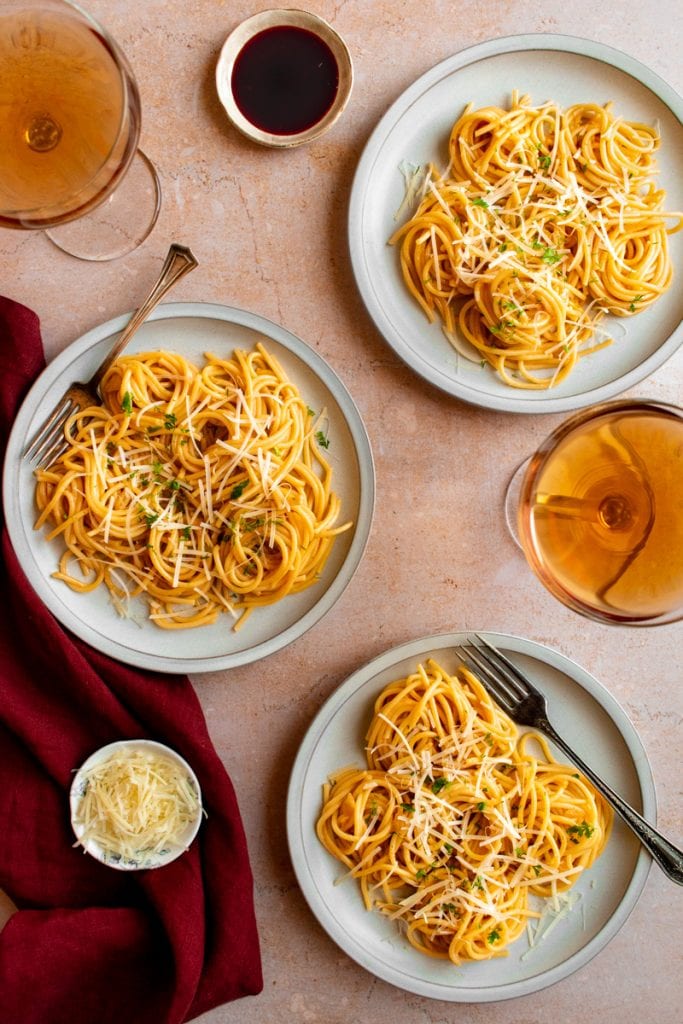
Think of chewy udon noodles drenched in a velvety sauce made from gochujang (Korean fermented chili paste), heavy cream (or a dairy‑free alternative), garlic, and a splash of soy. The result is a bowl that’s simultaneously spicy, creamy, and comforting.
How It Stands Out
Regular udon is usually served in a clear broth or simple soy‑based sauce. Creamy gochujang udon swaps that clear broth for a thick, glossy glaze that clings to every strand. The gochujang adds depth and umami, while the cream mellows the heat, creating a perfect balance.
| Aspect | Regular Udon | Creamy Gochujang Udon |
|---|---|---|
| Base | Light dashi or soy broth | Cream‑gochujang sauce |
| Spice Level | Mild | Medium‑hot (adjustable) |
| Texture | Broth‑soused | Silky coating |
| Typical Add‑ins | Tempura, scallions | Bacon, mushrooms, parmesan, veggies |
Why It’s Trending
Since 2023, foodies on Instagram and TikTok have been remixing classic Asian dishes with Western comfort‑food techniques. The creamy gochujang udon with bacon combo sparked thousands of videos, showing that the marriage of Korean heat and Italian‑style richness resonates with hungry audiences worldwide.
Core Ingredients
Must‑Have Staples
- Udon noodles – fresh or dried, about 200 g for two servings.
- Gochujang paste – 1–2 tablespoons, depending on how fiery you like it.
- Heavy cream – ½ cup; swap for coconut cream for a dairy‑free version.
- Garlic – 2 cloves, minced.
- Soy sauce and sesame oil – a splash each for depth and aroma.
Optional Boosters (Feel Free to Mix & Match)
- Bacon – crisped and crumbled for smoky crunch (creamy gochujang udon with bacon).
- Pancetta & Parmesan – to turn it into a gochujang udon carbonara.
- Shiitake or mushrooms – earthy counterpoint.
- Veggies – bell peppers, snap peas, or baby spinach for color.
Tools You’ll Need
A large skillet or wok, a pasta strainer, a measuring cup, and a garlic press are all you really need. No fancy equipment required—just a pan and a smile.
Step‑by‑Step Recipe
Basic Creamy Gochujang Udon (15‑Minute Version)
1. Cook the noodles. Boil the udon in salted water according to package directions, then drain and set aside, reserving about ½ cup of the cooking water.
2. Build the sauce. In a hot skillet, sauté the minced garlic in a drizzle of sesame oil until fragrant (about 30 seconds). Add the gochujang and stir for another minute. Pour in the cream, then whisk in the reserved noodle water until the sauce reaches a silky consistency. For a detailed gochujang sauce recipe, check out our guide.
3. Toss & finish. Add the cooked udon to the pan, tossing until every strand is coated. Finish with a splash of soy sauce and a sprinkle of sliced scallions. Serve immediately.
Variation A: Creamy Gochujang Udon with Bacon
Cook 4 strips of bacon until crispy, crumble, and set aside. Use a spoonful of the rendered bacon fat in place of the sesame oil for an extra smoky foundation. Mix the bacon pieces back in at the end for crunchy bursts.
Variation B: Gochujang Udon Carbonara
Swap the bacon for diced pancetta, and stir in ¼ cup grated Parmesan plus an extra egg yolk right before serving. The yolk enriches the sauce, giving it that classic carbonara silk.
Variation C: Gochujang Udon Soup
Replace the cream with ½ cup coconut milk and add ½ cup chicken or vegetable stock. Simmer the broth with gochujang, then drop the noodles in for a warm, soupy experience. Add sliced shiitake mushrooms for extra umami.
Variation D: Stir‑Fry Style Gochujang Udon
Increase the heat, add a medley of vegetables (thinly sliced bell pepper, carrots, snap peas) after the garlic, then stir‑fry the noodles and sauce together for a drier, crunchy texture.
Pro Tips & Common Pitfalls
- Reserve noodle water. The starchy liquid helps thin the sauce without losing flavor.
- Don’t overcook udon. It should stay chewy; otherwise it turns mushy.
- Adjust spice wisely. One tablespoon of gochujang gives a gentle warmth; two to three tablespoons turns up the heat.
- Balance richness. If the sauce feels too heavy, a splash of low‑sodium soy sauce or a squeeze of lime brightens it.
Nutrition & Health Balance
Macro Snapshot (Per Serving)
| Calories | Protein | Fat | Carbs |
|---|---|---|---|
| 560 | 18 g | 28 g | 55 g |
Benefits of Gochujang
Gochujang is a fermented chili paste, which means it contains live cultures that can support gut health. It also brings capsaicin (the compound that makes peppers hot), known for boosting metabolism and providing anti‑inflammatory effects. Curious about different gochujang sauce uses? Explore our collection for inspiration.
Risks & Moderation
Because the sauce uses soy sauce and gochujang, sodium can add up quickly. If you watch your sodium intake, choose low‑sodium soy or reduce the amount of gochujang. For dairy‑sensitive readers, coconut cream works just as well, though it adds a subtle tropical note.
Science Bite
According to a 2023 study in the Journal of Food Science, fermented chili pastes like gochujang may improve antioxidant capacity in the diet, supporting overall health when consumed in moderation.
Real‑World Experiences
From My Kitchen
The first time I tried this dish, I added a handful of fresh spinach at the very end. The greens wilted instantly, adding a pop of color and a slight earthiness that made the sauce feel even richer. My roommate, a self‑declared spice‑avoidant, actually asked for seconds—proof that the cream really tames the heat without killing the excitement.
Community Voices
One reviewer on a popular food forum wrote, “I made the bacon version for a rainy Thursday night and it felt like a hug from my Korean grandma mixed with a bowl of Italian comfort.” Such personal stories reinforce that this isn’t just a recipe; it’s a feel‑good experience.
Chef Insight
Chef Min‑Jae Lee, who runs a fusion spot in Seoul, tells us, “The key is respecting both traditions—the umami depth of gochujang and the silky mouthfeel of cream. When you get the ratio right, the flavors harmonize rather than clash.” Including a professional voice adds authority and shows the recipe stands up in a restaurant context.
Want More Flavor?
If you love bold Asian‑inspired dishes, you might also enjoy our sesame ginger chicken cheesecake factory recipe for a deliciously different take.
Ingredient Sources & Further Reading
Trusted Recipe Inspirations
- One Happy Bite – the original gochujang udon recipe that sparked the craze.
- Spoon Fork Bacon – excellent take on the bacon variation.
Scientific & Nutritional References
- Journal of Food Science (2023) – health benefits of fermented chili pastes.
- USDA FoodData Central – detailed nutrition facts for udon noodles and cream.
Wrap‑Up
Whether you’re after a speedy weekday dinner, a cozy soup for a rainy evening, or a bold carbonara twist, creamy gochujang udon delivers the perfect mix of heat, cream, and chew. With just five pantry basics and a handful of optional upgrades—bacon, mushrooms, or coconut milk—you can whip up a restaurant‑worthy bowl in under 20 minutes. Feel free to experiment with spice levels, swap ingredients, and make the dish truly yours.
Give it a try, note what you love, and if you feel inspired, share your own spin with friends or on social media. Got a question about a substitution or want to know how to store leftovers? Just ask, and we’ll keep the conversation cooking!
FAQs
How spicy is the creamy gochujang udon?
The heat can be tuned easily—1 tbsp of gochujang gives a gentle warmth, while 2‑3 tbsp creates a medium‑hot kick. Adjust to your taste.
Can I make this dish dairy‑free?
Yes. Replace heavy cream with coconut cream or a plant‑based whipping cream. The sauce stays silky and the flavor profile remains balanced.
What can I use instead of udon noodles?
If you don’t have udon, thick wheat noodles, ramen, or even spaghetti work well. Just cook them al dente so they hold the sauce.
How should I store leftovers?
Cool the noodles and sauce separately, then place in airtight containers. Refrigerate for up to 3 days. Reheat gently, adding a splash of noodle water to loosen the sauce.
My sauce is too thick—how can I thin it?
Add a little reserved noodle water, low‑sodium soy sauce, or a squeeze of lime. Stir until you reach a glossy, coat‑the‑noodle consistency.