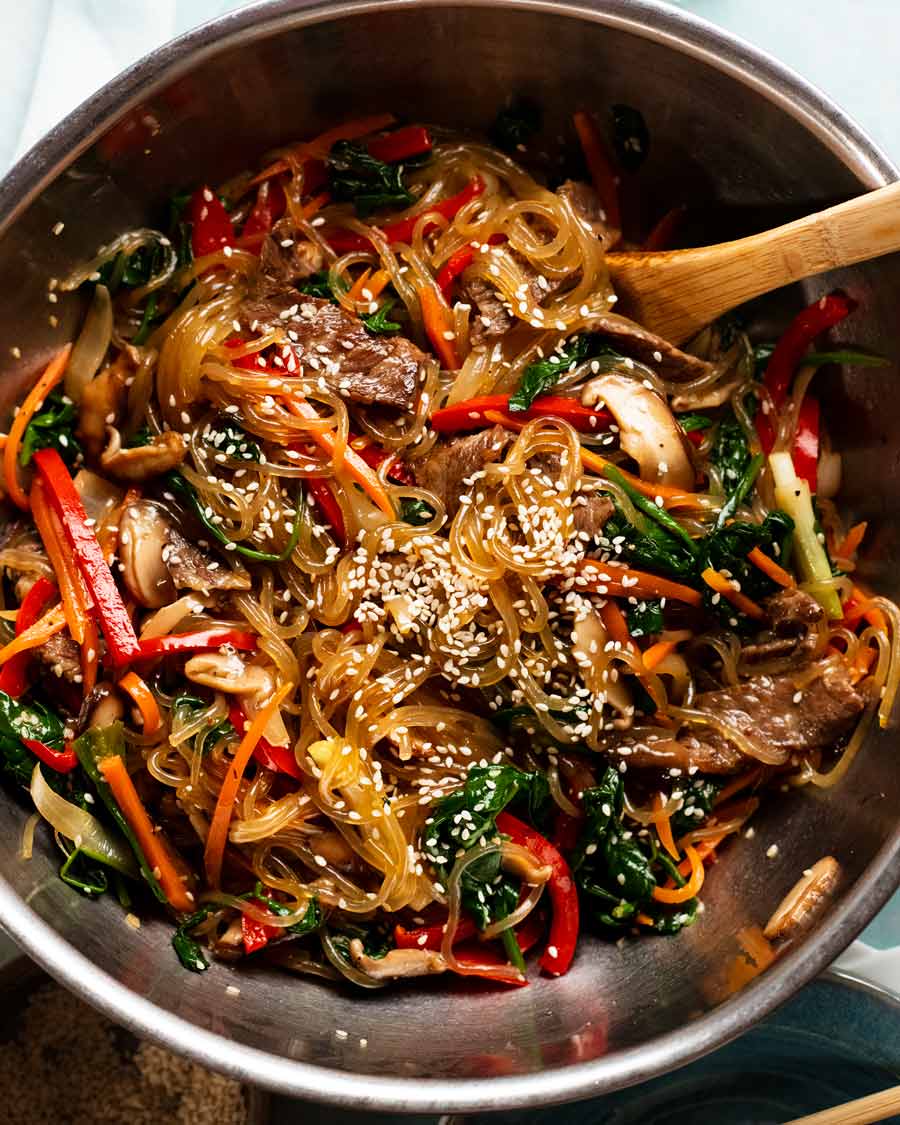
Heres the fastest, most flavorful way to make the best japchae recipe at home ready in under 30minutes, with a glossy sauce that even picky eaters love.
Whether youre craving classic beef japchae, a veggiepacked version, or a completely vegetarian twist, the steps below give you the exact ingredients, timing, and tips you need to nail that chewyyetsoft glassnoodle finish.
Why This Beats
Flavor Profile Explained
The secret isnt a mysterious spiceits balance. A dash of sugar (or honey), a splash of sesame oil, and a hit of soy sauce create a sweetsavory harmony that coats every strand of japchae noodles without drowning the vegetables.
Health Benefits
Sweetpotato glass noodles are lower in calories than wheat pasta, and when you load the pan with carrots, spinach, and mushrooms youre getting a boost of fiber, vitamins A and C, and iron. Adding lean proteinlike chicken or tofukeeps the dish satisfying while staying healthy japchae friendly.
Quick Comparison
| Aspect | Best Japchae (Homemade) | StoreBought JapchaeStyle |
|---|---|---|
| Flavor Depth | Layered, fresh, adjustable | Onenote, often salty |
| Nutrient Content | Control over veggies & protein | Limited veg, more preservatives |
| Texture | Chewy yet tender | Often soggy or overly soft |
| Cost per Serving | Budgetfriendly | Higher per pack |
Core Ingredients List
Japchae Noodles (SweetPotato Glass Noodles)
These translucent strands are the heart of the dish. Look for dangmyeon in the international aisle or at an Asian market. Store them in a cool, dry place; they keep for months.
Essential Sauce Ingredients
For the s take on balanced sauces, youll need:
- 2Tbsp soy sauce (or tamari for glutenfree)
- 1Tbsp sugar or honey
- 1Tbsp toasted sesame oil
- 2cloves garlic, minced
- tsp black pepper (optional)
This is the core of the best japchae sauce recipe. Feel free to adjust sweetness or saltiness to your taste.
Vegetable Lineup
Traditional japchae calls for:
- Carrots julienned for crunch
- Spinach blanched quickly to keep its bright green
- Shiitake mushrooms rehydrated and sliced
- Onion thinly sliced for sweetness
- Bell pepper adds color and a hint of sweetness
Protein Options
If youre not going full vegetarian, thinly sliced beef (ribeye) is classic. For a lighter spin, use chicken breast strips or firm tofu cubes. The japchae recipe vegetarian version simply omits meat and adds extra mushrooms or soy curls.
MustHave vs. NiceToHave
- MustHave: Noodles, soy sauce, sesame oil, garlic, at least two vegetables.
- NiceToHave: Toasted sesame seeds, shredded egg (for a Korean jegguk touch), gochugaru (Korean chili flakes).
StepbyStep Guide
Prep Phase (15min)
1. Noodle Prep: Soak the glass noodles in warm water for 2030minutes, then drain and toss with a teaspoon of sesame oil to keep them from sticking.
2. Veggie Prep: Julienne carrots and bell pepper, slice onions thinly, and soak shiitake mushrooms in hot water for 10minutes. Blanch spinach just until wilted, then squeeze out excess water.
3. Sauce Prep: Mix soy sauce, sugar, sesame oil, minced garlic, and black pepper in a bowl. Give it a quick whiskthis is your japchae sauce recipe base.
Cooking Phase (1012min)
1. Protein First: If using beef or chicken, heat a splash of oil over high heat, sear the strips until just cooked, then set aside.
2. Veggies OnebyOne: Toss carrots and bell pepper in the same pan; stirfry for 2minutes. Add onions and mushrooms; cook another minute. Finally, fold in the spinach.
3. Noodles Join In: Add the presoaked noodles to the pan, pour half the sauce over them, and toss vigorously. The sauce should cling to each strand, giving that glossy sheen.
Finishing Touches (2min)
Return the cooked protein to the wok, drizzle the remaining sauce, and give everything one last toss. Sprinkle toasted sesame seeds and sliced green onions on top. If you love extra aroma, finish with a tiny drizzle of toasted sesame oil.
Common Mistakes & Fixes
Noodles turn mushy? Oversoaking is the culprit. Stick to 2030minutes, and always stirfry quickly over high heat.
Sauce too salty? Balance it with a little extra sugar or a splash of water. Remember, seasoning is personaltaste as you go.
Diet Friendly Variations
Vegetarian Japchae
Swap meat for extra shiitake mushrooms or firm tofu. Press the tofu, cube it, and give it a quick pansear so it develops a golden crust. The texture mimics meat while keeping the dish plantbased.
LowCalorie / Healthy Japchae
Use less oil, increase the proportion of leafy greens, and consider brownrice glass noodles if you can find them. Adding bean sprouts boosts crunch without many calories.
Japchae with Chicken
Marinate chicken strips in a tiny spoon of the sauce, then stirfry until caramelized. The chicken absorbs the sweetsavory flavors, making each bite juicy.
Panlasang PinoyStyle Japchae
Filipino home cooks often replace the soybased sauce with a richer creamy version using milk and cheese. If youre curious, try a light splash of evaporated milk and a pinch of grated cheese for a fusion twist.
Expert Tips & Insights
Chefs Perspective
Chef LeeJoonhee of Seouls Banchan House says the key to perfect texture is a hot pan and a quick toss. He recommends using a carbonsteel wok to achieve those tiny, caramelized bits that make the dish unforgettable.
Science of Starch
According to a foodscience study, the gelatinized starch in sweetpotato noodles creates a distinct chewiness that wheat pasta cant match. The tiny pearllike bubbles inside the noodle trap sauce, giving that glossy finish we all love. For a quick lookup of nutrient values while planning portion sizes, check the USDA FoodData Central entry for sweet potato and related ingredients on FoodData Central.
HomeCook Experience
My first attempt was a disasterI oversoaked the noodles and ended up with a soggy mess. I learned to drain and toss them with oil immediately after soaking. That tiny step saved the entire dish.
Printable Recipe Card
Ingredient List
- 250g japchae noodles (dangmyeon)
- 2Tbsp soy sauce
- 1Tbsp sugar or honey
- 1Tbsp toasted sesame oil
- 2cloves garlic, minced
- tsp black pepper
- 1carrot, julienned
- bell pepper, thinly sliced
- 1onion, sliced
- 45shiitake mushrooms, sliced
- 2cups spinach, blanched
- 200g beef, chicken, or tofu (optional)
- 1Tbsp vegetable oil
- Sesame seeds & green onions for garnish
Timeline
- 2030min: Soak noodles.
- 5min: Prep veg & protein.
- 2min: Mix sauce.
- 1012min: Cook everything in sequence.
- 2min: Garnish and serve.
Download PDF
Click the QR code on the printed card to download a clean PDF version you can keep on your phone while cooking.
Sources & Further Reading
For deeper dives into Korean cooking techniques, see the Korean Food Promotion Institutes guide (accessed via ) and the comprehensive nutrient breakdown on the USDAs FoodData Central.
Final Thought Summary
Remember, the best japchae recipe is all about balanceperfectly chewy noodles, a wellcrafted sauce, and a colorful mix of vegetables that bring both texture and nutrition. Start with the classic version, then experiment with vegetarian, chicken, or even a playful Panlasang Pinoy twist. When you get the sauce right, youll hear that satisfying sizzle and see the glossy sheen that tells you youve nailed it.
Give the recipe a try tonight and let the aroma fill your kitchen. Whats your favorite protein or veggie addition? Share your experience with friends, and feel free to ask any questionsyoure not alone on this tasty journey!
FAQs
What type of noodles are authentic for japchae?
Traditional japchae uses sweet‑potato glass noodles called dangmyeon, which are translucent and have a chewy texture.
Can I make japchae without gluten?
Yes—swap regular soy sauce for tamari and be sure the glass noodles are 100% sweet‑potato starch, which is naturally gluten‑free.
How long should the noodles be soaked before cooking?
Soak the glass noodles in warm water for 20–30 minutes, then drain and toss with a little sesame oil to keep them separate.
What protein works best for a vegetarian version?
Firm tofu, tempeh, or extra shiitake mushrooms provide a satisfying bite; press and lightly sear tofu for a crisp exterior.
Why does my japchae turn soggy?
Over‑soaking the noodles or cooking over low heat can cause excess moisture; keep the pan hot and stir‑fry quickly.