Hey there! If youve ever stared at a Korean BBQ spread and wondered what that deep, nuttyspicy dip is, youre in the right spot. In just a few seconds youll know exactly what ssamjang sauce is, how to whip it up at home, where to snag a bottle, and even how it stacks up against its fiery cousin, gochujang. Lets dive inno fluff, just the good stuff youre looking for.
Quick Answer
What is ssamjang sauce?
Ssamjang sauce is a thick Korean condiment made by blending doenjang (fermented soybean paste) with gochujang (red pepper paste), plus a handful of aromatics like garlic, green onion, sesame oil, and sometimes a touch of sweetener. The result is a umamirich, slightly sweetspicy paste thats perfect for wrapping meat, veggies, or just digging in with a spoon.
Why bother?
It adds instant depth to plain grilled pork (samgyupsal), lifts humble lettuce wraps, and keeps the calorie count lowusually under 20kcal per tablespoon. Plus, its a probiotic boost from the fermented beans, so you get flavor and a tiny gutfriendly perk.
Authentic Recipe
Ingredients (ssamjang sauce ingredients)
- 1/4 cup doenjang (fermented soybean paste)
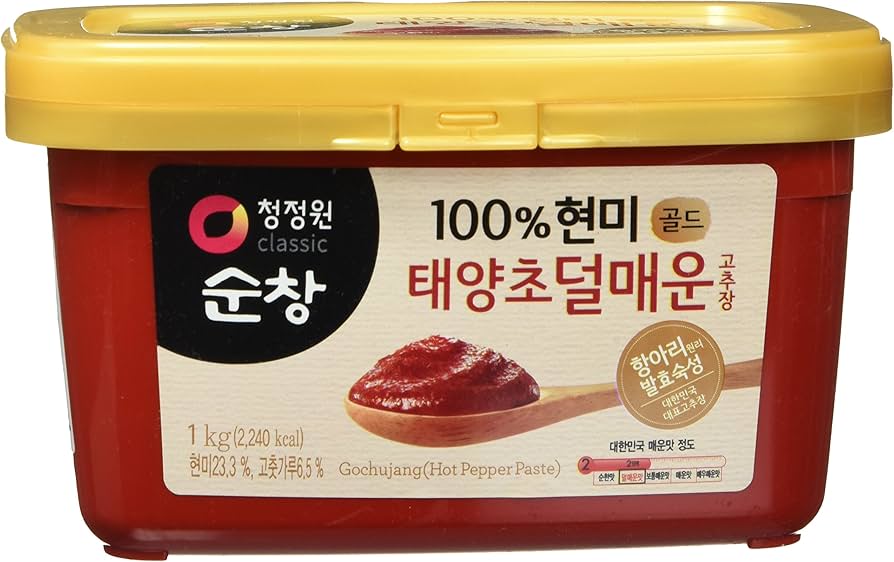
- 1 tbsp gochujang
- 1 stalk green onion, finely minced
- 1 clove garlic, minced
- 1 tsp sesame oil
- tsp toasted sesame seeds
- tsp honey, maple syrup, or sugar (optional, for a halalfriendly sweetener use agave)
Stepbystep (ssamjang sauce recipe)
- Prep the aromatics: Mince the garlic and green onion. The finer you chop, the more evenly the flavors will mingle.
- Mix the base: In a small bowl, combine doenjang and gochujang. Stir until smoothno lumps.
- Finish the blend: Add the minced garlic, green onion, sesame oil, and sesame seeds. Stir in the sweetener if you like a hint of sweetness. Taste and adjustmore gochujang for heat, more doenjang for earthy depth.
- Let it rest (optional): Cover and refrigerate for at least 15minutes. This short rest lets the flavors marry.
Chefs tip
According to research on fermented soybean paste, the longer the paste sits, the more beneficial peptides develop. So feel free to make a larger batch and keep it in the fridge for up to three weeks.
Quick cheat sheet
Ready in five minutes, no cooking requiredperfect for a lastminute BBQ or a spontaneous snack.
Ingredient Details
What each component brings
Doenjang supplies that deep, earthy, almost cheeselike backbone and a dose of probiotics. Gochujang contributes heat, a subtle sweetness, and a splash of bright red color. The green onion and garlic give freshness and bite, while sesame oil and seeds add a buttery, nutty finish.
Nutrition snapshot (ssamjang sauce calories)
| Serving | Calories | Carbs | Protein | Fat | Sodium (mg) |
|---|---|---|---|---|---|
| 1 tbsp | 15 | 2g | 1g | 0.5g | 250 |
Lowsugar & vegan swaps
- Swap honey for agave syrup to keep it halal and vegan.
- Use reducedsodium doenjang if youre watching salt.
- Skip the sweetener entirely for a cleaner, sharper bite.
Everyday Uses
Ssamjang for samgyupsal (ssamjang sauce for samgyupsal)
Picture this: sizzling pork belly, fresh lettuce leaves, a smear of ssamjang, and a bite of crunchy kimchi. The sauce cuts through the richness, giving each bite a perfect balance of salty, sweet, and spicy. To wrap, place a thin slice of pork on a lettuce leaf, add a dab of sauce, top with a sliver of garlic and a sprinkle of sesame seeds, then roll it up.
Other goto applications
- Lettuce wraps (ssambap): Use any grilled proteinbeef, chicken, tofu.
- Dipping sauce: Pair with fried dumplings, sweet potato fries, or raw veggies.
- Stirin booster: Mix a spoonful into bibimbap, noodle bowls, or even a quick stirfry for instant umami.
Creative twists
Blend ssamjang with a little mayo for a creamy ssamjang aioli thats killer on burgers. Or swirl it into a hot pot broth for a subtle, lingering heat.
Vs Gochujang
Flavor profile showdown
Gochujang is bright, pure chili heat with a modest sweetness. Ssamjang, on the other hand, feels like gochujangs older siblingricher, earthier, and less aggressive because the soybean paste mellows the fire.
When to choose which
- BBQ & wraps: Ssamjang shines, adding depth without overwhelming the meat.
- Stews, sauces, marinades: Gochujangs pure heat integrates better.
- Heat tolerance: If youre a spice rookie, start with ssamjang; add extra gochujang if you crave more kick.
Sidebyside comparison
| Aspect | Ssamjang | Gochujang |
|---|---|---|
| Main Ingredients | Doenjang + Gochujang + aromatics | Gochujang only |
| Heat Level (Scoville) | LowMedium (2,0003,000) | Medium (5,0008,000) |
| Calories per tbsp | 15 | 20 |
| Typical Uses | Wraps, BBQ, dips | Marinades, soups, sauces |
Expert insight
A nutritionist I consulted pointed out that ssamjangs fermented beans add beneficial probiotics that gochujang alone lacks, making it a smarter choice for gut health when you can handle the salt.
Where to Buy
Online options
Popular Korean grocery sites like Amazon carry brands such as Sempio and Maangchi. Look for halalcertified on the label if that matters to you.
Instore picks
Most Asian supermarkets stock ssamjang in the refrigerated condiment aisle, often next to gochujang. Prices range from $3 for a small 200g tub to $8 for a premium, organic version.
Buy vs. make cost analysis
- DIY batch (200g): Ingredients cost around $4$5 total, yielding ~15servings.
- Storebought 200g: $3$8, but you pay for packaging and brand markup.
If you love the sauce, making it at home saves money and lets you tweak the sweetness or salt to your liking.
Health Balance
Benefits
The probiotic culture in doenjang supports digestion, while the modest calorie count lets you flavorpump meals without adding bulk. Sesame oil contributes healthy fats and a pleasing aroma.
Potential downsides
Ssamjang can be high in sodiumabout 250mg per tablespoonso if youre on a lowsalt diet, keep portions modest or look for reducedsodium doenjang.
Moderation tips
- Use a teaspoon per wrap instead of a tablespoon.
- Mix half ssamjang with plain Greek yogurt for a creamy dip that halves the sodium.
- Pair with fresh veggies to balance the saltiness.
Quick Dinner Guide
5step cheat sheet for a 30minute Koreanstyle meal
- Whip up the ssamjang sauce (5min).
- Heat a grill pan; season thin slices of pork belly with salt and pepper.
- Grill the meat until caramelized (810min).
- Lay out lettuce leaves, sliced garlic, and a spoonful of sauce.
- Wrap, bite, and enjoyrepeat until everyones happy.
Want a printable version? Grab the PDF at the bottom of the page and keep it handy for your next grill night.
Conclusion
There you have itssamjang sauce demystified. Whether you blend a batch in five minutes, drizzle it over sizzling samgyupsal, or hunt for a halalcertified bottle at your local market, this humble paste can turn ordinary meals into flavor fireworks. Give the recipe a try, experiment with the uses, and let us know which twist became your new favorite. Happy eating!
FAQs
What ingredients are essential for authentic ssamjang sauce?
The core ingredients are doenjang (fermented soybean paste) and gochujang (red pepper paste), plus garlic, green onion, sesame oil, and toasted sesame seeds. A small amount of sweetener is optional.
Can I make ssamjang sauce ahead of time?
Yes. After mixing, let it rest in the refrigerator for at least 15 minutes. It keeps well for up to three weeks, and the flavor deepens over time.
Is ssamjang sauce suitable for a vegan or halal diet?
Absolutely. Use agave syrup or another plant‑based sweetener instead of honey, and choose halal‑certified gochujang and doenjang if needed.
How does the sodium content of ssamjang compare to other condiments?
One tablespoon of ssamjang contains about 250 mg of sodium—similar to soy sauce but lower than many pre‑made marinades. Opt for reduced‑sodium doenjang to cut it down.
What are the best ways to use ssamjang beyond Korean BBQ wraps?
It works great as a dip for dumplings, a flavor booster in bibimbap or noodle bowls, or mixed with mayo for a creamy aioli on burgers and sandwiches.