Ever bitten into a meat pie only to find the crust stubbornly hard, breaking apart before you even get to the savory filling? Youre not aloneits a common frustration that can turn a promising dinner into a disappointment. The good news? Achieving a soft, tender crust is easier than you think, and you dont need a professional pastry chefs license. Below youll find everything you need, from the science behind a supple dough to a stepbystep method that even beginners can follow. Grab a bowl, a chillier than your fridge, and lets unlock that perfect, meltinyourmouth texture together.
Why Soft Crust
First things firstwhy does a soft crust matter? When the dough is too firm or overworked, it creates a dense barrier that prevents the flavors of the meat filling from mingling with the buttery layers. The result? A pie that feels more like chewing on cardboard than enjoying a comforting, hearty meal. On the flip side, a supple crust gives you that satisfying flakybuttender bite that people rave about in the best meat pie dough recipe circles.
Softness also plays a practical role. A flexible dough is easier to roll, shape, and seal around the filling, reducing the chance of cracks that let steam escape or, worse, cause the filling to ooze out while baking. Think of it as the difference between a tight, uneasy handshake and a warm, relaxed oneyoull instantly feel the difference.
Key Dough Ingredients
Understanding each ingredients job is the foundation of a reliable dough. Below is a quick rundown of what youll need and why each piece matters.
| Ingredient | Role | Typical Amount (for 2pie batch) |
|---|---|---|
| Allpurpose flour | Provides structure; moderate protein for gluten | 250g (2cups) |
| Cold butter (or halfandhalf shortening) | Creates flaky layers; adds richness | 125g (cup) |
| Icecold water | Brings dough together without warming the fat | 46Tbsp |
| Salt | Enhances flavor; tightens gluten slightly | tsp |
| Optional: a pinch of sugar or a dash of vinegar | Sugar softens gluten; vinegar retards gluten formation | 1tsp sugar / tsp vinegar |
If youre curious about the protein content of different flours, the USDAs FoodData Central provides detailed breakdowns (see FoodData Central).
StepbyStep Method
Ready to roll? Follow these picturesfree, clear instructions and youll have a dough thats soft yet sturdy enough to hold a hearty, how to make rich meat pie filling.
1. Chill Everything
Place your mixing bowl, measuring cups, and even the butter in the freezer for 1015minutes. Cold tools keep the butter from melting when you start mixing, which is vital for that flaky texture.
2. Combine Dry Ingredients
In your chilled bowl, whisk together the flour, salt, and optional sugar. This ensures an even distribution of seasoning before the fat enters the scene.
3. Cut in the Butter
Drop the cold butter cubes into the flour mixture. Using a pastry cutter or your fingertips, rub the butter into the flour until the mixture resembles coarse peastiny flecks of butter still visible. This cutin step is the heart of a soft crust; dont rush it.
4. Add Ice Water Gradually
Drizzle 4Tbsp of icecold water over the mixture and stir with a fork. If the dough looks dry, add another tablespoon, one at a time, until it just comes together when pressed. Overwatering will make the dough sticky, while underwatering leaves it crumbly.
5. Gentle Knead and Rest
Turn the dough onto a lightly floured surface, gather it into a ball, and give it a quick 12minute foldjust enough to bring it together, not to develop gluten. Wrap it in plastic wrap and chill for 3045minutes. This resting period relaxes the gluten strands, ensuring that softness when you bake.
6. Roll and Shape
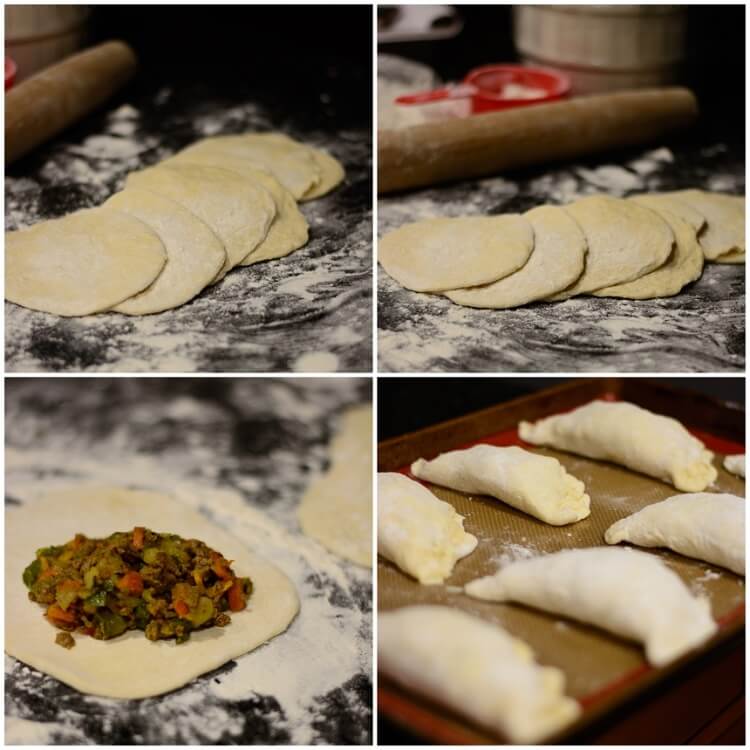
After chilling, flatten the dough with a rolling pin to about 3mm thickness. Keep the surface lightly floured but avoid adding too much extra flour, which can dry out the crust. Cut circles or rectangles for your pie tins, then gently press the dough into the pan, leaving a slight overhang for sealing.
7. Assemble and Bake
Fill with your favorite meat mixtureperhaps a classic old fashioned meat pie recipe or a spicier how to make nigerian meat pie filling. Brush the edges with a little beaten egg for a golden finish, then bake at 200C (390F) for 2530minutes, or until the crust is a lovely amber.
Common Troubleshooting Tips
Even the best bakers hit snags. Heres a quick cheat sheet when things go sideways.
Dough Too Hard?
- Cause: Overmixing or butter warmed.
- Fix: Let the dough rest an extra 15minutes; gently pat in a few more ice cubes of water.
Dough Crumbly?
- Cause: Not enough moisture or butter too cold.
- Fix: Add a teaspoon of ice water at a time until it holds together, or let the dough sit at room temperature for a couple of minutes before rolling.
Sticks to the Surface?
- Cause: Dry dough or warm countertop.
- Fix: Lightly dust the work surface with flour and chill the dough again for 1015minutes.
For safety and shelflife tips, the official Food Safety site has clear guidance on storing pastry dough (FoodSafety.gov).
Tasteful Recipe Variations
Once youve mastered the basic dough, the world of meat pies opens up like a pantry of possibilities.
Shortcrust Pastry for Meat Pie
If you prefer a denser, crumbly base, swap half the butter for a splash of cold milk and reduce the water to 2Tbsp. This yields a shortcrust thats perfect for a rustic, homestyle pie.
Old Fashioned Meat Pie
Use the simple meat pie dough recipe as a base, then add a tablespoon of grated nutmeg to the flour for a nostalgic spice note that harks back to Victorian kitchens.
Nigerian Meat Pie Twist
Incorporate a pinch of cayenne and a teaspoon of thyme into the dough, then fill with a pepperrich, tomatobased meat mixture. The result is a vibrant, spicy pocket that pairs beautifully with the soft crust.
Rich Meat Pie Filling
Make the filling extra juicy by deglazing your pan with a splash of red wine and adding a spoonful of beef stock concentrate. The extra moisture locks into the dough during baking, keeping the crust from becoming dry.
Expert Baking Tips
Here are a few prosecret ideas that will cement your reputation as the goto pie maker among friends.
Temperature Is Everything
Chef Lola, a pastry instructor, swears by a bowlandblade chill of at least 20minutes before mixing. The colder everything stays, the less the butter melts, which preserves those coveted flaky layers.
Resting Benefits
Studies from food science labs show that a 30minute rest reduces gluten tension, resulting in a dough that stretches gently rather than snapping. This is the same principle behind resting bread dough.
Gentle Handling
When youre rolling out the dough, avoid pressing too hard. Think of it as coaxing a reluctant cat onto a blanketsoft, patient movements keep the gluten from tightening.
Personal Anecdote
The first time I tried this method, I overkneaded by half a minute and ended up with a crust that felt like a tire tread. After a quick chill and a gentle reset, the second batch turned out so soft I almost criedmy family declared it the best meat pie they\'d ever tasted. It reminded me that pastry is as much about patience as it is about technique.
Quick Final Checklist
Before you dash to the oven, run through this short list to guarantee success.
- All butter and water are icecold.
- Flourbutter mixture resembles coarse peas.
- Only add enough water for the dough to hold together.
- Rest the dough for at least 30minutes.
- Roll to an even 3mm thickness.
- Seal the pie edges tightly to avoid leaks.
- Bake until golden, then let rest 5minutes before serving.
Wrapping Up
There you have ita complete, friendly guide to making meat pie dough soft, flaky, and downright delicious. By keeping everything cold, respecting the resting time, and handling the dough with care, youll turn a potentially tough crust into a buttery, meltinyourmouth masterpiece. Whether youre recreating a classic old fashioned meat pie recipe, exploring a spicy how to make nigerian meat pie, or simply craving the comfort of a homecooked pie, this dough is your trusty foundation.
Give the method a try this weekend, and feel free to experiment with the variations weve discussed. If you discover a tweak that works even better, share it with your fellow pie loversyoull be spreading the joy of a perfect, soft crust far and wide. Happy baking!
FAQs
What temperature should the butter be for a soft meat pie crust?
Butter should be ice‑cold, straight from the refrigerator or briefly in the freezer. Cold butter creates flaky layers that stay tender after baking.
Why is it important to rest the dough before rolling?
Resting relaxes gluten strands, preventing the dough from becoming tough. A 30‑45 minute chill in the fridge gives you a softer, more pliable crust.
Can I use shortening instead of butter?
Yes, a mix of cold butter and shortening works well. Butter adds flavor, while shortening contributes extra tenderness and flakiness.
How much water should I add to the dough?
Add ice‑cold water a tablespoon at a time until the dough just comes together. Typically 4‑6 Tbsp for a two‑pie batch is enough.
What’s the best baking temperature for a soft, golden meat pie crust?
Bake at 200 °C (390 °F) for 25‑30 minutes, or until the edges are a light amber color. This high heat sets the crust quickly while keeping the interior soft.