Quick Facts
Did you know the aspen bolete is one of the friendliest mushrooms you can find under trembling aspen trees? In a nutshell, its edible, its flavor is mild, and its safe as long as you cook it properly. The key to enjoying it without a hitch is spotting the right cap, confirming the scabrous (flaky) stalk, and giving it a good heattreatment.
If youre wondering whether its worth the hunt, the answer is a resounding yes: this bolete shows up most summers from July through October, and it can turn a simple foraging walk into a culinary adventure.
Taxonomy & Names
Scientific classification
The aspen bolete belongs to the family Boletaceae, genus Leccinum, species insigne. Its sometimes called the aspen scaberstalk because of the tiny, rough flakes that cover its stem. Those little scabers are the mushrooms signature ID badge.
Common names and lookalikes
Dont be fooledthere are several lookalike mushrooms that share a similar orangebrown palette. Here are the most common ones you might bump into on a forest floor:
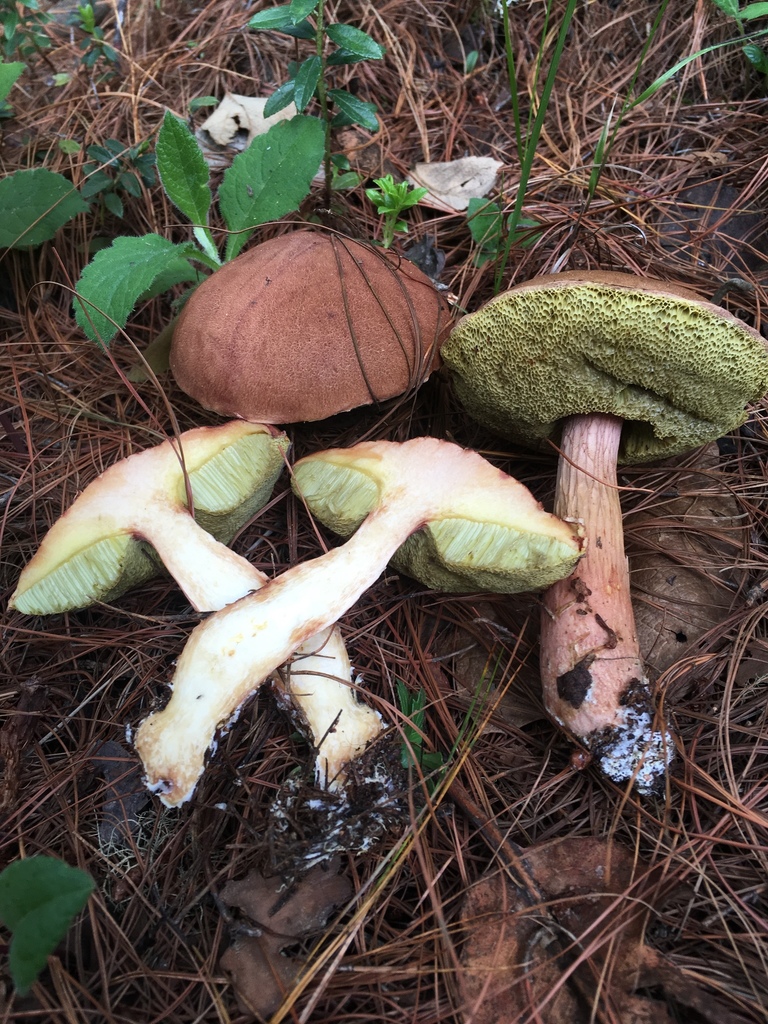
- Birch bolete (Leccinumspecies) grows under birch, smoother stalk.
- King bolete (Boletus edulis) larger cap, pinkish pores, prized for its nutty taste.
- Orange bolete (often Leccinum aurantiacum) brighter orange cap, found in different habitats.
- Manzanita bolete (Leccinum manzanitae) favors chaparral, not as common in northern forests.
Quick comparison table
| Feature | Aspen Bolete | Birch Bolete | King Bolete | Orange Bolete |
|---|---|---|---|---|
| Host tree | Aspen | Birch | Various hardwoods | Often pine or spruce |
| Cap color | Orangebrown, dry | Browngray | Dark brown to black | Bright orange |
| Stalk texture | Scabrous (flaky) | Smoother | Smooth, thick | Sometimes flakey |
| Edibility | Edible, mild | Edible, similar | Highly prized | Edible but less flavorful |
Habitat & Season
Where it grows
The aspen bolete is a true aspen lover. Youll find it forming mycorrhizal bonds with the roots of trembling aspen (Populus tremuloides) across the western United States, Canada, and the northern Rockies. Look for it at forest edges where the soil stays a little looser and the sunlight filters through.
When to look
Its fruiting window stretches from late July into early October, peaking in August when summer rains are still fresh. A quick tip: if you see a recent rain followed by mild temperatures, thats the mushrooms cue to pop up.
Mapping your finds
If youre the type who likes to keep track, try a simple foraging log: note the date, GPS coordinates, and the tree species nearby. Over time youll notice patterns that turn your hikes into a treasure hunt.
How to Identify
Key field characteristics
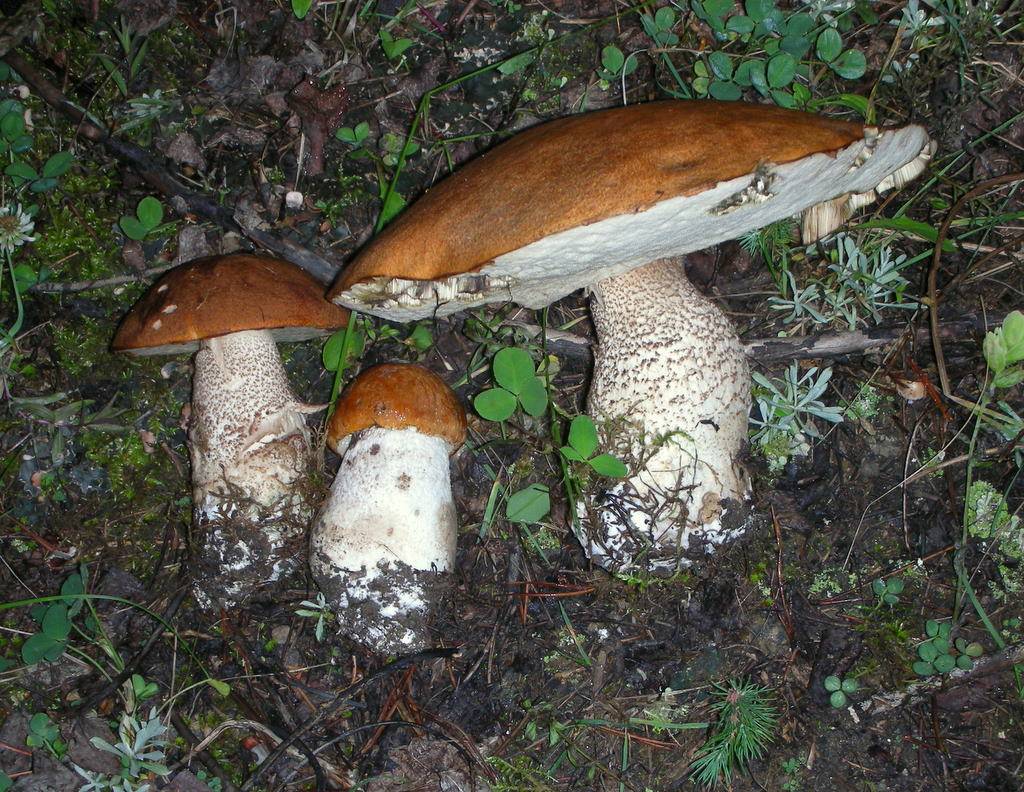
Imagine youre holding a small orangebrown umbrella in your hand. Thats the cap, usually 515cm wide, dry and sometimes a bit cracked on the surface. Flip it over and youll see a spongelike layer of pores instead of gillstypical bolete style.
The stalk is where the magic happens. Its 815cm long, paletan, and covered in those tiny, whitetolightbrown scabers that feel like fine sandpaper. Run your finger over the stem; if its a little gritty, you probably have an aspen bolete.
Distinguishing from lookalikes
Heres a quick mental checklist:
- Host tree check: Aspen? If you see birch or pine instead, youre dealing with a different Leccinum species.
- Stalk texture: Scabers = aspen bolete; smooth = birch bolete.
- Cap hue: If the cap is a neon orange, think orange bolete or Leccinum aurantiacum instead.
- Pore reaction: Gently bruise a poreif it stays pale, youre likely on the right track; a blueish tinge can hint at a toxic lookalike.
Microscopic clues (optional)
For the truly curious, a brown spore print confirms its a bolete. Most field guides, such as those from the North American Mycological Association (fungi.org), detail the spore size and shape for deeper verification.
Edibility & Cooking
Is it truly edible?
Yesmost experienced foragers rate the aspen bolete as good but not great in flavor. Its texture holds up well in soups and stews, and it absorbs seasonings like a culinary sponge.
Why cooking matters
Even though it isnt poisonous, raw aspen bolete can cause mild gastrointestinal upset. The culprit is a heatlabile compound that breaks down when cooked for at least ten minutes. So, think of cooking as both a flavor booster and a safety net.
Simple preparation steps
- Clean gently: Brush off dirt with a soft brush; avoid soaking, which can make the mushroom soggy.
- Slice and saut: Toss the pieces in butter or oil over medium heat for 57minutes until they start to brown.
- Finish in liquid: Add broth, wine, or cream and simmer another 5minutes. The mushroom will release its subtle earthiness into the sauce.
Flavor pairing ideas
Aspen bolete loves bold companions. Throw it in a pot with king bolete for a richer depth, or stir it into a thymeinfused chicken broth. A splash of sherry or a pinch of smoked paprika can elevate the mild taste to something memorable.
Risks & Safety
Leccinum poisoning overview
While genuine poisonings are rare, there are documented cases of Leccinum poisoning where people experienced stomach cramps after eating undercooked mushrooms. The symptoms are usually shortlived, but they underscore the importance of thorough cooking.
Misidentification hazards
Mixing up an aspen bolete with a toxic relativelike an improperly identified Leccinum aurantiacum that grows on nonaspen hostscan lead to unpleasant digestion. Thats why the host tree check is your first line of defense.
Threestep safety checklist
- Confirm the tree is trembling aspen.
- Examine the stalk for scabers.
- Cook for at least ten minutes, never eat raw.
When to say no
If the cap looks shriveled, the flesh has an offodor, or the colors have faded to a dull gray, its safest to leave it behind. Trust your sensestheyre the best field guides you have.
Resources & Reading
For deeper dives, check out the USDA Forest Services mushroom safety page and the North American Mycological Associations field guide PDFs. Both provide reliable, sciencebacked information that you can cite in your own notes.
Conclusion
The aspen bolete is a modest yet rewarding find for anyone who loves to wander beneath aspen groves. With its unmistakable scabrous stalk, gentle flavor, and a clear set of cooking rules, it offers a lowrisk way to expand your wildfood repertoire. By respecting its habitat, doublechecking the host tree, and giving it a good heattreatment, youll turn a simple walk in the woods into a delicious, confidencebuilding experience.
Got a favorite aspen bolete recipe or a memorable foraging story? Share it with fellow mushroom enthusiasts and keep the conversation growing. Happy hunting, and stay safe out there!
FAQs
What tree does the aspen bolete grow with?
It forms a mycorrhizal partnership almost exclusively with trembling aspen (Populus tremuloides).
How can I tell an aspen bolete apart from a birch bolete?
Check the stalk: aspen bolete has a scabrous (flaky) texture, while birch bolete’s stem is smoother. Also verify the host tree.
Is it safe to eat aspen bolete raw?
No. Raw aspen bolete may cause mild stomach upset. Always cook it for at least ten minutes to destroy heat‑labile compounds.
What is the best way to prepare aspen bolete for a beginner?
Clean the caps gently, slice them, sauté in butter or oil for 5‑7 minutes, then finish in broth or cream for another 5 minutes.
Can aspen bolete cause poisoning if misidentified?
Misidentifying a toxic look‑alike, especially on the wrong host tree, can lead to gastrointestinal distress. Verify tree species and stalk texture before harvesting.