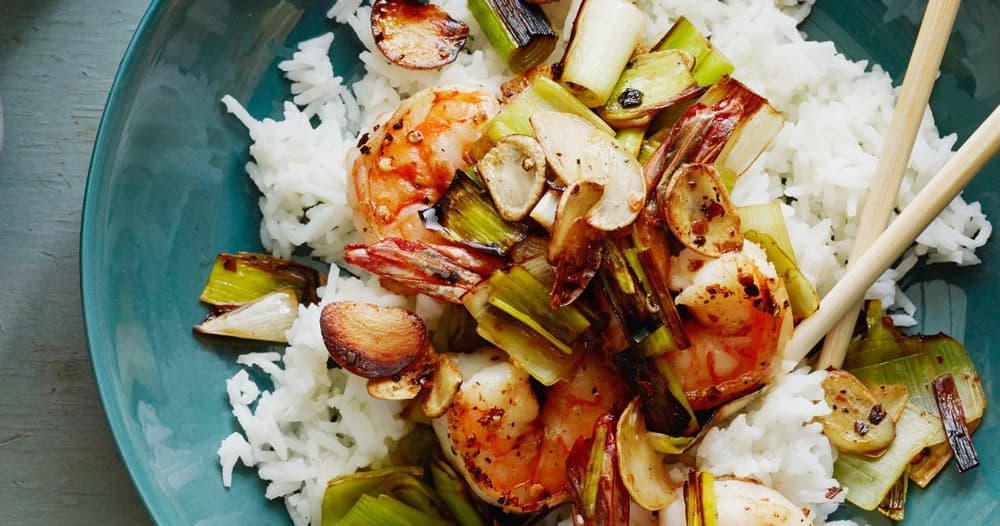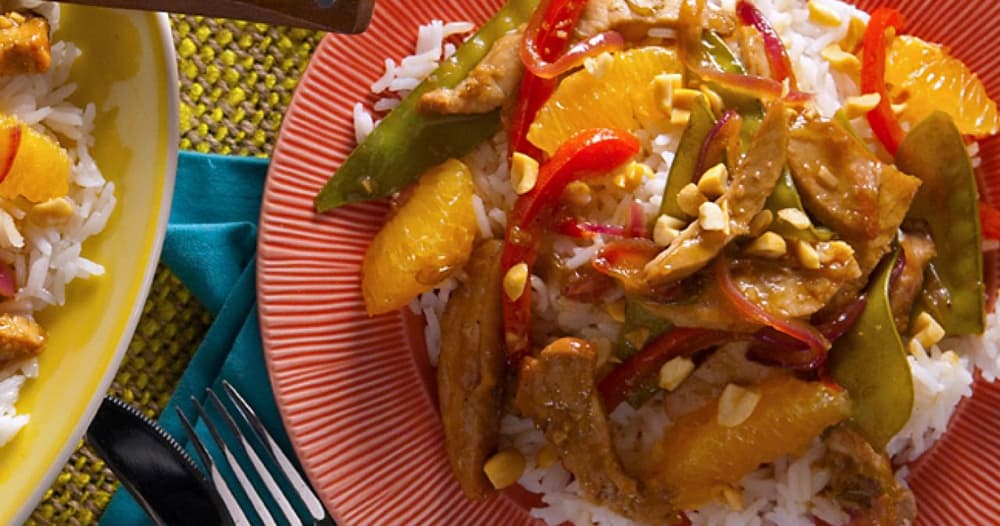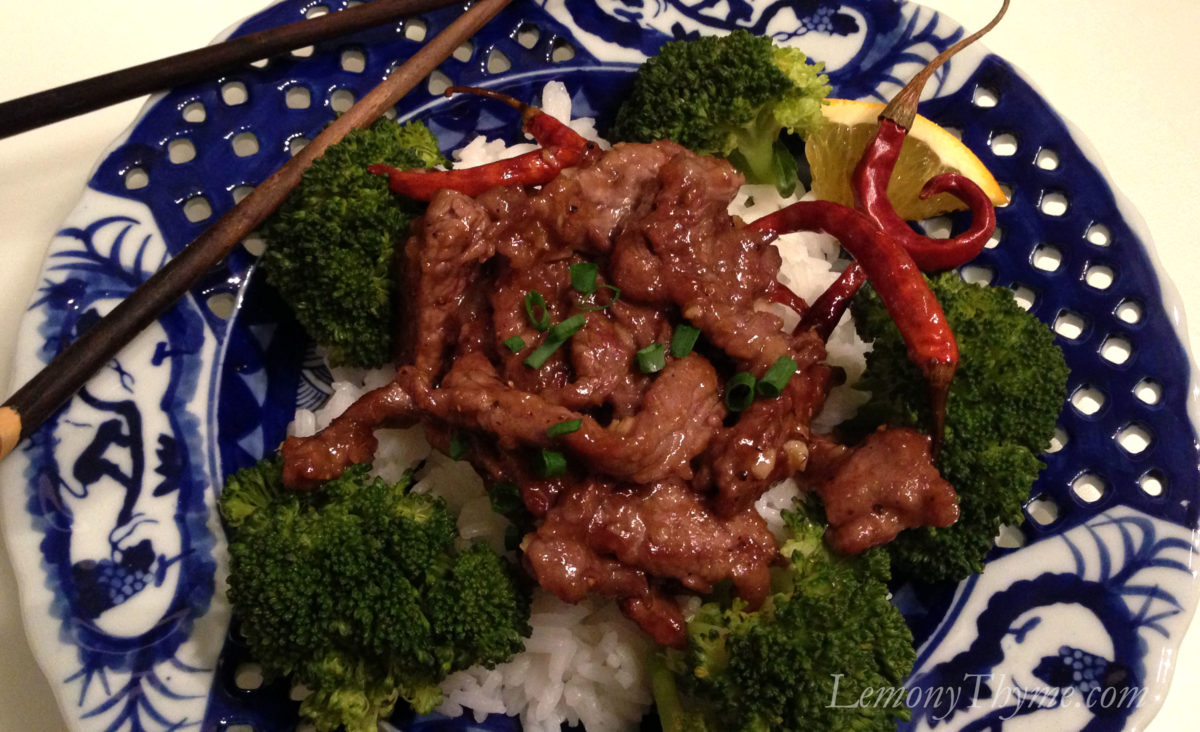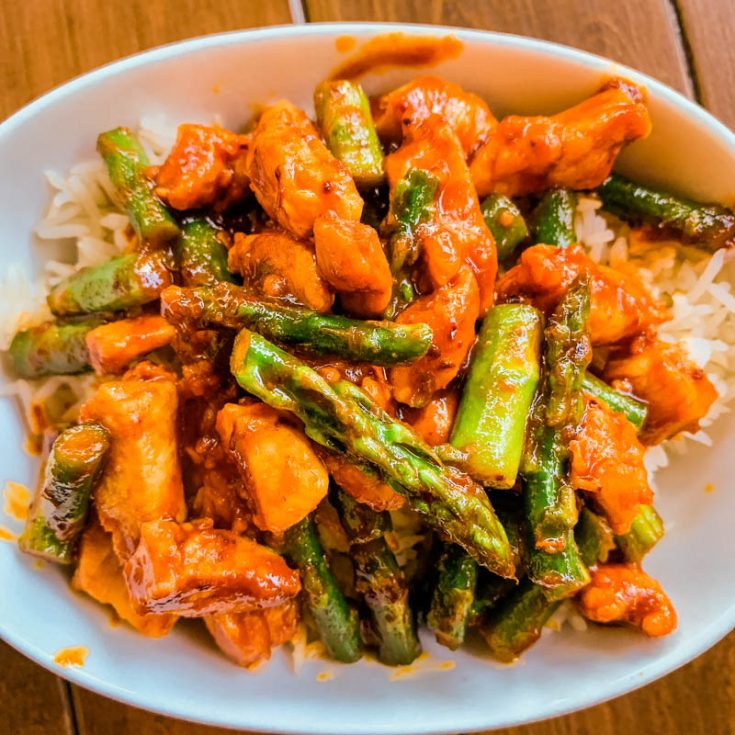
Craving a bold, sweetspicy dinner thats ready in under 30 minutes? Youre in the right place. This Korean chicken stir fry gochujang delivers glossy sauce, tender chicken, and crunchy veggies in one panno fancy equipment required.
Below youll find everything from why gochujang works so well, to a foolproof recipe, tasty variations (like gochujang chicken stir fry noodles or gochujang chicken and rice), and tips that keep the dish from turning soggy. Lets get cooking together!
Why Gochujang Works
What Is Gochujang?
Gochujang is a fermented Korean chili paste made from gochu (red pepper), glutinous rice, soybeans, and salt. The fermentation gives it a deep umami backbone, while the chili gives a gentle heat and the rice adds a subtle sweetness. Think of it as the Korean cousin of sriracha that brings balance instead of just heat.
Health Benefits & Risks
Because its fermented, gochujang contains beneficial bacteria that can support gut health. Its also rich in antioxidants from the red peppers. On the flip side, many commercial brands add a lot of sugar and sodium, so its smart to check the label if youre watching your intake.
| Pros | Cons |
|---|---|
| Rich umami flavor | Can be high in sodium |
| Contains probiotics | Added sugars in some brands |
| Versatile for sauces, marinades, soups | Strong flavor may overwhelm delicate dishes |
Balanced Perspective
Enjoying gochujang in moderationsay a tablespoon per servinglets you reap the flavor and potential health perks without the downsides. If youre skeptical, try a lowsodium, lowsugar variety and taste the difference.
Essential Ingredients
Core Pantry Items
For the sauce, youll need gochujang, soy sauce, a touch of honey or brown sugar, minced garlic, grated ginger, and a splash of rice vinegar. This combo creates the classic gochujang stir fry sauce that clings to every bite.
Choosing the Right Chicken
Ive tried both breasts and thighs. Breasts are lean but can dry out quickly; thighs stay juicy and give the dish a richer mouthfeel. If youre short on time, bitesize thigh pieces work wonders.
Vegetables That Shine
Colorful bell peppers, sliced carrots, broccoli florets, and snap peas are my goto. Theyre sturdy enough for highheat stirfrying and soak up the sauce beautifully. Want a lighter version? Swap some of the veggies for zucchini or bokchoy.
Seasonal Swap Chart
| Season | Veggies to Use |
|---|---|
| Spring | Asparagus, baby carrots, pea shoots |
| Summer | Bell peppers, corn, zucchini |
| Fall | Butternut squash, kale, mushrooms |
| Winter | Broccoli, cauliflower, Brussels sprouts |
StepbyStep Recipe
1. Prep & Marinate (5min)
Combine 2tbsp gochujang, 1tbsp soy sauce, 1tbsp honey, 1tsp minced garlic, and tsp grated ginger in a bowl. Toss bitesize chicken pieces (about lb) in the mixture, and set aside while you prep the veggies. The brief marination infuses the meat with that signature sweetspicy punch.
2. HighHeat StirFry (8min)
Heat a large nonstick skillet or wok over mediumhigh heat. Add 1tbsp neutral oil (like canola), then spread the chicken in a single layer. Let it sear for ~2minutes without movingthis creates a caramelized crust. Flip and cook another 2minutes, then push the chicken to the side.
3. Veggie Blitz (4min)
Drop in the harder veggies first (carrots, broccoli). Stirfry for a minute, then add softer ones (bell pepper, snap peas). Toss everything together, letting the heat bring out the natural sweetness.
4. Sauce Finale (2min)
Pour the remaining gochujangmarinade into the pan, stir, and let it simmer for a minute. If the sauce looks thin, stir in a slurry of 1tsp cornstarch mixed with 2tbsp water. Finish with a drizzle of sesame oil and a sprinkle of toasted sesame seeds.
Quick LookNow List (Great for Featured Snippets)
- Marinate chicken in gochujang mixture (5min).
- Sear chicken over high heat, then set aside.
- Stirfry veggies, starting with the firmest.
- Add sauce, thicken if needed, finish with sesame oil.
- Serve hot over rice, noodles, or on its own.
Easy Variations
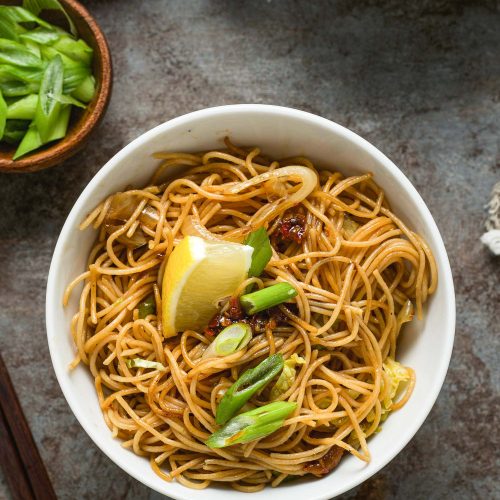
Gochujang Chicken Stir Fry Noodles
Swap the rice for cooked soba or rice noodles. After the sauce thickens, toss the noodles in the pan for a minute until theyre glossy. This version is perfect for a quick lunchbox meal.
Gochujang Chicken & Rice
Serve the stir fry over steamed jasmine or brown rice. The gentle grain absorbs the sauce, creating a comforting bowl that feels like homemade Korean comfort food.
VegetarianOnly Version
Replace the chicken with firm tofu cubes or tempeh. The same gochujang stir fry sauce works wonders, and youll still get that savorysweet kick.
Ingredient Substitution Table
| Original | Swap | Notes |
|---|---|---|
| Chicken thigh | Firm tofu | Press tofu to remove excess water. |
| Jasmine rice | Quinoa | Higher protein, similar texture. |
| Soba noodles | Spiralized zucchini | Lowcarb, quick to cook. |
Troubleshooting Tips
Why Is My Sauce Watery?
Most often its because the pan wasnt hot enough or the cornstarch slurry wasnt added. Raise the heat to a gentle boil and stir in the slurry; the sauce should coat the back of a spoon within a minute.
How to Keep Chicken Crispy
Pat the chicken dry before marinating, and avoid crowding the pan. Overcrowding releases steam, which steams the meat instead of searing it. Work in batches if needed.
Can I Make the Sauce Ahead?
Absolutely. Store the gochujang stir fry sauce in an airtight jar in the fridge for up to a week. The flavors meld even more, giving you a readytogo base for future meals.
Schema Hint for FAQ Rich Snippet
When you add structured data to the final article, include questions like Why is my gochujang sauce watery? and How do I keep chicken crispy? to help Google surface the answers directly.
Nutrition Snapshot
A typical serving (cup chicken, 1cup veggies, 2tbsp sauce) offers about 350kcal, 25g protein, 10g fat, and 35g carbs. The protein comes from the chicken, while the carbs are primarily from the sauce and vegetables. For exact numbers, you can check the USDA FoodData Central database for each ingredientUSDA FoodData.
Finding Authentic Gochujang
If you shop at a local Asian market, look for gochujang sold in glass jars rather than plastic tubs; the glass version usually has fewer preservatives. Read the labelauthentic Korean brands list glutinous rice as a primary ingredient and keep added sugars under 10g per 100g. For online options, reputable Korean grocery sites often ship directly from Korea, ensuring you get that genuine depth of flavor.
Get Involved
Now that youve got the basics, its time to make the dish your own. Try adding a splash of toasted rice powder for extra nuttiness, or sprinkle chopped scallions for freshness. If you experiment with gochujang fried chicken for a crunchier twist, let us know how it turned out!
Feeling inspired? Grab the ingredients, fire up the skillet, and enjoy a bowl of Korean chicken stir fry gochujang thats both comforting and exciting. Happy cooking!
FAQs
What can I substitute for gochujang in this recipe?
You can use a mix of chili paste, miso, and a touch of honey or brown sugar to mimic the sweet‑spicy flavor, though the authentic taste will differ.
How long should I marinate the chicken?
A brief 5‑minute marination is enough to coat the chicken with flavor; longer marinating (up to 30 minutes) works too but isn’t required.
Can I make this dish gluten‑free?
Yes—use tamari or a gluten‑free soy sauce instead of regular soy sauce and ensure your gochujang brand has no wheat additives.
Why does my sauce become watery?
The pan may not be hot enough or the cornstarch slurry wasn’t added; increase heat to a gentle boil and stir in a 1 tsp cornstarch‑water mixture.
What’s the best way to keep the chicken crispy?
Pat the chicken dry before marinating and avoid crowding the pan; cook in batches if necessary to get a proper sear.