Introduction
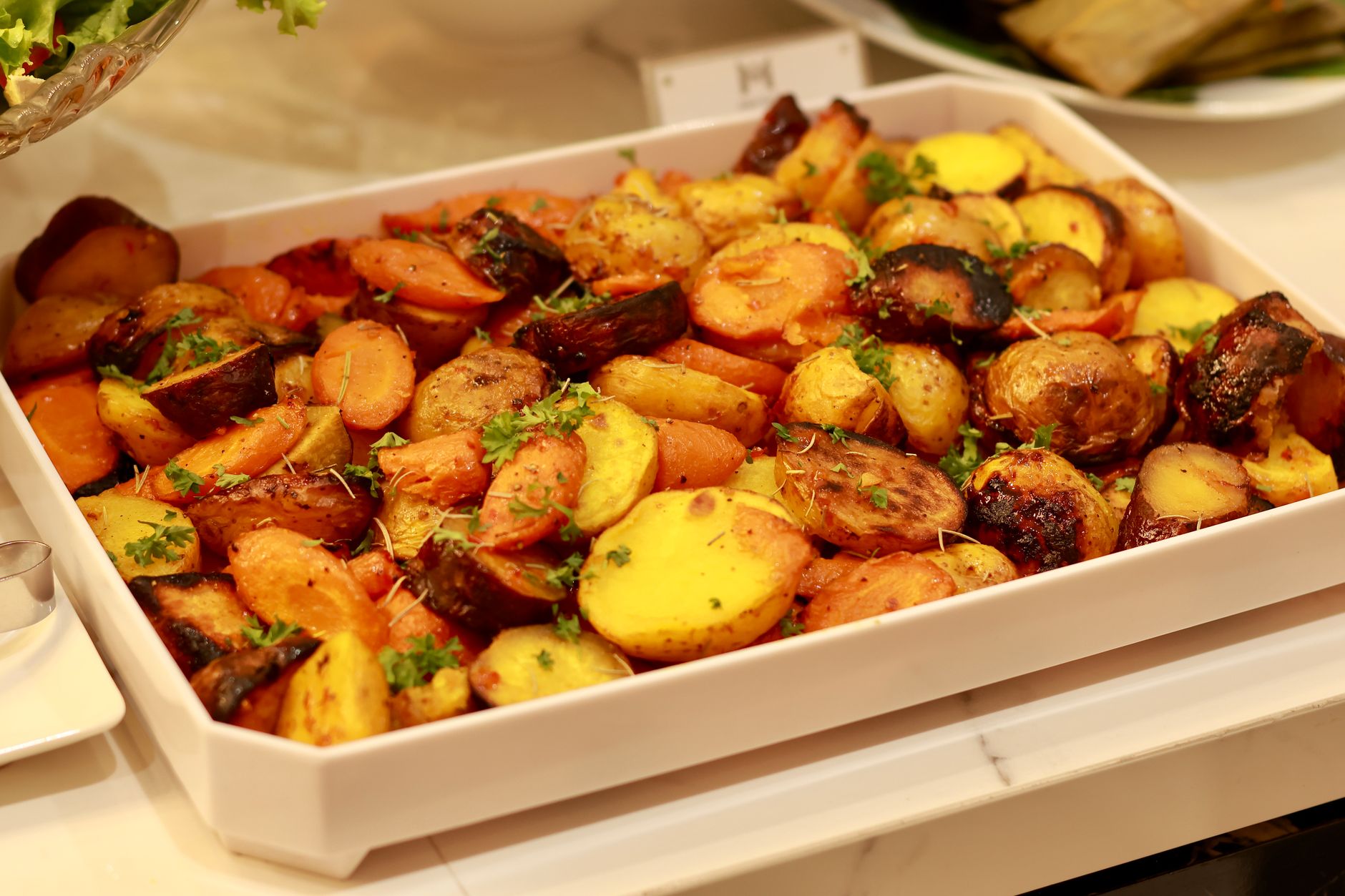
Understanding what temperature to roast vegetables in celsius can make all the difference between limp, soggy sides and perfectly crispy, golden delights. Roasting vegetables at the right heat unlocks their natural sweetness and creates a smoky, caramelized crust. This temperature trick is the secret many miss, resulting in either undercooked veggies or burnt edges. With the proper roasting technique, youll turn simple vegetables into a flavorful centerpiece that everyone raves about.
Roasting Basics
Ideal Oven Temp for Roasting Vegetables in Celsius
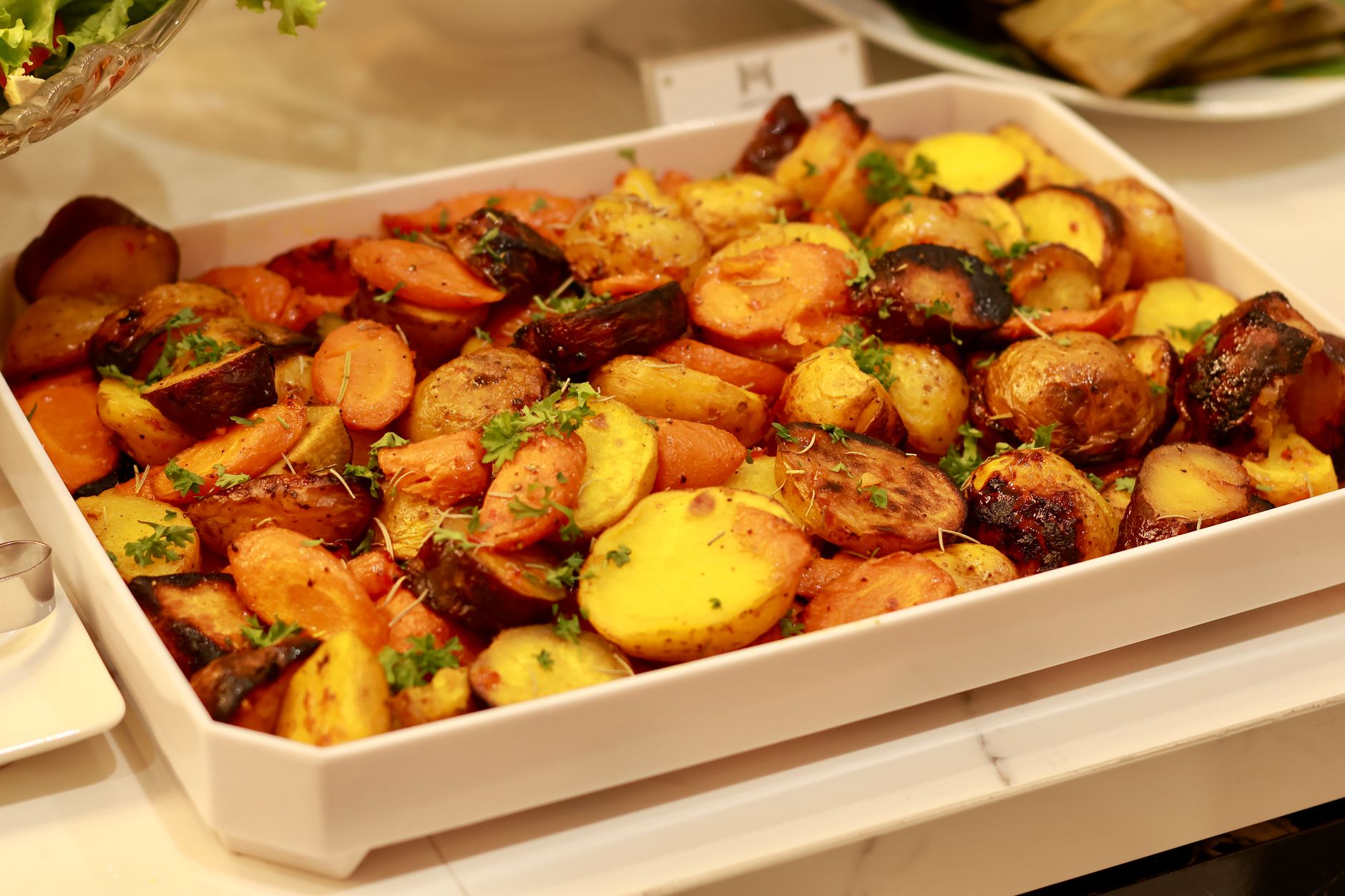
The best oven temperature for roasting vegetables usually ranges between 200C and 220C. Roasting at 200C helps maintain tender insides, while 220C achieves that coveted crispy exterior. This range activates the Maillard reactionresponsible for browning and developing deep, savory aromas that give veggies their irresistible flavor. Too low, and the vegetables steam instead of roast; too high, and they burn before cooking through.
How Heat Affects Texture and Flavor
Roasting vegetables evenly requires understanding heats role in texture. A moderate-high temperature encourages moisture evaporation, making edges crunchy while softening the interior. For example, root vegetables like carrots and potatoes benefit from the higher end of the range, while softer vegetables such as zucchini and bell peppers do better at 200C to avoid drying out. Balancing heat and time is key to perfect results.
Why Oven Type Influences Cooking
Every oven heats a bit differently. Convection ovens circulate hot air, often requiring a 1015C reduction to prevent burning. Standard ovens may have hot spots, so rotating trays halfway through roasting improves uniformity. These small adjustments prevent common roasting mistakes that cause uneven cooking or soggy patches.
Ingredients & Preparation
| Prep time | Total time | Servings | Calories | Diet tags |
|---|---|---|---|---|
| 10 minutes | 40 minutes | 4 | 120 per serving | Vegan, Gluten-Free, Dairy-Free |
Ingredient List and Substitutions
- 500g mixed vegetables (carrots, zucchini, bell peppers, cauliflower)
- 2 tbsp olive oil (or substitute avocado oil or melted coconut oil)
- 1 tsp sea salt (adjust to taste)
- tsp black pepper
- Optional: fresh herbs like rosemary or thyme
Equipment Needed for Roasting
A sturdy baking tray with low edges is essential to promote even heat distribution and prevent oil drips. Using parchment paper helps with cleanup. If you have a convection oven, remember to lower the temperature by about 10-15C to avoid overcooking. Make sure your oven rack is in the center for optimal air flow.
Choosing the Best Vegetables
Select fresh, firm vegetables without blemishes or bruises. Organic produce often has a richer profile. Avoid overripe or watery vegetables, as they tend to become soggy during roasting. Uniform cutting ensures vegetables cook evenly, so aim for pieces about 23 cm in size.
Step-by-Step Instructions
Step 1 Prep: Wash, Peel, and Chop Uniformly
Wash vegetables thoroughly under cold water. Peel carrots and potatoes if desired. Chop all vegetables into even 23 cm chunks. Consistent size avoids uneven cooking, so smaller pieces cook faster and crisp better.
Step 2 Roast: Preheat Oven and Roast at 200C220C for 2530 Minutes
Preheat your oven to 200C for tender vegetables or up to 220C for crispier edges. Toss chopped vegetables in olive oil, salt, and black pepper. Spread in a single layer on the baking tray, ensuring no overcrowding for proper air circulation. Roast uncovered for 25-30 minutes, flipping veggies halfway to promote even browning.
Step 3 Finish: Add Fresh Herbs and Final Seasoning
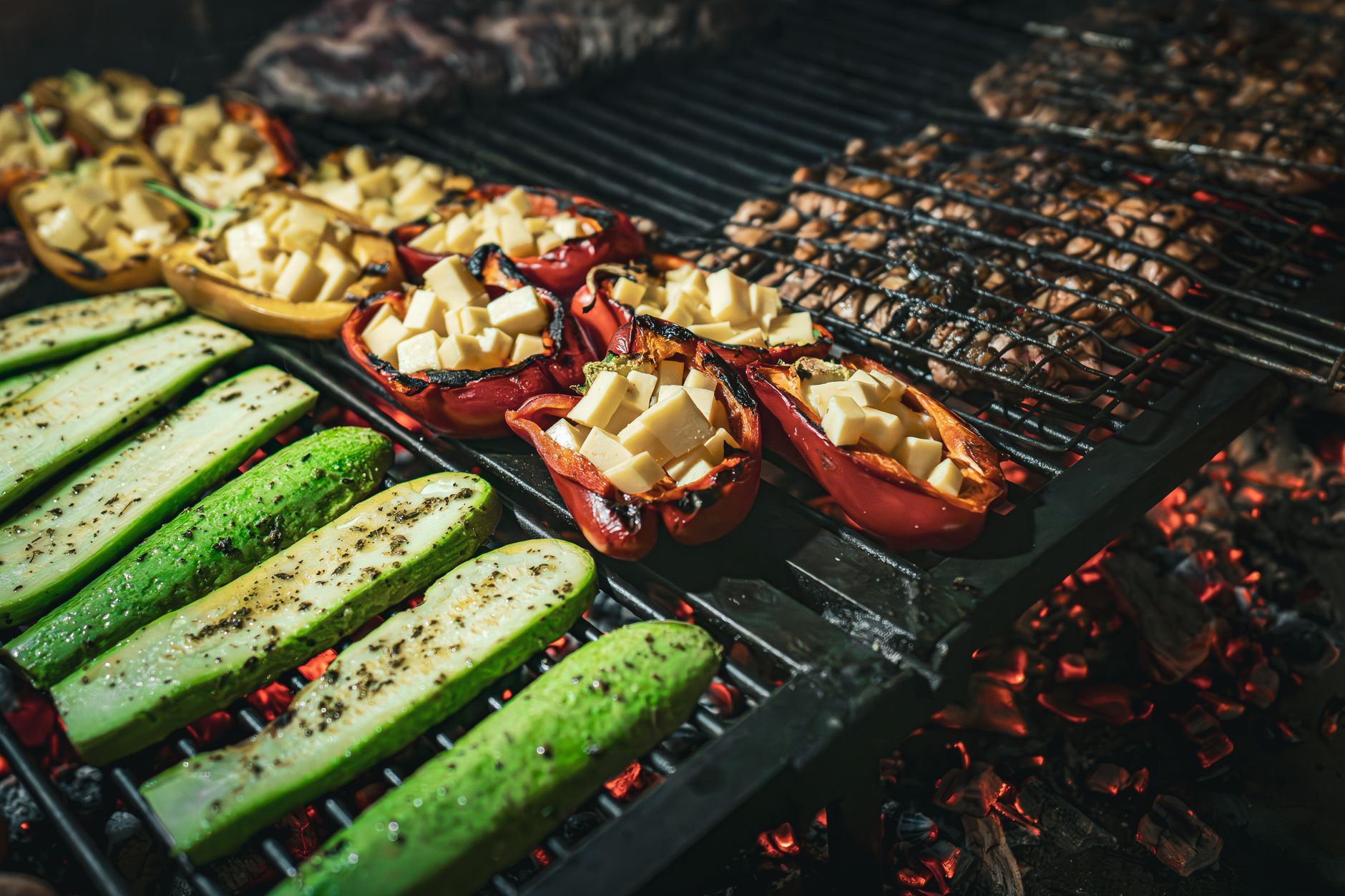
When vegetables are golden and tender, remove them from the oven. Toss with freshly chopped herbs, such as rosemary or thyme, and a squeeze of lemon juice for brightness. Avoid adding black pepper before roasting since heat can dull its flavor.
Step 4 Serve Warm or Store Properly
Serve warm as a delicious side dish or part of your vegan roasted vegetables recipe. To store, allow the veggies to cool completely before placing them in airtight containers. Proper cooling helps maintain texture and flavor.
Variations & Substitutions
Adjusting Temperature for Different Vegetables
Root vegetables like potatoes and carrots perform best at 220C for that crispy caramelized exterior. Softer vegetables, like zucchini and bell peppers, require a gentler 200C to avoid drying out. Tailoring the temperature based on the vegetable type ensures each piece reaches its ideal texture.
Oil and Seasoning Swaps
Feel free to swap olive oil with neutral oils like avocado or grapeseed for a different flavor base. To boost depth, add smoked paprika, garlic powder, or even a touch of cayenne pepper. These tweaks personalize your roasting vegetables technique and amplify flavor.
Enhance Sweetness or Spice
Drizzle honey or maple syrup on the vegetables after roasting for a sweet-savory finish. Alternatively, sprinkle cayenne pepper or chili flakes for a spicy kick. These little touches make the dish adaptable to your taste.
Storage & Shelf Life
Refrigerator Storage
Store roasted vegetables in an airtight glass container in the fridge. They keep well for 45 days. For best taste, reheat gently in the oven to regain crispness.
Freezer Storage
To freeze, spread the cooled vegetables on a tray to freeze individually, then transfer to freezer bags. Properly stored, they last up to 3 months. Thaw in the fridge overnight before reheating.
Make-Ahead Tips
Scaling up is simpledouble or triple the recipe using larger baking trays. Label containers with the date and vegetable types to avoid confusion and waste.
Pro Tips & Troubleshooting
How to Roast Vegetables Evenly
Ensure vegetables have space on the traycrowding causes steaming, not roasting. Pat them dry thoroughly after washing to remove excess moisture. Flip once at halfway point to brown all sides evenly.
Fixing Undercooked or Burnt Veggies
If they brown too fast but stay hard, lower oven temperature by 1015C and extend roasting time. Remove any burnt pieces immediately to avoid bitterness, which often results from overcooking.
Expert Upgrade: A Splash of Acidity
Finishing with a drizzle of balsamic vinegar or lemon juice balances sweetness and adds a lively tang. This simple step elevates your roasted veggies, making flavors pop beautifully.
When is the best time to roast vegetables for dinner?
Roast vegetables just before serving dinner to enjoy fresh texture and vibrant flavors. Avoid reheating multiple times, as this causes sogginess and flavor loss. Timing your roasting to coincide with the main dish ensures the best experience.
Can I make a big batch of roasted vegetables ahead of time?
Yes, roasting large batches ahead works well. Store leftovers in the fridge for up to 5 days, and reheat gently in the oven to preserve the crispy texture. This strategy saves time on busy nights.
Fresh vegetables or frozen which roast better?
Fresh vegetables generally roast better due to lower moisture content. Frozen vegetables often release water as they cook, leading to steaming instead of roasting and resulting in softer, less crispy textures.
Is roasting vegetables safe for pregnant women and children?
Yes, roasting at appropriate temperatures is safe. Fresh, well-cooked vegetables provide essential nutrients and fiber, making them a healthy addition to diets for pregnant women and children.
How often can I include roasted vegetables in my dinner?
Roasted vegetables are a nutritious option suitable for daily meals. Their fiber, antioxidants, and vitamins support a balanced diet, making them a healthy, tasty side every night.
Why do my roasted vegetables taste bitter sometimes?
Bitterness usually comes from charring or burnt spots caused by excessive heat or over-roasting. Lower the oven temperature or reduce cooking time next time to avoid this common roasting mistake.
What dishes or drinks pair well with roasted vegetables?
Roasted vegetables complement grilled meats, quinoa salads, and grain bowls beautifully. For drinks, try light red wines or sparkling water with lemon to balance the earthy, caramelized flavors.

More Recipes You Will Love
Try our how long to roast vegetables at 200c guide for perfect timing tips that complement this roasting temperature advice.
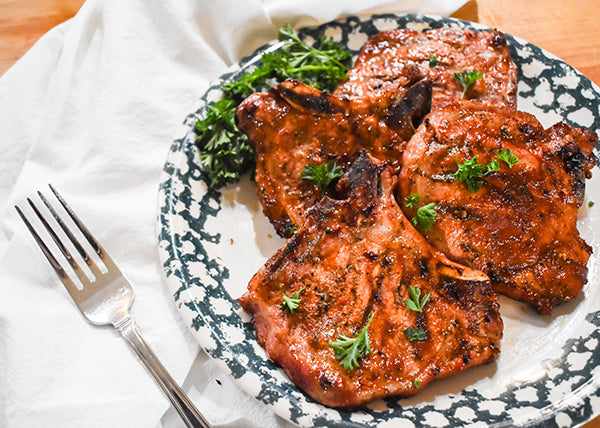
For a delicious meat pairing, check out the Chipotle orange glazed pork chops recipe 1937376, ideal alongside crispy roasted vegetables.
Explore the Feta florentine burgers with frizzled prosciutto on parmesan toasted ciabatta rolls recipe 1953867 for a burger night starring rich flavors that meld well with roasted veggie sides.
Conclusion
Mastering what temperature to roast vegetables in celsius unlocks perfectly crispy textures and deep, roasted flavors. Roasting between 200C and 220C transforms simple vegetables into crave-worthy dishes. Try this at your next dinner and watch your veggies glow golden and delicious. Share your favorite roasting tips or recipes in the comments and dont forget to rate if you loved the results!
FAQs
When is the best time to eat what temperature to roast vegetables in celsius?
Roast vegetables just before serving dinner to enjoy their freshest texture and vibrant flavors. Avoid reheating multiple times, as this causes sogginess and flavor loss. Timing roasting with the main dish ensures the best eating experience.
Can I make a big batch of roasted vegetables ahead of time?
Yes, roasting large batches ahead works well. Store leftovers in the fridge for up to 5 days and reheat gently in the oven to keep them crisp. This method saves time while maintaining great flavor.
Fresh vegetables or frozen — which roast better?
Fresh vegetables generally roast better because they have lower moisture content. Frozen vegetables release more water as they cook, which can cause steaming and softer, less crispy results.
How do I fix undercooked or burnt roasted vegetables?
If vegetables brown too quickly but remain hard, lower the oven temperature by 10–15°C and extend the roasting time. Remove any burnt pieces promptly to avoid bitter flavors from overcooking.
Is roasting vegetables safe for pregnant women and children?
Yes, roasting at appropriate temperatures is safe and nutritious. Well-cooked, fresh vegetables provide important vitamins and fiber, making them a healthy addition to diets for pregnant women and children.