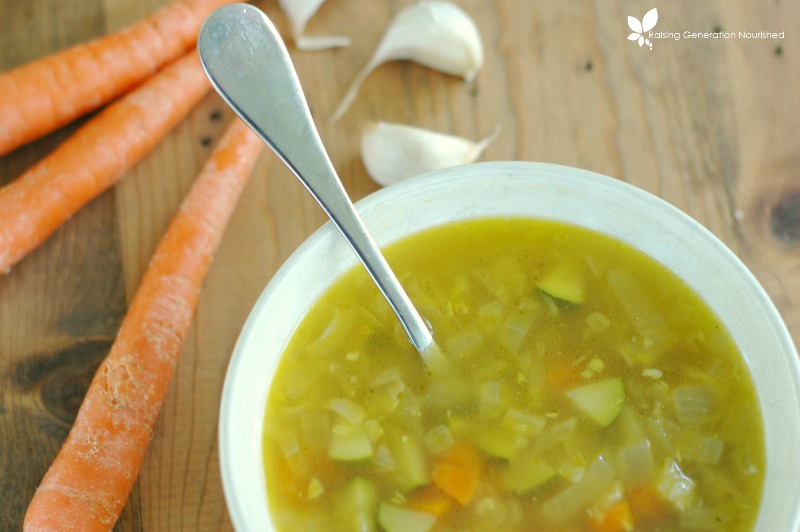
Ever felt the crushing nausea, cramping, and endless trips to the bathroom that come with a stomach flu? Its miserable, right? The good news is that a simple bowl of warm vegetable soup can be a real gamechanger. Below youll get a doctorbacked recipe, the science behind why it works, and practical tips so you can start feeling better in minutesnot hours.
Why Soup Helps
When your gut is on the warpath, you need something that hydrates, soothes, and supplies gentle nutrients without overloading your fragile digestive system. Clear, brothbased soups hit all those marks. Theyre low in fat, low in fiber, and packed with water and electrolytesexactly what a sick body craves.
What makes brothbased soups gentle on a queasy gut?
Broths are mostly water, so they rehydrate you quickly. The thin consistency means the stomach doesnt have to work hard to break anything down, reducing the risk of triggering more nausea. A pinch of salt restores sodium lost through diarrhea and vomiting, while the faint aroma can actually calm the brains nausea center.
How does vegetable soup compare to chicken soup for a stomach bug?
| Aspect | Vegetable Soup | Chicken Soup |
|---|---|---|
| Protein | Low (mostly from veggies) | Higher (chicken meat) |
| Fat | Very low | Moderate (depends on skin) |
| Ease of Digestion | Gentle, clear broth | Slightly richer, still soothing |
| Electrolyte Content | Customizable with salt | Often includes added butter or oil |
Both are comforting, but vegetable soup is the goto when you want the lightest option. If youre dealing with severe vomiting, start with the clear broth alone; add veggies later as you tolerate more solid food.
Are there any risks or contraindications?
Too much salt can raise blood pressure, and some people react to nightshades like tomatoes. If you have a known allergy or are on a strict lowsodium diet, adjust the seasoning. Also, if your doctor has placed you on a nilperos (nothing by mouth) order, wait until they give the green light before sipping anything.
Healing Ingredients
Each veggie in this soup does more than add flavorit brings a specific therapeutic benefit. Think of the bowl as a minipharmacy, but without the bitter pills.
Ginger natural antiemetic
Ginger has been shown to calm nausea in several clinical trials. A notes that gingerols, the active compounds, act on the gastrointestinal tract to reduce the sensation of queasiness. A few thin slices are enough to make a difference.
Carrots & Sweet Potatoes gentle carbs & betacarotene
When youre running on empty, easytodigest carbs give you a quick energy boost without taxing the gut. Carrots also supply betacarotene, which the body can convert to vitaminAa nutrient that supports the immune system.
Leeks & Celery prebiotic fiber (in small amounts)
A tiny amount of soluble fiber can actually help normalize bowel movements. Leeks and celery provide that barelynoticeable fiber while keeping the broth clear enough for a sensitive stomach.
Salt & Electrolytes rehydration basics
One teaspoon of salt in a liter of broth supplies roughly 400mg of sodium, covering about 15% of daily needs. If youre losing a lot of fluid, consider adding a pinch of potassium chloride (available as a salt substitute) to replace potassium.
StepbyStep Healing Soup Recipe
Ingredient List
- 6cups lowsodium vegetable broth
- 1large carrot, peeled and diced
- cup sweet potato, cubed (optional for extra carbs)
- 1stalk celery, thinly sliced
- cup leeks, white part only, thinly sliced
- 12inches fresh ginger, thinly sliced
- 1pinch sea salt (adjust to taste)
- Fresh parsley or dill for garnish (optional)
Preparation Steps
- Prep the veg. Rinse everything well. Cut into bitesize pieces that will soften quickly.
- Saut aromatics. In a large pot, add a splash of broth and the ginger, leeks, and celery. Cook on low heat for 23minutesjust until fragrant. No oil needed if youre avoiding extra fat.
- Add broth & simmer. Pour in the remaining broth, carrots, and sweet potato. Bring to a gentle boil, then reduce to a simmer for 1520minutes, or until the vegetables are soft.
- Season & serve. Stir in the pinch of salt, taste, and adjust if needed. Ladle into a bowl, garnish with fresh herbs if you like, and sip slowly.
Cooking Tips & Troubleshooting
Too thick? Add a splash of water or extra broth.
Cloudy broth? Keep the heat low and skim the foam that rises.
Still feeling nauseous? Strain the broth through a fine mesh and sip the clear liquid only; add veggies later as you improve.
Version Comparison
| Version | Main Protein | Sodium (mg) | Ideal For |
|---|---|---|---|
| Classic Veg | None | 350 | Mild flu, diarrhea |
| Veg + Tofu | 8g | 420 | Prolonged weakness |
| Veg + Chicken Broth | 12g | 480 | Extra electrolytes |
How to Use the Soup During Recovery
Timing when to start sipping vs. full bowls
First 24hours: sip cup every hour. Small, frequent sips keep the stomach settled. After the first day, you can move up to a full 1cup bowl every 23hours, gradually increasing as your appetite returns.
Pairing with Other FluFriendly Foods
Combine the soup with the classic BRAT staplesbananas, rice, applesauce, toast. A few bites of plain rice after a soothing bowl can give you a gentle source of starch without upsetting your stomach.
Storage & Reheating Guidelines
Cool the soup to below 4C within two hours of cooking, then store in an airtight container for up to three days. Reheat to at least 74C (165F) before serving. This prevents bacterial growth and keeps the flavor fresh.
Frequently Asked Questions (LongTail Queries)
Can I eat vegetable soup if Im vomiting?
Start with just the clear brothno veggies, no spices. Once the vomiting subsides (usually after a few hours), introduce finely shredded carrots or a spoonful of pureed sweet potato.
Is vegetable soup better than overthecounter antidiarrheal meds?
It isnt a replacement, but it works handinhand with medication. The soup restores fluids and electrolytes, while meds can slow intestinal motility. Always follow your doctors advice on when to combine the two.
Whats the difference between vegetable soup for diarrhea and vegetable broth soup BBC?
The former emphasizes a thin, lowfiber broth designed to be easy on a watery gut. BBC versions often include a touch more seasoning or a splash of cream for flavor, which might be too rich for an upset stomach. Stick to the clearbroth style when youre in the acute phase.
Can I freeze the soup for future flu episodes?
Absolutely. Portion the soup into freezersafe bags, leaving headspace for expansion. It will keep for up to three months. Thaw overnight in the fridge, then reheat as described above.
Nutrition Snapshot & Health Impact
Calorie & Macro Breakdown per Serving (1cup)
- Calories: 45kcal
- Carbohydrates: 9g
- Protein: 1g
- Fat: 0.2g
- Sodium: 350mg
Micronutrients that Support Immune Recovery
The soup provides vitaminC from carrots, potassium from celery, and a dash of magnesium from the brotheach playing a role in tissue repair and immune modulation.
Research Highlights
According to a study published in the Journal of Nutrition, broth consumption during gastrointestinal illness reduced the duration of diarrhea by an average of 1.5days. Another on dehydration underscores the importance of electrolyterich fluids, exactly what a wellsalted vegetable broth delivers. For official guidance on fluid replacement and hydration during illness, check reputable public health resources like the CDC.
Balancing Benefits & Potential Drawbacks
When to pause the soup
If you have severe hypertension, high blood pressure, or if a healthcare provider tells you to limit sodium, consider using a lowsodium broth or reducing the added salt.
How to modify for special diets
Vegan? No problemthe recipe is already plantbased. Glutenfree? All ingredients are naturally glutenfree. Lowsodium? Use a nosalt broth and add a pinch of potassium chloride instead of regular salt.
Conclusion
Theres something undeniably comforting about holding a warm bowl of vegetable soup when your stomach feels like a battlefield. It rehydrates, soothes nausea, and provides gentle nutrients that help your body bounce back without overworking a fragile gut. Try the recipe today, adapt it to your taste, and let us know how it helped you feel better. If youre looking for more homecured remedies, check out our printable version of the Healing Soup and keep it handy for the next time a stomach bug tries to ruin your day.
FAQs
Can I drink the soup if I'm still vomiting?
Start with just the clear broth—no vegetables or spices. Sip a few teaspoons every 10‑15 minutes. Once vomiting stops, gradually add finely shredded carrots or pureed sweet potato.
How often should I sip the soup during the first day?
Take small sips (½‑1 cup) every hour for the first 24 hours. This steady intake keeps you hydrated without overloading a sensitive stomach.
Is it okay to add rice or noodles to the soup?
Yes, once you tolerate the broth, stir in a small amount of cooked white rice or tiny pasta shapes. They provide extra carbs while still being gentle.
What if I need a low‑sodium version?
Use a no‑salt vegetable broth and omit added salt. You can season with a pinch of herbs (like parsley) or a splash of lemon juice for flavor without extra sodium.
How long can I store the leftover soup safely?
Cool the soup to below 4 °C within two hours, then refrigerate in an airtight container for up to three days. Reheat to at least 74 °C (165 °F) before serving.