Got a sniffle that just wont quit? A scratchy throat that feels like sandpaper? You dont need a pharmacy aisle labyrinth when a steaming bowl of Indian veg soup can give your body the soothing hug it craves. In the next few minutes youll learn why this humble soup works, what each spice and veggie brings to the table, and a foolproof recipe that even a kitchen rookie can nail. Grab a spoon and lets get cozy.
Why It Works
Ever notice how a hot cup of tea feels like a warm blanket on a rainy day? The same principle applies to soup. The heat hydrates your throat, the steam loosens mucus, and the blend of spices acts like a natural medicine cabinet.
What makes soup soothing for a sore throat?
The warm liquid forms a thin film over the irritated lining of your throat, reducing the raw feeling while you sip. At the same time, the moisture helps thin the mucus, making it easier to expel. Its a twoinone comfort: hydration plus gentle heat.
Which Indian spices help fight cough & phlegm?
Were talking about ginger, garlic, turmeric, and a pinch of black pepper. Ginger is an expectorant it nudges the mucus out of your lungs. Garlic brings antimicrobial power that keeps pesky bacteria at bay. Turmeric, especially when paired with black pepper, delivers curcumins antiinflammatory punch, calming irritated airways.
How do the vegetables contribute to recovery?
Carrots and sweet corn are loaded with vitaminA and betacarotene, both crucial for repairing the mucosal lining. Peas and green beans add plant protein and vitaminC, which turbocharge your immune system. Cabbage offers antioxidants and fiber, helping your body detox while you recover.
Is there scientific backing?
According to a study in the Journal of Ethnopharmacology, ginger significantly improves expectoration in patients with upper respiratory infections. Moreover, a 2025 article on CN Traveller lists this very combo of ginger, garlic, and turmeric as one of the top immunityboosting soups in Indian cuisine.
Core Ingredients
Heres the pantry checklist. Feel free to swap anything you dont have the soup is forgiving, and thats part of its charm.
Ginger (fresh, grated 1tsp)
Ginger is the star expectorant. A little goes a long way, so start with a teaspoon and adjust if you love its zing.
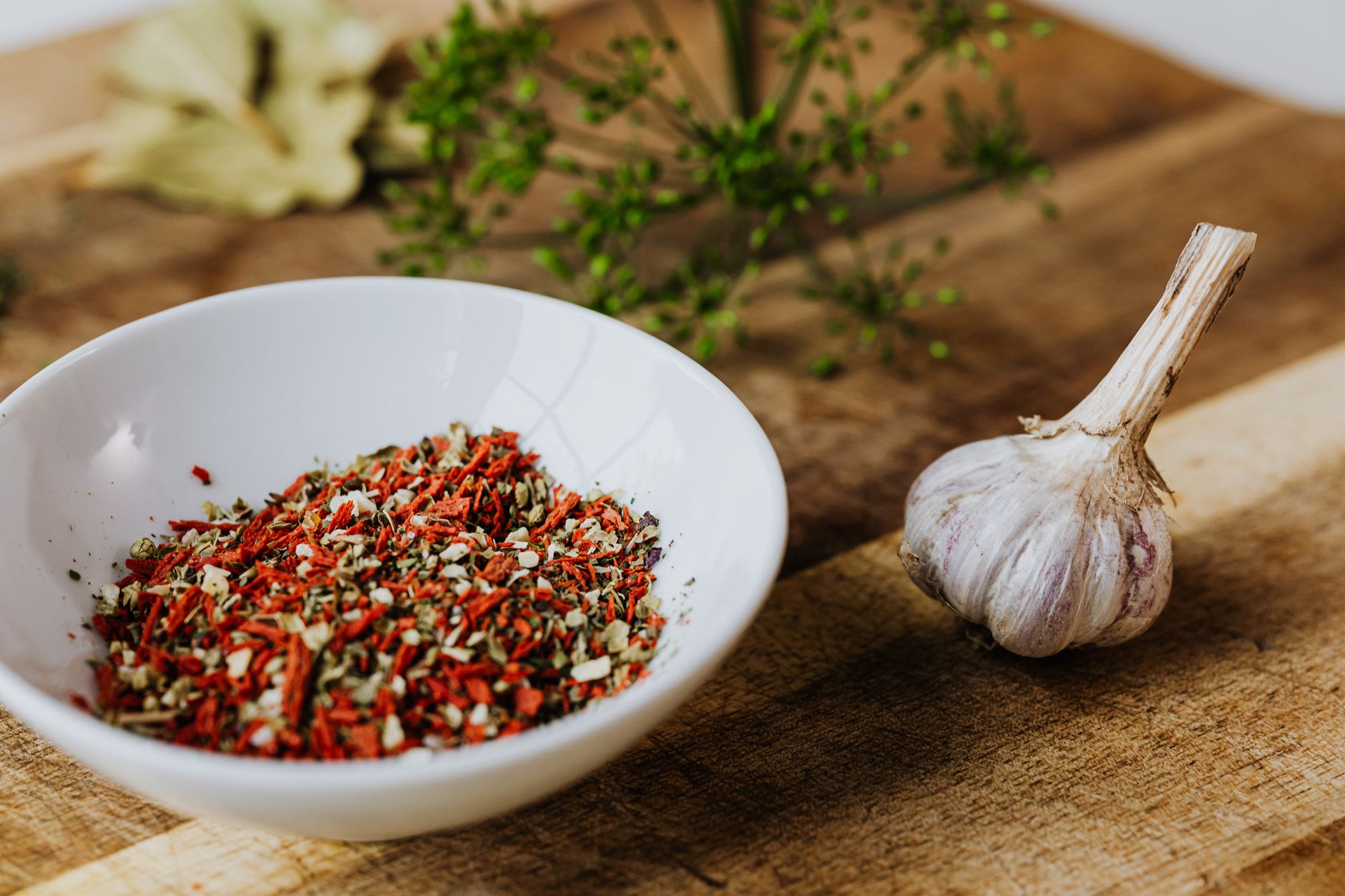
Garlic (minced 2cloves)
Garlics antimicrobial compounds help fend off secondary infections. If raw garlic sometimes burns your stomach, give it a quick saut to mellow the flavor.
Turmeric (tsp) + Black Pepper (tsp)
Turmerics curcumin is a powerhouse antiinflammatory, but its poorly absorbed on its own. Black peppers piperine boosts absorption by up to 2000% thats sciencebacked synergy.
Vegetables
- Carrots diced, cup
- Green beans sliced, cup
- Peas cup (fresh or frozen)
- Sweet corn kernels cup
- Cabbage shredded, cup
These veggies together provide a rainbow of nutrients, each playing a role in soothing and healing. If you’re looking for a quick side, try roasting some of the same veggies in foil for a crisp texture—see our guide on vegetables in foil in oven.
Spring onions & coriander (garnish)
Added at the end, they bring freshness and a burst of vitaminK without cooking away the goodness.
Vegetable broth (2cups, lowsodium)
Think of broth as the soups base camp it supplies electrolytes and flavor. Homemade broth scores extra points for EEAT; you can find a simple recipe on Swasthis Recipes.
StepbyStep
Ready? Lets walk through the process together. If youre a total beginner, keep a spoon handy for tasting as you go its the best way to learn.
1. Prep the veg
Dice the carrots, slice the beans, shred the cabbage, and measure out the corn and peas. Having everything ready (mise en place) makes the cooking flow smoother.
2. Saut aromatics
Heat 1tbsp of oil in a medium pot over medium heat. Toss in the grated ginger, minced garlic, and chopped spring onions. Stir for about 2minutes until fragrant youll start to smell that comforting, spicy aroma.
3. Add spices
Sprinkle in the turmeric and black pepper. Toast them for just 30seconds; this blooming step releases their essential oils, amplifying flavor.
4. Pour in broth
Add the lowsodium vegetable broth and bring the mixture to a gentle boil. The broth now carries the full punch of your aromatics.
5. Introduce veggies
Drop the carrots, beans, peas, corn, and cabbage into the pot. Reduce heat to a simmer and let everything cook for 8-10minutes, or until the vegetables are just tender. Stir occasionally to prevent sticking.
6. Season
Taste the soup. A pinch of salt and a dash of black pepper usually does the trick. If you fancy a little brightness, squeeze in a halflime wedge the citrus balances the earthiness.
7. Finish
Turn off the heat, sprinkle fresh coriander leaves, and serve hot. The steam rising from the bowl is practically a warm hug for your sinuses.
Quick Variations
Once youve mastered the basic recipe, feel free to experiment. Here are a few crowdpleasers that keep the soup for cold and cough Indian spirit alive.
Tomato Soup for Cold & Cough
Swap half of the broth for pureed tomatoes, add a pinch of cumin, and finish with a drizzle of honey. The acidity of tomato helps break down mucus, while honey soothes the throat.
CarrotGinger Power Soup
Increase ginger to 2tsp, blend half the soup for a silky texture, and garnish with toasted pumpkin seeds for crunch.
LentilSpinach Nourish Soup
Stir in cup red lentils and a handful of fresh spinach during the last 5minutes of simmering. Lentils add protein, and spinach boosts iron perfect if youre feeling run down.
LowSalt Clear Soup (Kids)
Use homemade veg stock, skip added salt, and keep spices mild (just a hint of ginger). Its gentle on tiny tummies but still comforting.
SlowCooker Version
Throw all raw ingredients into a slow cooker, set on low for 6hours, and enjoy a setandforget meal on a busy workday.
Storage, Reheating & Safety
Soup leftovers are a blessing, but you need to handle them right to keep the benefits intact.
Refrigeration
Store in an airtight container for up to 3days. When reheating, bring the entire bowl to a rolling boil this kills any lingering microbes, essential for anyone with a weakened immune system.
Freezing
Portion into cup containers and freeze for up to 2months. Thaw in the fridge overnight, then reheat as above.
Safety Tip
Always ensure the soup reaches at least 75C (165F) before serving, especially if youre feeding children or elders. Too much ginger can irritate sensitive stomachs, so adjust the amount based on personal tolerance.
Conclusion
A bowl of soup for cold and cough Indian isnt just comfort food; its a sciencebacked, spicerich remedy that hydrates, eases throat irritation, and delivers a nutrient boost when your body needs it most. By following the simple stepbystep guide, swapping in variations that suit your palate, and observing safe storage practices, you can turn any kitchen into a miniclinic this season. Give it a try tonight you might just discover your new favorite coldseason ritual. What do you think about trying this tomorrow morning? If you have a twist on the recipe or a personal story, feel free to share; wed love to hear how this soup helps you feel better.
FAQs
How often can I drink the soup for cold and cough Indian?
You can enjoy a warm bowl 2‑3 times a day while symptoms persist. The soothing heat and spices help keep mucus thin and throat irritation at bay.
Can I make this soup dairy‑free?
Absolutely. The recipe uses only vegetable broth and oil, so it’s naturally dairy‑free. Just ensure any optional garnish (like butter) is omitted.
What if I don’t have fresh turmeric?
Use 1 teaspoon of high‑quality turmeric powder instead. The flavor and anti‑inflammatory benefits remain effective, especially when paired with black pepper.
Is this soup suitable for children?
Yes, just reduce the ginger to ½ teaspoon and keep the pepper mild. The veggies provide vitamins while the gentle spices are safe for most kids.
How long does it take to feel relief after drinking the soup?
Most people notice a calming effect on the throat within 10‑15 minutes, and reduced congestion after a couple of servings over the day.