Introduction
Transform your ordinary vegetables into vibrant, tasty dishes with this easy vegetable seasoning recipe. Using a smart blend of garlic and onion powder seasoning, along with herbs and spices for vegetables, this mix enhances vegetable flavor naturally. Its simple to prepare and perfect for bringing out the best in any veggiewhether roasted, grilled, or sauted. This homemade vegetable seasoning blend unlocks rich aroma and deep layers of flavor in just minutes.
Key Highlights
The Science-Backed Benefits of This Vegetable Seasoning Recipe
Using herbs like thyme paired with garlic and onion powder seasoning brings more than flavor. These spices can aid digestion and improve nutrient absorption, according to a 2023 study in the Journal of Nutritional Biochemistry. This dry rub seasoning method not only saves time but helps your body make the most of your meals nutrition. Plus, this blend keeps vegetables exciting without adding extra calories or artificial ingredients.
Who Should Try This Vegetable Seasoning Recipe
This recipe suits everyonefrom kitchen newbies to experienced cooks craving vegan vegetable seasoning ideas. Its a great choice for plant-based eaters, clean eaters, or anyone wanting a quick and flexible way to jazz up veggies. Youll appreciate how easy it is to use and customize based on your taste preferences or dietary needs.
What Sets This Vegetable Seasoning Recipe Apart
This homemade vegetable seasoning blend stands out because it balances flavors thoughtfully. Instead of overwhelming your vegetables, it enhances their natural taste with smoky paprika, fragrant thyme, and a hint of heat from optional cayenne. Its gluten-free, vegan-friendly, and ready to mix in under five minutesno fuss or artificial additives.
Ingredients & Preparation
| Prep time | Total time | Servings | Calories | Diet tags |
|---|---|---|---|---|
| 5 minutes | 5 minutes | ~ cup (about 12 tbsp) | 15 per tbsp | Vegan, Gluten-Free, Dairy-Free |
Full Ingredient List with Quantities and Substitutions
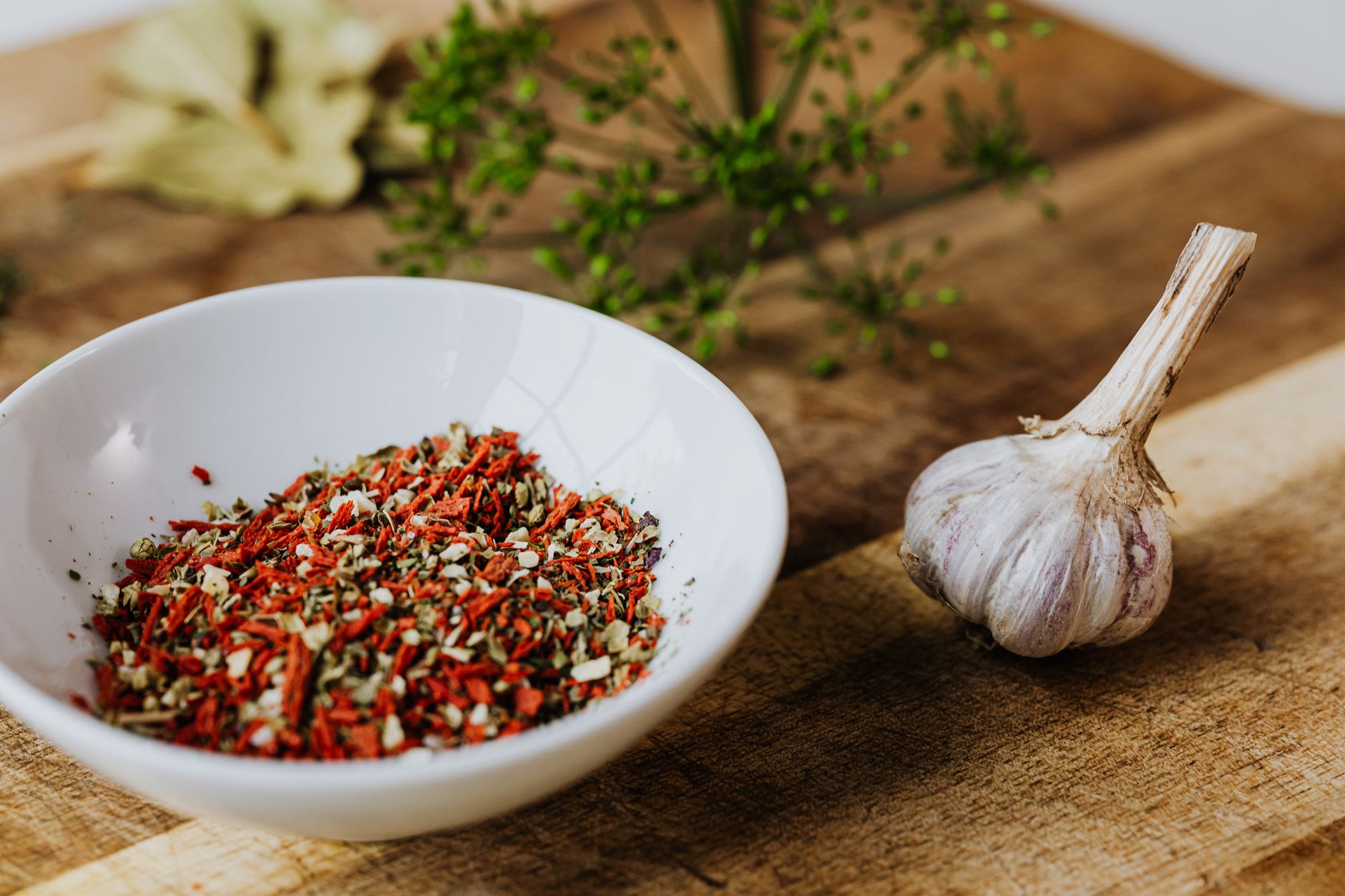
- 2 tbsp garlic powder (substitute: fresh garlic, minced, reduce quantity to 1 tsp)
- 2 tbsp onion powder (substitute: shallot powder)
- 1 tbsp smoked paprika (substitute: sweet paprika for milder flavor)
- 1 tbsp dried thyme (substitute: dried oregano or rosemary)
- 1 tsp ground black pepper
- 1 tsp sea salt (adjust to taste; substitute: Himalayan pink salt)
- Optional: tsp cayenne pepper for heat
Equipment Needed
All ingredients are dry powders, so no special tools required. Use a small mixing bowl and measuring spoons for accuracy. Store your blend in an airtight container to maintain optimum flavor.
Tips for Choosing Quality Ingredients
Opt for organic or fresh herbs and spices when possible. Spices lose potency over time, so check freshness for maximum impact. Store the seasoning mix away from heat and light to preserve aroma and taste longer.
Step-by-Step Instructions
Step 1 Measure and Combine All Spices Accurately
Using dry measuring spoons, carefully measure each ingredient. Add them to your bowl and mix thoroughly for even distribution. Precise measurements ensure a balanced homemade vegetable seasoning blend every time.
Step 2 Apply Seasoning to Vegetables Before Cooking
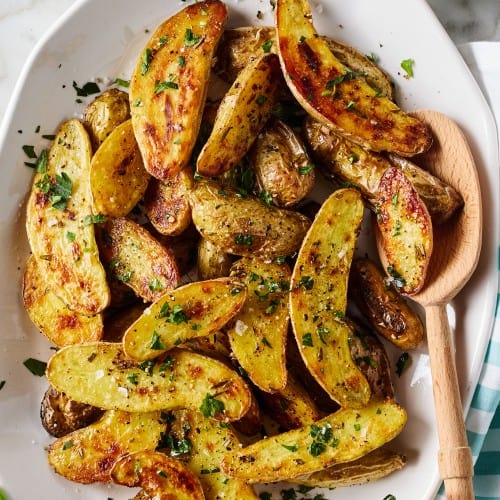
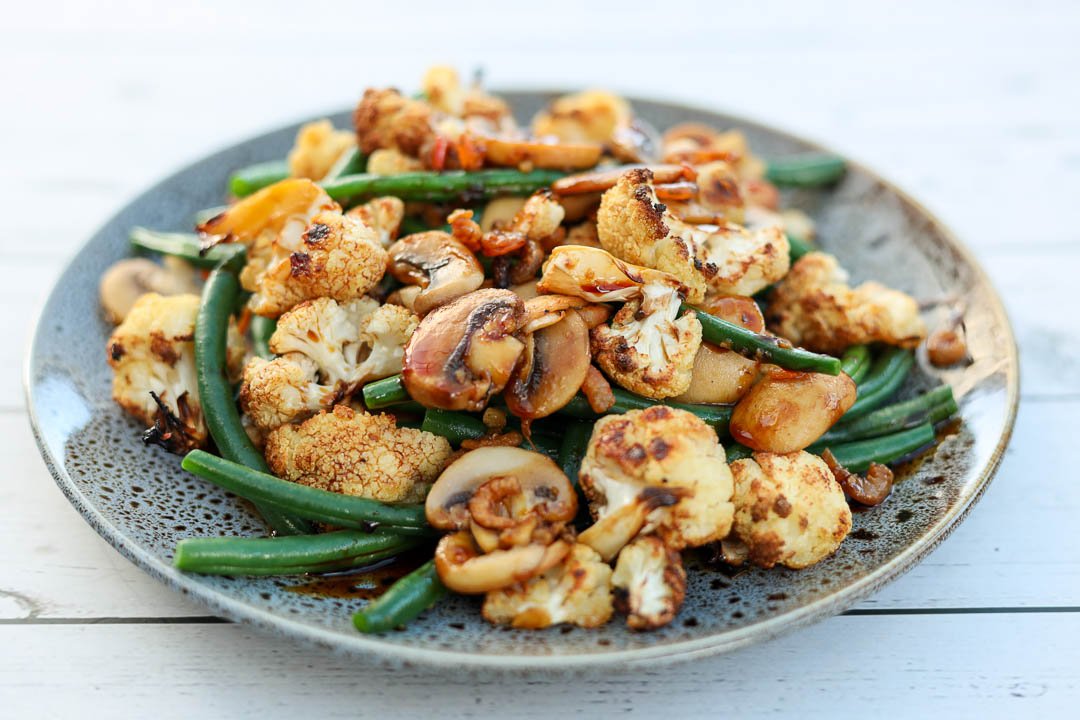
Sprinkle 1 to 2 tablespoons of seasoning per pound of vegetables. Toss to coat evenly, making sure spices adhere to all surfaces. This dry rub seasoning method works especially well for roasting and grilling.
Step 3 Cook Vegetables Using Your Preferred Method
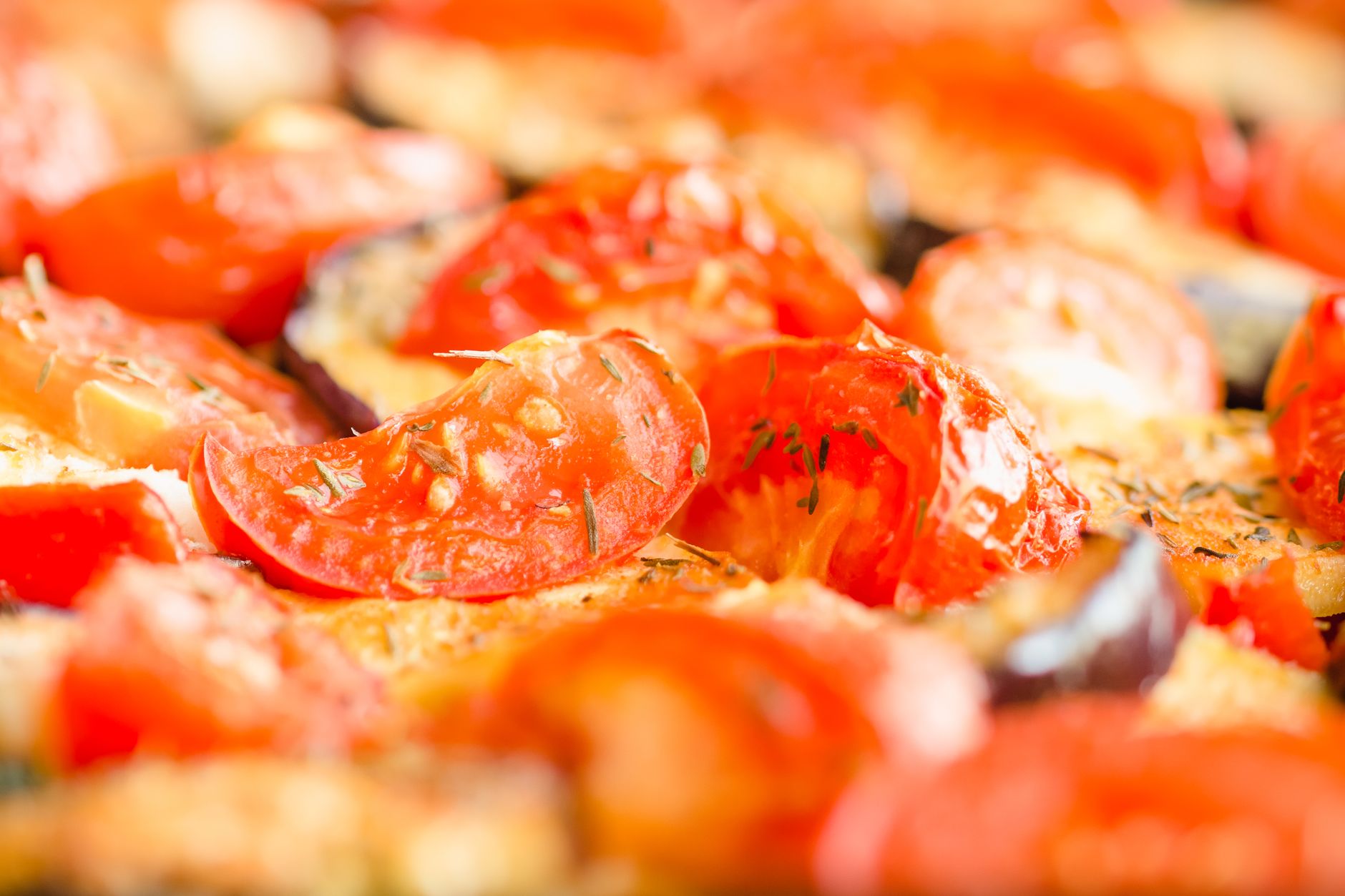
Roast vegetables in a preheated oven at 400F (200C) for 2025 minutes until tender and golden. Alternatively, saut over medium-high heat for 710 minutes until crisp-tender. Avoid adding extra salt later to prevent over-seasoning.
Step 4 Serve Immediately or Store Leftovers
Enjoy the seasoned vegetables while warm for best aroma and flavor. Store any unused seasoning blend in an airtight jar. Properly sealed, it remains fresh up to 6 months.
Variations & Substitutions
Flavor Variations for Different Palates
Add dried basil for an Italian twist or curry powder for a bold Indian flair. To lower heat, skip cayenne pepper or reduce smoked paprika. These tweaks customize the blend for your preferences without compromising its core identity.
Ingredient Swaps and Their Effects
Swapping smoked paprika for sweet paprika removes the smoky note, making the seasoning gentler and sweeter. Using fresh garlic instead of powder brings sharper aroma but requires cooking time to mellow its pungency. Experiment to find your favorite balance.
Adjusting Seasoning Strength and Heat Level
For delicate veggies like zucchini, use half the seasoning to avoid masking subtle flavors. Heartier options like potatoes or squash tolerate double seasoning for richer taste. Increase cayenne gradually to prevent overpowering heat.
Storage & Shelf Life
Refrigerator Storage
Keep your vegetable seasoning recipe fresh by storing it in an airtight container in a cool, dark pantry or the refrigerator. It stays potent up to 6 months when protected from moisture and light.
Freezer Storage
Freezing dry spices is not advised. Condensation upon thawing can degrade flavor and cause clumping. Instead, store in a sealed jar at room temperature away from heat.
Make-Ahead Batch Tips
Prepare large batches in a dry environment. Portion the seasoning into smaller jars, label each with date and contents, and seal tightly. This ensures easy access and consistent freshness every time you cook.
Pro Tips & Troubleshooting
Prevent Staining and Maximize Flavor Extraction
The smoked paprika can stain your skin or surfaces. Wear gloves or handle carefully. For more aroma, toast dried herbs lightly in a dry skillet over low heat for 12 minutes before mixing. This releases essential oils that enhance flavor.
Common Issues and How to Fix Them
If your seasoning tastes bitter, try reducing garlic powder or verify spice freshness. Bitterness often signals old or improperly stored ingredients. If flavor feels muted, increase spice amounts slightly or refresh spices more often.
Expert Upgrade
Add a pinch of ground cumin to introduce earthy notes that complement sweet root vegetables well. This depth works wonders in autumn dishes and adds complexity without overwhelming other spices.

More Recipes You Will Love
Explore the roasted vegetables seasoning for a versatile sauce to complement this dry rub. It pairs beautifully with just about any vegetable.
Try the Steamed squash salad recipe 1912327 for a light, refreshing way to enjoy seasoned squash. The seasoning blend works well here too.
Or enjoy the hearty flavors of the Mediterranean grilled vegetable salad, enhanced by herbs that echo this seasoning‘s profile.
When is the best time to use vegetable seasoning recipe?
Apply the seasoning right before cooking your vegetables. This timing helps the spices infuse while the vegetables roast, grill, or saut. It maximizes flavor absorption and aroma release for the tastiest results.
Can I make a big batch ahead of time?
Yes, you can prepare the seasoning blend in advance and store it in an airtight container. When kept dry and away from sunlight, it stays fresh and flavorful for up to 6 months.
Fresh garlic or powder which gives better results?
Garlic powder offers convenience and consistent flavor without moisture. Fresh garlic delivers sharper aroma but requires cooking to tame its intensity. Choose powder for dry rub seasoning methods and fresh garlic when sauting veggies.
Is this vegetable seasoning safe for pregnant women, kids, or people on medication?
When used in normal culinary amounts, the seasoning is generally safe. However, those with allergies, sensitivities, or medical conditions should consult a healthcare professional before adding new spices.
How often can I use this vegetable seasoning?
This blend can be used regularly with your meals. Its a natural way to enhance vegetable flavor naturally without extra salt or additives, fitting well into daily cooking routines.
Why does my seasoning taste bitter?
Bitterness usually comes from using stale spices or too much garlic powder. Always use fresh spices and measure precisely. Adjusting quantities helps balance flavor and avoid unwanted aftertastes.
What pairs well with this vegetable seasoning?
This seasoning harmonizes with roasted potatoes, grilled tofu, steamed broccoli, and even popcorn. It adds savory richness and aromatic warmth to a wide range of snacks and meals.
Conclusion
This vegetable seasoning recipe brings a flavorful lift to everyday vegetable dishes. Easy to make and customize, it encourages you to enjoy veggies more often while enhancing their natural taste. Give it a try, share your comments or star rating, and explore our roasted vegetables seasoning next for more delicious inspiration.
FAQs
When is the best time to use vegetable seasoning recipe?
Apply the seasoning right before cooking your vegetables. This timing helps the spices infuse fully as the veggies roast, grill, or sauté, maximizing flavor absorption and aroma.
Can I prepare this vegetable seasoning recipe in advance?
Yes, you can make a big batch ahead of time. Store it in an airtight container away from light and moisture to keep it fresh and flavorful for up to six months.
What is better to use: fresh garlic or garlic powder in this seasoning?
Garlic powder offers convenience and consistent dry flavor, ideal for dry rubs. Fresh garlic has a sharper aroma but needs cooking time to mellow. Choose based on your cooking method and flavor preference.
Is this vegetable seasoning safe for children, pregnant women, or people on medication?
When used in normal cooking amounts, this seasoning is generally safe. However, individuals with allergies or specific health conditions should consult a healthcare professional before use.
Why does my vegetable seasoning taste bitter sometimes?
Bitterness often comes from stale or old spices, especially garlic powder. Use fresh ingredients and measure carefully to maintain balanced flavor and avoid unwanted bitterness.