Introduction
The simple health and flavor benefit of this spicy vegetables recipe
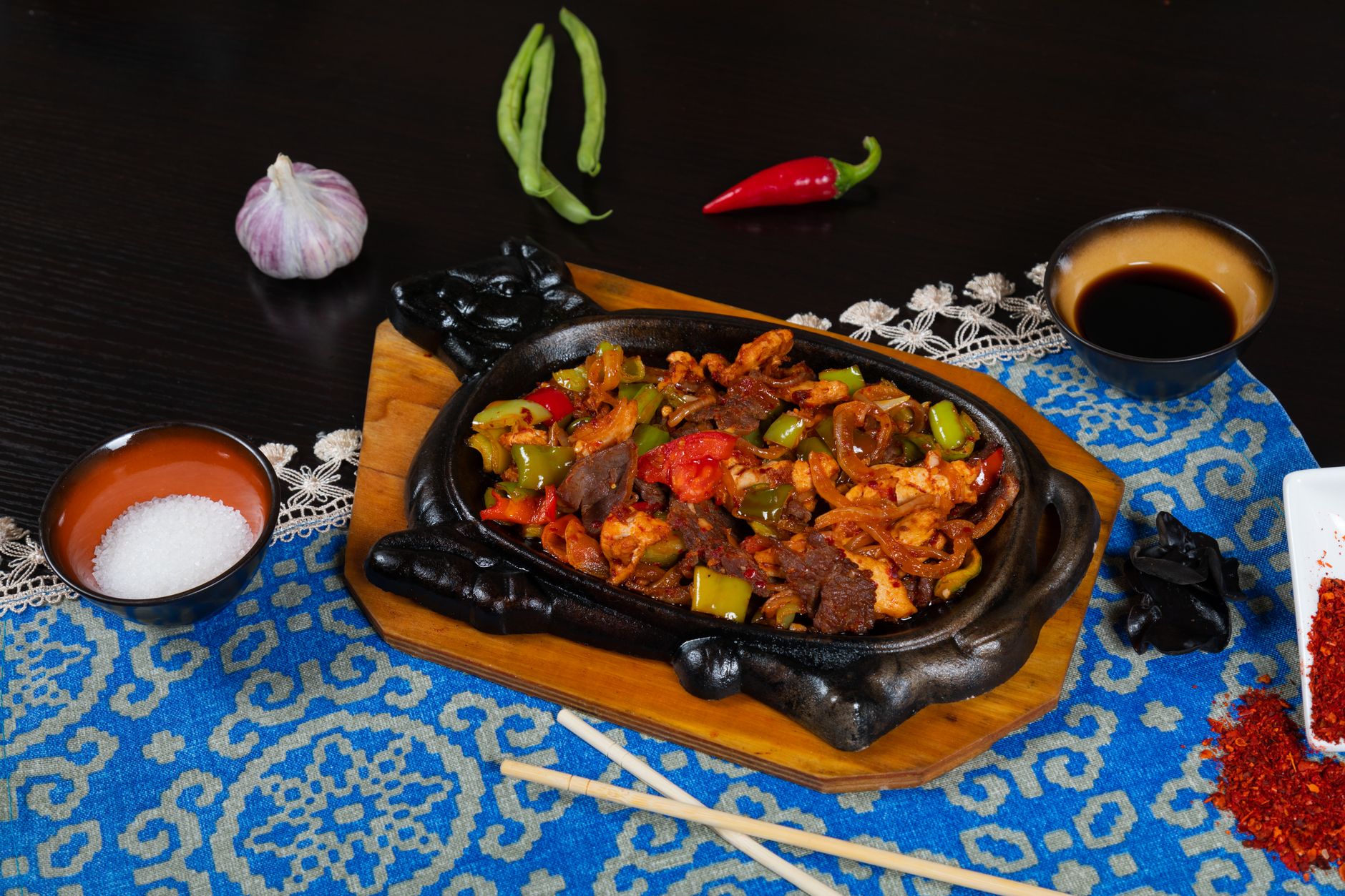
Most people overcomplicate a spicy vegetables recipe, yet this version is simple and satisfying. It brings bold heat to fresh, crisp veggies with minimal effort. The fiery kick comes from chili flakes and fresh peppers, while sweet onions and garlic balance the flavors beautifully. Beyond the zest, the health benefits of spicy vegetables include metabolism boost and enhanced circulation, thanks to capsaicin found in hot peppers. This quick spicy vegetable recipe truly nourishes both palate and body.
Who this spicy vegetables recipe is for
This easy spicy veggie stir-fry suits home cooks of all levels. Whether you follow vegan, gluten-free, or dairy-free diets, it fits perfectly. Beginners find it approachable, and those wanting a speedy, tasty vegetable side dish will appreciate this dish for lunch or dinner. If you want a fresh, healthy way to introduce spice into your meals without complex steps, this is your recipe.
What makes this spicy vegetables recipe unique
This spicy vegetables recipe stands out by combining simplicity and vibrant flavor. Instead of overwhelming spices, it layers chili heat with caramelized onions and garlic, brightened by fresh bell peppers. The stir-fry vegetables technique keeps them crisp while infusing the dish with warm, aromatic spice. Its fast, fresh, and uses everyday ingredients, avoiding unnecessary fuss.
Key Highlights
Flavor profile and texture that compliment any meal
The flavor here balances a lively kick of chili flakes with sweet, golden onions. The crisp bell peppers provide crunch, complemented by a silky garlic aroma. Stir-frying locks in textures and flavors, giving a slightly crispy bite. This spicy vegetable side dish elevates simple meals, whether paired with grains or protein.
Versatility across dietary needs and meals
Adaptable to many diets, this vegan spicy vegetable recipe is gluten-free and dairy-free by default. You can adjust the spice level to suit tolerance and pair it with rice, quinoa, or tofu for a complete meal. The quick spicy vegetable recipe also shines as a snack or a warm side, fitting any mealtime.
Safety note for sensitive eaters
If you‘re sensitive to spicy foods, start by using less chili or removing seeds from fresh peppers. Some with digestive issues or pregnancy may prefer milder versions or to consult their doctor. For everyone else, the gradual spice build-up offers manageable heat that you can tailor easily.
Ingredients & Preparation
| Prep time | Cook time | Total time | Servings | Calories | Diet tags |
|---|---|---|---|---|---|
| 10 mins | 12 mins | 22 mins | 4 | ~150 per serving | Vegan, Gluten-Free, Dairy-Free |
Ingredient list with substitutions
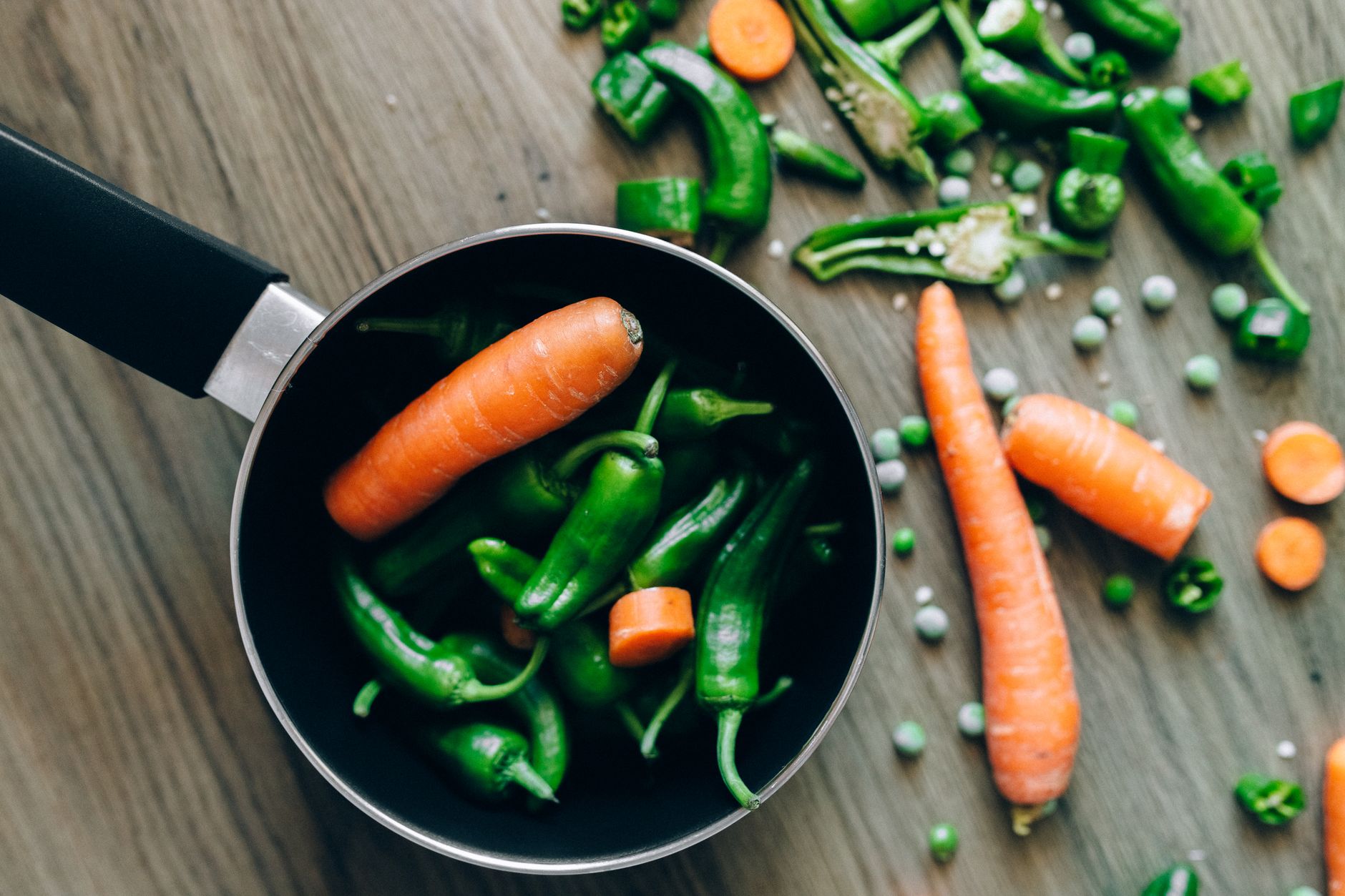
- 1 red bell pepper, sliced (substitute: yellow or orange bell pepper)
- 1 green bell pepper, sliced
- 1 medium onion, thinly sliced (substitute: shallots)
- 2 cloves garlic, minced (substitute: tsp garlic powder)
- 1 tsp chili flakes or 1 fresh chili, chopped (adjust to taste)
- 2 tbsp olive oil or avocado oil
- Salt to taste
- Fresh cilantro or parsley for garnish (optional)
For milder heat, swap chili flakes for paprika. Adding gluten-free soy sauce boosts umami without gluten.
Equipment needed
A large non-stick skillet or wok works best for even, high-heat cooking. Use a sharp knife for uniform vegetable slices, ensuring they cook evenly. Avoid overcrowding the pan to achieve proper searing and avoid soggy vegetables.
Tips for choosing quality ingredients
Pick firm, vibrantly colored peppers without soft spots or blemishes they provide the best crunch and flavor. Fresh garlic boasts more aroma than powder but use powder when short on time. Organic veggies can add subtle flavor benefits but conventional produce works great too.
Step-by-Step Instructions
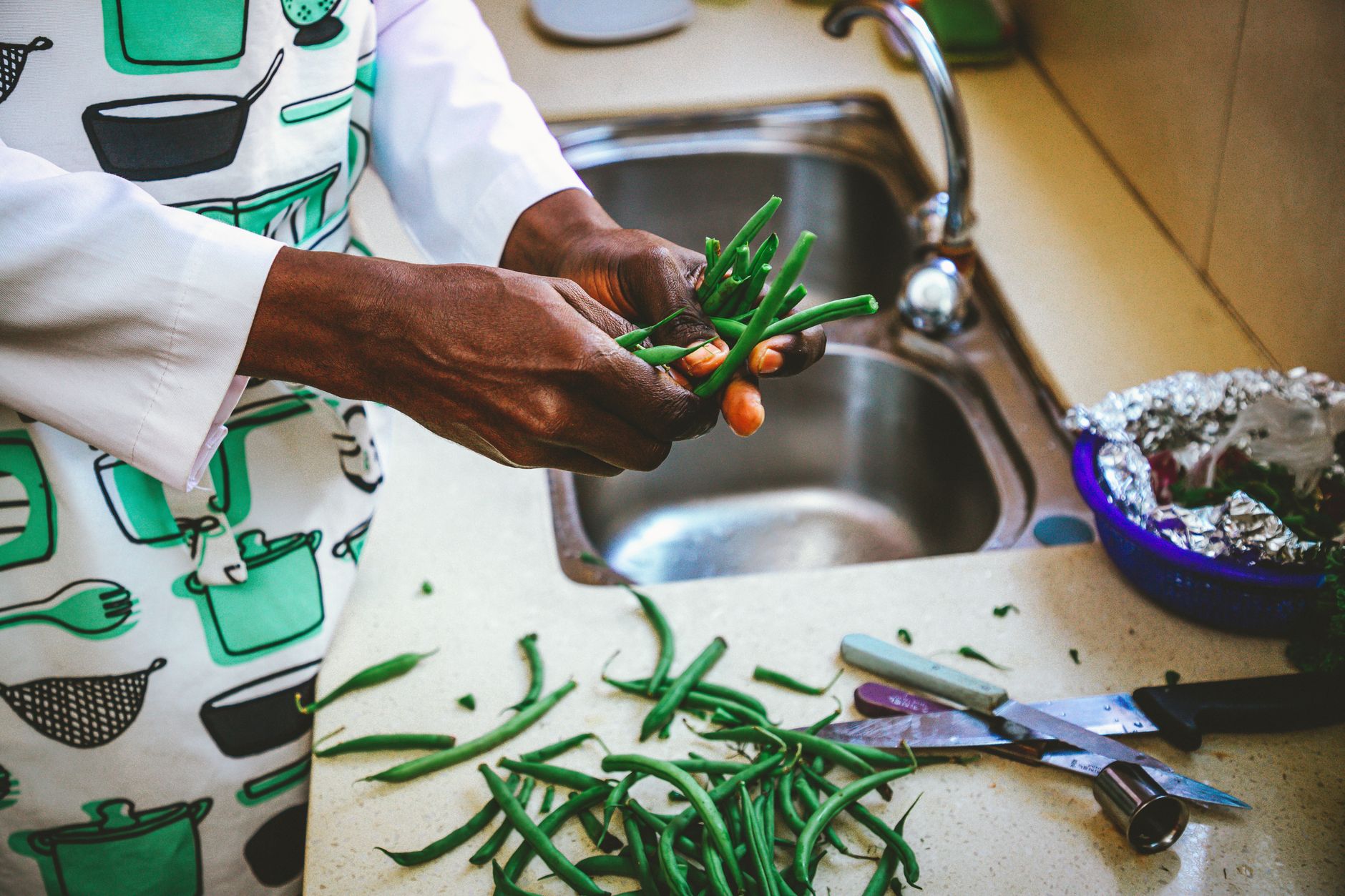
Step 1 Prep your vegetables: wash, core, and slice peppers and onion thinly; mince garlic finely
No peeling needed for peppers; thin slices cook quickly and retain texture. Finely mincing garlic prevents burning later and releases more aroma during cooking.
Step 2 Heat oil in skillet over medium-high heat and saut onions until translucent (~4 minutes), add garlic and chili, cook 1 minute
Use medium-high temperature for gentle caramelization without burning. Stir often to prevent chili flakes from overheating, which can make them bitter and dull their flavor.
Step 3 Add sliced peppers, stir-fry for 56 minutes until they soften but still retain a slight crunch
Keep the pan from overcrowding by cooking in batches if needed. Stir every minute to ensure even cooking without mushiness. The stir-fry vegetables technique locks in crispness and bright colors.
Step 4 Season with salt; optionally garnish with fresh herbs. Serve immediately or transfer to airtight container for storage
Salt toward the end prevents the vegetables from releasing too much water and becoming soggy. Fresh herbs add a burst of color and freshness.
Variations & Substitutions
Customize spice level and flavor profile
To reduce spicy heat in vegetables, remove chili seeds or use less chili flakes. Smoky notes come from smoked paprika or chipotle powder. Add a splash of soy sauce or lemon juice for an added tang and depth.
Ingredient swaps and impact
Switch bell peppers with zucchini or asparagus for new textures and flavors. Dried chili powder offers earthier warmth than fresh chilies, changing the dishs heat character.
Adjust sweetness or saltiness to preference
A pinch of sugar or honey balances intense heat by softening bitterness. Sea salt and tamari create varied salt flavors, so experiment for your favorite profile.

Storage & Shelf Life
Refrigerator storage
Leftovers stay fresh in a sealed glass container for 34 days in the fridge. Reheat gently on the stove over medium heat for best texture retention.
Freezer method
Freeze in airtight containers or freezer bags for up to 1 month. Thaw overnight in the refrigerator before reheating slowly to avoid sogginess.
Make-ahead batch tips
Double or triple the recipe to save cooking time. Use labeled glass jars and cool food quickly before refrigerating to maintain peak freshness and flavor.
Pro Tips & Troubleshooting
Handling spice without stains and maximizing flavor extraction
Wear gloves when chopping fresh chili to avoid skin irritation or accidental eye contact. Add chili later in cooking to prevent bitterness from overheating. Use oils with a high smoke point, like avocado oil, to prevent burnt flavors.
Fix common issues
If vegetables turn dull or brown, you may have overcooked them or left them exposed to air too long. Reheat briefly on high heat to revive crispness. Bitterness often results from burnt garlic or raw chili seedscook garlic gently and remove seeds from chili if needed.
Expert upgrade
Finish with a pinch of freshly cracked black pepper just before serving. This simple touch amplifies the chilis brightness and deepens the overall flavor complexity beautifully.
When is the best time to eat a spicy vegetables recipe?
This spicy vegetable dish works well at lunch or dinner. Avoid eating it on an empty stomach if youre sensitive to spice. Pair it with carbohydrates or protein to balance intense heat and increase meal satisfaction.
Can I make a big batch ahead of time?
Yes, prepare larger quantities and refrigerate for up to 4 days or freeze for up to 1 month. Reheat gently to preserve the vegetables‘ texture and flavor.
Fresh chili or chili powder which is better?
Fresh chili provides a brighter, sharper heat with crunchy texture, while chili powder offers a consistent, milder warmth and adds earthier depth. Use whichever fits your preference.
Is this safe for pregnant women, kids, or people on medication?
Mild versions with reduced chili are generally safe. However, consult a healthcare professional if you have specific digestive concerns or medication interactions, especially during pregnancy.
How often can I eat spicy vegetables?
Eating spicy vegetables daily is fine for most adults if you tolerate the heat. Start slowly if youre new to spicy foods to avoid discomfort.
Why does mine taste bitter?
Bitterness typically comes from burned garlic or chili flakes. Lower cooking temperature when adding spices and avoid overheating to keep flavors balanced.
What pairs well with this spicy vegetable dish?
It pairs wonderfully with rice, quinoa, grilled chicken, or as a flavorful filling for tacos. Cooling sides like cucumber salad or yogurt also complement the spicy heat well.
More Recipes You Will Love
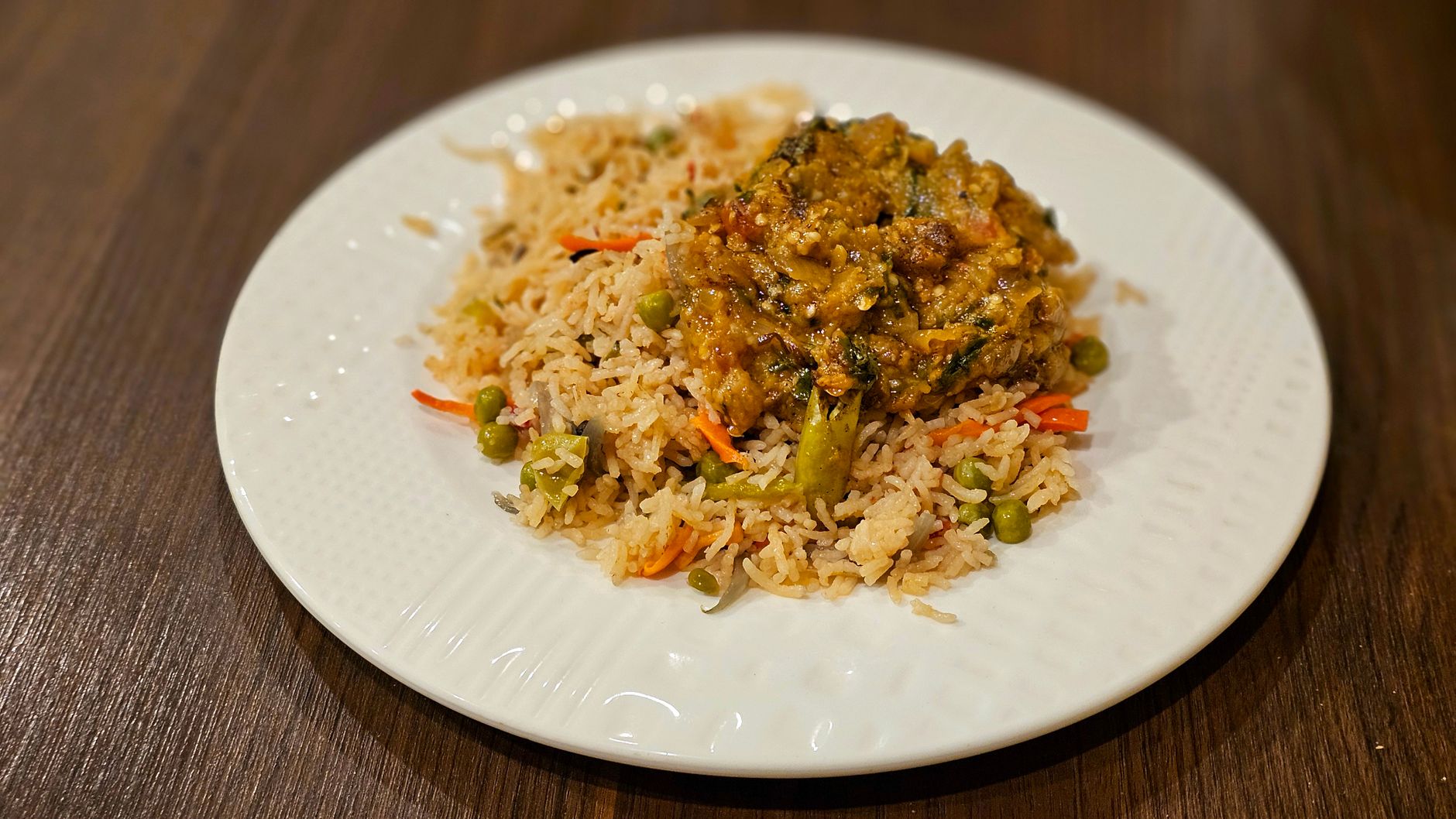
Try indian spiced vegetables for a fragrant and warmly spiced twist on your veggie dishes. For something creamy and comforting, our Creamy vegetable soup is velvety and nourishing. Or enjoy the sweetness of a Honey glazed carrots recipe 1938783 as a bright, veggie side option.
Conclusion
This spicy vegetables recipe is a quick, easy way to enjoy bold, healthy flavors without hassle. The fresh ingredients and simple stir-fry vegetables technique keep each bite crisp and vibrant. Its a go-to recipe for anyone who wants a tasty, flexible meal packed with nutritious veggies and spicy kick. Try it soon and share your favorite spice level or rating below; you might also enjoy our quick vegan tofu stir-fry next.
FAQs
When is the best time to eat spicy vegetables recipe?
This spicy vegetable dish is ideal for lunch or dinner. Avoid eating it on an empty stomach if you are sensitive to spice, and pair it with carbs or protein to balance the heat and enhance satisfaction.
Can I make a big batch of spicy vegetables recipe ahead of time?
Yes, you can prepare larger quantities and refrigerate leftovers for up to 4 days or freeze them for up to 1 month. Reheat gently to keep the texture and flavors intact.
What is better to use: fresh chili or chili powder?
Fresh chili offers a brighter, sharper heat and crunchy texture, while chili powder gives a consistent, milder warmth with an earthy depth. Choose based on your preferred flavor and heat level.
Is the spicy vegetables recipe safe for pregnant women, kids, or those on medication?
Milder versions with less chili are generally safe, but consult a healthcare professional if you have digestive concerns, medication interactions, or are pregnant to ensure safety.
Why does my spicy vegetables recipe taste bitter?
Bitterness usually results from burnt garlic or overcooked chili flakes. Use lower heat when cooking spices and avoid overheating to maintain balanced flavors and avoid bitterness.