Introduction
Why the best marinade for roasted vegetables matters for flavor and texture
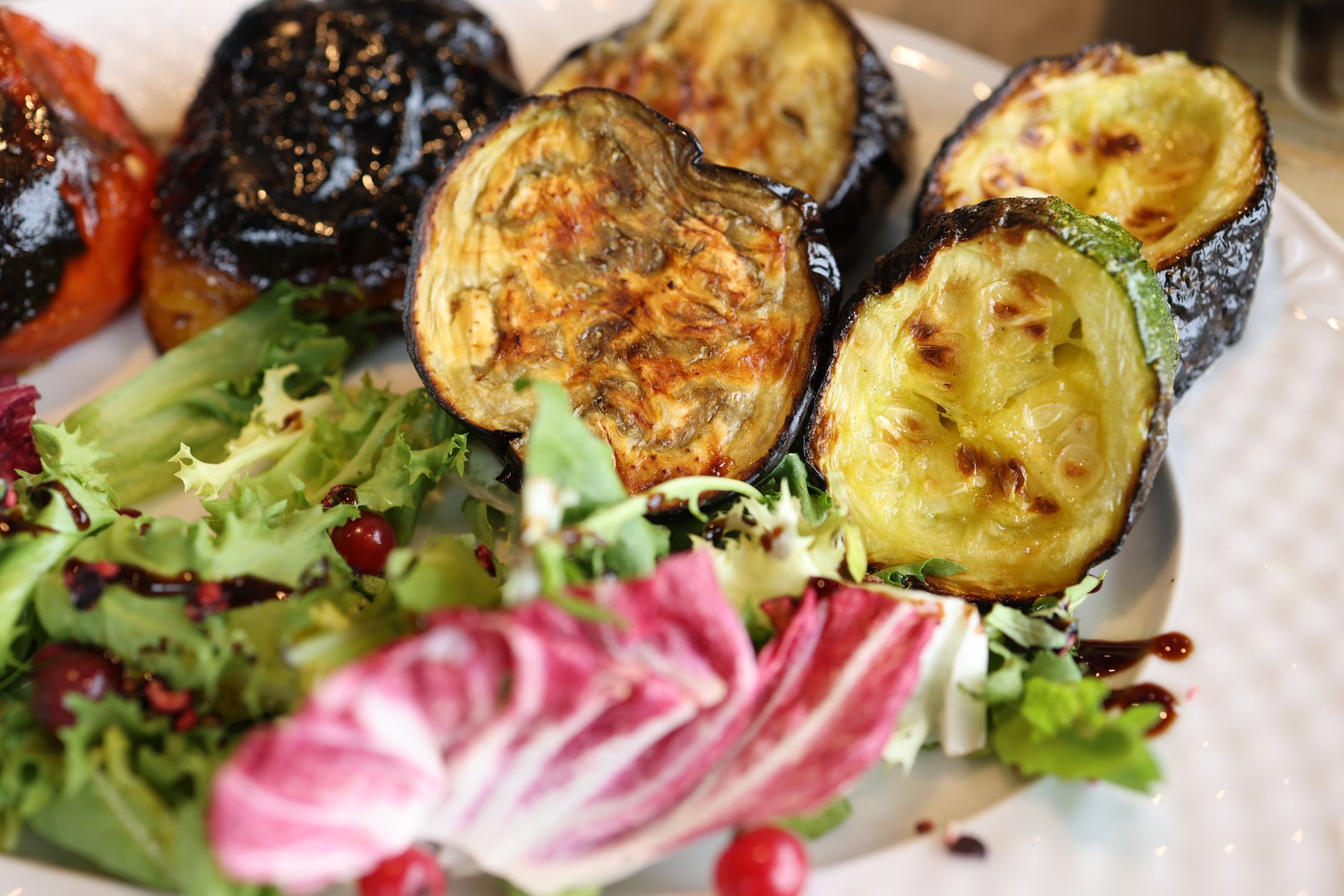
The best marinade for roasted vegetables makes all the difference in turning simple veggies into a dish bursting with flavor. A well-crafted marinade enhances roasted vegetable flavor by adding layers of tang, richness, and aromatic herbs. It tenderizes the veggies while helping them develop a golden, caramelized crust that brings out their natural sweetness and earthiness. This easy marinade for vegetables creates juicy, crispy results that brighten any dinner plate.
Who this recipe is for: cooks of all skill levels and dietary preferences
This recipe works for beginners and seasoned home cooks alike. Its vegan marinade options friendly, gluten-free, and adaptable to suit what you have on hand. Whether you want a quick weeknight side or a healthy meal boost, this marinade fits all diets and meals.
What makes this version unique compared to other marinade recipes
Unlike many vegetable marinade recipes that rely heavily on salt or sugar, this one balances acidity with rich olive oil marinade and fresh herbs. It avoids common marinade mistakes like over-salting or soggy textures. The result is a fresh, vibrant blend that clings perfectly for roasting vegetables with a lively but balanced taste.
Key Highlights
Balanced flavor layers: acidity brightens, oil adds richness, herbs deepen aroma
A combination of lemon juice or balsamic vinegar adds bright acidity that tenderizes while olive oil coats veggies for golden edges. Garlic, oregano, and Dijon mustard add aromatic complexity, rounding out the flavor. This roasting vegetables marinade technique produces depth and balance.
Versatile for any vegetable and dietary preference
This marinade shines with root vegetables like carrots or sweet potatoes, but also works beautifully on squash, bell peppers, or even mushrooms. It pairs well with gluten-free, vegan, and paleo diets effortlessly, making your vegetable dishes more exciting no matter the preference.
Who should be cautious allergies and dietary restrictions
If you or anyone eating has acid sensitivity, reduce or swap vinegar with milder alternatives like rice wine vinegar. Always check for allergies to garlic or mustard and adjust accordingly. Customizing ingredients prevents any adverse reactions while keeping flavors intact.
Ingredients & Preparation
| Prep time | Cook time | Total time | Servings | Calories | Diet tags |
|---|---|---|---|---|---|
| 10 minutes | 2530 minutes | 40 minutes | 4 | 120 per serving | Vegan, Gluten-Free, Dairy-Free, Paleo |
Full ingredient list with substitution notes
- 3 tbsp extra virgin olive oil (substitute avocado oil for milder flavor)
- 2 tbsp balsamic vinegar or lemon juice (apple cider vinegar possible)
- 2 cloves garlic, minced (or 1 tsp garlic powder)
- 1 tsp dried oregano or fresh herbs (rosemary, thyme)
- 1 tsp Dijon mustard (optional for tang)
- tsp salt (adjust to taste)
- tsp black pepper
- tsp maple syrup or honey (skip for savory-only version)
Equipment needed
A mixing bowl or jar for whisking the marinade is all you need. A blender or food processor can be used for a smooth texture but is not necessary.
Tips for choosing the best quality ingredients
Fresh herbs elevate the aroma and flavor more than dried. Extra virgin olive oil enhances richness and mouthfeelavoid refined oils for less flavor. Use freshly squeezed lemon juice or a good quality vinegar to brighten but not overpower.
Step-by-Step Instructions
Step 1 Prep vegetables: wash, peel, and chop into evenly sized pieces (about 1-inch chunks)
Stick to one-inch chunks for uniform roasting. No need to peel tender skins if cleancarrots and sweet potatoes are great examples. This ensures even cooking and caramelization.
Step 2 Mix the marinade: whisk all ingredients in a bowl for 1 minute until emulsified
Whisk olive oil, vinegar or lemon juice, garlic, herbs, mustard, salt, pepper, and optional sweetener until fully combined. Emulsifying helps the marinade coat evenly and cling well during roasting.
Step 3 Toss vegetables in marinade ensuring full coating; let sit 10-15 minutes at room temperature
Allowing vegetables to rest in the marinade for 1015 minutes helps flavors soak in. Avoid marinating porous veggies like zucchini longer than 20 minutes to prevent sogginess. Stir occasionally for even coverage.
Step 4 Roast at 425F (220C) for 2530 minutes, turning halfway; serve warm or store
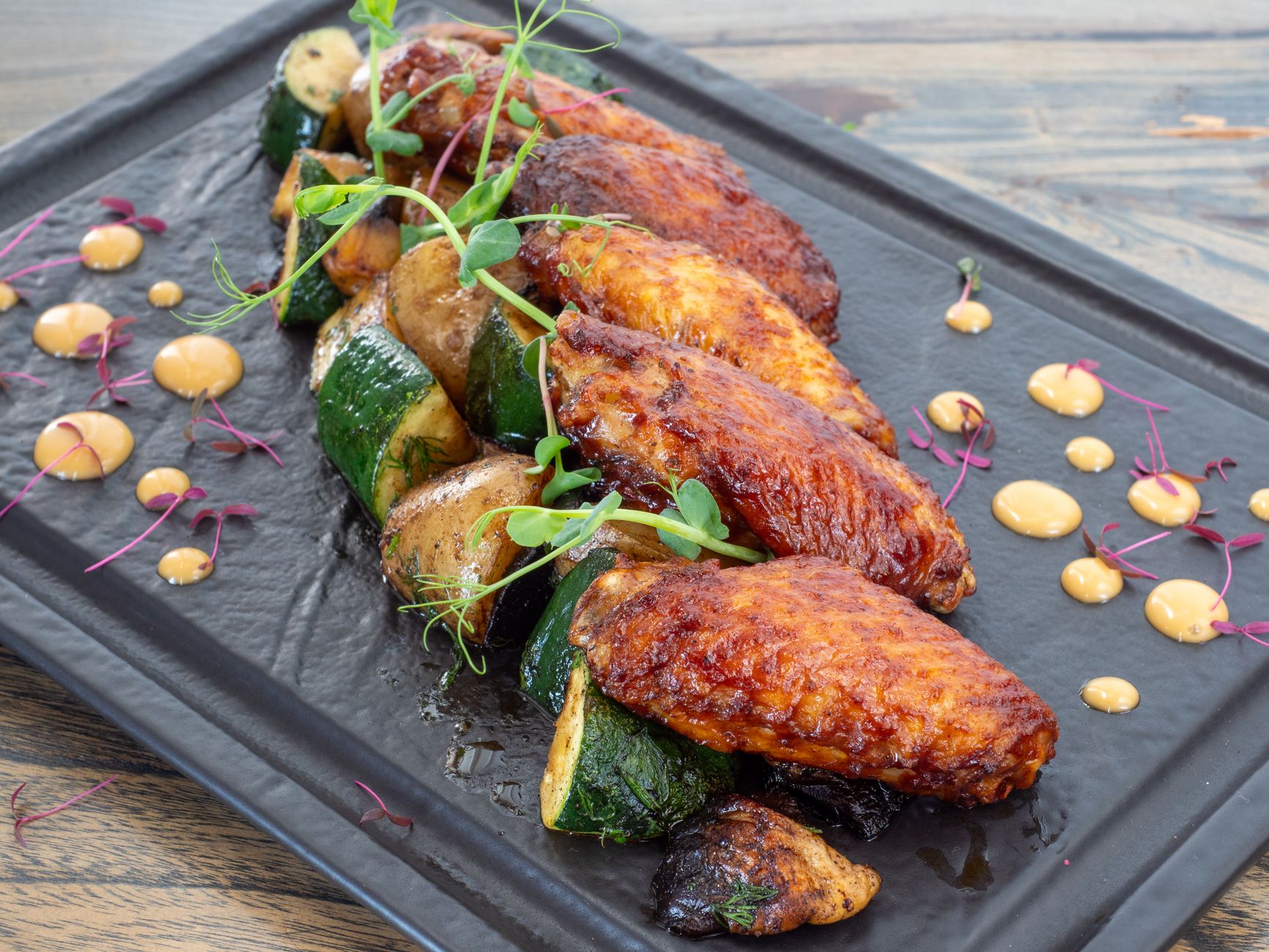
Spread vegetables on a baking sheet in one layer. Roast at 425F for 25 to 30 minutes until edges are crisp and golden brown. Halfway through, turn them to ensure even browning. Serve immediately or cool and refrigerate.
Variations & Substitutions
Popular dietary and flavor variations
Add smoked paprika or chipotle powder for smoky warmth. Swap balsamic vinegar for rice wine vinegar and add tamari for Asian-inspired dishes. These small tweaks keep your vegetable marinade recipes fresh and exciting.
Ingredient swaps and expected outcomes
Lemon juice brightens flavor with a crisp note, whereas balsamic vinegar adds mellow sweetness. Maple syrup and honey provide gentle sweetness; agave is a good vegan swap. Opting for fresh herbs offers sharper aroma than dried.
How to adjust marinade intensity
For tangy punch, increase vinegar or mustard slightly. To soften acidity, boost olive oil or add a bit more sweetener. Balancing flavors prevents your dish from becoming too sharp or dull.
Storage & Shelf Life
Refrigerator storage: keeps 45 days in an airtight glass jar
The marinade holds well stored chilled in a sealed jar for up to five days. Shake or whisk before each use to recombine separated ingredients.
Freezer option: not recommended for marinade alone due to separation; freeze vegetables separately
Freezing the marinade can cause it to separate and lose its emulsified texture. Instead, freeze plain chopped vegetables for up to 3 months and apply marinade fresh before roasting.
Make-ahead batch tips
Mix larger batches in glass bottles with tight lids. Label with date and keep refrigerated. Use within 5 days for best aroma and flavor. Having marinade ready speeds up meal prep on busy days.
Pro Tips & Troubleshooting
Practical tips: avoid staining hands by using gloves when handling turmeric or beet-root based veggies; for more flavor, use fresh herbs near roasting end
Garlic and dried herbs release stronger flavors if roasted, but fresh herbs added at the end maintain aroma brightness. Gloves prevent staining from pigmented vegetables or spicy seasonings. Always give your marinade a good whisk before use to blend oil and acid well, ensuring even coating on the vegetables.
Why flavor or color might be off and how to fix it
Dull or muted color often results from over-roasting or too little acid. To brighten, add a splash more lemon juice or vinegar. Bitterness usually comes from too much raw garlic or dried herbsreduce amounts slightly or balance with a little more sweetener next time.
Expert upgrade: adding a pinch of black pepper enhances absorption of antioxidant compounds in herbs and spices
According to a 2023 study in the Journal of Nutritional Biochemistry, black pepper increases bioavailability of beneficial spices like oregano by enhancing absorption. This simple addition lifts the marinade from good to great, boosting both flavor and health benefits.

When is the best time to eat roasted vegetables with this marinade?
Roasted vegetables are best enjoyed immediately after cooking when textures are crisp and flavors vibrant. Leftovers keep well for 45 days in the refrigerator and taste delicious cold or reheated.
Can I make a big batch of this marinade ahead of time?
Yes, you can prepare the marinade up to 5 days in advance and store it refrigerated in an airtight container. For best flavor, marinate vegetables just before roasting rather than long in advance.
Fresh garlic or powderwhich is better for this marinade?
Fresh garlic offers a more pungent, vibrant flavor compared to garlic powder‘s milder, subtler taste. Both work well. Use fresh if you want a sharper kick, or powder for convenience.
Is this marinade safe for pregnant women or children?
All ingredients are generally safe for pregnant women and children. However, those allergic to mustard, garlic, or acidic ingredients should avoid or substitute accordingly. Always consult a healthcare provider if uncertain.
How often can I use this marinade?
You can use this marinade regularly to add flavor to your vegetable dishes. There are no known restrictions, making it a healthy, tasty addition to weeknight meals.
Why does my marinade taste too bitter sometimes?
Bitterness usually results from excess raw garlic or too many dried herbs. Reduce quantities next time. Balancing with a touch more maple syrup or honey can also soften harsh flavors.
What pairs well with roasted vegetables using this marinade?
This marinade pairs wonderfully with grilled meats, quinoa, roasted chicken, or atop a fresh salad. For a comforting meal, serve alongside dishes like Creamy wild rice recipe or a simple grain bowl.
More Recipes You Will Love
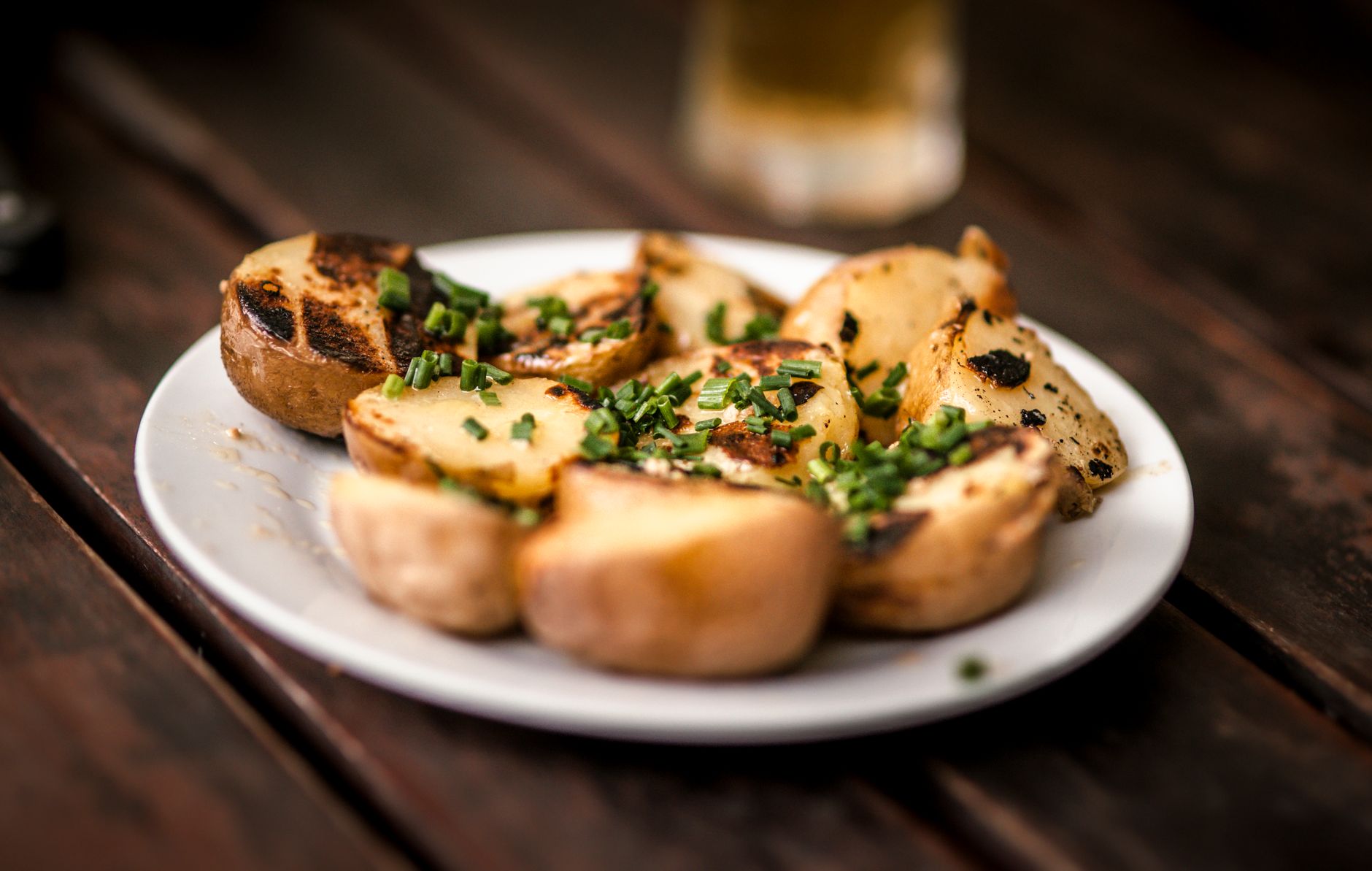
Garlic Herb Roasted Potatoes (Dinner Recipes)
These crispy, golden potatoes seasoned with fresh herbs complement roasted vegetables beautifully. Perfect for a hearty weeknight side.
Vegan Lentil Stew (Vegan Recipes)
This rich and comforting stew is a great plant-based protein boost to serve alongside your roasted veggie dishes. Warm and filling.
Fall Harvest Roasted Veggie Medley (Seasonal Recipes)
Celebrate seasonal produce with this colorful medley featuring warming spices that elevate any dinner table. Try it for a cozy meal.
You might also enjoy exploring best marinade for vegetables to expand your flavor repertoire or testing out Whole wheat pasta recipes for diabetics for wholesome dinners.
Conclusion
The best marinade for roasted vegetables offers a simple yet transformative way to enhance your meals. Its balance of tangy acidity, rich olive oil marinade, and fresh herbs turns everyday vegetables into a flavorful, crave-worthy dish. Try this easy marinade for vegetables tonight and enjoy the aroma and golden, crispy texture that only roasting can deliver. Feel free to share your experience or rate the recipe below for others to see.
FAQs
When is the best time to eat best marinade for roasted vegetables?
Roasted vegetables are best enjoyed immediately after cooking when textures are crisp and flavors vibrant. You can also refrigerate leftovers for up to 4-5 days to enjoy cold or reheated later.
Can I make a big batch of this marinade ahead of time?
Yes, prepare the marinade up to 5 days in advance and store it refrigerated in an airtight container. For optimal flavor, marinate your vegetables just before roasting.
Is fresh garlic or garlic powder better for this marinade?
Fresh garlic provides a more pungent and vibrant flavor, while garlic powder offers a milder and subtler taste. Both work well depending on your preference and convenience.
Are there allergy considerations with this marinade?
This marinade contains garlic and mustard, which some may be allergic to. If needed, substitute or omit these ingredients, and choose milder vinegar alternatives for acid sensitivity.
How do I adjust the marinade’s flavor intensity?
Increase vinegar or mustard for more tang, add extra olive oil or sweetener like maple syrup to soften acidity, and balance herbs to avoid overpowering sharpness or dullness.