Why Thimbles With Mushrooms And Artichokes Recipe Works
The first thing you notice is the earthy mushroom aroma, followed by the nutty scent of Marsala and Parmesan. Small thimble-shaped pasta catches the creamy sauce in every bite.
Thimbles With Mushrooms And Artichokes Recipe is a creamy Italian-inspired pasta made with sautéed mushrooms, tender artichoke hearts, dry Marsala wine, Parmesan, and parsley. The vegetables cook in one skillet while the pasta boils, so dinner comes together in about 35 minutes. It is rich enough for a special meal but simple enough for a weeknight.
I like this recipe because the sauce does not rely on a complicated roux. Mushrooms provide savory depth, Marsala adds gentle sweetness, and the pasta water helps everything cling to the noodles. Serve it hot with a crisp salad or roasted vegetables.
Health Benefits & Nutrition
This pasta combines vegetables, dairy, and carbohydrates in one satisfying dish. It is filling, but the cream and Parmesan also make it fairly rich, so a smaller portion with a side salad can work well.
- Mushrooms provide useful nutrients: Mushrooms contribute fiber, potassium, B vitamins, and a savory texture while adding very few calories compared with many meat-based pasta sauces.
- Artichokes add fiber: Artichoke hearts bring fiber and a mild, tangy flavor. Their tender texture also makes the sauce feel more substantial.
- Parmesan contributes protein and calcium: Parmesan adds concentrated flavor, protein, and calcium. Because it is salty, taste the sauce before adding extra salt.
- Olive oil supplies unsaturated fat: Olive oil helps brown the mushrooms and carries their flavor through the sauce.
Nutrition varies with the pasta brand, cream, cheese, and serving size. One serving is approximately 700 to 750 calories, with about 22 grams of protein, 85 to 95 grams of carbohydrates, and 28 to 32 grams of fat. These figures are estimates rather than laboratory-tested values.
This recipe contains wheat and dairy. Marsala is a fortified wine, and the finished dish may retain some alcohol, even though much of it cooks away. For allergy concerns, dietary restrictions, pregnancy, or medication-related questions about alcohol, ask a qualified healthcare professional or dietitian for personal guidance.
Ingredients & Preparation
Recipe Card
| Prep time | 15 minutes |
|---|---|
| Cook time | 20 minutes |
| Total time | 35 minutes |
| Servings | 4 servings |
| Calories | Approximately 740 per serving |
| Diet tags | Vegetarian; contains wheat and dairy |
Full Ingredient List
- 3 tablespoons olive oil
- 1 small yellow onion, finely chopped
- 1 pound cremini or white mushrooms, trimmed and finely chopped
- 1 3/4 teaspoons kosher salt, divided
- 1 cup dry Marsala wine
- 1 pound thimble pasta
- 8 ounces frozen artichoke hearts, thawed and patted dry
- 3/4 cup finely grated Parmesan cheese
- 1/2 cup heavy cream
- 1/2 cup chopped fresh flat-leaf parsley
- 1 teaspoon freshly ground black pepper
Equipment Needed
- Large heavy skillet or sauté pan
- Large pot for boiling pasta
- Colander
- Wooden spoon or silicone spatula
- Chef’s knife and cutting board
- Measuring cups and spoons
Tips for Choosing Quality Ingredients
Choose mushrooms that feel firm and look dry, not slimy. Cremini mushrooms have a deeper flavor than white mushrooms, but either variety works. Wipe them with a damp towel or brush away dirt rather than soaking them, since water can slow browning.
Use dry Marsala, not sweet Marsala. Dry wine keeps the sauce savory and balances the cream. Frozen artichoke hearts are convenient and usually have a cleaner texture than heavily marinated canned hearts. If using canned hearts, rinse away the brine and pat them very dry.
Freshly grated Parmesan melts more smoothly than pre-shredded cheese. Look for short, ridged thimble pasta, such as ditali or another small tubular shape. The ridges and hollow centers hold the sauce beautifully.

Step-by-Step Instructions
1. Prepare the skillet vegetables
Heat 3 tablespoons olive oil in a large heavy skillet over medium-high heat for 1 minute. Add the chopped onion and cook for 1 minute, stirring once or twice. Add the mushrooms and 1 teaspoon kosher salt. Cook for 10 minutes, stirring every 2 minutes, until the mushrooms shrink and their liquid has evaporated. The pan should begin to sizzle again, and the mushrooms should smell deeply earthy rather than watery.
2. Reduce the Marsala
Pour 1 cup dry Marsala into the skillet and cook over medium-high heat for 5 minutes. Stir frequently, scraping the browned bits from the bottom. The wine is ready when only a thin layer of liquid remains and the sharp alcohol smell has softened. The first time I made this, I added the pasta too soon and ended up with a loose sauce, so give the wine time to reduce properly.
3. Boil the thimble pasta
While the mushrooms cook, bring a large pot of water to a rolling boil over high heat. Add the remaining 3/4 teaspoon kosher salt, then add the pasta. Cook for 8 to 10 minutes, stirring during the first minute and again halfway through. Drain when the pasta is tender but still firm at the center. Do not rinse it, because the surface starch helps the sauce cling.
4. Combine the pasta, artichokes, and sauce
Add the drained pasta and thawed artichoke hearts to the skillet. Stir in 3/4 cup Parmesan and 1/2 cup heavy cream. Cook over medium-low heat for 3 minutes, stirring gently, until the artichokes are hot and the cheese has melted into a glossy sauce. If the mixture looks too thick, loosen it with 1 to 2 tablespoons of hot pasta water.
5. Finish with parsley and pepper
Turn off the heat and stir in 1/2 cup chopped parsley and 1 teaspoon black pepper. Rest the pasta in the skillet for 2 minutes, then taste and adjust seasoning if needed. The finished sauce should coat the pasta without pooling heavily at the bottom, and the parsley should stay bright green.

Variations & Substitutions
- Use another short pasta: Replace the thimbles with 1 pound of orecchiette, small shells, elbows, or rigatoni. Choose a shape with ridges or a hollow center so it can hold the cream sauce.
- Make it lighter: Replace the 1/2 cup heavy cream with 1/2 cup half-and-half. The sauce will be thinner, so stir in an extra 2 tablespoons Parmesan at the end if needed.
- Add spinach: Stir in 3 packed cups of baby spinach during the final 2 minutes. Cook until wilted, then add the parsley. The spinach will add color and a softer vegetable texture.
- Add chicken: Use 12 ounces boneless, skinless chicken breast, cut into bite-size pieces. Brown it in 1 tablespoon olive oil for 5 to 6 minutes, remove it, and return it with the artichokes.
- Make it vegetarian with extra savory flavor: Use a vegetarian Parmesan-style cheese if strict vegetarian cooking is required. Some traditional Parmesan cheeses use animal rennet, so check the label.
- Use fresh artichoke hearts: Substitute about 8 ounces cooked fresh artichoke hearts for the frozen hearts. Add them at the same stage, but avoid overcooking because fresh hearts can become soft quickly.
I tested this with canned artichokes packed in oil, but they made the sauce taste noticeably heavier and more acidic. Frozen hearts are my preferred choice here. If canned is all you have, rinse them thoroughly and use a little less salt until the final tasting.
Storage & Shelf Life
Store cooled leftovers in an airtight container in the refrigerator for up to 3 days. Refrigerate the pasta within 2 hours of cooking. The sauce will thicken as it chills because the pasta continues to absorb moisture.
Reheat individual portions in the microwave at 50 percent power for 60 seconds, stir, and continue in 30-second intervals. You can also reheat the pasta in a skillet over low heat with 1 to 2 tablespoons of milk, cream, or water. Stir gently to prevent the pasta from breaking.
Freezing is possible, although the cream sauce may separate slightly after thawing. Freeze cooled portions in airtight freezer containers for up to 2 months. Thaw overnight in the refrigerator, then reheat slowly with a splash of milk or water.
Discard leftovers if they develop a sour or unpleasant odor, slimy mushrooms, visible mold, unusual discoloration, or a sauce that looks spoiled. Do not taste food to check whether it is safe.
Pro Tips
Give the mushrooms room to brown. Use a wide skillet and avoid crowding. If the mushrooms sit in a deep pile, they steam instead of sautéing. Finely chopping them helps them blend into the sauce, but keep the pieces large enough to retain a meaty texture.
Reduce before adding dairy. Marsala should cook down before cream and cheese enter the pan. Adding dairy too early leaves the wine flavor harsh and makes the final sauce too loose.
Use pasta starch strategically. Drain the pasta when it is just firm, and reserve a small cup of cooking water if possible. A spoonful of starchy water can loosen the sauce while helping the cheese and cream emulsify around the pasta.
Pat the artichokes dry. Excess moisture dilutes the sauce and can cause splattering when the hearts hit the hot skillet. Press thawed artichokes gently between clean towels before adding them.
Grate the Parmesan finely. Fine shreds melt quickly at medium-low heat. Very coarse pieces can remain stringy, especially if the skillet is too hot.
Finish off the heat. Parsley tastes fresher when stirred in after cooking. Keeping the pan off the burner also reduces the chance of the cream splitting.

When is the best time to eat Thimbles With Mushrooms And Artichokes Recipe?
The best time to eat this pasta is immediately after cooking, while the sauce is glossy and the artichokes are tender. Serve it as a main course for lunch or dinner. It is especially satisfying on cool evenings, with a green salad to balance the creamy sauce.
Can I make this recipe ahead of time?
You can prepare the mushroom and Marsala mixture up to 1 day ahead, then refrigerate it in a covered container. Boil the pasta and finish the sauce just before serving. Fully assembled pasta can be reheated, but it will not have quite the same silky texture as freshly made.
What are thimble noodles?
Thimble noodles are small, short pasta shapes with a hollow center, commonly sold as ditali or similar varieties. Their compact shape works well with creamy sauces because the sauce collects inside and around the pasta. Small shells or elbows are suitable replacements if thimble pasta is unavailable.
Can I use sweet Marsala wine?
Dry Marsala is the better choice, but sweet Marsala can work if used carefully. Replace the dry wine with the same 1-cup amount, then add 1 teaspoon lemon juice at the end to sharpen the flavor. The finished sauce will still taste sweeter than the original version.
How do I stop the cream sauce from becoming too thick?
Add hot pasta water 1 tablespoon at a time while stirring over low heat. The starch loosens the sauce without making it watery. Avoid boiling the cream after adding Parmesan, since high heat can make the cheese clump and the sauce turn grainy.
Can I use fresh mushrooms instead of frozen?
Fresh mushrooms are required for the best texture and flavor. Use 1 pound of cremini, white, or baby bella mushrooms, brush them clean, and chop them finely. Cook until their released liquid evaporates completely before adding Marsala.
What should I serve with this pasta?
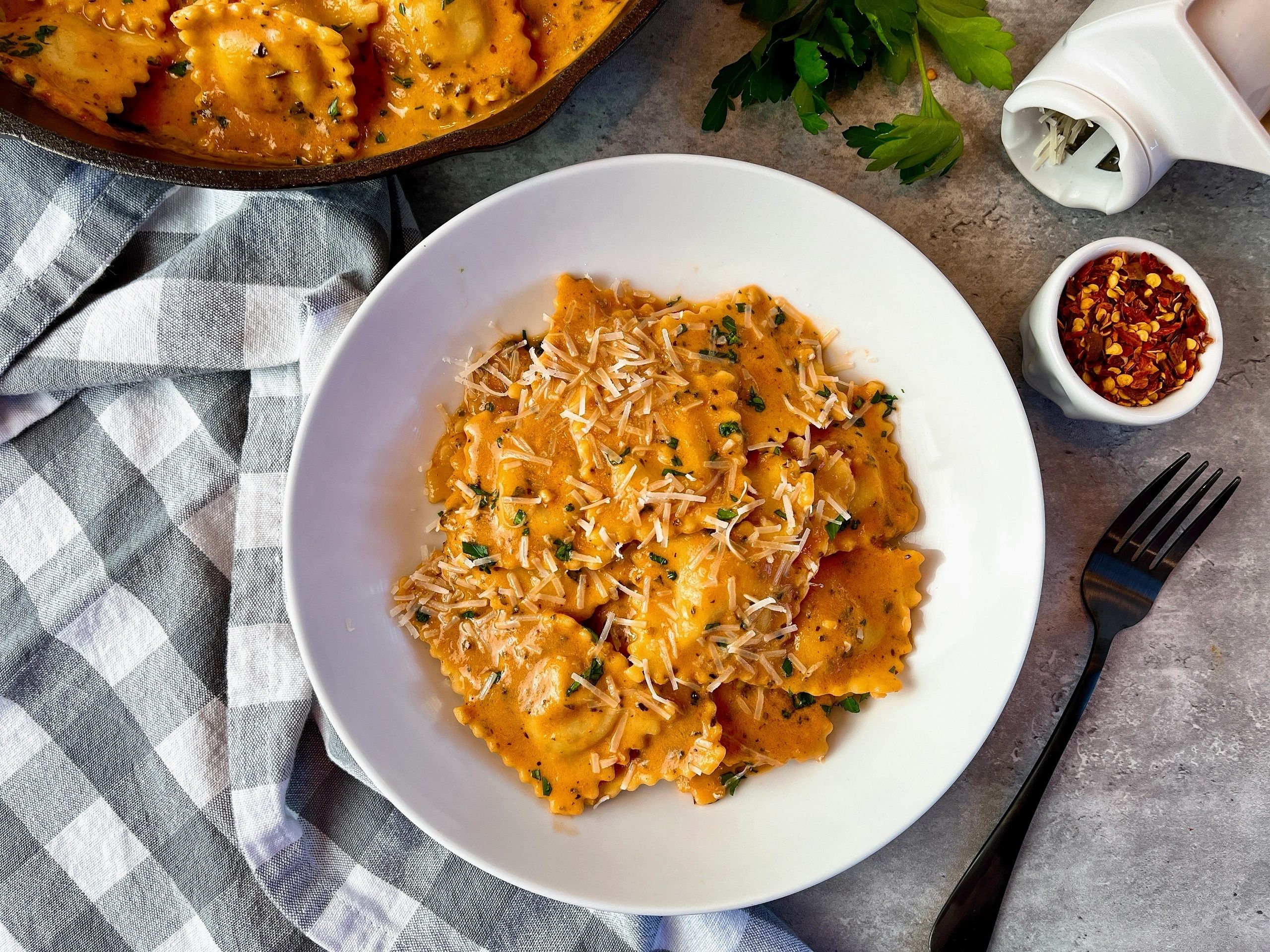
Serve it with a crisp green salad, roasted asparagus, or steamed broccoli. Crusty bread is useful for the remaining sauce, while a light citrus dessert keeps the meal from feeling too heavy. For another Italian-inspired dinner, try this Butternut squash ravioli recipe2 1970763.
More Recipes You Will Love
If you enjoy creamy pasta with a savory vegetable filling, the butternut squash ravioli recipe offers a sweeter, warmly spiced direction. It pairs well with browned butter, sage, or a simple green salad.
For a drink to serve before dinner, try the Champagne sangria recipe 1945257. Its bright fruit flavors provide a refreshing contrast to the rich pasta.
You can also turn this meal into a larger Italian-style spread with marinated vegetables, a tomato salad, and warm bread. Keep the side dishes fresh and lightly dressed so the mushroom sauce remains the focus.
Conclusion
Thimbles With Mushrooms And Artichokes Recipe brings together earthy mushrooms, tender artichokes, dry Marsala, cream, and Parmesan in one comforting skillet. The key details are simple: brown the mushrooms well, reduce the wine fully, and finish the pasta gently with cheese and cream. Serve it hot with parsley and plenty of black pepper. If you make it, leave a rating or comment and share what pasta shape you used.
FAQs
When is the best time to eat Thimbles With Mushrooms And Artichokes Recipe?
Thimbles With Mushrooms And Artichokes Recipe is best served hot, right after cooking, when the cream sauce is glossy and the pasta is at its most tender. It works well for a weeknight dinner or a relaxed meal with guests, paired with a crisp green salad or roasted vegetables.
Can I substitute something for the Marsala wine?
Dry sherry or dry white wine can replace dry Marsala in this dish. For an alcohol-free version, use mushroom or vegetable broth with a small squeeze of lemon juice, though the sauce will taste less sweet and nutty. Taste and adjust the salt, since broths vary in saltiness.
How should I store leftover pasta with mushrooms and artichokes?
Refrigerate leftovers in an airtight container for up to 3 days. Pasta absorbs sauce as it sits, so add a splash of water or milk when reheating in a skillet over low heat. Stir gently until the sauce loosens and coats the noodles again.
Why is my sauce too thin, and how do I fix it?
A thin sauce usually needs more reduction or more cheese. Cook the mushrooms and Marsala until most of the liquid evaporates, then stir in the cream and Parmesan. Add reserved pasta water a little at a time until the sauce coats the noodles, and serve right away because it thickens as it cools.
Can I use jarred artichoke hearts instead of frozen?
Yes, jarred artichoke hearts work well in this dish. Drain them thoroughly, pat them dry, and cut any large pieces in half so they blend into the sauce. Jarred hearts are often saltier and more tender, so taste the sauce before adding extra salt.