Looking for a diabetic milkshake recipe that won’t send your blood sugar soaring? Yeah, you can blend a dessert‑like shake at home that’s actually diabetes‑friendly—no guesswork, no hidden carbs.
Below you’ll get five proven shake recipes, the why‑behind each ingredient, and quick tweaks so you can keep the flavor while staying in the safe zone. Let’s dive in—no fluff, just real‑world tips you can use right now.
Why Make Homemade?
Control What Goes In
Store‑bought diabetic smoothies often hide sugars in the form of fruit concentrates, maltodextrin, or even honey. When you make a shake from scratch, you decide the sweetener, the fruit, and the amount of fiber. That control translates directly into steadier glucose levels.
Boost Nutrition Naturally
Homemade shakes let you pack in fiber, protein, and healthy fats—all of which slow glucose absorption. According to the American Diabetes Association, a combination of these three macronutrients is key for blood‑sugar stability after meals.
Save Money and Customize
A bag of frozen berries, a scoop of protein powder, and a splash of almond milk cost a fraction of a ready‑to‑drink bottle. Plus, you can swap dairy for oat milk, use a different fruit, or add a pinch of cinnamon for extra flavor without breaking the bank.
Core Shake Ingredients
Low‑Sugar Fruits & Vegetables
Think berries (strawberries, blueberries, raspberries), green apples, and citrus—each has a glycemic index under 55. Greens like spinach, kale, or cucumber add volume and micronutrients without spiking sugar.
Protein Power
Greek yogurt, cottage cheese, or a scoop of pea protein powder provide 15‑20 g of protein per serving. Protein not only supports muscle repair but also dampens the post‑meal glucose rise.
Fiber & Healthy Fats
Chia seeds, ground flaxseed, or hemp hearts add soluble fiber that forms a gel in the gut, slowing carbohydrate digestion. A quarter of an avocado or a tablespoon of almond butter gives creaminess and monounsaturated fats that are heart‑healthy.
Liquid Bases
Unsweetened almond milk, low‑fat cow’s milk, or plain water are the safest choices. Coconut water can work in a pinch—just double‑check it’s no added sugar.
5 Easy Recipes
1 Berry Blast Protein Shake
Why it works: Berries are low‑glycemic, Greek yogurt adds protein, and a dash of chia gives fiber.
- ½ cup frozen mixed berries
- ½ cup plain Greek yogurt
- 1 Tbsp chia seeds (soaked 5 min)
- ½ cup unsweetened almond milk
- Optional: ½ tsp stevia for extra sweetness
Directions: Toss everything into a blender, blend on high for 30 seconds, and enjoy. Net carbs: ~12 g, Fiber: 6 g, Protein: 18 g.
2 Green Goddess Detox
This one targets smoothies for diabetics type 2 looking for a veggie boost.
- 1 cup fresh spinach
- ½ cup cucumber, sliced
- ½ ripe avocado
- ½ cup unsweetened soy milk
- A squeeze of lemon
- Ice cubes (optional)
Blend until silky. The avocado supplies healthy fats, while the spinach adds iron and magnesium—both important for blood‑sugar regulation.
3 Tropical Low‑Sugar Sunrise
Perfect for easy diabetic smoothie recipes on a lazy weekend.
- ½ cup frozen mango (no added sugar)
- ½ cup frozen pineapple
- ½ cup low‑fat plain yogurt
- ½ cup coconut water (unsweetened)
- ½ tsp turmeric (optional, anti‑inflammatory)
Blend and sip. The tropical flavors feel indulgent, yet the portion size keeps the glycemic load low.
4 Cinnamon Apple Overnight Shake
Designed for diabetic smoothie recipes for weight loss. The overnight step softens oats and improves texture.
- ½ cup rolled oats
- ½ cup unsweetened applesauce
- ½ tsp ground cinnamon
- ½ cup low‑fat milk or dairy‑free alternative
- ½ cup water
- 1 scoop whey isolate (optional)
Combine all ingredients in a jar, refrigerate overnight, then blend before drinking. Oats add soluble fiber, while cinnamon may modestly improve insulin sensitivity.
5 Chocolate Peanut Butter Dream
A low‑sugar smoothie for diabetics treat that feels like dessert.
- 1 Tbsp unsweetened cocoa powder
- 1 Tbsp natural peanut butter
- ½ cup unsweetened almond milk
- ½ cup plain Greek yogurt
- ½ tsp vanilla extract
- Ice cubes
Blend until thick. The protein from yogurt and peanut butter balances the cocoa’s bitter notes, keeping the shake satiating.
Snack Pairing Idea
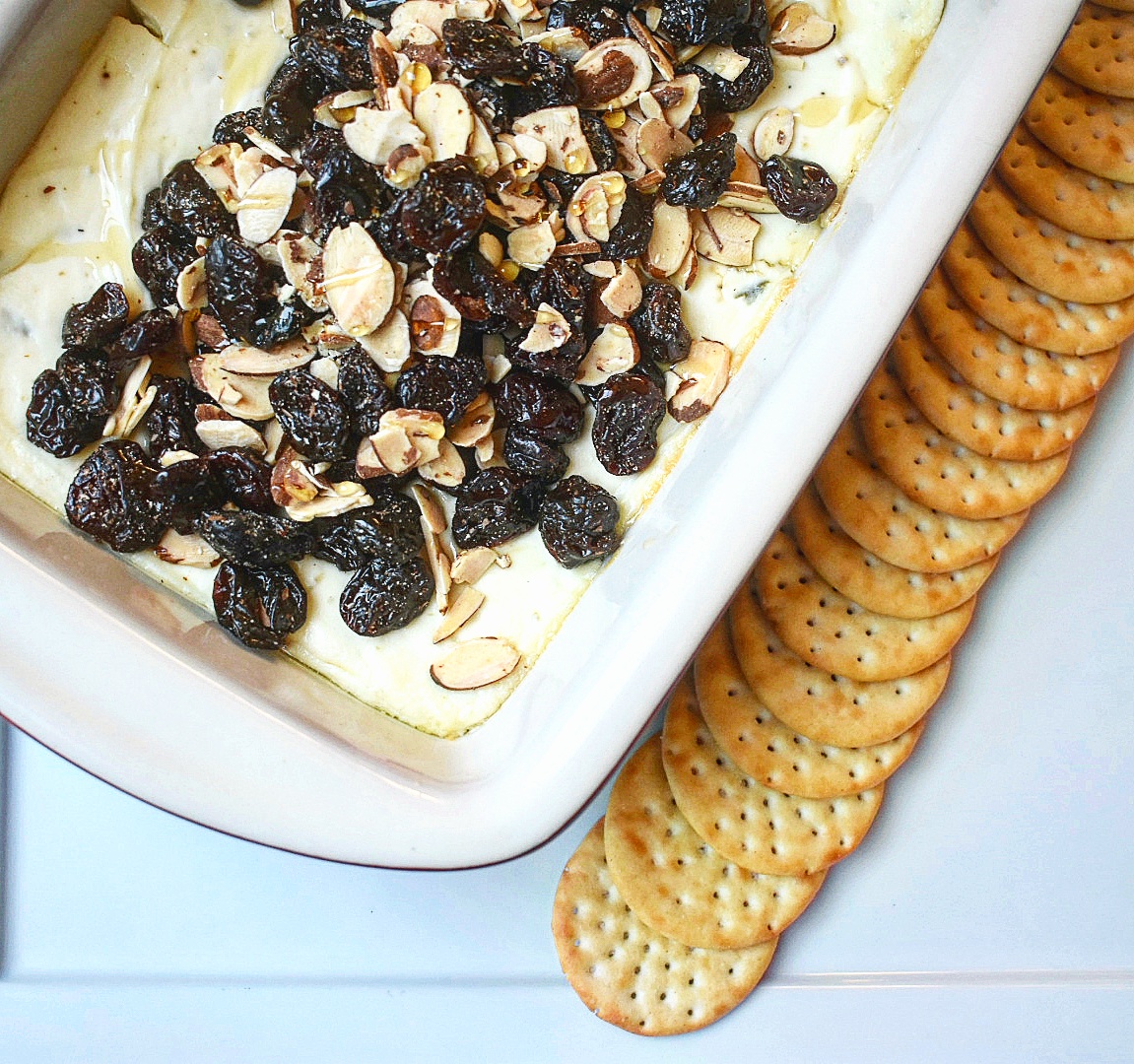
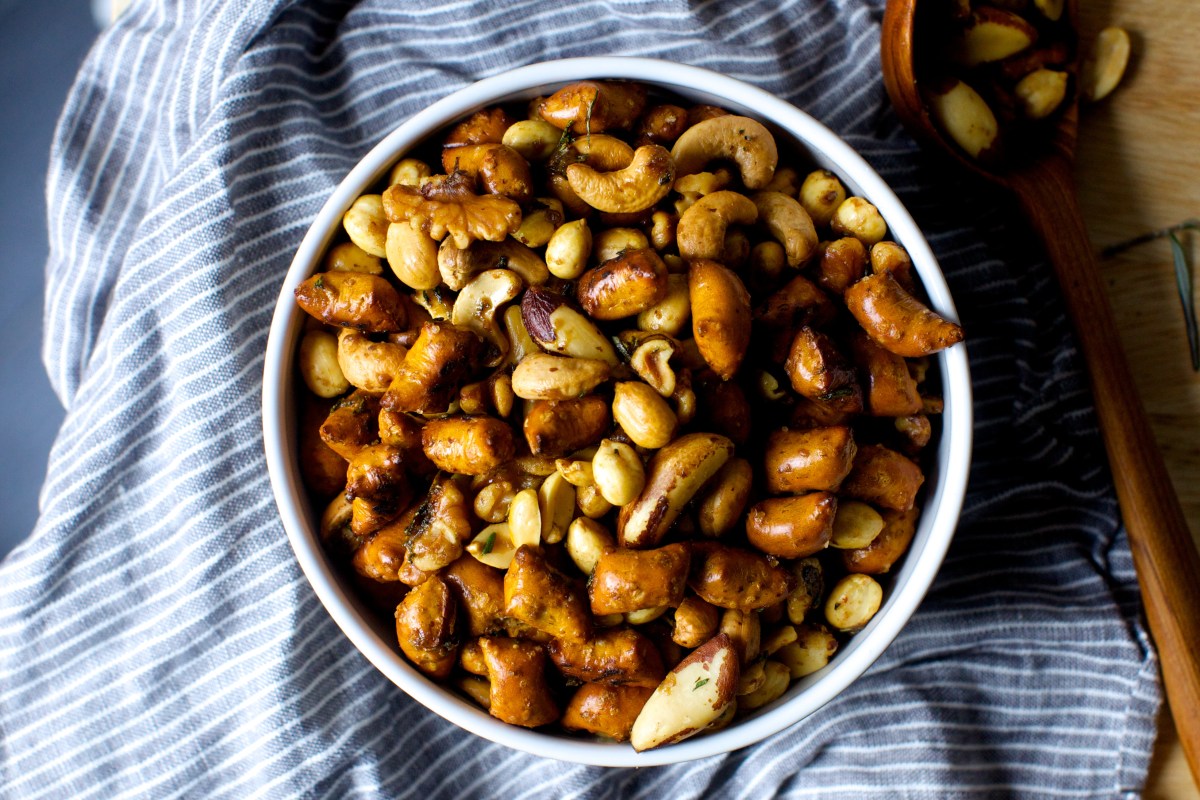
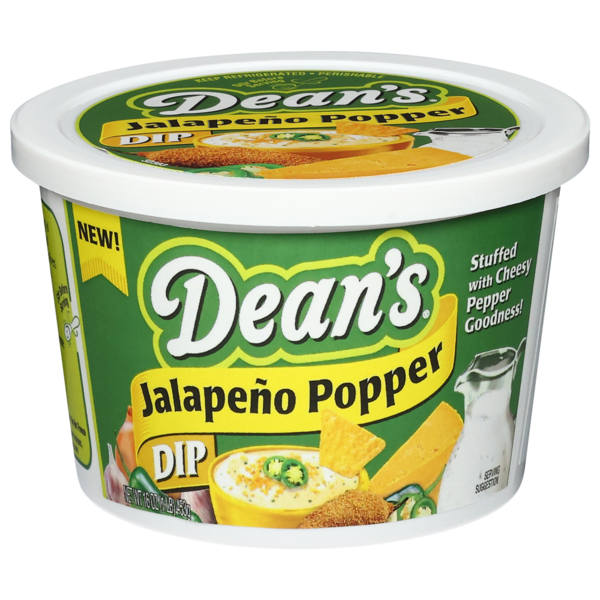
If you want a crunchy side, try a serving of chips and dip for diabetics. The salty crunch pairs nicely with the creamy texture of the shakes and keeps the overall snack low‑carb.
Downloadable Recipe Sheet
If you’d like to print these recipes, click the Download PDF button on the page. Having a diabetic smoothie recipes pdf handy makes grocery trips a breeze.
Customizing Your Shakes
Weight‑Loss vs. Muscle‑Gain
Want to shed pounds? Add an extra tablespoon of ground flaxseed or a half‑cup of frozen cauliflower—both lower the net carb count while keeping the shake filling. Aiming for muscle? Toss in an additional scoop of protein powder or a half‑cup of low‑fat cottage cheese.
Timing & Blood‑Sugar Monitoring
Most people find that a shake as a mid‑morning snack prevents the afternoon crash. Pair it with a quick walk or a few minutes of stretching for an extra glucose‑buffering effect. If you use a continuous glucose monitor (CGM), note the spike (if any) 30‑45 minutes after drinking—this helps you fine‑tune future portions.
Allergy & Dietary Swaps
- Dairy‑free: Use oat, rice, or coconut milk; replace Greek yogurt with soy yogurt.
- Gluten‑free: All ingredients listed are naturally gluten‑free, but double‑check processed powders.
- Keto‑friendly: Cut fruit to a half‑cup, boost fats with MCT oil, and keep net carbs under 5 g per shake.
Helpful Resources
| Resource | What You’ll Find |
|---|---|
| American Diabetes Association | Guidelines on carbohydrate counting and meal planning. |
| 2024 Nutrition Study (NCBI) | Evidence that low‑glycemic smoothies improve HbA1c over 12 weeks. |
Both sources are reputable and can give you confidence that the advice here is backed by science.
Conclusion
Homemade shakes give you fiber, protein, and healthy fats without the hidden sugars of store‑bought drinks. The five recipes above show you can enjoy flavor while keeping blood glucose steady, and the simple tweaks let you align each shake with weight‑loss, muscle‑gain, or allergy needs. Try one today, track how you feel, and let us know which blend becomes your go‑to. Download the free PDF, sign up for our weekly diabetic‑friendly recipe newsletter, and let’s keep blending smarter together.
FAQs
What makes a shake suitable for diabetics?
A diabetic‑friendly shake balances low‑glycemic carbs with protein and healthy fats, which slows glucose absorption and prevents spikes.
Can I use sweeteners instead of fruit?
Yes, natural zero‑calorie sweeteners like stevia or monk fruit can add sweetness without raising blood sugar.
How much protein should each shake contain?
Aim for 15‑20 g of protein per serving to help satiety and moderate the post‑meal glucose rise.
Are frozen fruits OK for blood‑sugar control?
Frozen berries are low‑glycemic and preserve nutrients; just watch portion size to keep net carbs in check.
What’s the best time to drink a homemade diabetic shake?
Mid‑morning or as a post‑workout snack works well—both help stabilize glucose between meals.