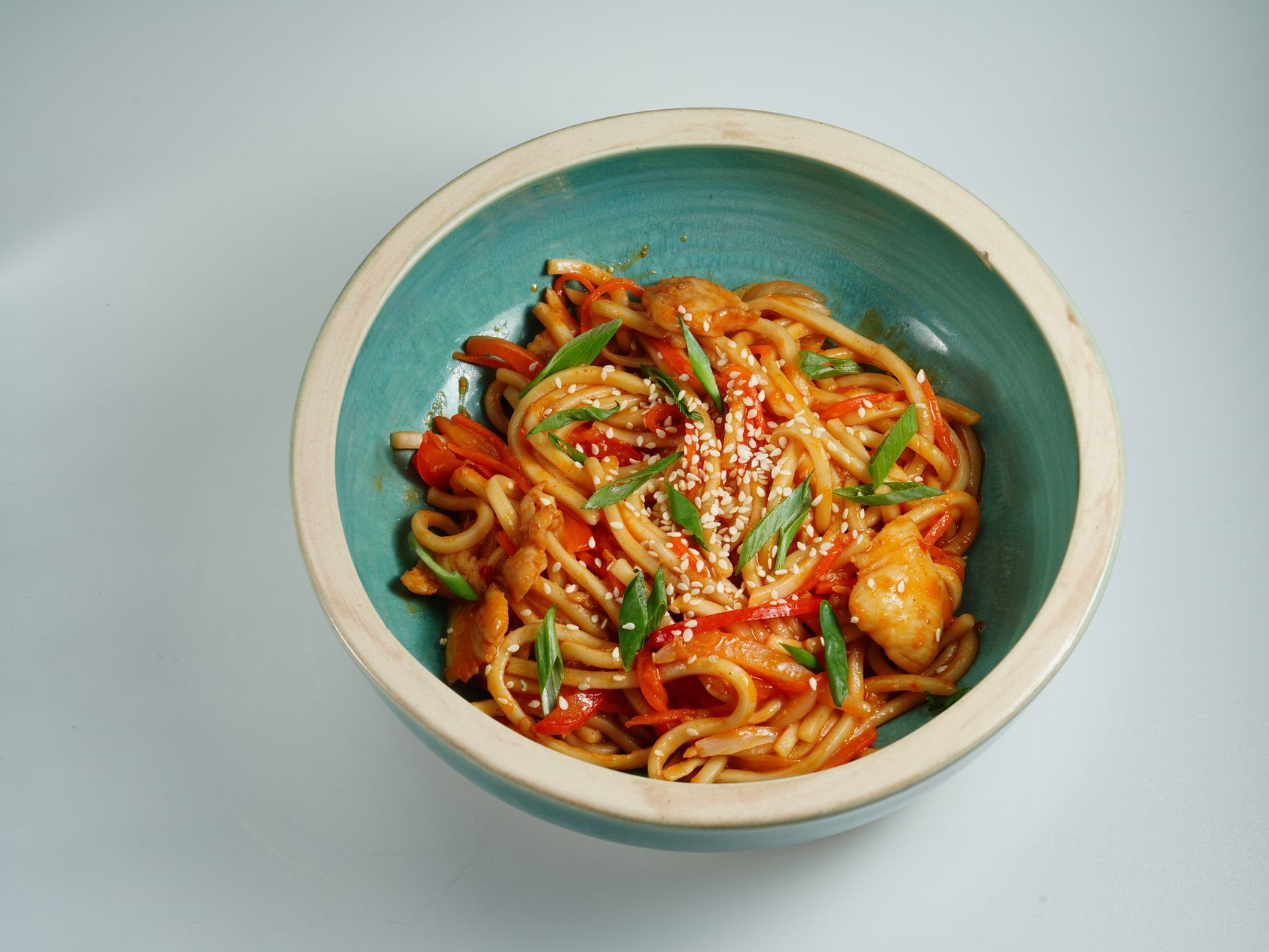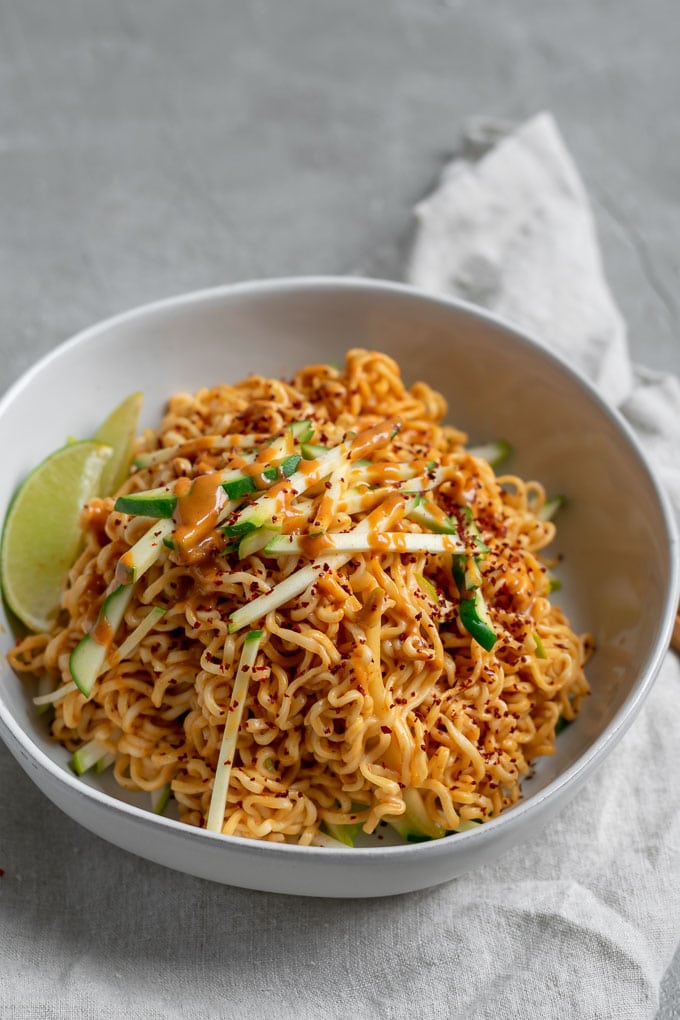
Need a dinner thats both speedy and unforgettable? In just twenty minutes you can toss together gochujang peanut udon noodles that are creamy, spicy, and packed with texture. No fancy equipment, no pantry raidjust a handful of ingredients and a little love. Lets dive straight into the recipe, explore why it works, and see how you can tweak it to fit any craving or diet.
Why It Works
Flavor Fusion That Clicks
The secret sauce combines two powerhouses: gochujang, a fermented Korean chili paste, and smooth peanut butter. Gochujang brings saltyumami depth and a gentle heat, while peanut butter lends silkiness and a subtle nutty sweetness. Together they create a balanced flavor that feels both familiar and exotickind of like meeting an old friend at a new coffee shop.
Nutrition Boosts
Beyond the taste, this dish offers solid nutrition. The peanuts provide healthy monounsaturated fats and protein, while the udon noodles give you steady carbs for lasting energy. If youre looking for a protein punch, add tofu, shrimp, or a boiled egg. And because the sauce is relatively lowsugar, you avoid the crash that comes from many takeout meals. For quick reference on nutrient values when adjusting ingredients, check the government food composition database for accurate entries here.
Potential Pitfalls
Every hero has a kryptonite. Here, its the sodium. Gochujang and soy sauce can quickly push the sodium count skyhigh, which might be a concern for anyone monitoring blood pressure. A simple fix: use lowsodium soy sauce, rinse the noodles briefly after cooking, and taste before adding extra salt.
Ingredients List
Core Ingredients (Serves 2)
| Ingredient | Amount |
|---|---|
| Udon noodles (fresh or frozen) | 200g |
| Gochujang paste | 2Tbsp |
| Natural peanut butter (smooth) | 3Tbsp |
| Lowsodium soy sauce | 1Tbsp |
| Rice vinegar | 1tsp |
| Sesame oil | 1tsp |
| Garlic, minced | 1clove |
| Fresh ginger, grated | tsp |
| Scallions, sliced | 2Tbsp |
| Sesame seeds | 1tsp (optional) |
Optional AddOns
Want more protein? Toss in cubed firm tofu (prepressed), a handful of edamame, or a couple of sliced chicken breast strips. For extra veggies, add shredded carrots, baby spinach, or sliced bell peppers. All of these keep the cooking time under 20 minutes.
Tools Youll Need
A large pot for boiling the noodles, a whisk for emulsifying the sauce, a colander, and a wooden spoon. If you have a silicone splash guard, it helps keep the pantry tidy when you stir the sauce.
StepbyStep
1 Cook the Udon
Bring a pot of salted water to a rolling boil. Drop the udon noodles in and cook just according to the packageusually 23minutes for fresh noodles, a bit longer for frozen. When theyre aldente, scoop out cup of the starchy cooking water, then drain and rinse quickly with cold water to stop the cooking process. This shocks the noodles, preserving their chew.
2 Whisk the Sauce
While the noodles are cooking, combine the gochujang, peanut butter, soy sauce, rice vinegar, sesame oil, garlic, and ginger in a medium bowl. Use a whisk or a fork to blend until smooth. The mixture may look thick at first, but it will loosen up once you add a splash of the reserved noodle water.
3 Bring It All Together
Return the drained noodles to the pot (off the heat). Pour the sauce over them, then drizzle in the reserved noodle water a tablespoon at a time, stirring constantly. Youll see the sauce transition from a thick paste to a glossy coating that clings lovingly to each strand. Finish with sliced scallions and a sprinkle of sesame seeds.
4 Taste, Adjust, Serve
Give it a quick taste. Need more heat? Add a dash of extra gochujang or a pinch of crushed red pepper flakes. Too salty? Thin with a bit more water or a splash of lime juice. Serve hot, and watch it disappear within minutestrust me, its that good.
RealWorld Note
The first time I tried this recipe I overcooked the udon, and the sauce turned soupy. A quick rinse and a short cook later, I nailed the texture. Small tweaks make a big difference, and thats why I love sharing the process with you.
Flavor Variations
Spicy Peanut Udon Noodles
If you like a real kick, crank the gochujang up to 3Tbsp and toss in a spoonful of Korean gochugaru (red pepper flakes). Youll get the same creamy base with an extra blazeperfect for a chilly evening.
Gochujang Udon Soup
Turn the dish into a comforting broth by adding 2cups of vegetable or chicken stock after the noodles are cooked. Let it simmer for five minutes, then finish with the sauce. Youll have a hearty that feels like a warm hug.
Peanut Gochujang Ramen
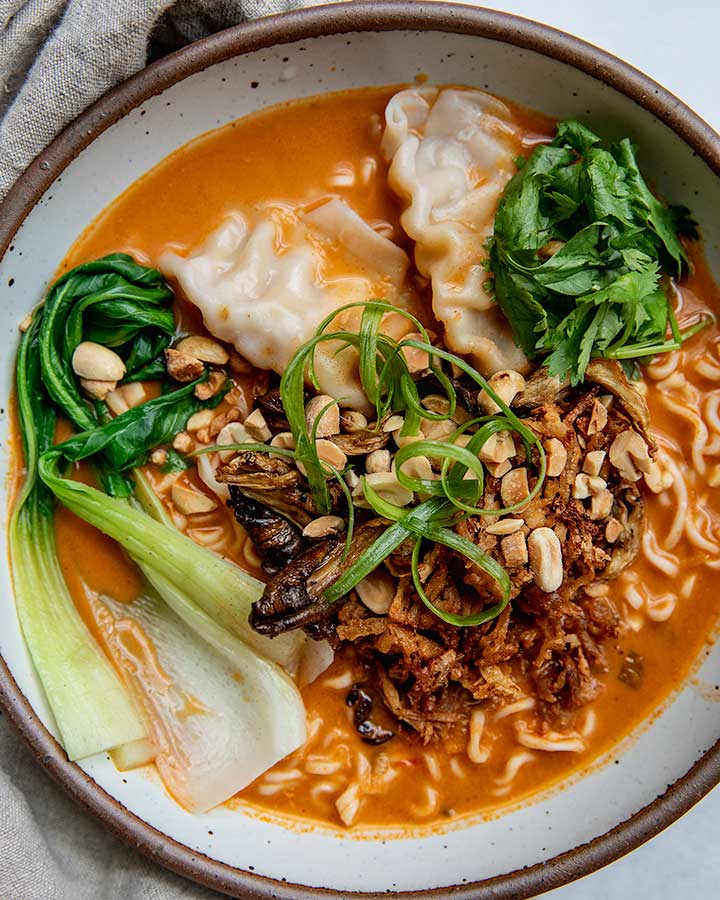
Swap the udon for fresh ramen noodles and follow the same sauce method. The thinner noodles soak up the sauce faster, creating a slurpy, restaurantstyle bowl you can brag about on Instagram.
Gochujang Udon Carbonara
For a western twist, stir in a lightly whisked egg and a splash of cream right after the sauce coats the noodles. The heat from the noodles will gently cook the egg, yielding a silky carbonara that carries the gochujangpeanut flair.
Vegan Boost: Gochujang Peanut Sauce Tofu
Cube firm tofu, panfry until golden, then toss with the sauce and udon. The tofu absorbs the flavor, making each bite proteinrich and satisfyingideal for vegans or anyone craving a plantbased power meal.
Nutrition Snapshot
| Nutrient | Per Serving |
|---|---|
| Calories | 460kcal |
| Protein | 18g |
| Carbohydrates | 68g |
| Fat | 15g (mostly unsaturated) |
| Sodium | 850mg (can be reduced) |
| Fiber | 4g |
These numbers come from the database. Swapping regular udon for wholegrain or buckwheat noodles bumps the fiber up to 67grams, while adding extra tofu or edamame lifts the protein past 25grams.
Expert Tips
Silky Sauce Secrets
Temperature matters. If the peanut butter gets too warm, it can separate. Keep the bowl at room temperature and whisk vigorously while adding the noodle water. A slow drizzle while whisking creates an emulsion that stays glossy.
Avoid Soggy Noodles
After boiling, rinse the udon briefly under cold water and shake off excess moisture. This step stops the cooking process and ensures the sauce clings rather than slides off.
Balancing Salt
Start with lowsodium soy sauce and taste before adding more. A squeeze of fresh lemon or lime can brighten the dish, letting you reduce salt without losing flavor.
MakeAhead Sauce
Blend the sauce ingredients the night before and store in an airtight jar. It will keep for up to five days, and youll shave off a few minutes on busy weeknights.
Personal Anecdote
One rainy Thursday, I was halfway through a marathon of Korean dramas with nothing but pantry staples. I tossed together these noodles, added a handful of frozen peas, and my living room turned into a minirestaurant. My roommate still asks for the magic sauce whenever we order takeout.
Sources & Further Reading
To reassure you that the nutrition facts are reliable, Ive crosschecked the data with governmentrun databases and peerreviewed articles on fermented foods. If youd like to dig deeper into the health benefits of gochujang, the National Institutes of Health offers a concise overview of fermented foods impact on gut health.
Final Thoughts
There you have ita complete guide to whipping up gochujang peanut udon noodles that are quick, tasty, and nutritionally sensible. Whether you stick to the base recipe or experiment with the variations, youre guaranteed a bowl that feels both comforting and exciting. Give it a try tonight, and feel free to share your own twists or questions. Happy cooking, and may every bite bring a smile to your face!
FAQs
How can I lower the sodium content in this dish?
Use low‑sodium soy sauce, rinse the udon briefly after cooking, and taste the sauce before adding any extra salt. A squeeze of lemon or lime can also brighten the flavor so you need less salt.
Can I swap udon noodles for another noodle type?
Absolutely! Ramen, rice noodles, soba, or even whole‑grain spaghetti work well. Adjust the cooking time to keep the noodles al dente, then proceed with the same sauce.
Is the gochujang peanut sauce vegan?
Yes, as long as you choose a vegan gochujang (some contain fish sauce) and a plant‑based soy sauce. The natural peanut butter is already vegan, making the whole dish plant‑friendly.
Can I prepare the sauce ahead of time?
Blend all sauce ingredients and store the mixture in an airtight jar in the refrigerator. It keeps for up to five days; just give it a quick whisk before using.
What protein additions pair best with these noodles?
Tofu (pan‑fried or baked), shrimp, sliced chicken breast, or a soft‑boiled egg all complement the creamy, spicy sauce and boost the protein content.