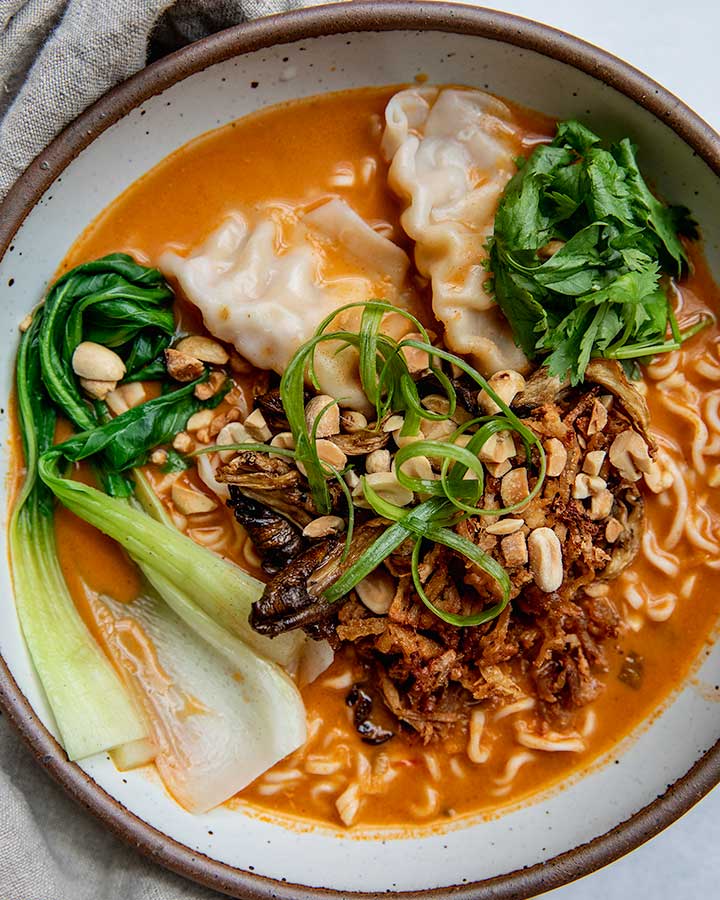
Ever ripped open a pack of spicy chicken noodles instant at 2a.m. and thought, Is this just heat, or is there more to it? Yeah, Ive been there. The first slurp hits you with a burst of chickensavory broth and that lingering kick that makes you grin, and suddenly youre wondering if theres a smarter way to enjoy these little miracle meals.
Below youll get straighttothepoint answers: what sets each brand apart, the real nutrition facts, how to prep a bowl that feels a bit more like a homecooked dish, and a quick cheatsheet of pros and cons. No fluff, just the stuff you need to decide whether spicy chicken noodles instant deserve a spot on your pantry shelf.
What Sets It Apart
Core Ingredients & Flavor
The base of any spicy chicken noodles instant is a blend of wheat flour noodles, a chickenflavored broth powder, and a separate spice pack that usually contains chili powder, dried garlic, and sometimes a splash of chili oil. The spicy factor comes from three main sources:
- Ground chili pepper (often Korean gochugaru or Chinese chili flakes).
- Chili oil or sesameinfused oil packets that add richness.
- Flavor enhancers like MSG or yeast extract for that umami pop.
Popular Brands & Product Lines
When you type spicy chicken noodles instant into Google, a handful of names dominate:
- Maruchan Hot & Spicy Chicken the classic American cup, cheap and readily available.
- Nissin Hot and Spicy Chicken markets itself as MSGfree and slightly lower in sodium.
- Samyang Buldak Chicken the Korean firebreather thats notorious for extreme heat.
- Storebrand options from Walmart and Amazon that often copy the flavor profile but at a lower price.
Each brand tweaks the spice level, broth depth, and ingredient list, which means you can pick a version that matches your tolerance and dietary preferences.
Nutrition Facts Breakdown
Basic Macro Overview
One typical 85gram cup of hot & spicy chicken cup noodles delivers roughly:
- Calories: 380420kcal
- Protein: 911g
- Fat: 1418g (including 56g saturated)
- Carbohydrates: 5054g
- Sodium: 9001,200mg (some brands claim lower sodium but still high)
That sodium hit can be a real concern if youre watching blood pressure, especially when you add extra salty toppings.
Brand Comparison Table
| Brand | Calories | Sodium (mg) | Sugar (g) | Spice Level | Price / Pack (USD) |
|---|---|---|---|---|---|
| Maruchan Hot & Spicy Chicken | 390 | 1,150 | 2 | Medium | 0.50 |
| Nissin Hot & Spicy Chicken | 380 | 950 | 1.5 | MediumLow | 0.75 |
| Samyang Buldak Chicken | 420 | 1,200 | 3 | Extreme | 1.20 |
| Walmart Store Brand | 400 | 1,050 | 2 | Medium | 0.45 |
Health Pros & Cons
Pros: The noodles give you a quick source of carbs and a modest amount of proteinhandy after a workout or a long study night. The chicken broth (even when flavored) provides iron and a comforting comfort food effect that can lift mood.
Cons: The sodium load is comparable to a fastfood meal, and many brands still list MSG or other flavor enhancers. If youre sensitive to spicy foods, the capsaicin can irritate the stomach lining, especially on an empty stomach.
For a balanced view, the American Heart Association recommends keeping daily sodium under 2,300mg, and ideally under 1,500mg if you have hypertension. One cup of these noodles can take up almost half that allowance.
Perfect Preparation Steps
Standard 4Minute Method
Most instructions say: boil 2cups of water, pour it over the noodles, add the seasoning packets, stir, cover, and wait four minutes. A couple of tweaks can make that routine feel less microwavedinner and more minichef:
- Water Ratio: Use 1 cups instead of a full 2cups for a broth thats slightly thicker and less watery.
- Lid Choice: Leave the lid slightly ajar while the noodles sit; this prevents the broth from boiling over.
- Stirring Technique: Give the noodles a quick breakfirst stir before adding the seasoning, then a gentle final stir after four minutes to evenly distribute the spice.
ChefLevel AddIns
Heres where you can turn a humble cup into something that feels a bit more homecooked:
- Protein Boost: Toss in shredded rotisserie chicken, a softboiled egg, or cubed tofu for an extra 610g of protein.
- Veggie Power: Frozen peas, sliced scallions, bok choy, or a spoonful of kimchi adds texture, fiber, and vitamins.
- Flavor Enhancers: A drizzle of toasted sesame oil, a squeeze of lime, or a pinch of crushed garlic powder lifts the broth. Try a spoonful of gochujang for a sweet‑spicy kick (gochujang sauce recipe).
- Heat Tweaker: If you love fire, splash a bit of Sriracha; if you need milder, dilute half the spice packet with lowsodium chicken broth.
One night I was on a graveyard shift, and instead of the plain cup I tossed in a fried egg, a handful of spinach, and a dash of sesame oil. The result? A satisfying bowl that felt almost like a quick stirfry.
Quick Hacks for Special Diets
LowSodium Swap: Use only half the seasoning packet and replace the rest with a cup of lowsodium chicken broth. You keep the flavor while cutting sodium by roughly 40%.
Vegan Version: Skip the chickenflavored powder and use a mushroombased broth mix (many Asian supermarkets carry it). Add a splash of soy sauce for depth.
GlutenFree Alternative: Look for ricenoodle cups labeled glutenfree or make your own base with rice noodles and the same seasoning mix.
When you’re experimenting with sauces, checking out gochujang sauce uses can spark ideas for adding that Korean punch without overwhelming the broth.
Brand Deep Dive
Maruchan Hot & Spicy Chicken
Maruchan is the goto for college students because its cheap and widely stocked. The flavor leans more toward a savory broth with a medium heat. Sodium is on the higher end, but the price point makes it a convenient emergency meal.
Nissin Hot & Spicy Chicken
Nissin markets this version as no added MSG and lower sodium. The broth feels cleaner, and the spice is a touch milder. If youre watching sodium, this is a decent compromise, though the label still shows just under 1,000mg per cup.
Samyang Buldak Chicken
If you love fire, Samyangs buldak (fire chicken) noodles are a legend. Theyre notorious for the spicy challenge videos on YouTube. Expect a heat level that can make your eyes water, plus a richer oilbased broth. Nutritionally, its similar to other brands but with a higher fat content from the chili oil.
Budget Store Brands
Walmart and Amazon often carry value packs that mimic the taste of the big names. Quality varies, but they usually hit the same macro numbers. Reading the ingredient list is keysome may include extra preservatives.
Reading Labels Wisely
When you scan the back of a pack, look for:
- Sodium the lower, the better (under 1,000mg is acceptable for occasional consumption).
- MSG or yeast extract add umami but can be a concern for those with sensitivities.
- Preservatives such as TBHQ or BHT; theyre safe in small amounts but not ideal for frequent meals.
Balancing Flavor & Health
When to Treat vs. Staple
Think of these noodles as a treat rather than a daily staple. A handful of times a week is fine, especially if you pair them with fresh veggies or a protein source to round out the meal. On days youre aiming for lower sodium, consider the lowsodium hack or choose a brand that lists reduced sodium on the packet.
Build Your Own InstantStyle Kit
For the ultimate flexibility, assemble a small instant kit in a reusable container:
- Bulk dried noodles (wheat or rice).
- Separate spice packets: chili powder, garlic powder, a pinch of MSG (optional).
- Small containers of lowsodium broth concentrate.
- Prechopped frozen veggies that can go straight into the hot water.
When hunger strikes, just add boiling water, stir, wait four minutes, and youve got a custom bowl with control over sodium, spice, and addins.
If you’re looking for a different flavor profile to inspire your next upgrade, the sesame ginger chicken cheesecake factory dish showcases how sesame and ginger can lift a chicken base – a cue you can borrow for your noodle broth.
Reader Challenge
Whats your favorite topping? A softboiled egg, a handful of kimchi, or maybe a splash of peanut butter for a Thaiinspired twist? Try one of the hacks above, then tell a friend (or write it down for yourself) so you can replicate the perfect bowl next time.
Conclusion
Spicy chicken noodles instant can be a quick, satisfying, and even slightly comforting choice when you know the nutrition, pick the right brand, and give the bowl a few thoughtful upgrades. Enjoy the heat, respect the sodium, and dont be afraid to get creative with addinsyour pantry will thank you. If youve tried any of the tricks or have a secret topping you swear by, share it with a fellow noodle lover and keep the conversation cooking.
FAQs
What ingredients are typically used in spicy chicken noodles instant?
They usually contain wheat flour noodles, a chicken‑flavored broth powder, a spice mix with chili pepper, garlic, chili oil, and flavor enhancers like MSG or yeast extract.
How many calories and how much sodium does one cup contain?
A standard 85 g cup provides around 380–420 kcal and 900–1,200 mg of sodium, which is roughly half the daily recommended limit for most adults.
Can I make these noodles healthier with simple swaps?
Yes—use half the seasoning packet, add low‑sodium broth, toss in extra veggies, lean protein (chicken, tofu, egg) and drizzle a little sesame oil for flavor without extra sodium.
Which brand offers good flavor with lower sodium?
Nissin Hot & Spicy Chicken markets a lower‑sodium, MSG‑free version that delivers medium heat and a cleaner broth, making it a solid choice for health‑conscious eaters.
How long can I store opened spicy chicken noodles instant?
Once the package is opened, keep the dry noodles in an airtight container and use within 1–2 months; the seasoning powder should be kept dry and used within a few weeks for best flavor.