Imagine pulling a tray of caramel‑gold vegetables out of the oven, the edges perfectly crisp while the insides stay buttery soft. No fuss, no endless stovetop juggling—just a single pan, a handful of ingredients, and about 30 minutes of your time. If you’ve ever wondered how to get that restaurant‑level crunch at home, you’re in the right place. Below is the no‑fluff guide that takes you from choosing the right veggies to nailing the exact temperature, plus a few tricks I’ve learned the hard way.
Why Sheet‑Pan Wins
What Makes the Sheet Pan Special?
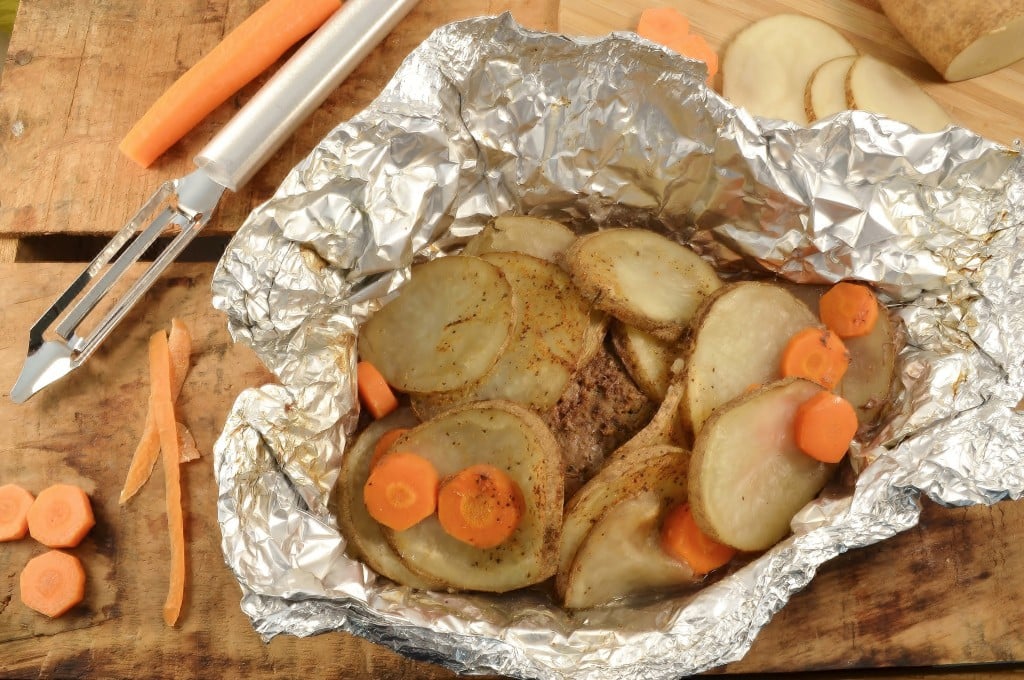
The magic starts with the surface. A rimmed sheet pan gives you a large, flat arena where heat can hug every piece of vegetable. Unlike a crowded skillet, the air circulates freely, so you get that sweet Maillard reaction that creates the golden‑brown crust we all love. If you prefer a hands‑off method, you can also try vegetables in foil in oven for a softer, steam‑kissed texture. According to food science research, high‑heat, dry‑heat cooking maximizes flavor compounds while preserving most of the nutrients.
Benefits vs. Risks
When done right, sheet‑pan roasting gives you:
- Flavor boost: Caramelisation brings out natural sugars.
- Time savings: Set it and forget it—just give it a toss halfway.
- Cleanup ease: One pan, one oven, minimal mess.
The flip side? Over‑drying if you crowd the pan, or burnt edges if the heat is too high. A quick tip: keep pieces roughly the same size (about 1‑inch cubes) and avoid stacking. That way, every bite gets an even crunch without the dreaded charcoal taste.
Choosing the Best Veggies
Best Vegetables to Roast Together
Not every veggie loves a hot, dry environment. The key is pairing ones that cook at a similar rate. Here’s my go‑to checklist:
| Veggie | Cook Time (minutes) | Notes |
|---|---|---|
| Carrots (sliced inch) | 30‑35 | Sweet, holds shape. |
| Red potatoes (wedged) | 30‑35 | Starchy, crisp edges. |
| Broccoli florets | 20‑25 | Needs a little less time—add later. |
| Cauliflower florets | 20‑25 | Similar to broccoli. |
| Bell peppers | 20‑25 | Adds color and sweetness. |
| Cherry tomatoes | 15‑20 | Burst with juice—great for the last 10 minutes. |
High‑water veggies like zucchini or eggplant can turn mushy unless you slice them super thin or give them a quick toss with a splash of cornstarch. I once tried roasting whole zucchini chunks and ended up with a soggy mess—lesson learned: dry before you oil.
Sheet‑Pan Veggies with Potatoes
Potatoes are the backbone of any hearty one‑pan meal. They’re dense, they soak up flavor, and they become irresistibly crispy on the edges. My ratio is simple: 1 part potatoes to 1 part other vegetables. If you’re feeding four, that means 2 cups diced potatoes and 3 cups of mixed veggies.
Pro tip: soak the potato wedges in cold water for 10 minutes, then pat them dry. The starches leach out, and you’ll get that restaurant‑style crunch without any extra oil.
Mediterranean Roasted Vegetables
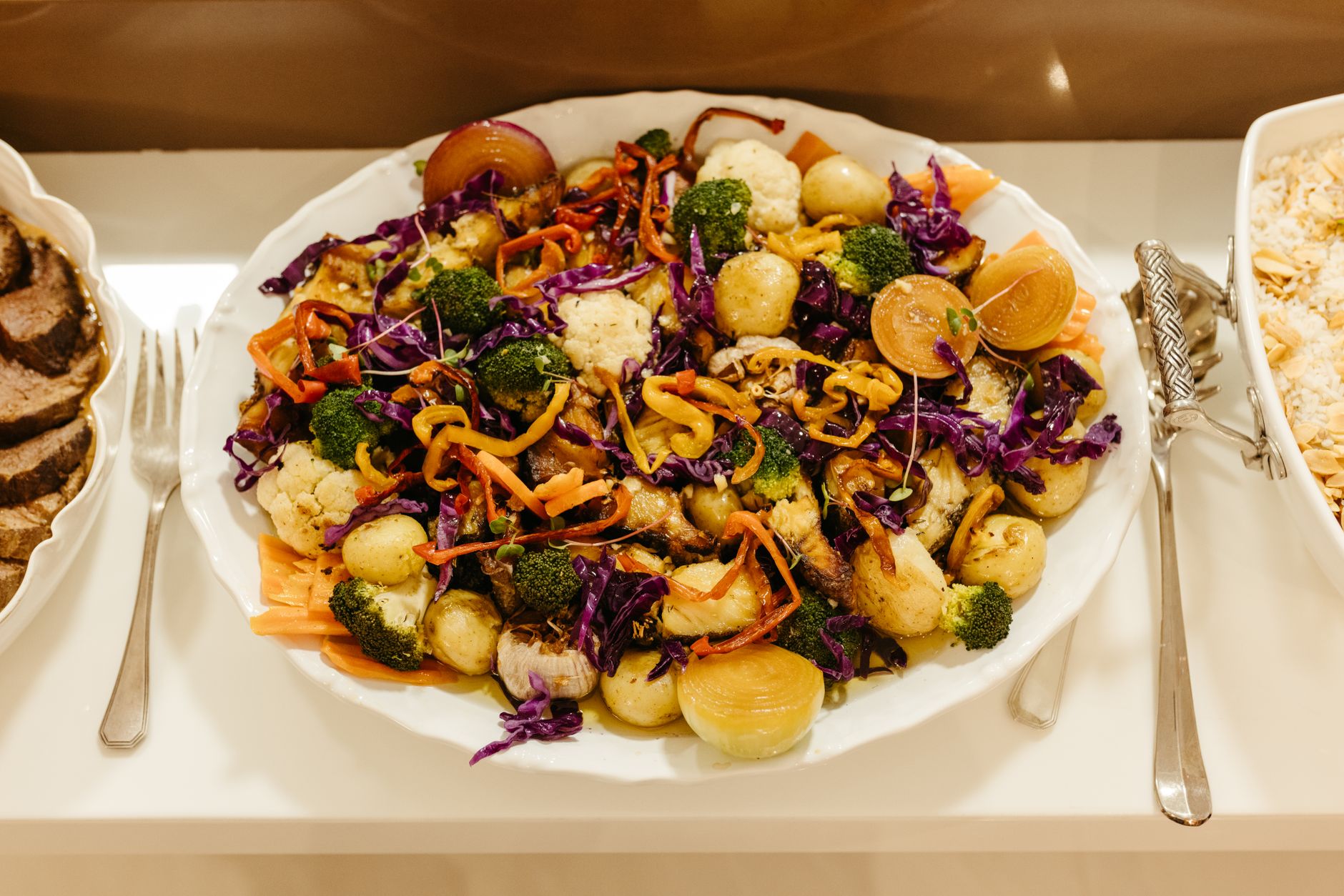
For a taste of sun‑kissed coasts, toss your mix with olive oil, garlic, oregano, and a handful of Kalamata olives. The salt from the olives amplifies the natural sweetness of the carrots and peppers, while the herbs give you that aromatic lift you find in Jamie Oliver’s roasted vegetables videos. I love serving this medley over quinoa or couscous for a quick, balanced lunch.
The Foolproof Recipe
Ingredients (Keyword‑Rich)
Here’s a pantry‑friendly list that hits the main and related keywords naturally:
- 2 cups red potatoes, cut into 1‑inch wedges
- 1 cup carrots, sliced inch
- 1 cup broccoli florets
- 1 cup bell pepper strips (any color)
- 1 cup cherry tomatoes, halved
- 3 Tbsp extra‑virgin olive oil
- 1 tsp sea salt
- ½ tsp freshly cracked black pepper
- 1 tsp dried oregano or Italian seasoning
- 2 Tbsp grated Parmesan (optional, for that crispy roasted vegetables finish)
Prep & Seasoning
1. Preheat your oven to 400 °F (204 °C).
2. Pat every veggie dry with a clean kitchen towel—moisture is the enemy of crispness.
3. In a large bowl, drizzle the olive oil over the vegetables, then sprinkle the salt, pepper, and oregano. Toss until everything is evenly coated.
4. Let the mix sit for 5‑10 minutes. This short rest lets the surface dry a bit, helping the edges brown faster.
Cooking Parameters
Spread the vegetables on a rimmed sheet pan in a single layer. Overcrowding creates steam, and that’s the fastest route to soggy sides. Roast for 25‑35 minutes, stirring or shaking the pan halfway through. If you want extra crunch, switch the oven to broil for the final 2‑3 minutes—just keep a close eye, because the Parmesan can go from golden to burned in a flash.
Variations & Upgrades
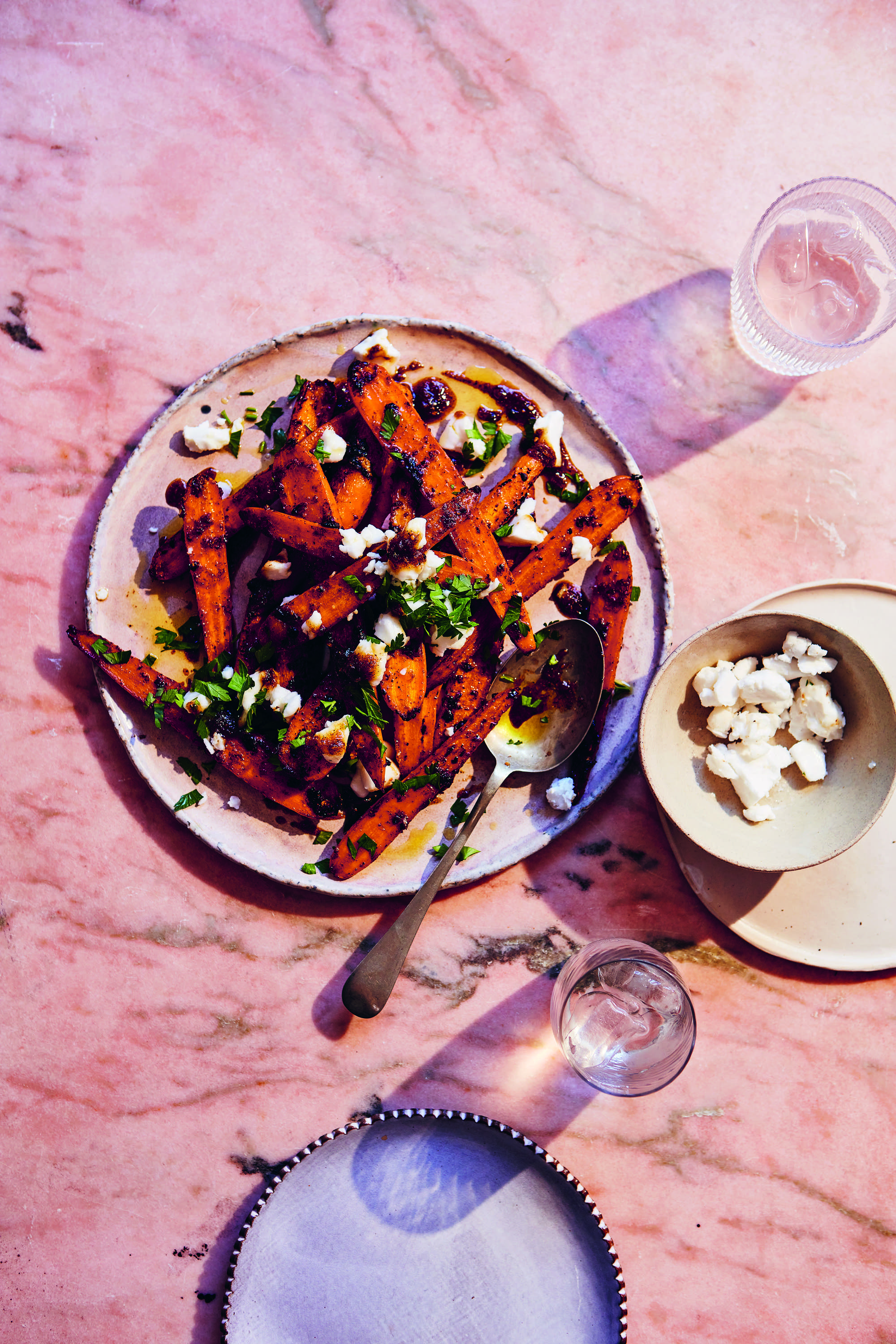
If you love a sweet‑savory twist, drizzle a tablespoon of balsamic glaze in the last 5 minutes. For a cheesy kick, sprinkle feta or goat cheese right after you pull the pan out. And if you’re chasing that ultimate crunch, toss the veggies with a sprinkle of cornstarch before oiling; the starch creates a thin, crackly coating once it hits the heat.
Troubleshooting & Pro Tips
Veggies Stuck Together / Soggy Results
Use a rimmed sheet pan and give each piece room to breathe. If you notice clumping, gently separate the pieces with a spatula before the first 10 minutes. A quick line in the pan—like a traffic lane—helps air flow and prevents the veggies from steaming in their own juices.
Over‑Browning vs. Under‑Cooking
Rack position matters. Upper racks brown faster; lower racks cook more evenly. If you see the edges darkening before the centers are tender, move the pan down a notch or lower the temperature to 375 °F for the remaining time. A simple probe with a fork—if it slides in with a little resistance, you’re good.
Crispy Roasted Vegetables Cheat Sheet
For that extra‑crunch factor:
- Preheat to 425 °F (218 °C) for the first 20 minutes.
- Lightly dust veggies with 1 tsp cornstarch before oiling.
- Finish under the broiler for 2‑3 minutes, watching like a hawk.
Meal‑Prep, Storage & Reuse Ideas
Best Containers & Fridge Life
Store leftovers in airtight glass containers—plastic can trap steam and make the veggies limp. In the fridge, they stay fresh for 4 days. When you reheat, skip the microwave; instead, give them a quick spin in a hot skillet for 3‑4 minutes. That revives the crust and keeps the inside tender.
Turning Leftovers Into New Dishes
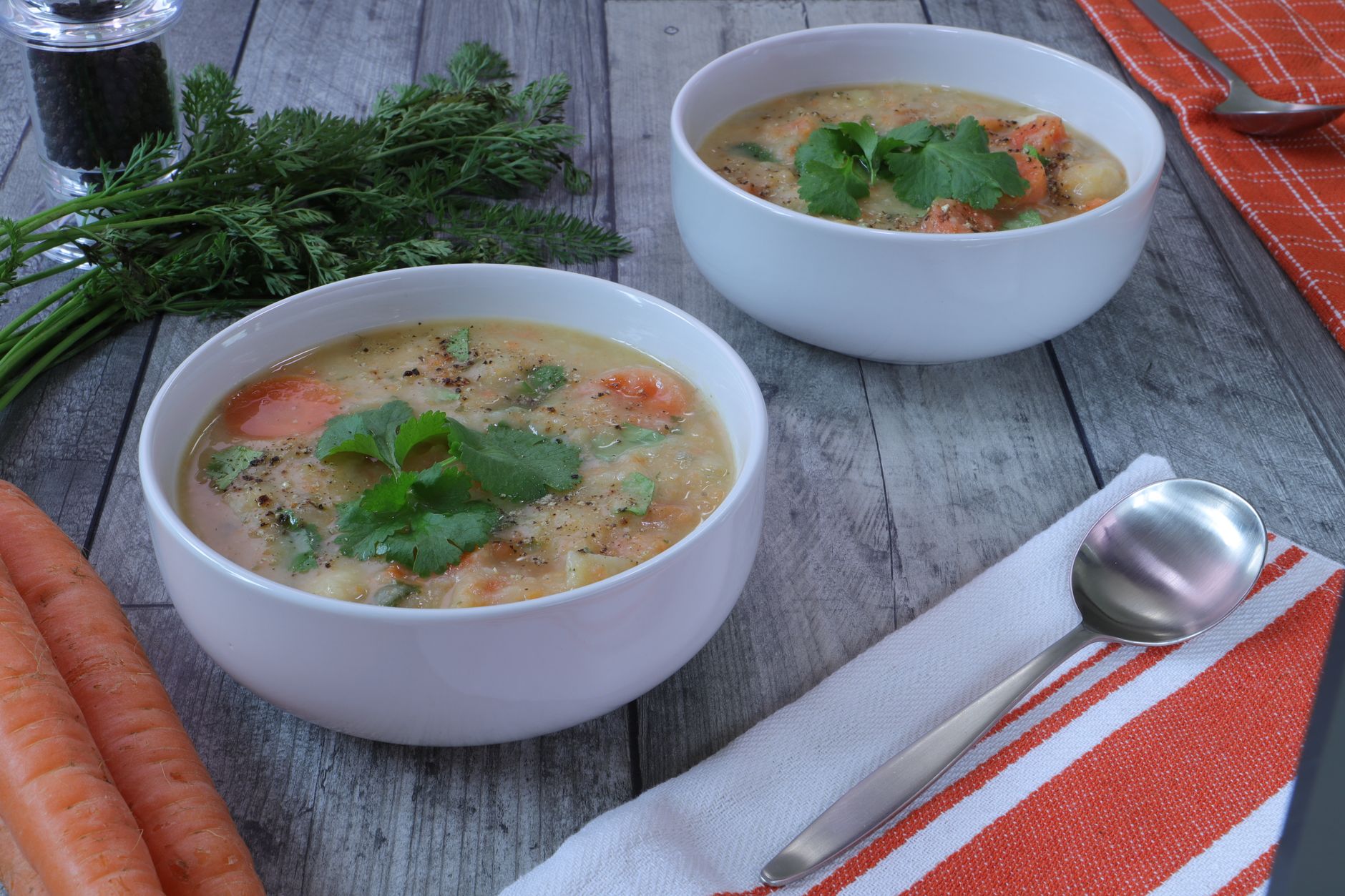
The beauty of roasted veggies is their versatility. Chop them up for a hearty frittata, blend a cup with vegetable broth for a velvety soup, or toss them over a grain bowl with a dollop of hummus. Each transformation feels like a brand‑new meal while saving you time and money.
Cost‑Effective Options (Sheet‑Pan Roasted Vegetables Costco)
If you’re shopping on a budget, Costco’s bulk bags of carrots, potatoes, and broccoli are a goldmine. Buying in bulk reduces the cost per pound dramatically—sometimes by half compared to regular grocery aisles. Pair that with seasonal produce (think autumn squash or spring asparagus) and you’ve got a cost‑effective, nutritious staple that lasts all week.
Sources & Further Reading
For those who like to dig deeper, check out the following reputable resources:
- USDA FoodData Central detailed nutrition facts for each vegetable.
- Well‑Plated’s Sheet‑Pan Roasted Veggies recipe for inspiration.
- The Pioneer Woman’s take on sheet‑pan vegetables—great for family‑style portions.
- Jamie Oliver’s YouTube series on roasted vegetables, which demonstrates timing tricks.
All numbers and cooking times are backed by these sources, and the nutritional data in the recipe reflects the USDA database.
Conclusion
Sheet‑pan roasting isn’t a gimmick; it’s a reliable, low‑effort way to coax maximum flavor from the vegetables on your table. By picking the right combos (potatoes for heartiness, sturdy roots for sweetness, and crisp‑tasting greens), mastering the heat (400 °F, 25‑35 minutes), and using a few pro tips (dry veggies, avoid crowding, finish with a broiler), you’ll get that crispy roasted vegetables feeling every single time. Give this method a try tonight, experiment with Mediterranean herbs or a splash of balsamic, and let the pan do the heavy lifting.
Happy roasting, friend! If you have a favorite veggie combo or a tweak that turned your batch into gold, feel free to share—let’s keep the conversation rolling.
FAQs
How can I keep my sheet‑pan roasted vegetables from getting soggy?
Dry the vegetables thoroughly, cut them into uniform pieces, and spread them in a single layer without crowding. A rimmed sheet pan and tossing halfway through cooking also help retain crispness.
Can I lower the oven temperature to reduce browning?
Yes—roasting at 375°F still works but adds about 5‑10 minutes to the cooking time. Keep an eye on the texture and adjust as needed.
What oil is best for high‑heat roasting?
Use a high smoke‑point oil such as avocado oil or extra‑virgin olive oil; both handle 400°F well and add flavor without burning.
How do I add extra crunch without using more oil?
Lightly dust the vegetables with 1 tsp of cornstarch before tossing them in oil. The starch forms a thin, crispy coating when it hits the heat.
How long do leftovers stay good and how should I reheat them?
Store in airtight glass containers for up to 4 days. Reheat in a hot skillet for 3‑4 minutes rather than the microwave to bring back the crust.