Why Sauteed Lake Perch Recipe Works
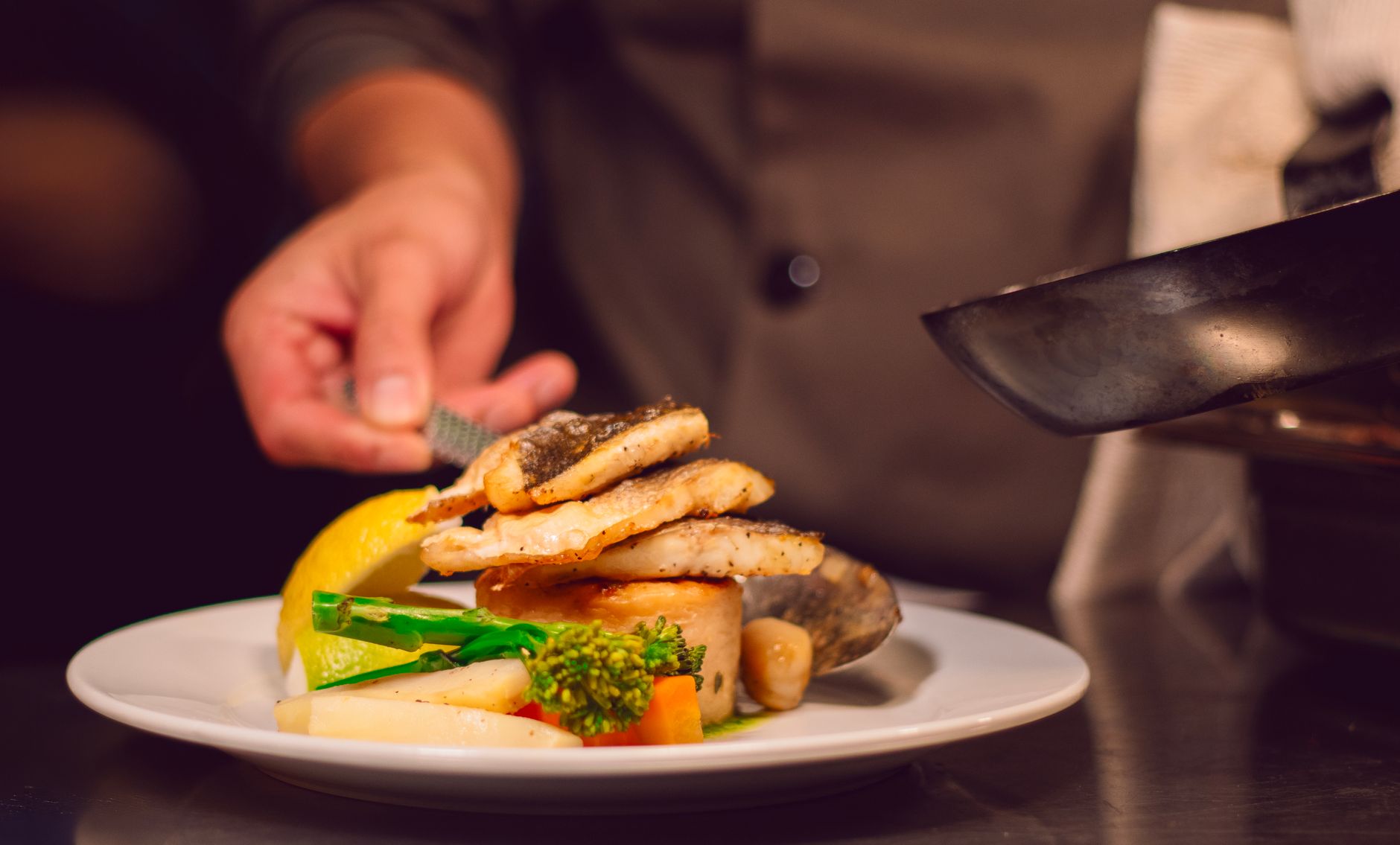
The first sound is a gentle sizzle as the paprika coating hits the hot butter. A few minutes later, the perch is golden outside, tender inside, and ready for the table.
This Sauteed Lake Perch Recipe coats fresh perch fillets in seasoned flour, dips them in a light egg-and-half-and-half wash, and pan-fries them in clarified butter. The fish cooks in about six minutes, making a crisp, flavorful dinner for four without a long marinade or complicated sauce.
Lake perch has a delicate flavor, so the coating should add seasoning without hiding the fish. Paprika brings color and mild warmth, while clarified butter gives the edges a rich, toasted aroma. Serve the fillets immediately with lemon, roasted vegetables, or a simple green salad.
I tested this recipe with both very thin and thicker fillets. Thin pieces browned quickly but needed careful attention, while thicker pieces stayed juicier with a minute or two of extra cooking. The most reliable cue is opaque flesh that flakes easily at the center.

Health Benefits & Nutrition
Lake perch is a lean fish that supplies protein in a relatively light fillet. The flour coating and butter make this recipe more filling and flavorful, but they also contribute most of the carbohydrates and fat.
- Protein for a satisfying meal: A serving provides a substantial amount of protein, which helps make the dish feel complete alongside vegetables or a grain.
- Fish-based nutrition: Perch contributes nutrients commonly found in fish, including vitamin B12 and selenium. Exact amounts vary with the fish and serving size.
- Moderate portion control: Dividing 1 1/2 pounds of fish into four portions gives each person a generous fillet without requiring a large amount of coating.
- Flavor from a small amount of seasoning: Paprika, salt, and browned butter provide plenty of taste, so you can build the plate with fresh vegetables rather than a heavy sauce.
The approximate nutrition is about 620 calories per serving, with roughly 42 grams of protein, 40 grams of carbohydrates, and 35 grams of fat. These numbers depend on the amount of coating and butter that remains in the pan or on the fish.
This recipe contains fish, wheat, egg, and dairy. Use a reliable source for the perch and follow local food-safety guidance for storing and cooking fish. If you have a fish allergy, celiac disease, or a medically restricted diet, choose substitutions with advice from a qualified healthcare professional.
Ingredients & Preparation
Recipe Card
| Prep time | Cook time | Total time | Servings | Calories (approx) | Diet tags |
|---|---|---|---|---|---|
| 15 minutes | 10 minutes | 25 minutes | 4 servings | 620 per serving | Pescatarian |
Full Ingredient List
- 1 1/2 cups all-purpose flour
- 2 tablespoons paprika
- 1/2 teaspoon fine salt
- 1 large egg
- 1 cup half-and-half
- 1/2 cup clarified butter
- 1 1/2 pounds fresh, skinned lake perch fillets
Optional serving additions include lemon wedges, chopped parsley, black pepper, or a spoonful of tartar sauce. They are not included in the nutrition estimate or structured recipe ingredients.
Equipment Needed
- Large, heavy saute pan or cast-iron skillet
- Two shallow bowls for the flour mixture and egg wash
- Fish spatula or thin metal turner
- Paper towels or a wire rack
- Instant-read thermometer, if desired
Tips for Choosing Quality Ingredients
Choose perch fillets with firm, moist flesh and a clean, mild smell. Avoid fish that looks dull, mushy, or strongly fishy. If the fillets are frozen, thaw them overnight in the refrigerator and pat them thoroughly dry before coating.
Fresh paprika gives the coating a brighter color and sweeter aroma. I prefer clarified butter because it tolerates the pan’s heat better than regular butter and leaves fewer browned milk solids behind. If you only have regular butter, combine it with a neutral oil and watch the heat closely.
Check that the flour is dry and free-flowing. Lumpy flour creates thick patches on the fish, and those patches can soften instead of turning crisp. Letting the coated fillets rest briefly before cooking helps the flour adhere.

Step-by-Step Instructions
1. Dry and portion the perch
Pat 1 1/2 pounds of perch fillets dry with paper towels, then cut any unusually large fillets into even portions. Set them on a clean plate for 5 minutes while you prepare the coating. Dry fish browns more evenly and prevents the flour mixture from becoming pasty.
2. Mix the coating and egg wash
In a shallow bowl, stir together 1 1/2 cups flour, 2 tablespoons paprika, and 1/2 teaspoon salt. In a second bowl, whisk 1 large egg with 1 cup half-and-half for 30 seconds, or until no streaks of egg remain. Keep the bowls close to the stove for easy dipping.
3. Heat the clarified butter
Pour 1/2 cup clarified butter into a large saute pan and heat over medium-high heat for 2 to 3 minutes. The butter should shimmer, but it should not smoke. Test the pan with a pinch of flour; it should sizzle immediately and turn pale golden within about 10 seconds.
4. Coat the fish
Dip each perch fillet into the egg wash, letting the excess drip off for 2 seconds. Press it into the seasoned flour, turning once to cover both sides. Shake off loose flour and place the coated fish on a plate. Rest the pieces for 2 minutes before frying.
5. Saute until golden and flaky
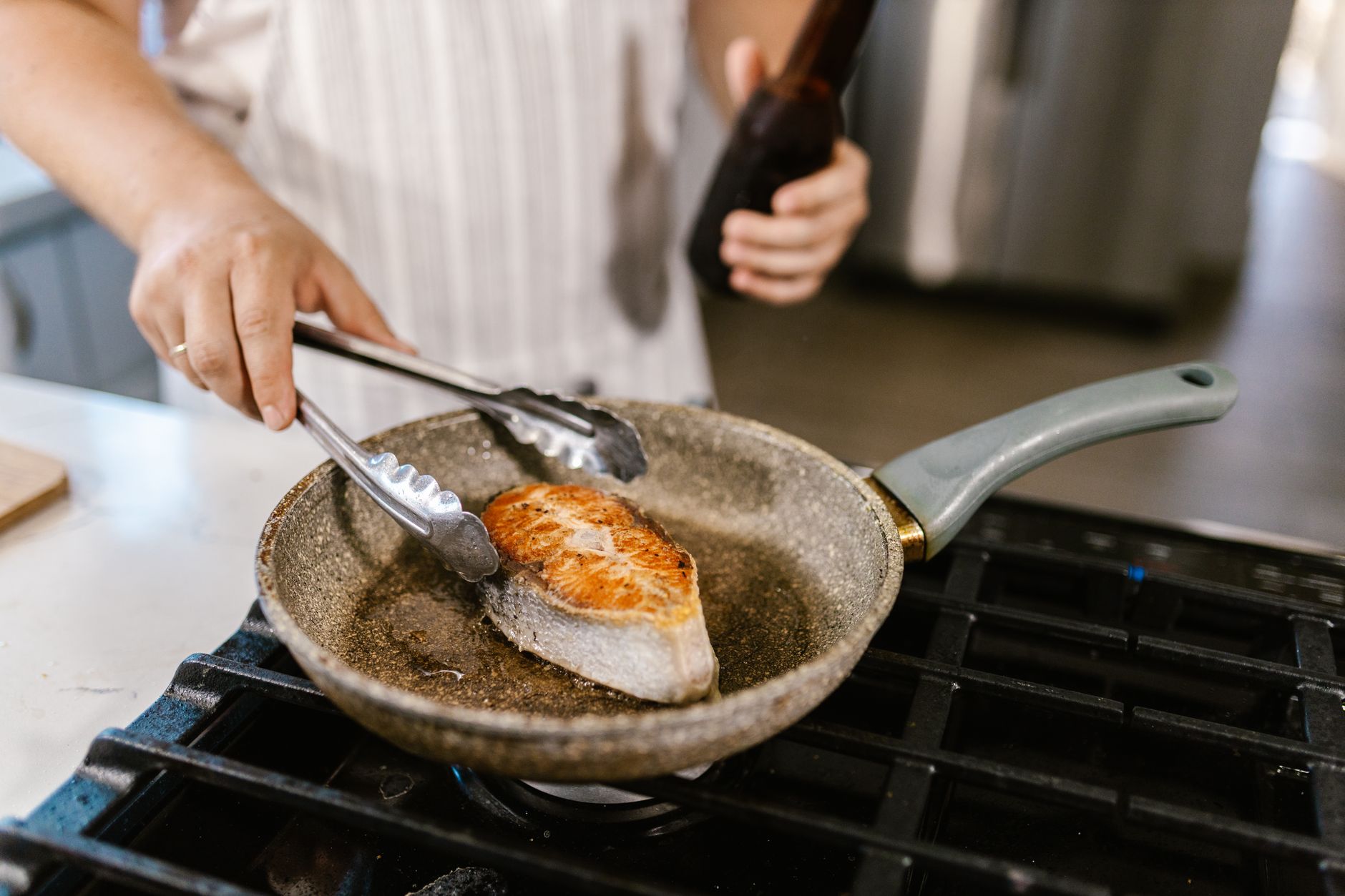
Place the fillets in the hot butter without crowding the pan. Cook at medium-high heat for 2 to 3 minutes per side, turning once with a fish spatula. The coating should be golden brown and audibly crisp at the edges; the flesh should be opaque and flake easily when tested with a fork.
Transfer the cooked fish to a wire rack or a paper towel-lined plate. Serve within a few minutes. The first time I made this, I placed the fish directly on a flat plate and lost some crispness underneath. A rack keeps hot butter from pooling around the coating.
If your fillets are thick, lower the heat to medium after turning and cook for another 1 to 2 minutes. Fish is generally considered safely cooked when the center reaches 145°F, measured at the thickest part.
Variations & Substitutions
Use cornmeal for extra crunch: Replace 1/2 cup of the flour with fine yellow cornmeal. Keep the remaining 1 cup flour, paprika, and salt unchanged. The cornmeal creates a more textured crust, but very coarse meal can make delicate perch feel gritty.
Make it gluten-free: Replace all 1 1/2 cups of all-purpose flour with a certified gluten-free all-purpose baking blend. Choose a blend intended for cooking or frying, not one that contains a strong sweetener. Coat and fry using the same method.
Add gentle heat: Stir 1/2 teaspoon cayenne pepper or 1 teaspoon chili powder into the flour mixture. Start with the smaller amount because perch has a mild flavor that can be overwhelmed by strong spice.
Use another mild white fish: Cod, haddock, bluegill, or crappie can replace the perch at a 1:1 weight ratio. Adjust the cooking time for thickness. Very thin fillets may need only 1 1/2 to 2 minutes per side.
Replace half-and-half: Use 1/2 cup whole milk plus 1/2 cup heavy cream. For a lighter wash, use 1 cup whole milk, though the coating may be slightly less rich and brown a little differently.
Cook with oil instead of clarified butter: Use 1/2 cup canola, avocado, or grapeseed oil. The flavor will be less buttery, but the crust will still brown well. Do not use extra-virgin olive oil over high heat for this particular method.
Storage & Shelf Life
Cool leftover fish within 2 hours and store it in a shallow airtight container in the refrigerator for up to 3 days. Place parchment between stacked fillets if needed. The coating will soften as it chills, but reheating can restore some crispness.
To reheat, place the perch on a wire rack over a baking sheet and warm it at 400°F for 8 to 12 minutes. An air fryer set to 375°F usually takes 4 to 6 minutes. Avoid microwaving unless texture is not a concern, since the coating becomes soft.
For freezing, cool the fillets completely, wrap each one in parchment, and place them in a freezer bag with as much air removed as possible. Freeze for up to 2 months. Reheat from frozen in a 400°F oven for about 15 to 20 minutes, checking the center before serving.
Discard the fish if it develops a sour or ammonia-like odor, sticky or slimy surfaces, unusual discoloration, or visible mold. When in doubt, do not taste it to check safety.
Pro Tips for a Crisp Coating
Patting the fish dry is the most useful step. Excess moisture turns the flour into a paste before the crust has a chance to brown. If the fillets look damp after coating, dust them lightly with the flour mixture again and shake off the excess.
Leave space between the pieces in the pan. Crowding traps steam and lowers the butter temperature, producing a pale, soft coating. If your pan is smaller than 12 inches, cook in two batches and add a little more butter if the surface looks dry.
Do not flip the fish repeatedly. One turn keeps the coating intact and gives both sides time to form a firm crust. I found that trying to move the fillets during the first minute often pulled the flour away from the fish.
Use a thin fish spatula rather than tongs. The flexible edge slides beneath the crust without scraping it off. If a fillet sticks, give it another 20 to 30 seconds; a properly browned crust usually releases once it has formed.
For balanced flavor, finish with lemon only after cooking. Lemon juice added to the egg wash can thin the coating, while lemon added to the pan can cause extra splattering. A small squeeze over the plated fish keeps the crust lively without making it soggy.
For a side dish with a different texture and flavor profile, serve the fish with noodles and vegetables from this Japchae recipe vegetarian. Keep the perch lightly seasoned so it does not compete with the savory noodles.
Questions & Answers
When is the best time to eat Sauteed Lake Perch Recipe?
The best time to eat Sauteed Lake Perch Recipe is immediately after cooking. The crust is crispest within the first few minutes, while the inside remains moist and tender. You can prepare the coating and egg wash ahead, but wait to fry the fish until everyone is ready to eat.
Can I use frozen lake perch fillets?
Yes, you can use frozen lake perch after thawing it completely in the refrigerator. Pat the thawed fillets very dry before dipping them. Frozen fish often releases extra moisture, so skipping this step can create a gummy coating and cause the butter to splatter.
How do I know when perch is cooked?
Perch is cooked when the center is opaque, the flesh flakes easily, and the coating is golden brown. For a temperature check, insert an instant-read thermometer into the thickest portion; 145°F is a useful food-safety target. Thin fillets can finish quickly, so begin checking after two minutes per side.
Why did my breading fall off the fish?
The breading usually falls off because the fillets were wet, the coating was too thick, or the fish was moved too soon. Pat the fish dry, shake off excess flour, rest the coated pieces for two minutes, and let the first side cook undisturbed until it releases easily.
Can I make this recipe without clarified butter?
Yes, you can replace the clarified butter with canola, avocado, or grapeseed oil. Use the same 1/2-cup amount, or enough to cover the pan generously. Regular butter alone can brown quickly, so combine it with oil or use medium heat to reduce the chance of burnt milk solids.
What should I serve with sauteed perch?
Serve sauteed perch with lemon wedges, roasted potatoes, steamed green beans, coleslaw, or a crisp salad. A mild side lets the fish remain the focus. For a noodle-based meal, you could also pair it with an Easy japchae recipe and add a simple cucumber salad.
Can I prepare the fish ahead of time?
You can prepare the flour mixture and egg wash several hours ahead, but coat the fish shortly before frying. If coated fish sits too long, the flour absorbs moisture and loses its crisp texture. Cooked leftovers keep for up to 3 days in the refrigerator and reheat best in an oven or air fryer.
More Recipes You Will Love
If you enjoy crisp, quickly cooked fish, try serving this perch with roasted vegetables and a tangy cabbage slaw. The fresh crunch balances the buttery coating without adding much work to dinner.
For a change of pace, build a meal around the Japchae recipe vegetarian. Its vegetables and noodles make a colorful side for mild fish.
When you want a fuller noodle dinner, the Easy japchae recipe is another flexible option. Prepare it first, then saute the perch just before serving so the coating stays crisp.
Conclusion
This Sauteed Lake Perch Recipe turns mild fish into a golden, crisp skillet dinner with simple pantry ingredients. Dry fillets thoroughly, keep the butter hot but not smoking, and avoid crowding the pan. Those small details make the coating stay attached and help the perch cook evenly. Serve it right away with lemon and your favorite vegetables. If you make it, leave a rating or comment and share what sides you paired with the fish.
FAQs
When is the best time to eat Sauteed Lake Perch Recipe?
Sauteed lake perch is best eaten right after cooking, while the coating is crisp and the fillets are hot. The edges lose crunch as they sit, so serve them immediately with lemon, roasted vegetables, or a green salad. Leftovers can be refrigerated and reheated gently in a skillet to restore some of their crispness.
Can I use frozen lake perch for this recipe?
Yes, you can use frozen perch, but thaw it fully in the refrigerator before cooking. Pat each fillet very dry with paper towels so the flour coating sticks and browns instead of steaming. Excess moisture is the most common reason coated fish turns soggy in the pan.
Can I substitute regular butter for clarified butter?
Yes, you can substitute regular butter, but watch the heat closely. Regular butter contains milk solids that can burn at the high temperatures needed for a crisp coating. Lower the heat slightly or mix the butter with a spoonful of neutral oil so it browns without scorching.
Why does the coating fall off perch when I pan-fry it?
The coating usually falls off when the fish is wet, the pan is not hot enough, or the fillet is moved too early. Pat the fish dry, dredge and dip it just before cooking, and let each side set until it releases easily. Use a thin fish spatula to lift the fillets gently.
How do I know when lake perch is fully cooked?
Perch is done when the flesh turns opaque and flakes easily with a fork at the thickest part. Thin fillets often finish in a few minutes, while thicker pieces may need an extra minute or two. For added assurance, food-safety guidance commonly lists 145°F (63°C) as a safe internal temperature for fish.