Quick answer: yes, most fish are safe and even beneficial for people with diabetes when you enjoy them in sensible portions. Think of fish as a versatile, protein‑rich sidekick that can help keep blood‑sugar swings in check—especially when you bake, grill, or steam it instead of dunking it in batter.
Bottom line: aim for about 2‑3 servings a week (roughly 100‑150 g per serving). Choose fresh or frozen varieties, avoid heavy sauces, and you’ll be adding heart‑healthy omega‑3s without the extra carbs that can destabilize glucose levels.
Why fish matters
Omega‑3s and blood‑sugar regulation
Omega‑3 fatty acids (EPA and DHA) found in fatty fish like salmon and sardines have a quiet but powerful effect on insulin sensitivity. When your cells respond better to insulin, the sugar in your bloodstream doesn’t linger as long, which translates to steadier readings throughout the day.
According to American Diabetes Association nutrition guidance, incorporating omega‑3‑rich fish two to three times a week can modestly improve glycemic control and lower triglycerides, a common concern for anyone managing diabetes.
Protein and satiety—keeping cravings at bay
Protein is the unsung hero in a diabetes‑friendly plate. It slows gastric emptying, meaning glucose from other carbs hits your bloodstream more gradually. A 100‑gram portion of grilled cod gives you around 20 g of protein with very few calories—perfect for staying full without over‑fueling.
Cardiovascular benefits for diabetics
People with diabetes face a higher risk of heart disease. The same omega‑3s that help insulin also lower blood pressure and reduce inflammation. Think of fish as a double‑duty player: better glucose management and a stronger heart.
How often is every day realistic?
Recommended serving size & frequency
The ADA recommends 2‑3 servings of fish per week. If you love fish enough to want it daily, consider splitting the weekly allowance into smaller portions—say, 80 g each day. That still gives you the nutritional boost without overloading on calories or potential contaminants.
Risks of overconsumption
Eating too much of certain fish can expose you to mercury and other heavy metals, especially with larger predatory species like king mackerel or shark. Also, the more you fry, the more hidden carbs and unhealthy fats creep in. A battered fish fillet can easily add 30‑40 g of carbs—a surprising spike for anyone watching their glucose.
Personalizing the plan—a tiny case study
Jane, a 58‑year‑old with type‑2 diabetes, decided to log her meals for six months. She ate salmon three times a week and swapped her usual fried fish for baked cod on other days. Her HbA1c dropped from 7.8 % to 7.2 %, and she reported feeling less “hangry” after lunch. Small, consistent changes really do add up.
Best fish choices
Fatty, omega‑3‑rich options
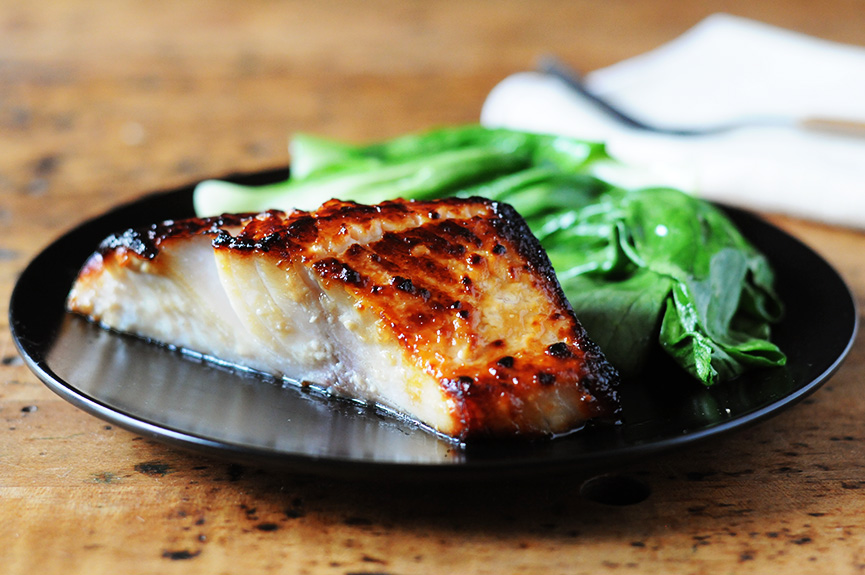
Salmon, sardines, mackerel, and trout top the list. They’re packed with EPA/DHA, support heart health, and taste great whether you skinnylicious grilled salmon cheesecake factory with a squeeze of lemon or toss them into a quick stir‑fry.
Lean white fish
Cod, haddock, and tilapia are low‑fat, low‑calorie choices that work well in soups, stews, or simply baked with herbs. They’re ideal when you want protein without the extra fat.
Seafood to limit or avoid
Shellfish such as shrimp and crab are not off‑limits, but they do contain higher cholesterol levels. The bigger red flag is any breaded or deep‑fried fish—think fish‑and‑chips. The batter adds refined carbs, and the oil can be a hidden source of saturated fat.
Quick comparison table
| Type | EPA/DHA (mg/100g) | Calories | Ideal cooking method | Notes |
|---|---|---|---|---|
| Salmon | 1,800 | 206 | Bake/Grill | Highest omega‑3 |
| Sardines | 1,200 | 208 | Pansear (no batter) | Budget‑friendly |
| Cod | 200 | 82 | Steam/Bake | Very lean |
| Shrimp | 300 | 99 | Boil/Steam | Watch cholesterol |
| Fried fish | 150‑300 | 300‑400+ | Extra carbs from batter—avoid |
Cooking methods that keep fish diabetes‑friendly
Baking, grilling, steaming—the gold standard
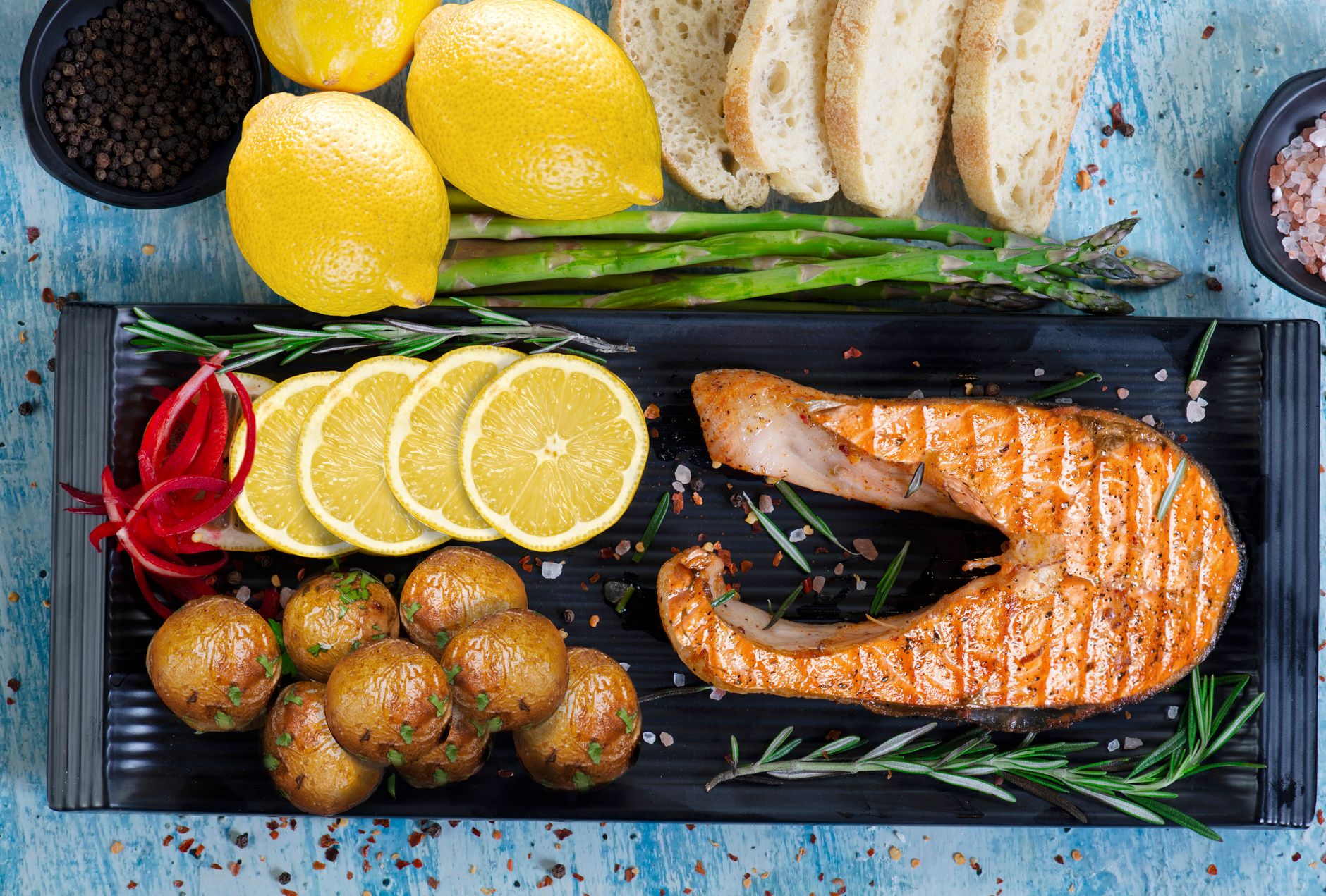
These methods preserve the delicate omega‑3s while adding almost no extra calories. A simple herb‑lemon recipe: brush the fillet with olive oil, sprinkle rosemary, salt, pepper, and a slice of lemon, then bake at 375 °F for 12‑15 minutes—delivers flavor without the glucose hit.
Pansearing with minimal oil
If you love a crisp edge, use a non‑stick pan and a spritz of cooking spray. A quick 2‑minute sear on each side locks in moisture, and you can finish with a splash of white wine or a dash of low‑sodium soy sauce.
When (and why) to skip fried fish
The batter is essentially a carb blanket. When you bite into it, your body digests those starches fast, causing a rapid rise in blood sugar. Swap the fry for a light crumb of almond flour or a sprinkle of seasoned breadcrumbs baked at high heat—that way you keep the crunch without the glucose roller coaster.
Balancing the plate
Portion guide—the rule
Picture your plate split in thirds: half non‑starchy vegetables, a quarter lean protein (your fish), and a quarter whole grains or starchy veg. This visual cue keeps carbs in check while delivering fiber, protein, and healthy fats—all essential for steady glucose.
Pairing fish with low‑glycemic sides
Swap white rice for quinoa, cauliflower rice, or a medley of roasted Brussels sprouts and sweet potatoes (in moderation). A drizzle of avocado oil or a few slices of avocado add creamy texture without spiking sugar.
Expert insights & trustworthy sources
What the ADA and research say
Both the American Diabetes Association and several peer‑reviewed studies support regular fish consumption as part of a balanced diabetes diet. A 2015 meta‑analysis in the Journal of Nutrition found that participants who ate fish at least twice weekly had a modest but statistically significant reduction in HbA1c.
Conflicting evidence—and why it matters
One large cohort study noted no direct link between fish intake and lower diabetes risk. The researchers pointed out that lifestyle factors—like overall diet quality and physical activity—often confound results. Bottom line: fish is a piece of the puzzle, not a miracle cure.
How a registered dietitian would tailor your fish plan
A dietitian would assess your current glucose trends, medication regimen, and personal preferences. They might suggest:
- Start with one salmon meal per week, monitor blood glucose 2 hours post‑meal.
- Rotate with lean white fish on alternate days.
- Avoid any fish dish that includes sugary sauces or heavy cream.
- Pair each fish serving with at least two different colors of vegetables.
These personalized tweaks turn generic advice into a realistic, sustainable routine.
Putting it all together
So, can diabetics eat fish every day? The answer is a nuanced yes—if you watch portions, choose the right species, and prepare them in a health‑forward way. Fish supplies high‑quality protein, omega‑3 fatty acids that smooth insulin response, and heart‑protective nutrients that matter especially for those with diabetes.
Remember, balance is the secret sauce. Mix fatty fish with lean options, keep your cooking methods simple, and always pair with plenty of vegetables and a modest amount of whole grains. Your body will thank you with steadier glucose numbers, better cholesterol levels, and maybe even a few extra smiles at the dinner table.
Take action today: Pick a new fish recipe you’ve never tried—perhaps skinnylicious grilled branzino cheesecake factory—log your blood‑sugar response for a week, and talk to your healthcare team about creating a personalized fish‑frequency plan. Small, tasty changes can lead to big health wins.
FAQs
How many servings of fish are safe for diabetics each week?
The American Diabetes Association recommends about 2‑3 servings (roughly 100‑150 g each) per week, which adds up to roughly 23 servings a week if split into smaller daily portions.
Which fish provide the most omega‑3 for blood‑sugar control?
Fatty fish such as salmon, sardines, mackerel, and trout are richest in EPA and DHA, the omega‑3s known to improve insulin sensitivity.
Can fried fish be part of a diabetic diet?
Fried fish adds extra carbs and unhealthy fats, which can spike glucose. Choose baked, grilled, or steamed preparations instead.
Is there a concern about mercury for daily fish eaters?
Limit high‑mercury species like king mackerel, shark, or tilefish. Opt for smaller fish such as sardines, salmon, or cod to keep exposure low.
How should I pair fish with carbs to keep glucose stable?
Combine fish with low‑glycemic sides like non‑starchy vegetables, quinoa, cauliflower rice, or a small portion of whole grains to balance the meal.