Why Sand Dabs Recipe
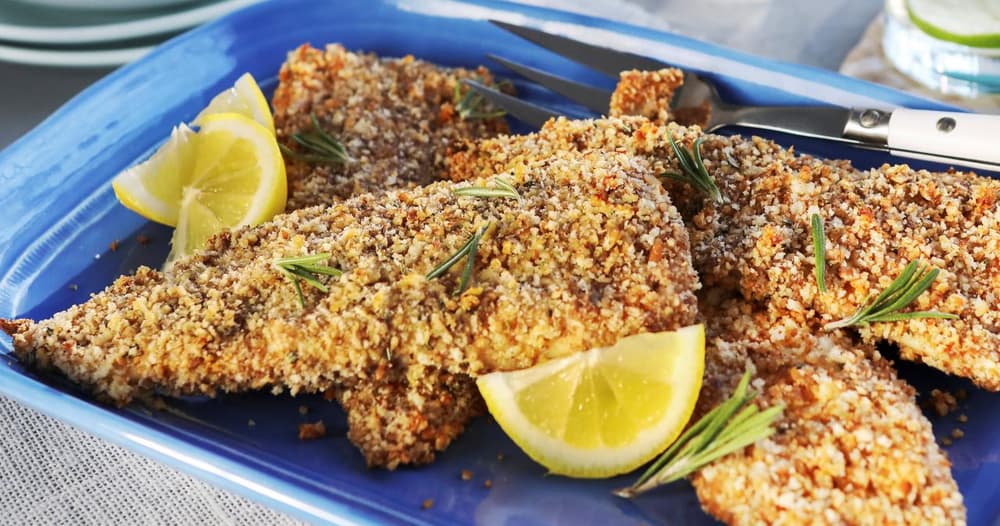
When sand dabs hit a hot skillet, their delicate flesh crisps to a golden perfection, releasing a mild, buttery aroma that’s simply irresistible. This light flatfish, often confused with flounder, boasts tender fillets that soak up seasoning beautifully. A classic sand dabs recipe brings out its natural sweetness and flaky texture, making it an easy yet elegant seafood dish. Whether you’re cooking for a family dinner or a special occasion, this dish offers a perfectly crispy exterior and juicy interior every time you prepare it.
Health Benefits & Nutrition
Sand dabs not only taste amazing but also provide several health benefits. First, they are a lean source of protein, essential for muscle repair and growth. According to a study published in the Journal of Nutritional Science, seafood like sand dabs can promote heart health due to their omega-3 fatty acids, which help reduce inflammation. They are also low in calories and saturated fat, making them an excellent choice for weight-conscious diets. Lastly, sand dabs supply important micronutrients such as vitamin B12 and selenium, vital for maintaining a healthy nervous system and immune function. Be mindful if you have seafood allergies or are pregnant; consult with a healthcare provider as certain fish can contain trace mercury.
Ingredients & Preparation
Recipe Card
| Prep Time | Total Time | Servings | Calories | Diet Tags |
|---|---|---|---|---|
| 15 minutes | 30 minutes | 4 | 280 per serving | Gluten-free option, Low-carb, Pescatarian |
Full Ingredient List
- 20 to 25 sand dab fillets, skin removed if preferred
- 4 cups cracker meal (seasoned with 1 tsp salt, ½ tsp black pepper, 1 tsp garlic powder)
- 4 to 6 tablespoons cooking oil (canola, vegetable, or avocado oil preferred)
- Chopped fresh parsley, for garnish
- Lemon wedges, for serving
Equipment Needed
- Large shallow frying pan or skillet
- Spatula suitable for flipping delicate fish
- Mixing bowl for seasoning cracker meal
- Serving platter, preferably warmed
- Measuring spoons and cups
Tips for Choosing Quality Ingredients
Select sand dab fillets that look moist and translucent, avoiding any with discoloration or a fishy smell. Fresh fish should be firm to the touch and have a clean, briny scent. For cracker meal, choose plain or lightly seasoned varieties without added sugars. Opt for high-smoke point oils like avocado for frying to ensure the fillets cook crisply without burning. Fresh parsley and juicy lemons will brighten the final presentation and flavor of your dish.
Step-by-Step Instructions
Step 1: Prepare Your Fillets and Coating (15 minutes)
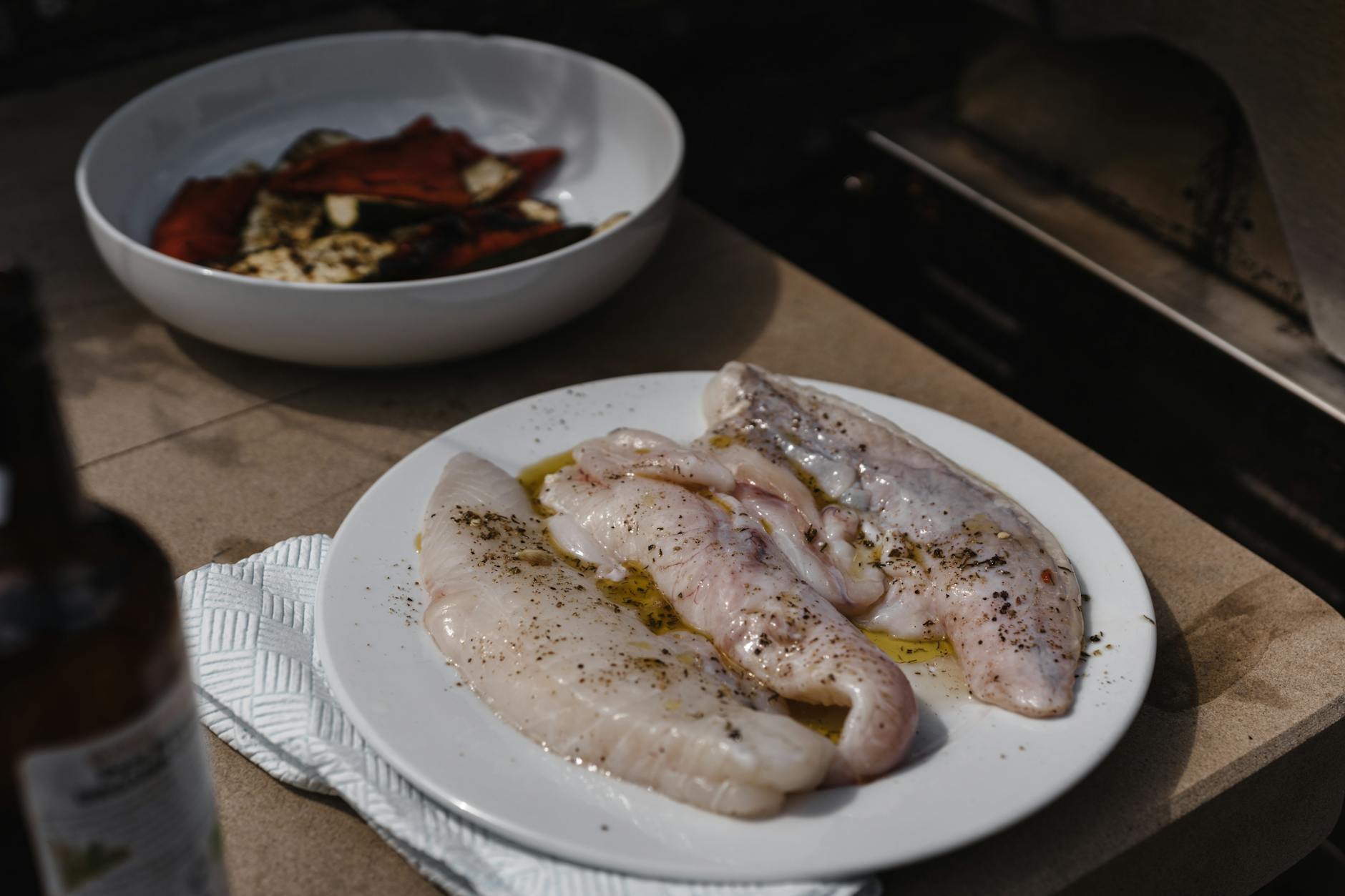
Pat dry the sand dab fillets with paper towels to remove excess moisture. In a wide bowl, combine the cracker meal with salt, black pepper, and garlic powder. Gently coat each fillet on both sides with the seasoned cracker meal, pressing lightly to adhere.
Step 2: Heat the Oil (2 minutes)
Warm 4 to 6 tablespoons of cooking oil in a large shallow pan over medium heat. The oil should shimmer but not smoke.
Step 3: Fry the Fillets (1-2 minutes per side)
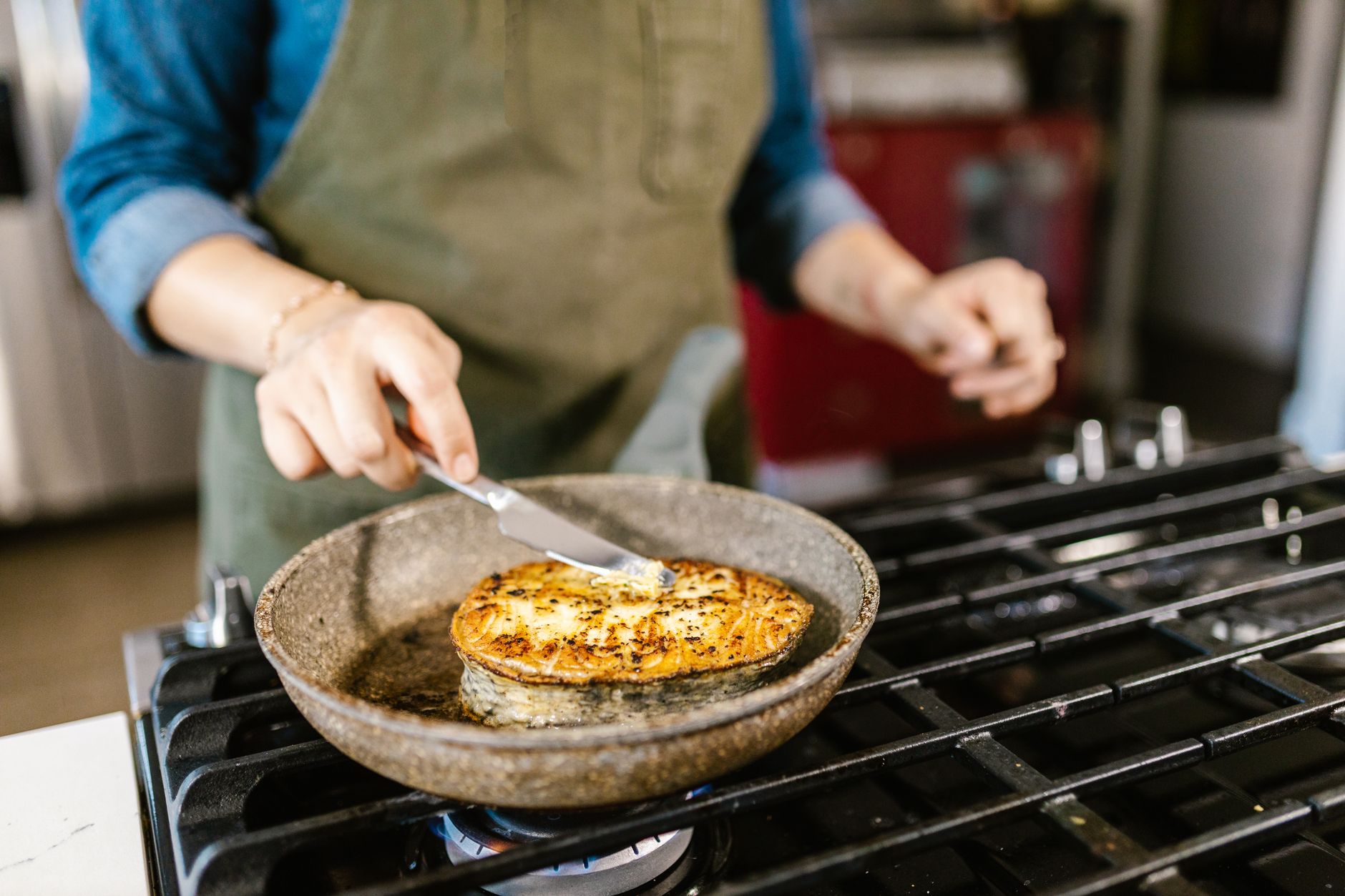
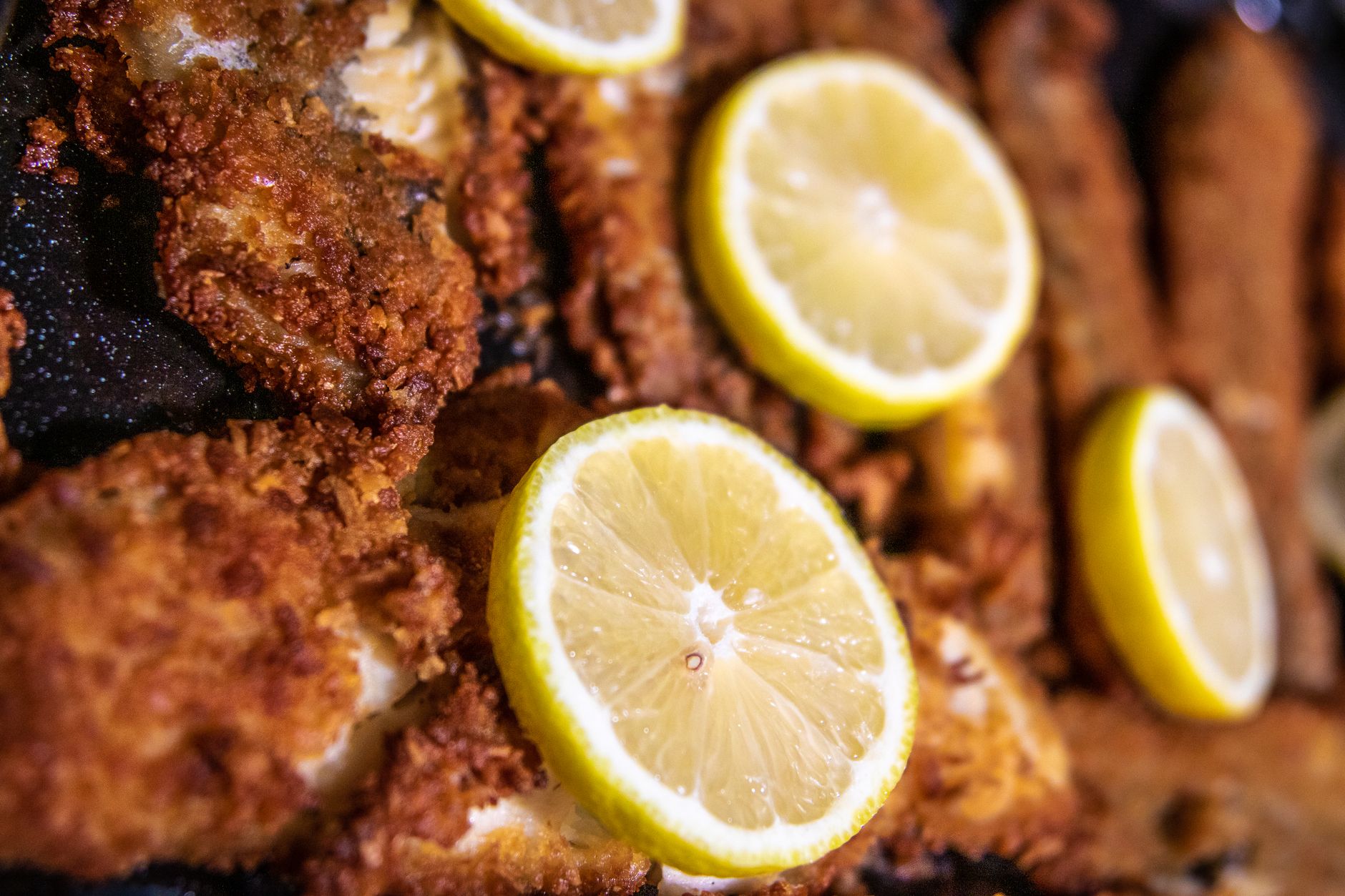
Place the coated sand dabs carefully in the hot oil. Fry for exactly 1 to 2 minutes on the first side, until golden and crispy, then flip carefully and cook the other side for the same amount of time. Use a spatula to avoid breaking the delicate flesh.
Step 4: Rest and Keep Warm (Throughout Cooking)
Transfer each cooked fillet to a warmed serving platter. Spoon a small amount of the pan juices over the fish to keep it moist and flavorful. Continue frying the remaining fillets, adding more oil as needed.
Step 5: Season and Garnish (Immediately before serving)
Lightly sprinkle the cooked fillets with salt and pepper to taste. Garnish generously with chopped parsley and arrange lemon wedges for squeezing.
Variations & Substitutions
- Gluten-Free Option: Replace cracker meal with crushed gluten-free crackers or almond flour to maintain the crispy texture without gluten.
- Herb Infusion: Mix fresh herbs like dill or thyme into the cracker meal seasoning for a fragrant twist.
- Alternative Fish: Use flounder or sole fillets in place of sand dabs, as they offer similar texture and flavor profiles.
- Pan Sauce Addition: Deglaze the pan with a splash of white wine or lemon juice after frying and drizzle over the fillets for extra tangy richness.
Storage & Shelf Life
Store leftover fried sand dabs in an airtight container in the refrigerator. For best quality, consume within 2 days to retain crispness and flavor. To reheat, warm gently in a low oven or air fryer to restore crunch without overcooking. You can freeze the cooked fillets for up to 1 month; wrap tightly in plastic wrap and foil to prevent freezer burn. Signs of spoilage include off odor, slimy texture, or discoloration—discard immediately if these occur.
Pro Tips
- Ensure fillets are thoroughly dried before coating to achieve a superior crispy crust that won’t fall off.
- Use a thermometer to maintain oil temperature around 350°F (175°C) while frying; too low equals soggy fish, too high causes burning.
- Flip the fillets gently once to keep the coating intact and fish tender inside.
- For more flavor, let the fillets rest in the seasoned cracker meal for 5 minutes before frying.
- Avoid overcrowding the pan, which drops oil temperature and yields less crisp results.
When is the best time to eat Sand Dabs Recipe?
The best time to enjoy sand dabs is during their peak season, typically spring through early summer, when they’re freshest and most flavorful. However, fresh or properly frozen fillets work well year-round. Serving immediately after frying guarantees the crispiest texture and most satisfying experience.
Can I bake sand dabs instead of frying?
Yes, baking is a healthier alternative. Coat the fillets as usual, place them on a greased baking sheet, then bake in a preheated oven at 400°F (205°C) for about 10-12 minutes until golden and flaky. However, they won’t be as crispy as frying.
Are sand dabs safe for children and pregnant women?
Sand dabs are generally safe, as they tend to have low mercury levels. Still, pregnant women and young children should consume fish in moderation and consult dietary guidelines. Always confirm freshness to avoid foodborne illness.
What oil is best for frying sand dabs?
Use oils with a high smoke point like canola, avocado, or vegetable oil. They provide a neutral flavor and maintain oil stability at medium-high heat, ensuring a perfect crispy crust.
Can I prepare sand dabs ahead of time?
While you can season and bread fillets ahead, frying is best done fresh to preserve crispiness. If needed, coat and refrigerate fillets for up to 2 hours before cooking.
How to tell if sand dabs are fresh?
Fresh sand dabs smell clean and like the ocean, with firm flesh that springs back when pressed. Avoid fillets with off odors, sliminess, or discoloration.
Do sand dabs have small bones?
Sand dabs have very fine bones, but commercially prepared fillets are usually deboned. Always check and remove any small pin bones with tweezers to ensure a pleasant eating experience.
More Recipes You Will Love
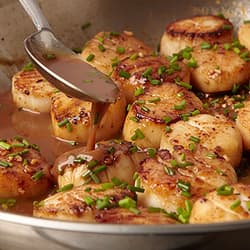
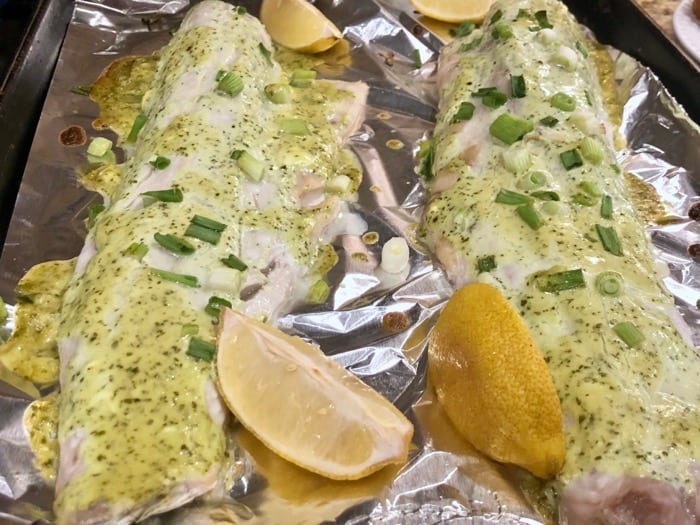
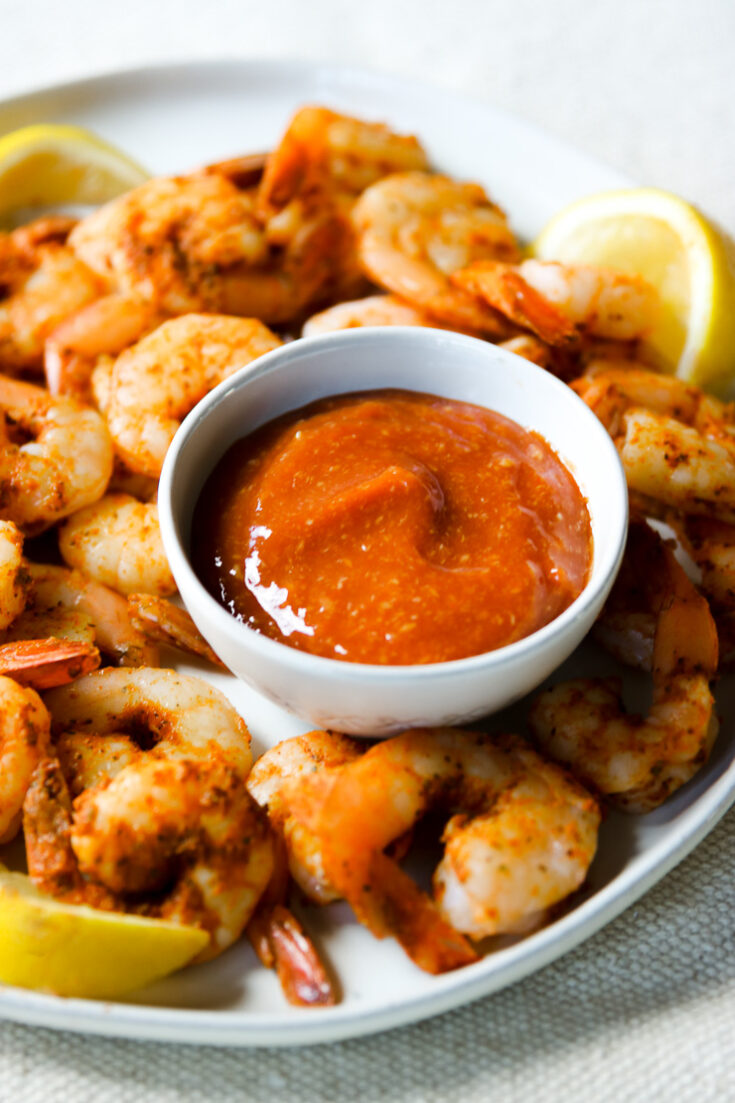
If you enjoy delicate seafood like sand dabs, you might want to try our roasted salmon with scallops and mustard butter recipe 2014066. It combines juicy salmon and scallops in a creamy, tangy sauce that complements any dinner table. Another fantastic dish is the bloody mary shrimp cocktail ceviche 5271285, packed with zesty flavors perfect for a light summer meal or appetizer.
Conclusion
With its crispy coating and buttery, tender flesh, this sand dabs recipe makes a perfect seafood meal that’s both simple and delightful. Its quick preparation and subtle flavors invite you to enjoy the fresh taste of the sea in your own kitchen. Try this recipe for your next seafood night, and feel free to share your cooking experience or tips below — your feedback inspires us to keep sharing tasty dishes with you!
FAQs
When is the best time to eat Sand Dabs Recipe?
The best time to enjoy sand dabs is when they are fresh and in season, typically in late spring through early fall. They make a great dish for lunch or dinner, especially when you want a light, crispy, and flavorful seafood meal.
Can I use a different coating instead of cracker meal?
Yes, you can substitute cracker meal with panko breadcrumbs or cornmeal for a different texture. Just ensure the coating is well-seasoned to complement the delicate flavor of the sand dabs.
What oil is best for frying sand dabs?
Oils with a high smoke point like avocado oil, canola oil, or vegetable oil are best for frying sand dabs. They ensure even cooking and help achieve a crispy exterior without burning.
Are sand dabs healthy to eat regularly?
Sand dabs are a healthy choice as they are low in calories, high in protein, and rich in omega-3 fatty acids. They support heart health and provide important nutrients but consume in moderation like all seafood due to potential mercury content.
How can I tell if sand dabs are fresh before cooking?
Fresh sand dabs should have moist, translucent fillets that are firm to the touch with a clean, briny scent. Avoid any fish that smells overly fishy or has discolored spots for the best flavor and safety.