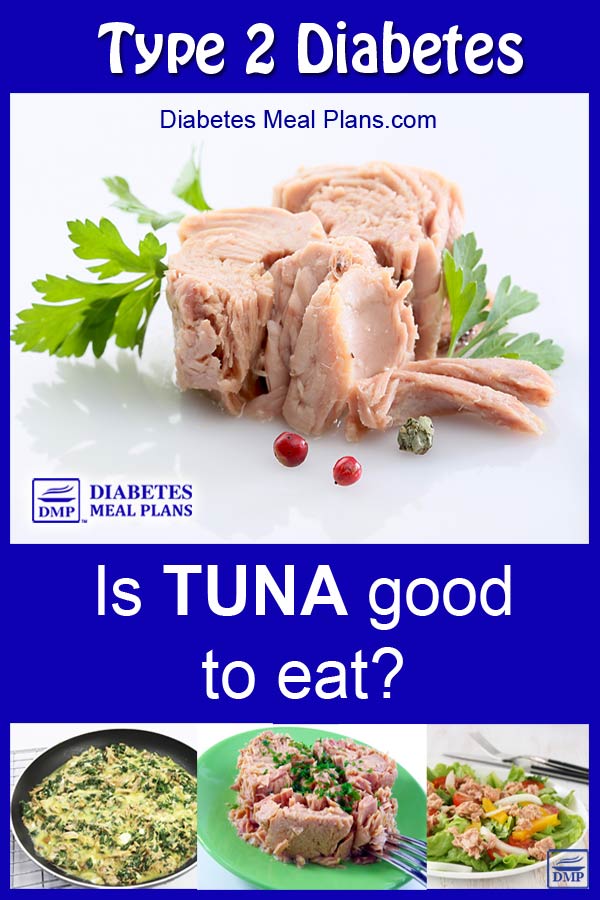
Short answer: Yestuna is a lowcarbohydrate, highprotein fish that can fit nicely into a diabetesfriendly diet. The catch? You still need to watch sodium, mercury, and any added sauces that sneak extra carbs or unhealthy fats into the mix.
Why does this matter? Because understanding the nutrients, safe portions, and the right preparation lets you enjoy tunas omega3 heart benefits without jeopardizing bloodsugar control. Lets dive in (pun intended) and sort out the good, the notsogood, and the practical ways to make tuna work for you.
Quick Verdict
What the research says
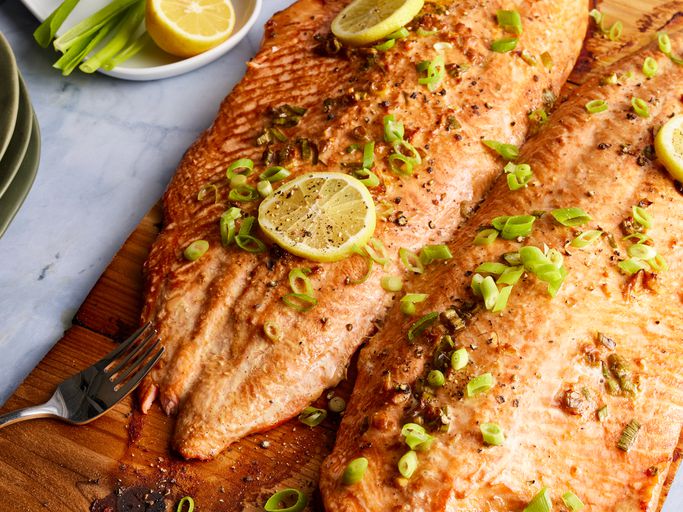
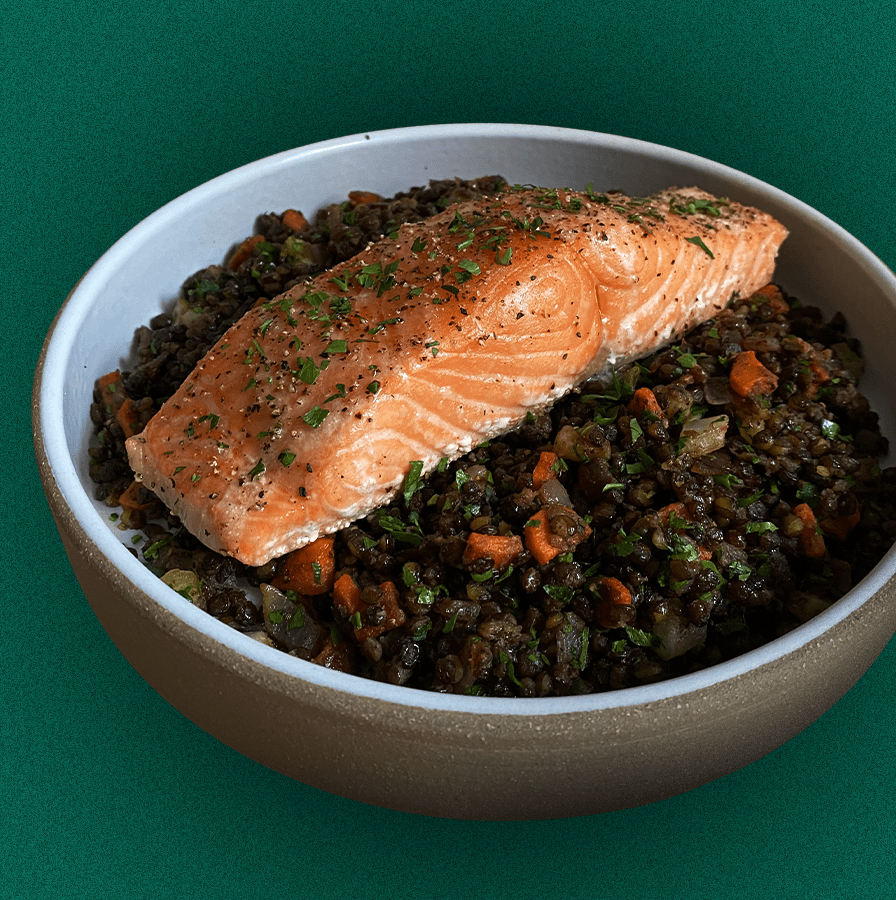
The American Diabetes Association (ADA) lists fishespecially fatty varieties like salmon, mackerel, and tunaas Superstar Foods that help control glucose and support heart health. A 2023 metaanalysis of over 30 cohort studies found that people who ate fish at least twice a week had modestly lower HbA1c levels and reduced cardiovascular risk compared with those who ate little or none. In short, the science backs the idea that tuna can be a smart choice for many diabetics. For a tasty way to enjoy salmon, try the skinnylicious grilled salmon cheesecake factory recipe.
Bottomline for everyday eating
- Yes, tuna is generally safe. Its low in carbs, high in protein, and packed with omega3 fatty acids. If you wonder can diabetics eat fish everyday, tuna is a solid choice when portioned correctly.
- Watch the extras. Canned tuna packed in oil or mixed with sugary sauces can add unwanted calories and carbs.
- Mind the sodium and mercury. Choose lowsodium varieties and limit highmercury types to a few servings per week.
Nutritional Profile
Macronutrients at a glance
| Serving (3oz / 85g) | Calories | Protein | Carbs | Fat | Sodium |
|---|---|---|---|---|---|
| Canned light tuna, waterpacked | 90 | 20g | 0g | 0.5g | 180mg |
| Canned albacore tuna, oilpacked | 150 | 22g | 0g | 7g | 320mg |
| Fresh grilled tuna steak | 110 | 25g | 0g | 1g | 55mg |
Micronutrients that matter
Tuna delivers a solid dose of vitaminD, selenium, and vitaminB12nutrients that play a role in glucose metabolism and heart health. For example, selenium helps protect cells from oxidative stress, which is especially important for people with diabetes who are at higher risk of inflammation.
Fresh vs. Canned vs. Lighttuna
- Fresh tuna: Lowest sodium, but usually more expensive and perishable.
- Canned light tuna: Great value, low sodium when waterpacked, but may contain less omega3 than albacore.
- Canned albacore (white tuna): Higher omega3 content but also higher sodium and mercury risk.
Health Benefits
Bloodsugar stability
Because tuna is virtually carbfree, it doesnt cause the spikes you see after a slice of bread or a sugary snack. The high protein content also promotes satiety, slowing the absorption of any carbs you do eat later in the meal, which can help keep glucose levels steadier throughout the day.
Hearthealth boost
Omega3 fatty acids EPA and DHA are famous for lowering triglycerides, reducing inflammation, and improving endothelial function. The ADA recommends at least two servings of fatty fish per week for people with diabetes precisely because of these cardioprotective effects.
Weightmanagement aid
With about 20g of protein per 3oz serving and minimal carbs, tuna can help you feel full longer without adding a lot of calories. Managing weight is a cornerstone of type2 diabetes care, and proteinrich foods like tuna make it easier to stick to a caloriecontrolled plan.
Potential Risks
Sodium overload
Many canned varieties use brine for flavor and preservation, which can push sodium levels above 300mg per serving. For a person watching blood pressurea common concern for diabeticsthis adds up quickly. Look for lowsodium or nosaltadded labels, and rinse the tuna briefly under water before using it in salads.
Mercury concerns
Albacore and bigeye tuna tend to accumulate more mercury than light tuna. The U.S. Food and Drug Administration suggests limiting albacore to no more than 6oz per week for adults, while light tuna can be enjoyed up to 12oz weekly. If you’re curious about what seafood is bad for diabetics, high‑mercury fish top that list, so keep your portions in check. If you’re pregnant, nursing, or have kidney issues, follow the stricter guidelines.
Tuna with mayo or sugary sauces
Mixing tuna with regular mayo adds saturated fat and hidden carbs. A typical tablespoon of mayo contains about 0.1g carbs but can bring 90calories of fat. If youre craving creaminess, swap mayo for plain Greek yogurt or a squeeze of lemon with a drizzle of olive oil. This simple swap slashes calories and keeps the dish diabetesfriendly.
Nutrition comparison
| Mix | Calories | Carbs | Fat |
|---|---|---|---|
| Tuna + 2tbsp regular mayo | 250 | 1g | 22g |
| Tuna + 2tbsp Greek yogurt | 120 | 3g | 4g |
Portion Guidance
How much tuna can a diabetic eat?
A safe, diabetesfriendly serving is about 3oz (roughly the size of a deck of cards) per meal. This portion delivers roughly 20g of protein and virtually zero carbs, making it perfect for a balanced plate.
Weekly limits & mercury safety
Heres a quick cheat sheet:
- Light tuna (canned in water): Up to 12oz (23 servings) per week.
- Albacore (white tuna): No more than 6oz (1 serving) per week.
- Fresh grilled tuna steak: 34oz per serving, 23 times a week is fine.
Case study: Marias 4week meal plan
Maria, a 58yearold with type2 diabetes, incorporated a 3oz tuna salad for lunch on Mondays, Wednesdays, and Fridays. She chose lowsodium waterpacked tuna, mixed it with chopped cucumber, cherry tomatoes, and a dollop of Greek yogurt. Over four weeks, her fasting glucose dropped from 132mg/dL to 118mg/dL, and she reported feeling more satisfied after mealsa subtle yet meaningful improvement.
Best Tuna Picks
Lowsodium vs. regular canned tuna
When youre scanning the grocery aisle, look for terms like nosaltadded, lowsodium, or unsalted. Brands such as Safe Catch and Wild Planet often provide transparent sourcing and lower sodium counts (under 150mg per serving).
Wildcaught vs. farmraised
Wildcaught tuna generally has a better omega3 profile and less exposure to antibiotics. Farmraised tuna can be more affordable, but the fatty acid composition may vary. If youre unsure, the label will usually indicate wildcaught or poleandline caught.
Labelreading cheat sheet
- Serving size: 3oz (usually one standard can).
- Sodium: Aim for <150mg for lowsodium, <300mg for regular.
- Added oils: Prefer waterpacked; oilpacked adds extra calories.
- Mercury warning: Look for lowmercury claims on albacore.
Meal Planning
Smart pairings
Combine tuna with fiberrich veggies and a healthy fat to create a balanced plate that wont spike your blood sugar. Think of a colorful salad of mixed greens, sliced bell peppers, avocado, and a drizzle of olive oil. The fiber slows digestion, while the fat and protein keep hunger at bay.
Quick recipe ideas
Here are two fussfree meals you can throw together in five minutes:
- Tunaavocado lettuce wraps: Mash 3oz tuna with half an avocado, a squeeze of lime, and a pinch of pepper. Spoon onto large romaine leaves, roll, and enjoy.
- Mediterranean tuna salad: Toss tuna with chopped cucumber, olives, cherry tomatoes, a splash of redwine vinegar, and 1tbsp extravirgin olive oil. Serve over quinoa for extra fiber.
Nutrition snapshot
| Meal | Calories | Carbs | Protein | Fat |
|---|---|---|---|---|
| Tunaavocado lettuce wrap | 210 | 4g | 22g | 12g |
| Mediterranean tuna salad | 260 | 9g | 24g | 14g |
Practical Tips & Shopping Guide
Reading nutrition labels
Scanning for sodium, added sugars, and type of packing (water vs. oil) can save you from hidden pitfalls. If the sodium per serving exceeds 200mg, consider rinsing the tuna under cold water for 30 seconds to wash away some of the salt.
Storing fresh vs. canned tuna
Fresh tuna should be kept in the coldest part of the fridge and used within 2days. Canned tuna can be stored at room temperature until opened; once opened, transfer to an airtight container and refrigerate, using within 3days.
Budgetfriendly buying
Buy in bulk when sales pop uplarge multipacks of lowsodium canned tuna are usually cheaper per ounce. Look for store brands that list no added salt on the label; they often match or exceed namebrand quality at a fraction of the cost.
Sample grocery list
- Lowsodium canned light tuna (6pack)
- Fresh tuna steak (2lb)
- Greek yogurt (plain, 2%)
- Avocado, mixed greens, bell peppers
- Olive oil, lemon, redwine vinegar
Sources, Expert Insights & Further Reading
Throughout this article, Ive pulled information from reputable organizations such as the American Diabetes Association and the U.S. Food and Drug Administration. For a deeper dive, the ADAs Superstar Foods guide offers a comprehensive look at fish and diabetes management.
Endocrinologist Dr. Lena Mendoza emphasizes, If you choose lowsodium, waterpacked tuna and pair it with fiberrich vegetables, youre giving your body protein, omega3s, and a steady glucose responseall without excess calories. Registered dietitian Sarah Kwon adds, Portion control is key. A single 3oz serving fits neatly into the plate method that the ADA recommends for balanced meals.
Conclusion
In a nutshell, tuna is a diabetesfriendly powerhouse: its low in carbs, rich in protein, and loaded with heartsupporting omega3s. The main things to watch are sodium, mercury, and any sugary or fatty sauces that might sneak in extra calories. By choosing lowsodium, waterpacked varieties, sticking to recommended portion sizes, and pairing tuna with fiberfilled veggies, you can enjoy its benefits without compromising bloodsugar control. So go aheadadd that tuna salad to your lunch, experiment with a lettuce wrap, or grill a steak for dinner. Your taste buds and your glucose levels will thank you.
FAQs
Can tuna fish raise blood sugar levels?
No. Tuna is virtually carb‑free, so it does not cause the rapid glucose spikes that carbohydrate‑rich foods can.
How much tuna should a diabetic eat each week?
For most adults, 3 oz (about one deck‑of‑cards portion) per meal is safe. Limit albacore (white) tuna to ≤6 oz/week and light tuna to ≤12 oz/week to control mercury exposure.
Is canned tuna in water better than tuna in oil for diabetes?
Yes. Water‑packed tuna has far fewer calories and less fat. Choose low‑sodium, water‑packed varieties and avoid oil‑packed cans if you’re watching calories and sodium.
What are healthy toppings or sauces for tuna?
Swap mayo for plain Greek yogurt, lemon juice, or a drizzle of olive oil. Add fibrous veggies like cucumber, bell pepper, or avocado for a balanced, diabetes‑friendly meal.
Does tuna provide nutrients that help manage diabetes?
Besides high‑quality protein, tuna supplies omega‑3 fatty acids, vitamin D, selenium, and B12, all of which support heart health and may improve insulin sensitivity.