Introduction
The Irresistible Flavor of Roasted Winter Vegetables with Balsamic Vinegar
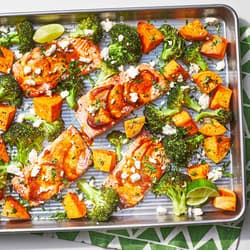
The first time I tried a roasted winter vegetable recipe with balsamic vinegar, I was hooked. The way the vegetables caramelize in the oven, turning golden and crispy around the edges while remaining tender inside, is pure magic. Adding balsamic vinegar brings a tangy sweetness that lifts the earthy flavors beautifully. This healthy winter dinner idea is simple but packed with rich taste, making it a reliable choice for any weeknight meal or cozy gathering.
Who This Recipe Is Perfect For
This balsamic vinegar roasted veggies recipe suits anyone who loves simple, nourishing food. Vegans and vegetarians will appreciate it as a fulfilling main or side dish, while busy home cooks benefit from the quick prep and easy cooking method. If you want to enjoy nutrient-rich winter vegetables without fuss, this is an excellent go-to recipe to keep handy.
Why This Version Stands Out from Other Roasted Veggies Recipes
Unlike heavy or oily roasted vegetable recipes, this one balances the natural sweetness of root vegetables with the sly acidity of balsamic vinegar. It uses a thoughtful mix of winter vegetables and avoids overwhelming spice blends, so the fresh flavors shine. Plus, the oven-roasted vegetables method here minimizes sogginess, giving you crispy results every time.
Key Highlights
Balanced Flavor and Texture with Natural Sweetness
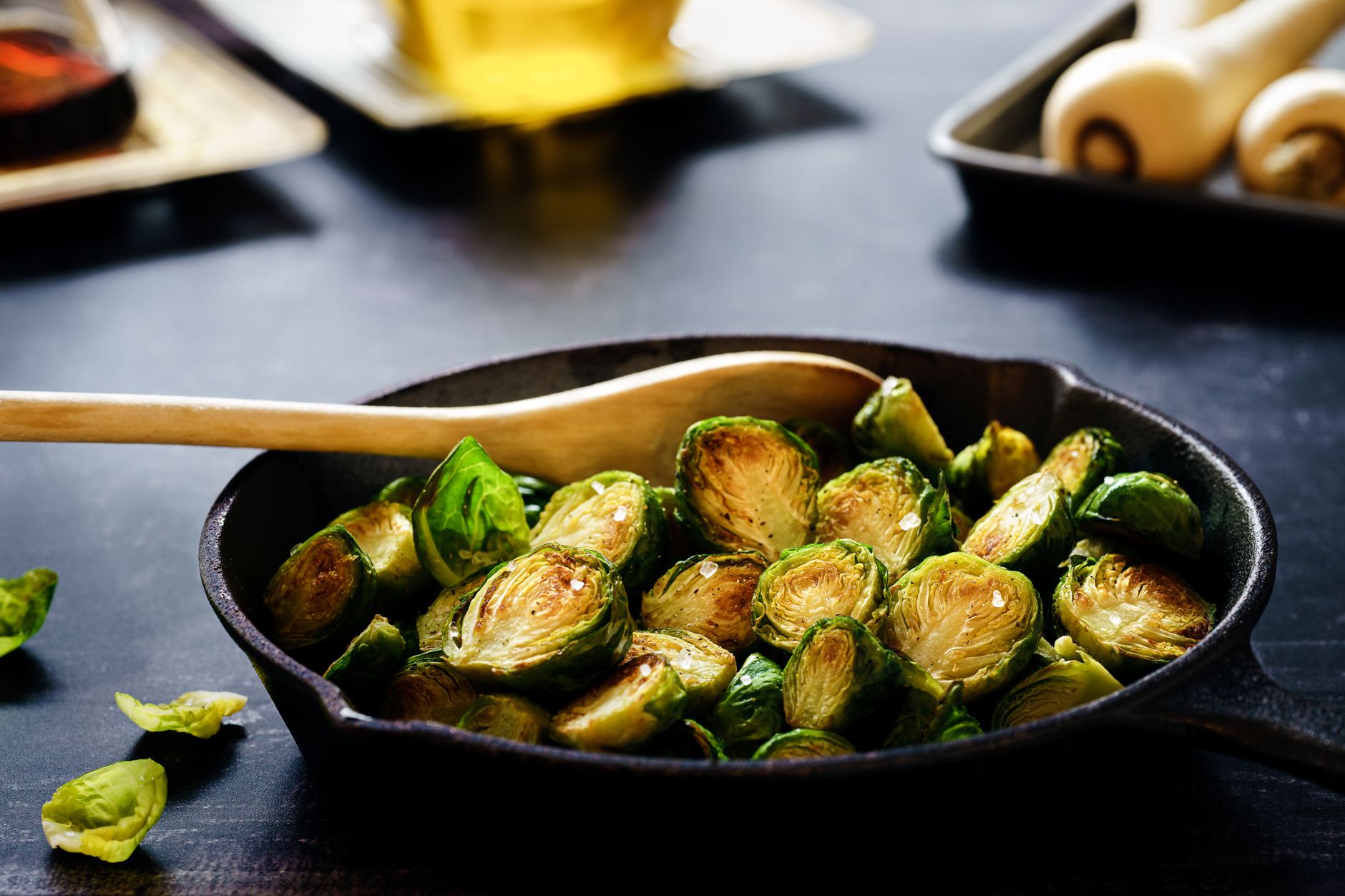
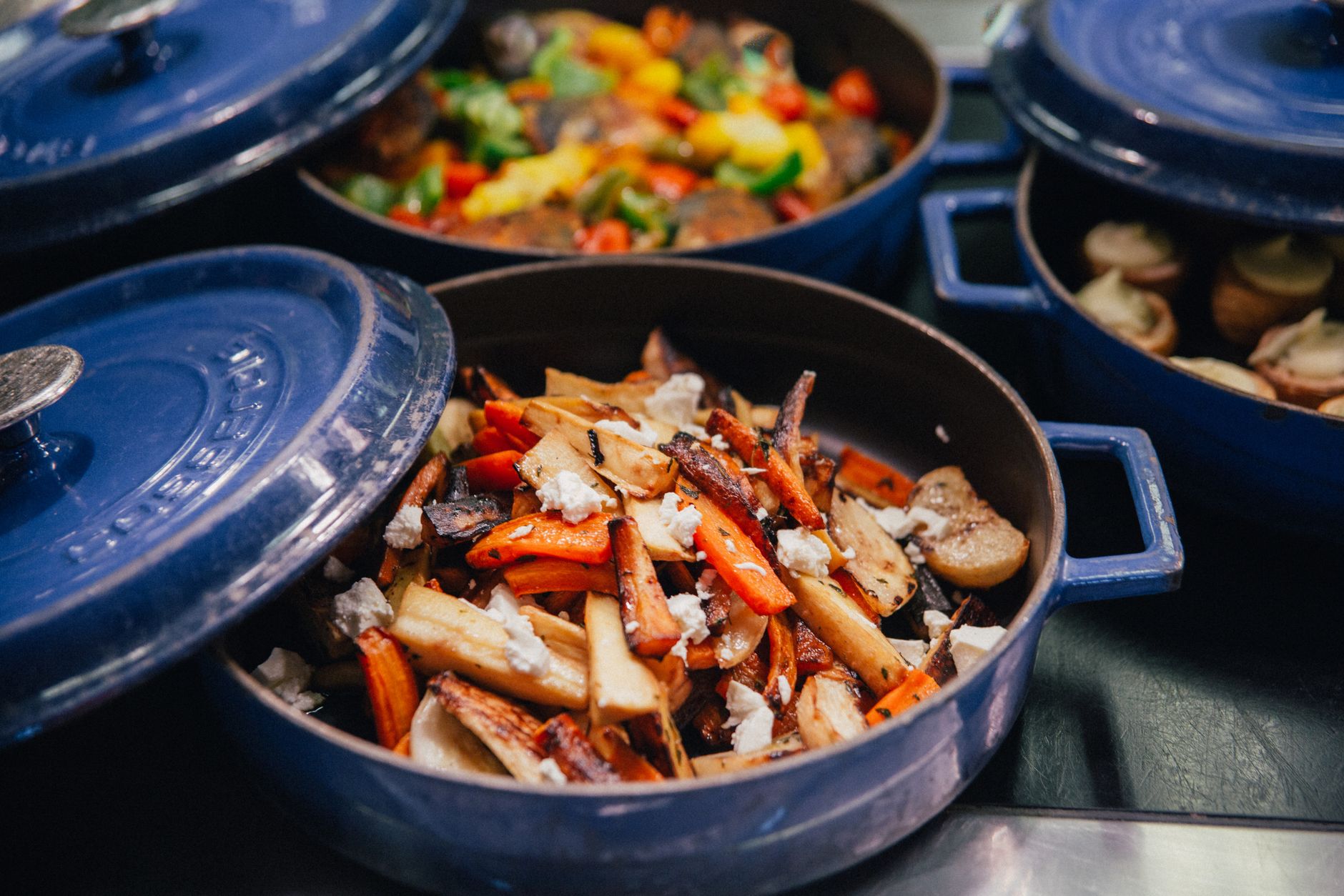
Roasting vegetables is the perfect way to coax out their natural sugars, creating a rich caramelized finish with a crispy edge and tender center. The trick is in the roasting vegetables techniquekeeping them spaced out on the tray to avoid steaming. The balsamic vinegar adds just the right punch of acidity, reducing any bitterness and complementing the roasted notes.
Versatility and Nutrient Density
This vegan roasted vegetable dish doubles wonderfully as a side or main course. It‘s packed with fiber, vitamins A and C, and antioxidants that support your immune system during colder months. You can swap vegetables seasonally and still enjoy a delicious, colorful plate that fits many diets.
Who Should Be Cautious
While balsamic vinegar adds amazing flavor, those with sensitivity to acidic foods or vinegar allergies should be mindful. Pregnant women or individuals on certain medications may want to consult with a healthcare professional if unsure about balsamic vinegar‘s effects.
Ingredients & Preparation
Recipe Card
| Prep time | Total time | Servings | Calories | Diet tags |
|---|---|---|---|---|
| 15 mins | 50 mins | 4 | 180 kcal per serving | Vegan, Gluten-Free, Dairy-Free |
Full Ingredient List with Substitutions
- 2 cups butternut squash, peeled and cubed (pumpkin works as a substitute)
- 2 cups Brussels sprouts, halved (or green cabbage wedges)
- 1 large carrot, sliced (parsnip can replace)
- 1 red onion, quartered (yellow onion optional)
- 3 tbsp olive oil (avocado oil is a good alternative)
- 2 tbsp balsamic vinegar (apple cider vinegar for milder acidity)
- 1 tsp dried thyme or rosemary
- Salt and freshly ground black pepper to taste
Equipment Needed
Youll need a large baking sheet, a mixing bowl, a sharp knife, and measuring spoons. There are no fancy appliances required, so this fits any kitchen setup.
Tips for Choosing Quality Ingredients
Select firm, brightly colored vegetables without any soft spots or bruises. Organic produce is ideal but not mandatory. Choose authentic balsamic vinegar with a deep aromaavoid labeled "balsamic-flavored" vinegars, which lack depth.
Step-by-Step Instructions
Step 1 Prepare Vegetables
Wash the vegetables thoroughly. Peel the butternut squash and carrot, then chop them into uniform bite-sized pieces to ensure even roasting. Trim Brussels sprouts and halve them. Quarter the onion, no need to peel beyond the outer skin.
Step 2 Roast at 400F for 35 Minutes
In a large bowl, toss all the chopped vegetables with olive oil, balsamic vinegar, dried thyme, salt, and pepper until well coated. Spread them in a single layer on the baking sheet, ensuring no overcrowding. Roast in a preheated oven at 400F (200C) for 35 minutes, stirring halfway through to promote even caramelization.
Step 3 Final Toss and Flavor Boost
Once roasting is complete, gently toss the vegetables again with any pan juices collected. Taste and adjust seasoning with extra salt or a small drizzle of balsamic vinegar if a tangier note is preferred.
Step 4 Serve Hot or Store
Serve immediately for the best crispy texture. To save leftovers, cool completely and store in an airtight container in the fridge. Reheat in the oven for 10 minutes at 375F (190C) to restore some crispiness.
Variations & Substitutions
Flavor and Dietary Variations
For a savory boost, add chopped garlic before roasting or sprinkle toasted nuts like walnuts or pecans on top for crunch. The recipe is naturally vegan and gluten-free, making it perfect for many dietary plans.
Ingredient Swaps
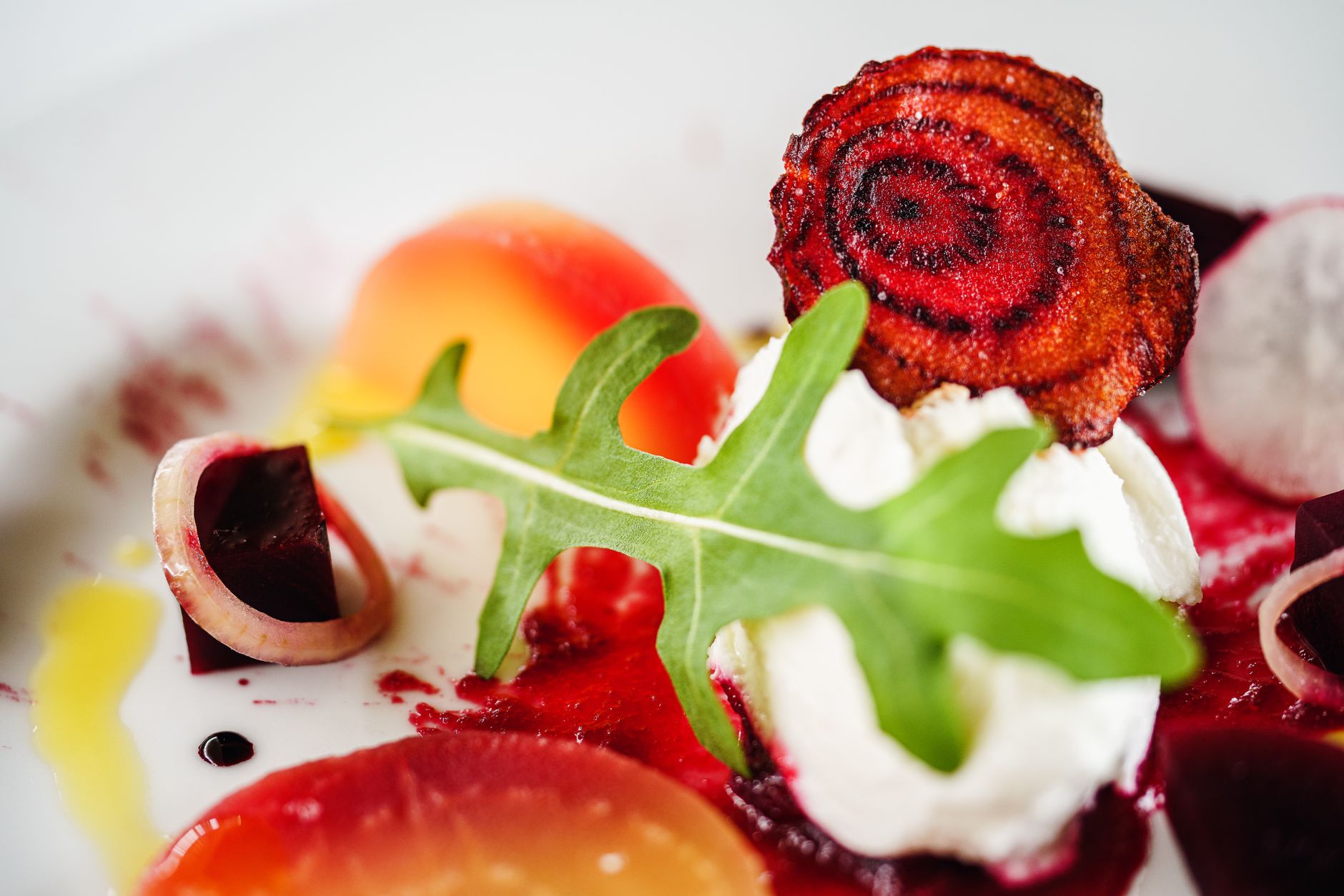
Sweet potatoes or beets work well to replace or complement the vegetables here, adding earthiness and natural sweetness. Fresh herbs such as rosemary or sage can substitute dried thyme for a brighter aroma. Balsamic vinegar can be swapped with red wine vinegar or even lemon juice for a different acid profile.
Adjusting Seasoning Levels
If you dislike sharp acidity, reduce balsamic vinegar to 1 tablespoon and increase olive oil slightly. For a hint of sweetness, add a teaspoon of maple syrup or honey before roasting.
Storage & Shelf Life
Refrigerator Storage
Place cooled roasted vegetables in an airtight glass or plastic container. They stay fresh in the fridge for 45 days. Reheat uncovered in a 375F oven for 10 minutes for crispy edges to return.
Freezer Option
You can freeze leftover roasted veggies for up to 2 months. Spread them on a baking tray, freeze until firm, then transfer to freezer-safe bags or containers. Thaw overnight in the fridge before reheating.
Make-Ahead Tips
This recipe scales easily for larger gatheringsjust use a bigger baking sheet or roast in batches. When doubling or tripling, keep vegetables evenly spaced for consistent roasting. Label containers with date and contents to avoid confusion.
Pro Tips & Troubleshooting
Hands-On Tips
If handling beets or similarly pigmented vegetables, wear kitchen gloves to avoid staining. Lining the baking tray with parchment paper helps prevent sticking and makes cleaning easier. Always roast vegetables in a single layer to avoid steaming and soggy spotsthis is key to preventing soggy roasted vegetables.
Fixing Common Issues
Pale vegetables? This usually means the oven temperature is too low or the pan is overcrowded. Bitter flavors often result from too much raw balsamic vinegar added after roasting. If your vegetables turn out soft instead of crispy, check if pieces were uneven or if the roast time was cut short.
Expert Upgrade
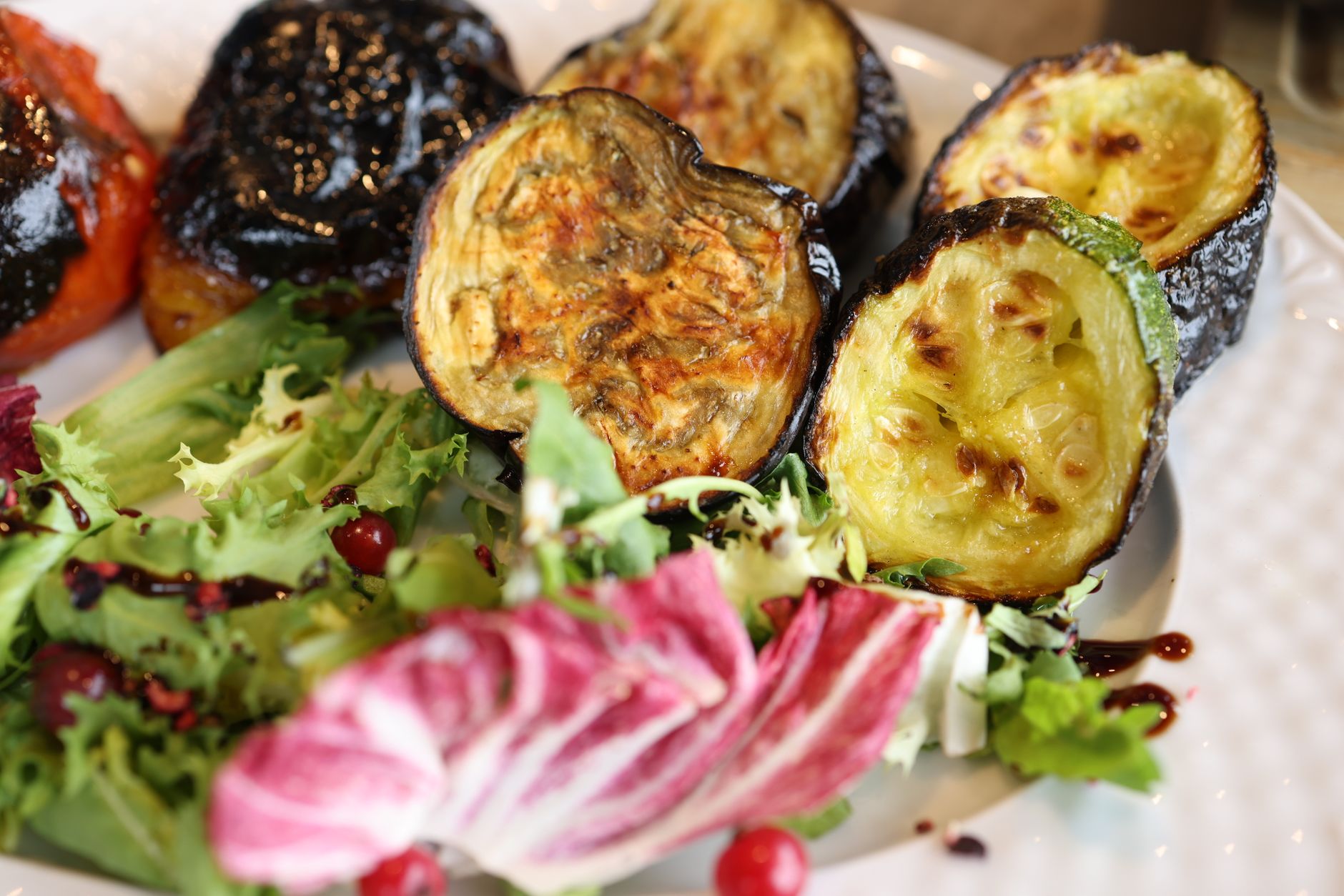
Sprinkle flaky sea salt over the hot vegetables just before serving. This adds a subtle crunch and enhances the balance between sweet and sour. For a smoky twist, add a dash of smoked paprika or chipotle powder before roasting.
When is the best time to eat roasted winter vegetables with balsamic vinegar?
Roasted winter vegetables with balsamic vinegar taste best when served warm, right after roasting. You can also enjoy them at room temperature, making them convenient for meal prep or gatherings. Eating them soon ensures the ideal crispy texture and flavor balance.
Can I make a big batch ahead of time?
Absolutely. This roasted winter vegetable recipe scales well for larger portions. Store leftovers refrigerated in airtight containers for up to 5 days. Reheat in the oven to refresh the texture without turning them soggy.
Fresh balsamic vinegar or aged which gives better flavor?
Aged balsamic vinegar offers a richer, sweeter flavor with less sharpness, making it ideal for roasting. Fresh balsamic tends to be more acidic and less complex, so using aged vinegar can elevate your balsamic vinegar roasted veggies flavor.
Is this recipe safe for pregnant women, kids, or people on medication?
Generally, yes. However, those sensitive to vinegar or with acid reflux should moderate their intake. As always, consult your healthcare provider if you have concerns regarding balsamic vinegar consumption during pregnancy or medication.
How often can I eat roasted winter vegetables with balsamic vinegar?
You can enjoy this dish regularly as part of a balanced diet. The vegetables provide fiber and antioxidants supportive of health, especially during winter. The moderate vinegar content is safe for daily consumption unless otherwise advised.
Why does my roasted vegetables taste bitter?
Bitter flavors usually appear if vegetables are burnt or you‘ve added too much raw balsamic vinegar after roasting. Avoid overcrowding the pan and remove from heat as soon as caramelization appears to prevent bitterness.
What pairs well with roasted winter vegetables with balsamic vinegar?
Try serving them alongside roasted chicken, grilled tofu, or a hearty quinoa salad. For drinks, earthy red wines like Pinot Noir complement the tangy, roasted flavors wonderfully.
To explore more flavor ideas, check out this grilled vegetable marinade balsamic honey. Its a great way to enjoy balsamic-infused veggies in a different style.
More Recipes You Will Love
Maple-Glazed Roasted Root Vegetables
This cozy alternative adds natural sweetness to your winter veggies. The maple glaze creates a caramelized finish thats perfect for festive dinners.
Simple Balsamic Chicken Thighs
For a protein-rich dinner with complementary flavors, try these easy balsamic chicken thighs. They share the tangy, sweet notes of this roasted vegetable dish.
Winter Vegetable Soup
This warming, comforting soup is a wonderful way to use winter vegetables and enjoy their flavors in liquid form on chilly nights.
Conclusion
This roasted winter vegetables with balsamic vinegar recipe offers a delightful balance of sweet, tangy, and earthy flavors. Its easy to prepare using everyday ingredients and an oven-roasting technique that ensures crispy, caramelized veggies. Try it as a wholesome dinner or side and share your experience in the comments. If you enjoyed this, you might also like our Maple-Glazed Roasted Root Vegetables for more cozy meal inspiration.
FAQs
When is the best time to eat roasted winter vegetables with balsamic vinegar?
Roasted winter vegetables with balsamic vinegar taste best served warm immediately after roasting. They can also be enjoyed at room temperature, making them great for meal prep or gatherings while maintaining crispy texture and flavor.
Can I make a big batch of roasted winter vegetables with balsamic vinegar ahead of time?
Yes, this recipe scales easily for larger portions. Store leftovers refrigerated in airtight containers up to 5 days and reheat in the oven to refresh the crispiness without sogginess.
What type of balsamic vinegar is best for roasting winter vegetables?
Aged balsamic vinegar is ideal, offering a richer and sweeter flavor with less sharp acidity. Fresh balsamic tends to be more acidic and less complex, so aged balsamic enhances the overall taste better.
Is this roasted vegetable recipe safe for pregnant women or those on medication?
Generally, yes. However, people sensitive to vinegar or with acid reflux should moderate intake. It’s best to consult a healthcare provider if concerned about balsamic vinegar consumption during pregnancy or medication use.
Why do my roasted winter vegetables sometimes taste bitter?
Bitter flavors usually occur if vegetables are burnt or too much raw balsamic vinegar is added after roasting. Avoid overcrowding the pan and remove the vegetables once caramelization appears to prevent bitterness.