Why Roasted Bone Marrow with Parsley Topping Is a Must-Try
The golden, buttery richness of roasted bone marrow melts in your mouth, offering an indulgent yet rustic dining experience. Roasted bone marrow with parsley topping combines the earthy, savory marrow with a bright, herbaceous burst that balances the richness perfectly. This dish elevates simple ingredients into a show-stopping appetizer or dinner centerpiece that’s packed with deep, nostalgic flavors. Whether you’re entertaining guests or treating yourself, this recipe invites you to explore a unique, old-world classic with a fresh, modern touch.
Health Benefits & Nutrition
Bone marrow isn’t just delicious; it offers several nutritional perks. It’s a rich source of collagen, which supports joint and skin health (University of California study). The marrow contains healthy fats that help absorb fat-soluble vitamins, such as A, D, E, and K. It also provides essential minerals like iron and phosphorus, contributing to improved oxygen transport and bone strength.
While the nutritional profile is impressive, keep in mind that bone marrow is high in cholesterol and saturated fats. If you’re pregnant or have specific dietary restrictions, consult with your healthcare provider before indulging. Also, ensure the bones are sourced from trusted suppliers to avoid foodborne risks.
Ingredients & Preparation
Recipe Card
| Prep Time | 35 minutes |
|---|---|
| Total Time | 1 day 55 minutes (including soaking) |
| Servings | 4 to 6 |
| Calories | Approx. 359 per serving |
| Diet Tags | Gluten-Free (if served without bread), Paleo-Friendly |
Full Ingredient List
- 6 to 12 cups cold water
- 2 to 4 tablespoons kosher salt, plus 1 pinch for topping
- 4 marrow bones (6- to 7-inch, cleaned)
- Approximately 4 cups ice cubes
- 1 tablespoon extra-virgin olive oil
- 1 teaspoon fresh lemon juice
- ½ cup packed fresh parsley, chopped
- ¼ cup packed celery leaves (or extra parsley), chopped
- 1 tablespoon finely chopped celery stalk (inner part)
- 2 teaspoons finely chopped lemon peel
- 1 teaspoon minced shallot
- 1 teaspoon minced garlic
- 1 teaspoon chopped capers, drained
- 2 to 4 slices toasted bread
- Flaky sea salt, for serving
Equipment Needed
- Large container or bowl for soaking
- Measuring spoons and cups
- Digital kitchen scale
- Cutting board and chef’s knife
- 9- by 13-inch baking dish or half sheet pan
- Aluminum foil
- Paper towels
- Medium and small mixing bowls
- Toaster or toaster oven
Tips for Choosing Quality Ingredients
Start with fresh marrow bones from grass-fed or pasture-raised beef, if possible. This ensures a cleaner flavor and better fat quality. Bones should be "canoe-cut" and free of excess blood or meat on the outside. Fresh herbs like flat-leaf parsley and celery leaves contribute vibrant color and aroma, so choose bright, crisp greens. Opt for high-quality extra-virgin olive oil with a fruity, peppery profile to enhance the topping.
Step-by-Step Instructions
Step 1: Soak the Bones (24 hours)
Fill a large container with 6 cups of cold water. Stir in 2 tablespoons of kosher salt until dissolved. Submerge the marrow bones, cut-side down, then top with ice cubes. Refrigerate for 24 hours. This step draws out impurities and results in a cleaner flavor and texture.
Step 2: Preheat and Prepare for Roasting (10 minutes)
Preheat your oven to 425°F (220°C) and place a rack in the center. Remove soaked bones from water and pat them thoroughly dry with paper towels.
Step 3: Arrange Bones for Even Cooking (5 minutes)
Place the bones cut-side down on a small sheet pan. Cover them generously with aluminum foil, molding the foil to hold the bones snugly. Lay a second sheet pan on top of the foil, then carefully flip the whole setup. Remove the original top pan, revealing the bones cut-side up, perfectly level and ready to roast.
Step 4: Roast the Bones (15 to 18 minutes)
Roast for 8 minutes, then rotate the pan. Continue roasting an additional 7 to 10 minutes until the marrow turns soft and spreadable with a slightly browned surface—avoid letting it melt away.
Step 5: Prepare the Parsley Topping (10 minutes)
While bones roast, whisk together olive oil, lemon juice, and a pinch of salt in a medium bowl. Add parsley, celery leaves and stalk, lemon peel, shallot, garlic, and capers. Toss gently to combine the fresh, tangy topping.
Step 6: Serve Immediately
Spoon about one-third of the parsley mixture over the roasted marrow. Let it rest for 5 minutes for the flavors to bloom. Transfer the bones to a serving platter with toasted bread and flaky sea salt. Garnish with the remaining parsley topping and enjoy.
Variations & Substitutions
- Herb Variations: Swap parsley for fresh cilantro or basil to add a different herbal note. Use a mixture of herbs for complexity.
- Lemon Alternatives: Replace fresh lemon juice in the topping with a splash of white wine vinegar or sherry vinegar for a subtler acidity.
- Serving Suggestion: Serve the marrow on toasted baguette slices instead of plain toast, adding a garlic rub for extra flavor.
- Dietary Swap: For a low-sodium option, reduce the kosher salt used in soaking and seasoning, but balance with a pinch of smoked paprika in the parsley topping for a smoky kick.
Storage & Shelf Life
Roasted bone marrow is best enjoyed fresh, but leftovers can be stored carefully. Keep bones tightly covered in an airtight container in the refrigerator for up to 2 days.
Do not freeze roasted bones as it may negatively affect texture. Instead, freeze raw marrow bones uncooked for up to 3 months, properly wrapped.
Discard if the marrow develops off smells, sliminess, or any discoloration beyond the natural ivory to golden tones.
Pro Tips
- Precision Roasting: Keeping the bones level during roasting minimizes fat loss, preserving buttery texture and flavor.
- Flavor Balance: The parsley topping adds bright acidity and herbaceous crunch, essential to cut through the marrow’s richness.
- Cleaning Bones: Remove any residual meat or blood clots from the marrow bones before soaking for the purest taste.
- Prevent Staining: Use gloves when handling fresh parsley or lemon peel to avoid any green or yellow staining on your hands.
- Toast Bread Thoroughly: Ensure the toast is crisp to provide contrast to the creamy marrow, improving texture harmony.
When is the best time to eat Roasted Bone Marrow with Parsley Topping?
Roasted bone marrow is ideal as an appetizer or part of a cozy dinner. It pairs wonderfully with red wine or a rich stout. Serve it fresh, right after roasting, when the marrow is silky and warm for the best sensory experience.
Can I prepare the parsley topping in advance?
Yes, you can make the parsley topping a few hours ahead and refrigerate it. Bring it to room temperature before serving to revive the fresh flavors and mellow the olive oil’s texture.
How do I clean marrow bones before cooking?
Rinse marrow bones under cold water. Use a small brush or paper towel to wipe away any blood clots or residual meat on the exterior. Then soak them in salted ice water for 24 hours to remove impurities.
Is bone marrow safe for pregnant women?
Bone marrow can be safe if sourced from high-quality, fresh bones and cooked properly. However, pregnant women should consult their healthcare provider, as marrow is rich and may carry risks if contaminated.
What can I serve alongside roasted bone marrow?
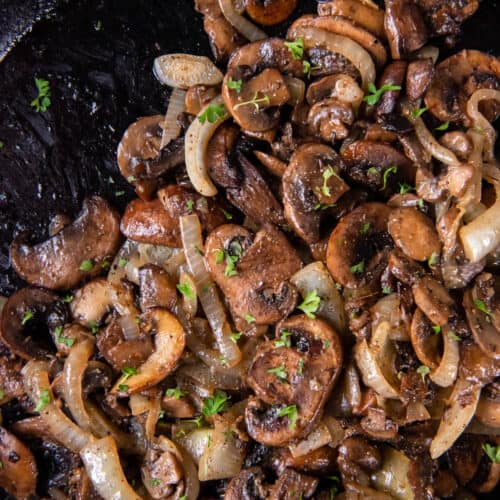
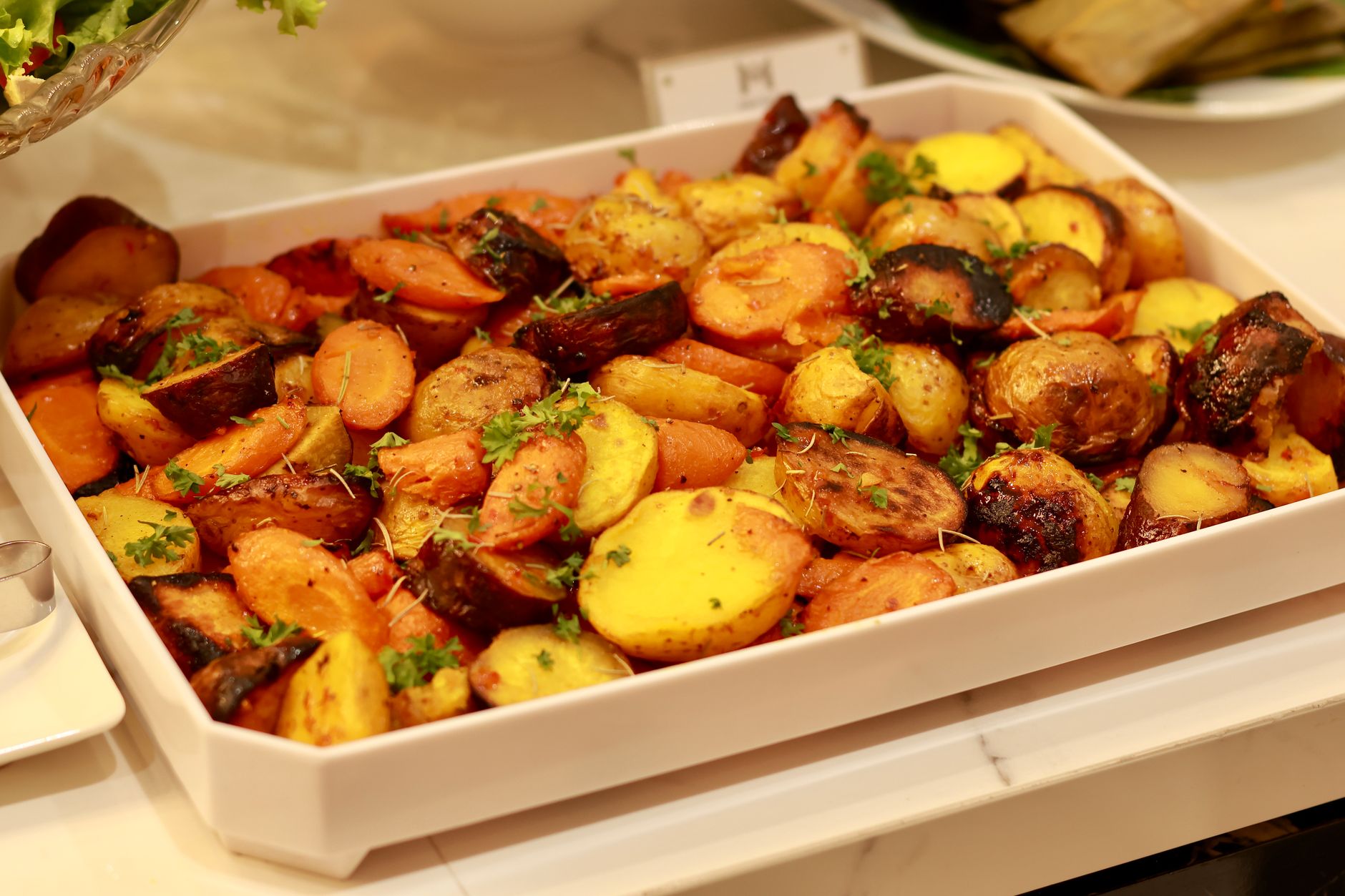
Serve with rustic toast, a crisp green salad, or pickled vegetables. A tangy side will balance the rich marrow beautifully. For a heartier meal, consider pairing with savory sides like mushrooms or roasted root vegetables.
Can I substitute other bones for marrow bones?
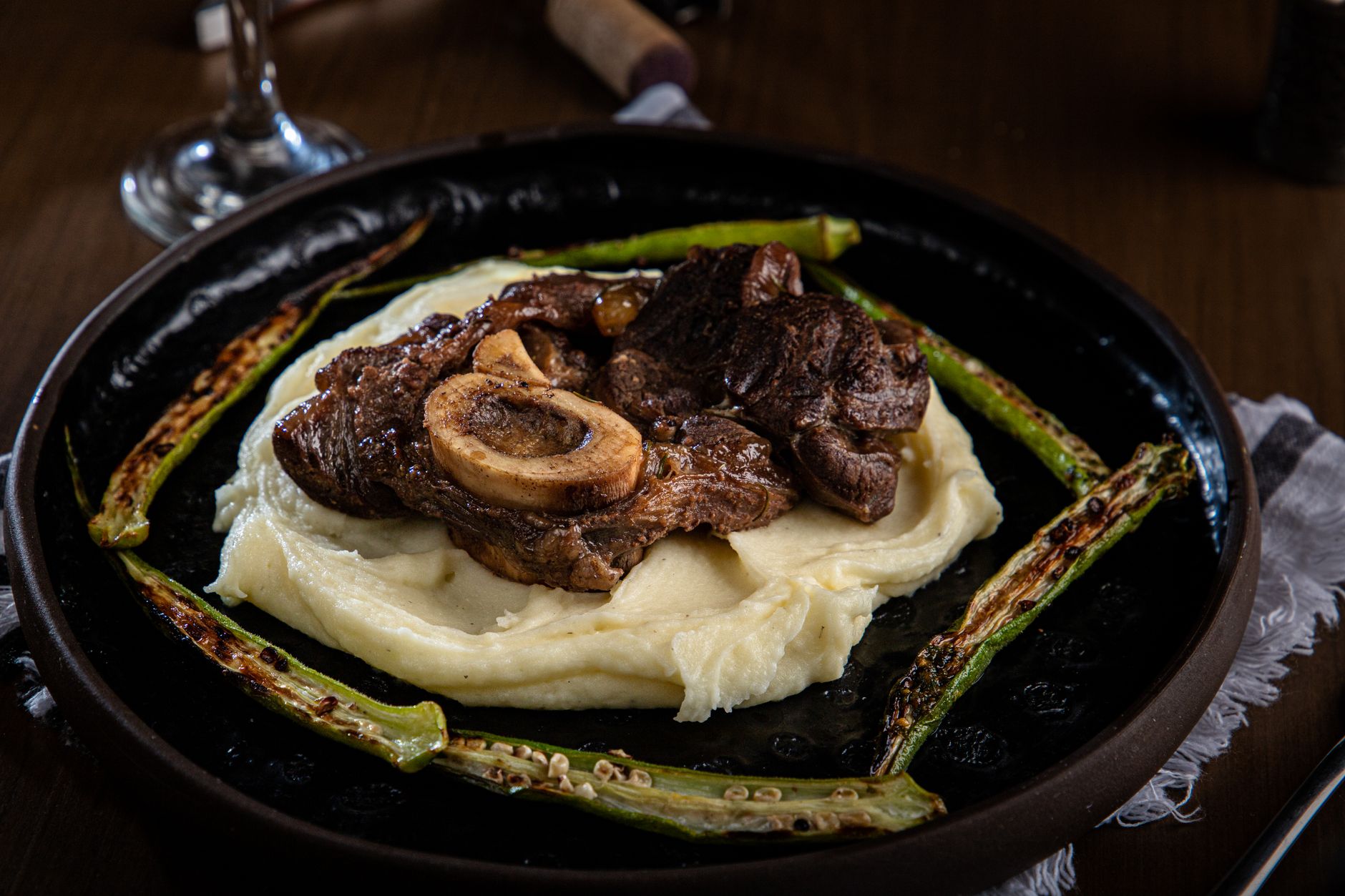
Yes, shank or femur bones from beef or lamb work well. Avoid bones with too little marrow or irregular shapes, as they may not roast evenly.
How do I reheat leftover bone marrow?
Reheat gently in a low oven (around 250°F) for 5–10 minutes, just until warmed through. Avoid overheating to prevent melting the marrow completely.
What is the texture of properly roasted bone marrow?
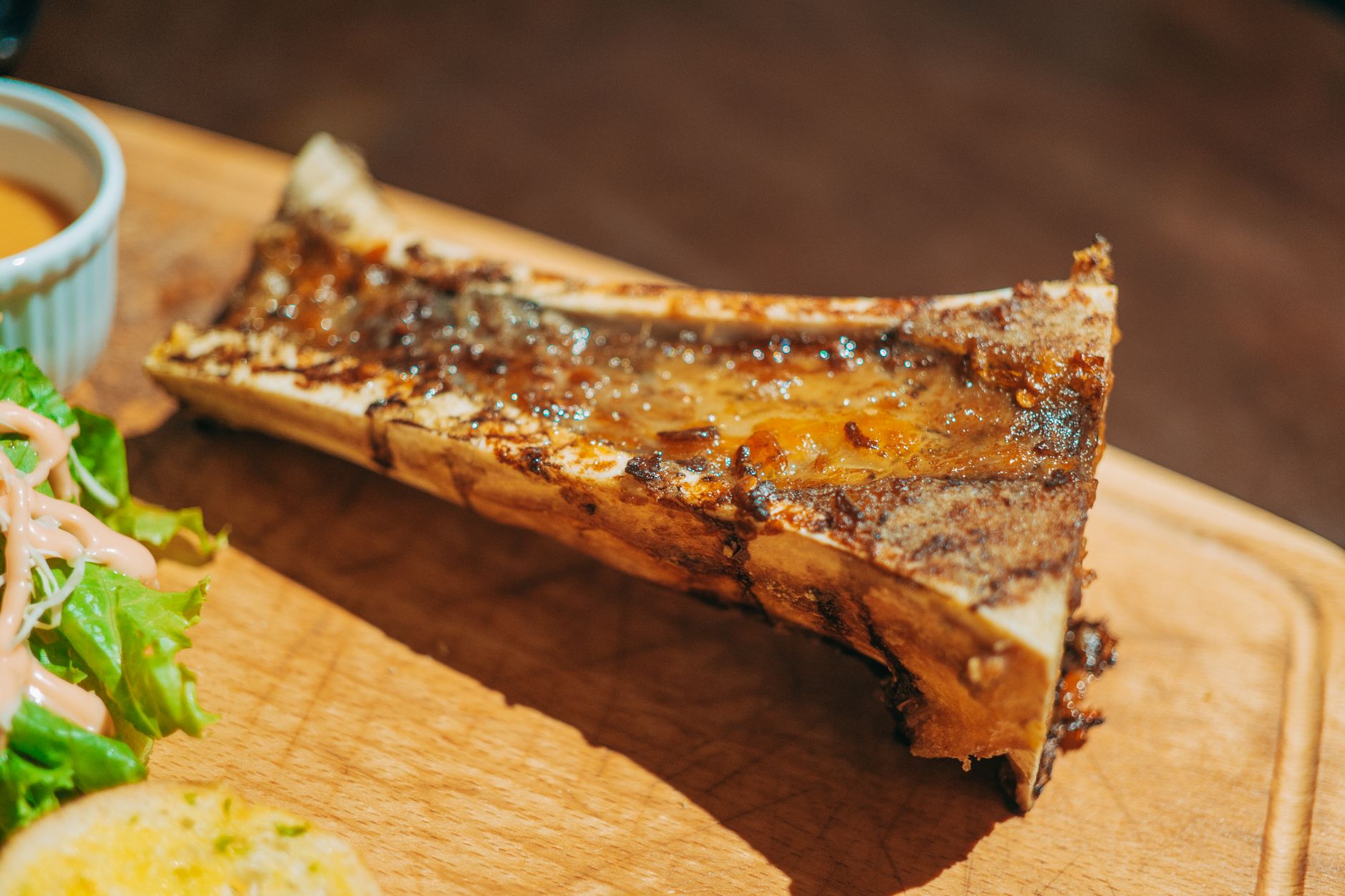
Roasted marrow should be soft, creamy, and spreadable but not melted or greasy. It should hold its shape with a slightly caramelized surface for that luscious mouthfeel.
More Recipes You Will Love
If you enjoy rich, savory dishes like roasted bone marrow, try the Meat pie gravy recipe for a hearty complement. Its depth of flavor pairs wonderfully with roasted meats and marrow dishes.
For a creamy, comforting side that bursts with flavor, the Broccoli and bacon mac and cheese is a classic twist, perfect for rounding out a rich dinner.

Conclusion
Roasted bone marrow with parsley topping is a luxurious yet surprisingly approachable dish that brings deep savory notes and fresh herbs together in harmony. This recipe highlights the creamy texture and golden finish of marrow while brightening each bite with the lively parsley topping. Try it for your next dinner to impress guests or savor a rich treat yourself. If you enjoyed this recipe or have your own tips, please share your thoughts or rate the dish below!
FAQs
When is the best time to eat Roasted Bone Marrow With Parsley Topping?
Roasted Bone Marrow With Parsley Topping is best enjoyed as an appetizer or part of a decadent dinner. It pairs well with evening meals when you want a rich, flavorful dish to impress guests or indulge yourself.
How do you choose the best bones for roasting marrow?
Choose fresh, grass-fed or pasture-raised beef marrow bones that are canoe-cut and cleaned of excess blood or meat. Freshness ensures better flavor and a healthier fat profile for roasting.
Can Roasted Bone Marrow With Parsley Topping be part of a gluten-free diet?
Yes, the dish itself is gluten-free if served without bread. The marrow and parsley topping contain no gluten, so it fits well within gluten-free dietary needs when bread is omitted.
What health benefits does bone marrow provide?
Bone marrow is rich in collagen, healthy fats, and essential minerals like iron and phosphorus. It supports joint, skin, and bone health, as well as aiding the absorption of fat-soluble vitamins.
How should you store leftover roasted bone marrow?
Leftover roasted marrow should be cooled, covered tightly, and stored in the refrigerator. Consume within 1-2 days for best flavor and safety. Reheat gently before serving again.