Why Pork Pot Roast with Root Vegetables?
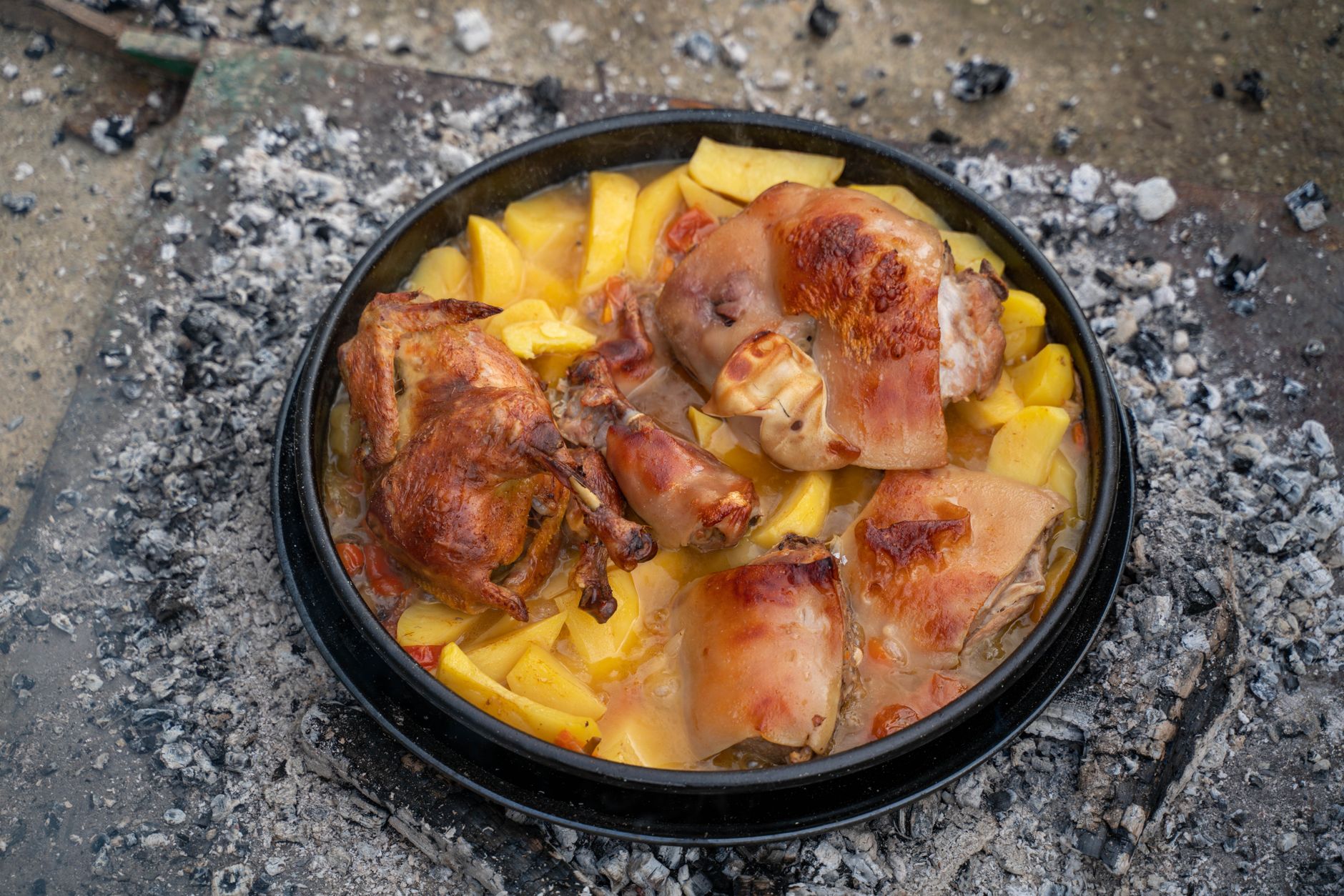
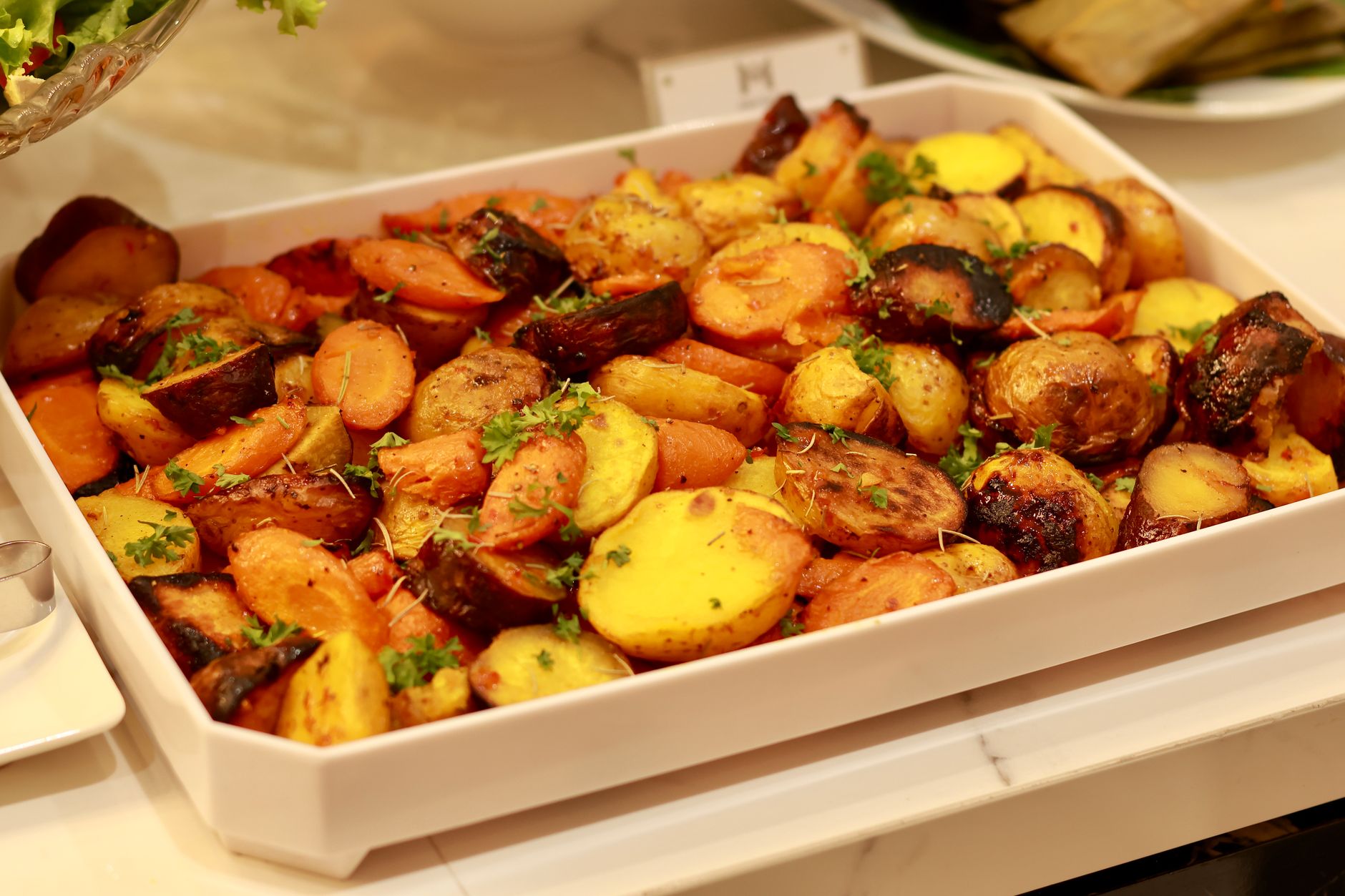
Imagine a tender, golden pork pot roast slowly braised until it melts in your mouth, surrounded by earthy root vegetables that soak up every drop of savory broth. This dish brings together rich aromas and comforting flavors that make your kitchen feel warm and inviting. Pork Pot Roast with Root Vegetables is not only satisfying but also incredibly easy to prepare, making it a perfect choice for family dinners or casual gatherings. The combination of hearty vegetables and succulent meat delivers a wholesome experience that‘s hard to beat at the dinner table.
Health Benefits & Nutrition
This pork pot roast dish offers more than just great taste. Pork shoulder provides a high-quality source of protein essential for muscle repair and immune support. Root vegetables like carrots and parsnips add dietary fiber, which helps promote digestion and maintain steady blood sugar levels, supported by research in nutrition science (Journal of Nutrition, 2020). The carrots contain beta-carotene, an antioxidant that supports eye health and immune function. Meanwhile, the inclusion of garlic contributes to cardiovascular benefits, as allicin compounds are known to help reduce blood pressure (American Heart Association). Note: Individuals sensitive to high sodium should monitor their intake since the recipe includes salt and broth.
Ingredients & Preparation
Recipe Card
| Prep Time | Cook Time | Total Time | Servings | Calories (per serving) | Diet Tags |
|---|---|---|---|---|---|
| 40 minutes | 2 hours | 2 hours 40 minutes | 6 | 519 kcal | Gluten (optional), Dairy-Free |
Ingredients
- 3-pound boneless pork shoulder roast, trimmed and at room temperature
- Kosher salt and freshly ground black pepper
- All-purpose flour, for light dusting
- 2 tablespoons olive oil
- 1/4 cup apple cider vinegar
- 5 shallots, cut into large chunks
- 4 stalks celery, chopped
- 3 large carrots, chopped
- 3 large parsnips, chopped
- 8 cloves garlic, lightly smashed
- 2 cups chicken stock
- A splash of bourbon (optional, for depth of flavor)
Equipment Needed
- Dutch oven or heavy oven-safe pot with lid
- Sharp knife and cutting board
- Measuring cups and spoons
- Tongs or spatula for browning
- Serving platter
Tips for Choosing Quality Ingredients
- Select a pork shoulder with a good balance of lean meat and fat for tenderness and flavor.
- Choose fresh, firm root vegetables without blemishes or soft spots; organic options are preferable when available.
- Use high-quality chicken stock—homemade or low-sodium store-bought—to control sodium levels and enhance natural flavors.
- Pick fresh garlic and shallots with tight skin and no sprouting to maximize aroma and taste.
Step-by-Step Instructions
Step 1: Preparing the Roast (10 minutes)
Preheat your oven to 300°F (150°C). Generously season the pork shoulder with kosher salt and freshly ground black pepper on all sides. Lightly dust the roast with all-purpose flour, shaking off any excess. This creates a subtle crust and helps thicken the braising liquid later.
Step 2: Browning the Meat (16 minutes)
Heat 2 tablespoons of olive oil in your Dutch oven over medium-high heat. When the oil shimmers, carefully add the pork roast. Sear each side for about 4 minutes until deeply browned and a golden crust forms. Use tongs to turn the meat safely. Once browned, transfer the roast to a platter.
Step 3: Preparing the Vegetables and Braise (10 minutes)
Add apple cider vinegar to the pot, scraping the bottom to deglaze and lift those flavorful browned bits. Stir in shallots, celery, carrots, parsnips, and smashed garlic cloves. Nestle the roast on top of the vegetables. Pour in the chicken stock and splash bourbon around the meat to add a rich, tangy dimension.
Step 4: Slow Cooking (2 hours)
Cover the Dutch oven with its lid and transfer it to the preheated oven. Braise for 2 hours until the pork is tender and the vegetables have absorbed the savory juices. The gentle cooking transforms the roast into a fork-tender masterpiece.
Step 5: Resting and Serving (10 minutes)
Remove the pot roast from the oven. Transfer the meat to a cutting board and let it rest for 10 minutes. Spoon the vegetables and pan juices onto a large serving platter. Slice the pork and arrange the meat over the bed of vegetables. Serve family-style to enjoy the aroma and flavors fully.

Variations & Substitutions
- Vegetable Swap: Replace parsnips or carrots with turnips, rutabagas, or sweet potatoes for a twist on the earthy flavors.
- Liquid Alternatives: Substitute chicken stock with vegetable or beef broth. For a lighter flavor, use white wine mixed with water as the braising liquid.
- Flavor Boost: Add fresh herbs such as rosemary, thyme, or bay leaves during cooking for aromatic depth. Alternatively, swap apple cider vinegar with balsamic vinegar for a tangier finish.
- Bourbon-Free: Omit the bourbon for a family-friendly version or replace with apple juice for a subtle fruity note.
Storage & Shelf Life
After cooking, allow your pork pot roast to cool to room temperature, then store leftovers in an airtight container. Refrigerate for up to 4 days to maintain freshness and safety. For longer storage, freeze portions in freezer-safe containers or heavy-duty bags for up to 3 months. Thaw overnight in the refrigerator before reheating gently on the stovetop or in the oven.
Check for spoilage by looking for off smells, discoloration, or slimy textures in the meat or vegetables. When in doubt, always discard to avoid risk.
Pro Tips
- Browning the Meat: Take your time searing each side of the pork to develop a rich Maillard crust. This adds layers of flavor beyond seasoning alone.
- Deglazing: Use vinegar to deglaze the pot after browning. It lifts savory bits stuck to the pan and balances the richness of the pork with tang.
- Vegetable Placement: Placing vegetables underneath the roast infuses them with pork juices and helps them cook evenly without over-softening.
- Resting the Meat: Rest the pork after braising to allow juices to redistribute, ensuring each slice stays moist and tender.
- Flavor Layering: Adding a splash of bourbon or apple cider vinegar enriches the broth’s complexity and adds a subtle sweetness that complements root vegetables beautifully.
When is the best time to eat Pork Pot Roast with Root Vegetables?
This comforting dish shines best in cooler months or when you want a warming, hearty meal. Serve it for weekend dinners, holiday celebrations, or anytime you crave a cozy, filling plate with minimal fuss.
Can I prepare pork pot roast ahead of time?
Yes, you can make the pot roast a day ahead. Store it refrigerated and reheat gently before serving. Flavors often deepen overnight, making the second day even better.
Is this recipe gluten-free?
To make it gluten-free, simply replace all-purpose flour with a gluten-free alternative or omit it entirely. The dish remains flavorful and tender without the flour dusting.
What cuts of pork can I use instead of shoulder?
While pork shoulder is ideal for braising due to its marbling, you can use pork butt or pork leg, but expect slightly different textures. Shoulder yields the richest and most tender results.
Can I cook this recipe in a slow cooker?
Yes, after browning the meat and preparing vegetables, transfer everything to a slow cooker. Cook on low for 6-7 hours or high for 3-4 hours until fork-tender.
How do I thicken the braising liquid for gravy?
Remove the roast and vegetables, then simmer the remaining liquid on the stovetop. Whisk in a slurry of flour or cornstarch with water until desired thickness is reached.
Can I add other root vegetables?
Absolutely! Beets, sweet potatoes, or even rutabagas work well. Just adjust cooking times accordingly to prevent overcooking softer vegetables.
Is the bourbon necessary?
Bourbon adds smoky sweetness but is optional. Skip it or replace with apple juice if you prefer a non-alcoholic version without compromising depth of flavor.

More Recipes You Will Love
If you enjoy hearty, meat-forward dishes, check out our Smoked kielbasa burnt ends 22066826 for a smoky and savory twist on sausage. For a lighter but flavorful sauce to pair with pasta or roasted dishes, our Spaghetti sauce for diabetics offers a robust tomato-based option with balanced seasoning. Both recipes complement the warmth and depth of a pork pot roast beautifully.
Conclusion
Pork Pot Roast with Root Vegetables delivers a rich mosaic of flavors and textures perfect for a comforting dinner. The tender pork paired with caramelized vegetables creates an inviting meal that’s easy to prepare and satisfying for any occasion. Give the recipe a try, then share your thoughts or variations in the comments below — your kitchen story matters!
FAQs
When is the best time to eat Pork Pot Roast With Root Vegetables?
Pork Pot Roast With Root Vegetables is ideal for cozy family dinners, especially during cooler months when warm, hearty meals are comforting. It also works well for weekend gatherings or special occasions when you want to impress with a classic, flavorful dish.
Can I prepare Pork Pot Roast With Root Vegetables ahead of time?
Yes, this dish can be prepared a day ahead. Cooking it in advance allows the flavors to meld even more deeply. Simply reheat gently before serving, and the pork will remain tender and the vegetables flavorful.
What types of root vegetables work best in this recipe?
Carrots, parsnips, and celery are traditional and complement pork wonderfully by adding sweetness and earthiness. You can also add turnips, potatoes, or rutabagas for variation while maintaining the dish’s classic profile.
Is Pork Pot Roast With Root Vegetables suitable for a gluten-free diet?
The recipe can be made gluten-free by omitting or substituting the all-purpose flour used for dusting the pork with a gluten-free alternative. Ensure that your chicken stock and other ingredients are gluten-free as well.
How can I enhance the flavor of my Pork Pot Roast With Root Vegetables?
Adding a splash of bourbon or apple cider vinegar during braising boosts depth and complexity. Also, browning the pork well before slow cooking develops a rich, caramelized crust that intensifies the overall flavor.