Why Potato And Cheese Gratin Recipe0 Works
The top turns golden and bubbly while the tomatoes soften into a tangy, buttery layer beneath the cheese. It smells wonderfully savory as it bakes.
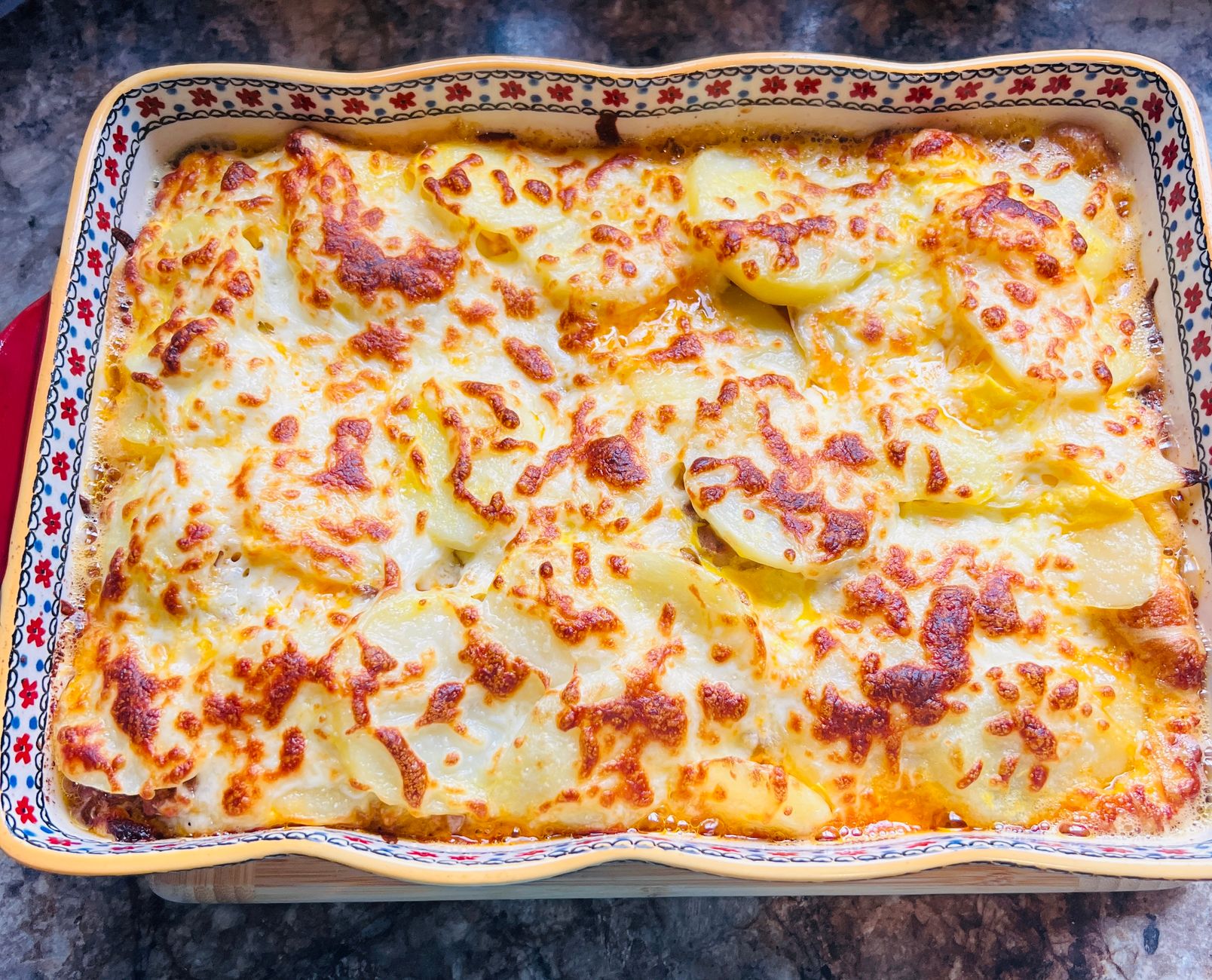
Potato And Cheese Gratin Recipe0 is a simple vegetarian casserole made with tender russet potatoes, ripe tomatoes, butter, Parmesan, mozzarella, and parsley. The potatoes are briefly parboiled before baking, so the finished dish is soft in the center, lightly crisp around the edges, and covered with melted cheese. It makes four generous servings and works well as a meat-free main course or a side dish.
I like this version because it does not rely on a cream sauce. The tomatoes add moisture and brightness, while Parmesan gives the potatoes a salty, nutty crust. A shallow casserole dish helps the cheese brown instead of steaming.
Health Benefits & Nutrition
This gratin is comforting and filling, with useful nutrients from both the vegetables and dairy ingredients. It is still a rich dish because it includes butter and two cheeses, so serving size matters.
- Potatoes provide satisfying carbohydrates. Russet potatoes supply energy and some dietary fiber, especially when the skins are left on. Peeling them gives the gratin a smoother texture, but you can leave the skins on if they are scrubbed well.
- Tomatoes add brightness and nutrients. Fresh tomatoes contribute water, fiber, potassium, and vitamin C. Their acidity also balances the richness of the butter and cheese.
- Cheese contributes protein and calcium. Parmesan and mozzarella make the dish more substantial and help it serve as a vegetarian main course. They also add considerable sodium and saturated fat.
- Parsley adds freshness. Fresh parsley brings a mild herbal flavor and a small amount of vitamins without making the dish heavy.
Nutrition will vary with the size of the potatoes, the type of mozzarella, and how much salt you use. One serving is approximately 570 calories, with about 26 grams of protein, 51 grams of carbohydrates, and 31 grams of fat.
This recipe contains milk and may not suit people with dairy allergies or lactose sensitivity. Anyone managing a medical condition or following a medically restricted diet should check ingredient choices and portions with a qualified doctor or dietitian.
Ingredients & Preparation
Recipe Card
| Prep time | 20 minutes |
|---|---|
| Cook time | 40 minutes |
| Total time | 60 minutes |
| Servings | 4 servings |
| Calories | Approximately 570 per serving |
| Diet tags | Vegetarian, ovo-lacto vegetarian |
Full Ingredient List
- 2 pounds russet potatoes
- 4 tablespoons unsalted butter, melted, divided
- 1/2 cup freshly grated Parmesan cheese, divided
- 1 1/2 pounds vine-ripened tomatoes, sliced about 1/4 inch thick
- 1/2 cup fresh parsley, finely chopped, divided
- 8 ounces mozzarella cheese, grated
- 1 teaspoon fine salt, plus more for the cooking water
- 1/2 teaspoon freshly ground black pepper
Equipment Needed
- Large pot for parboiling the potatoes
- Colander
- Sharp chef’s knife and cutting board
- Shallow 2-quart casserole dish
- Small bowl for mixing the butter and parsley
- Oven mitts and a serving spoon
Tips for Choosing Quality Ingredients
Choose firm russet potatoes without green patches, deep bruises, or soft spots. Russets become fluffy after parboiling and absorb the butter well. I prefer tomatoes that are ripe but still firm enough to slice cleanly. Very soft tomatoes release too much liquid and can make the bottom watery.
Freshly grated Parmesan melts and browns more evenly than pre-shredded cheese. For mozzarella, a low-moisture block produces a stretchier topping and fewer puddles of liquid. Flat-leaf parsley has a stronger flavor than curly parsley, though either variety works.
Step-by-Step Instructions
1. Parboil the potatoes and heat the oven
Place the potatoes in a large pot and cover them with cold water by about 1 inch. Add a generous pinch of salt, bring the water to a boil over high heat, and cook for 15 minutes. At the same time, preheat the oven to 350°F. Drain the potatoes, let them cool for 5 minutes, peel them if desired, and cut them into thick slices.
2. Butter the casserole and arrange the potatoes
Brush the bottom and sides of a shallow 2-quart casserole dish with 1 tablespoon of the melted butter. Arrange the potato slices in overlapping rows, then season them with 1/2 teaspoon salt and 1/4 teaspoon black pepper. Sprinkle 1/4 cup of Parmesan over the potatoes.
3. Add the tomatoes and mozzarella
Arrange the tomato slices in one layer over the potatoes. Season them with the remaining 1/2 teaspoon salt and 1/4 teaspoon black pepper. Scatter 1/4 cup of chopped parsley over the tomatoes, then cover the layer with all 8 ounces of grated mozzarella.
4. Finish the topping and bake
Stir the remaining 3 tablespoons of melted butter with the remaining 1/4 cup parsley. Spoon the mixture over the mozzarella, then sprinkle the remaining 1/4 cup Parmesan on top. Bake at 350°F for 25 minutes, until the cheese is fully melted and the edges are actively bubbling.
5. Rest and serve
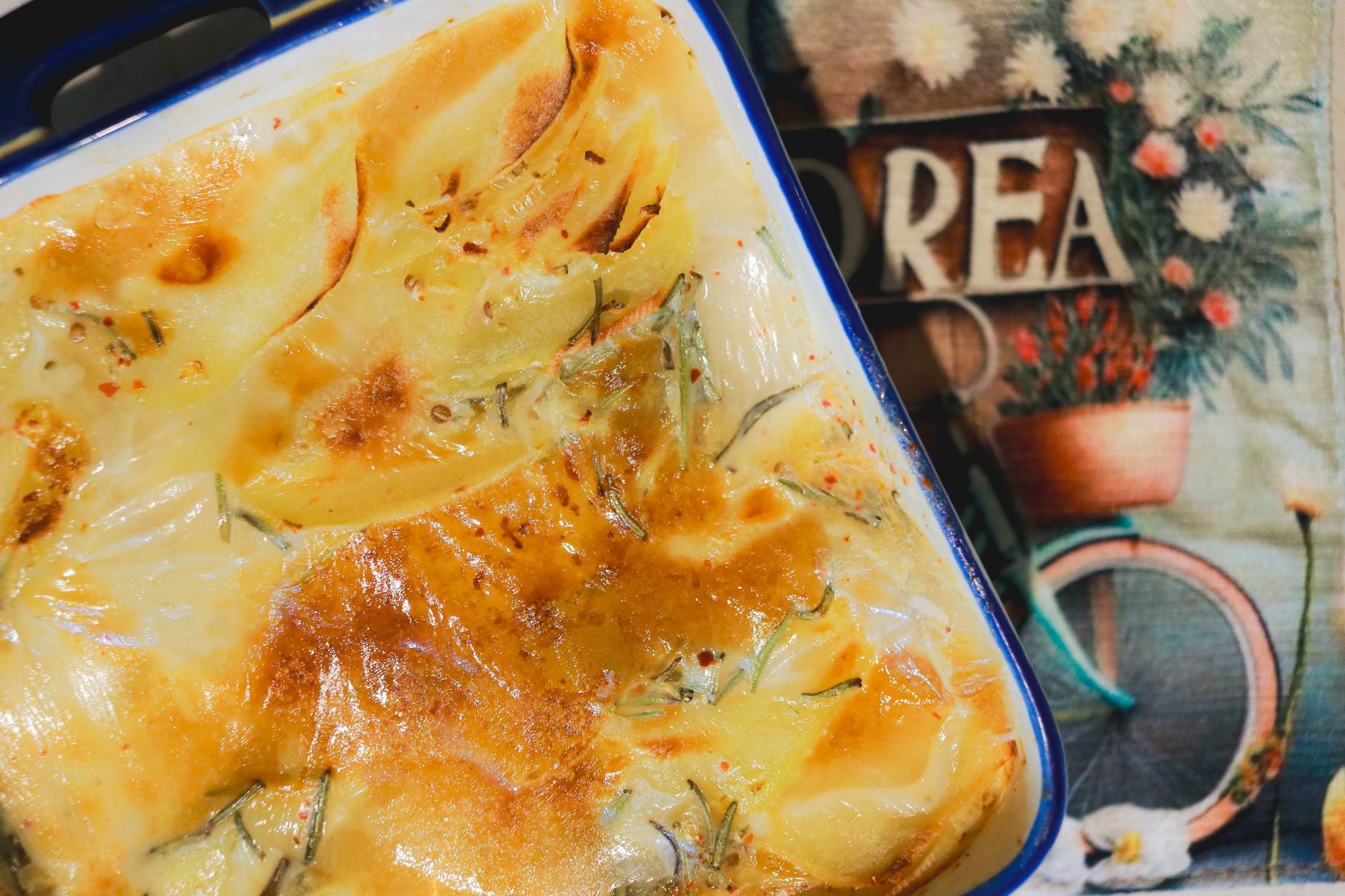
Remove the dish from the oven and rest it for 5 minutes before serving. The gratin is ready when the top is golden in spots, the tomatoes look softened, and a knife slides easily through the potato layers. The first time I made it, I served it immediately and the tomato juices ran across the plate; the short rest helps the layers settle.
Keep the tomato slices fairly even so every serving gets a similar balance of potato, cheese, and herbs. When the gratin is done, you should hear a gentle sizzle around the edges rather than a loud, watery boil.
Variations & Substitutions
- Use sweet potatoes: Replace up to 1 pound of the russets with peeled sweet potatoes. Their softer texture and sweetness pair well with Parmesan, but slice them slightly thicker because they cook more quickly.
- Try a different melting cheese: Replace the 8 ounces of mozzarella with 8 ounces of grated Gruyère, provolone, or mild cheddar. A sharper cheese will make the dish saltier, so reduce the added salt by about 1/4 teaspoon.
- Add garlic: Rub the baking dish with one halved garlic clove before adding the butter. You can also add 1 finely minced garlic clove to the parsley-butter mixture.
- Use dried herbs: Substitute 2 tablespoons of fresh parsley with 2 teaspoons dried parsley. Add 1/2 teaspoon dried thyme for a more woodsy flavor.
- Add greens: Layer 2 cups of squeezed, cooked spinach between the potatoes and tomatoes. Press out excess water thoroughly so the gratin does not become loose.
- Make it dairy-free: Use plant-based butter and dairy-free mozzarella-style shreds. The browning and melting will vary by brand, so check the topping after 20 minutes.
I tried adding thick slices of zucchini in an early version, but they released too much water alongside the tomatoes. If you use zucchini, salt the slices lightly, wait 10 minutes, pat them dry, and reduce the tomato amount by about 1/2 pound.
Storage & Shelf Life
Cool leftover gratin within 2 hours, then cover it tightly or transfer it to an airtight container. Store it in the refrigerator for up to 3 days. Reheat individual portions in a 350°F oven for 15 to 20 minutes, or microwave them in short intervals until hot throughout.
For best results, freeze the gratin after baking and cooling. Wrap the casserole tightly in plastic wrap and foil, or portion it into freezer-safe containers. Freeze for up to 2 months. Thaw overnight in the refrigerator, then reheat covered at 350°F until hot; uncover it for the final 10 minutes to refresh the top.
Freezing can make the tomatoes slightly softer and more watery, but the flavor remains good. Discard leftovers if they develop a sour or unpleasant smell, slimy surfaces, visible mold, or unusual discoloration. Do not taste food to determine whether it has spoiled.
Pro Tips for Better Texture and Flavor
- Start the potatoes in cold water. This lets the centers warm gradually, so the slices cook more evenly instead of becoming soft outside and firm inside.
- Do not over-parboil. The potatoes should be barely tender. A knife should enter with some resistance because they continue cooking in the oven.
- Slice tomatoes with a serrated knife. It keeps the skin from pulling and reduces crushed tomato flesh. Pat especially juicy slices with a paper towel before layering.
- Use a shallow dish. A deep casserole traps steam. A shallow dish exposes more cheese to the heat and encourages golden patches.
- Season each layer lightly. Salting only the top makes the center taste flat, while heavy seasoning can become too salty once the Parmesan and mozzarella melt together.
- Grate cheese from a block. Freshly grated cheese melts into a smoother layer. Pre-shredded cheese may contain anti-caking ingredients that affect the texture.
- Let the dish rest. Five minutes is enough for the butter and tomato juices to settle while the cheese remains pleasantly stretchy.
If you are planning a wider vegetarian spread, the fresh vegetables and herbs in Vegetarian japchae provide a nice contrast to this rich, baked dish.
Questions & Answers
When is the best time to eat Potato And Cheese Gratin Recipe0?
The best time to eat Potato And Cheese Gratin Recipe0 is immediately after its 5-minute resting period. The cheese stays soft, the potatoes are hot, and the tomato juices have had time to settle. It is especially suited to lunch or dinner, served as a vegetarian main course with salad or as a side dish.
Can I prepare the gratin ahead of time?
Yes, you can assemble the gratin up to 8 hours ahead and refrigerate it covered. Let the dish stand at room temperature for 20 minutes while the oven heats, then bake at 350°F. Because the ingredients start cold, it may need an additional 5 to 10 minutes in the oven.
Why is my potato gratin watery?
Watery gratin usually comes from juicy tomatoes, a deep baking dish, or undercooked moisture evaporation. Pat tomato slices dry, use a shallow casserole, and avoid covering the dish while it bakes. Also check that the potatoes are drained thoroughly before slicing and layering.
Can I use pre-cooked potatoes?
Yes, leftover boiled potatoes can be used, provided they are firm and fully chilled. Slice them about 1/2 inch thick and reduce the oven time to about 20 minutes. The dish is ready when the cheese is browned and the center is hot rather than when the potatoes become tender.
What cheese melts best in this recipe?
Low-moisture mozzarella melts best for a stretchy topping, while Parmesan supplies salty flavor and browning. Gruyère, provolone, or mild cheddar can replace the mozzarella in the same 8-ounce quantity. Avoid very wet fresh mozzarella unless it is drained and patted dry first.
How do I make the top more golden?
Use freshly grated Parmesan, keep the casserole uncovered, and place it on the middle oven rack at 350°F. For a darker finish, move the dish under the broiler for 1 to 2 minutes at the end, watching constantly because the cheese can burn quickly.
What should I serve with potato and cheese gratin?
Serve it with a crisp green salad, steamed green beans, roasted broccoli, or lightly dressed vegetables. A sharp vinaigrette helps balance the buttery cheese. For another small vegetarian option, pair it with Spinach and goat cheese crostini 5299841, keeping the portions modest because both dishes contain cheese.
More Recipes You Will Love
If you enjoy vegetable dishes with contrasting textures, Vegetarian japchae makes a colorful companion. Its chewy noodles and crisp vegetables bring a lighter, savory balance to the creamy baked potatoes.
For a party-friendly option, try Spinach and goat cheese crostini 5299841. The toasted bread and tangy goat cheese offer a different texture from the soft potato layers, making the two recipes useful for a vegetarian buffet.
You could also serve this gratin with roasted seasonal vegetables and a simple lemony salad. The fresh acidity keeps the meal from feeling too heavy.
Conclusion
This Potato And Cheese Gratin Recipe0 turns everyday potatoes, tomatoes, and cheese into a warm vegetarian bake with tender layers and a golden, bubbling top. Parboiling the potatoes keeps the center fluffy, while a shallow dish helps the topping brown properly. Give the finished gratin five minutes to rest before serving. If you make it, consider leaving a rating or comment with your favorite cheese variation, and share the recipe with someone who enjoys comforting meat-free meals.
FAQs
When is the best time to eat Potato And Cheese Gratin Recipe0?
The best time to eat Potato And Cheese Gratin Recipe0 is fresh from the oven, after it has rested for about 10 minutes and the cheese has set. It works well for a weeknight vegetarian dinner or as a side dish for a family meal. Serve it warm, because the cheese firms up as it cools.
Can I make Potato And Cheese Gratin Recipe0 ahead of time?
Yes, you can assemble Potato And Cheese Gratin Recipe0 a few hours ahead, cover the dish, and refrigerate it before baking. If it goes into the oven cold, add about 10 minutes to the bake time and check that the center is hot and the potatoes are tender. Baked leftovers can be refrigerated in an airtight container.
How do I store and reheat leftover potato gratin?
Store leftover potato gratin in an airtight container in the refrigerator within two hours of baking, and eat it within three to four days. Reheat portions in a 350°F oven, covered with foil, until hot throughout. This method helps the potatoes stay tender and keeps the cheese from drying out. A microwave works for a quicker meal.
Can I use different cheeses in a potato gratin recipe?
Yes, you can replace the mozzarella with melting cheeses such as Gruyère, cheddar, or Fontina while keeping Parmesan for the golden crust. Choose cheeses that melt smoothly and have good flavor, since mild mozzarella adds stretch but less taste. Dairy-free or low-fat cheeses often melt unevenly and may brown differently.
Why are the potatoes still firm in the middle of a gratin?
Firm potatoes in the center usually mean the slices were too thick or were not parboiled long enough. Cover the dish with foil and bake a little longer, checking that a knife slides easily into the middle. Slicing the potatoes evenly and parboiling them until just tender before layering helps prevent this problem.