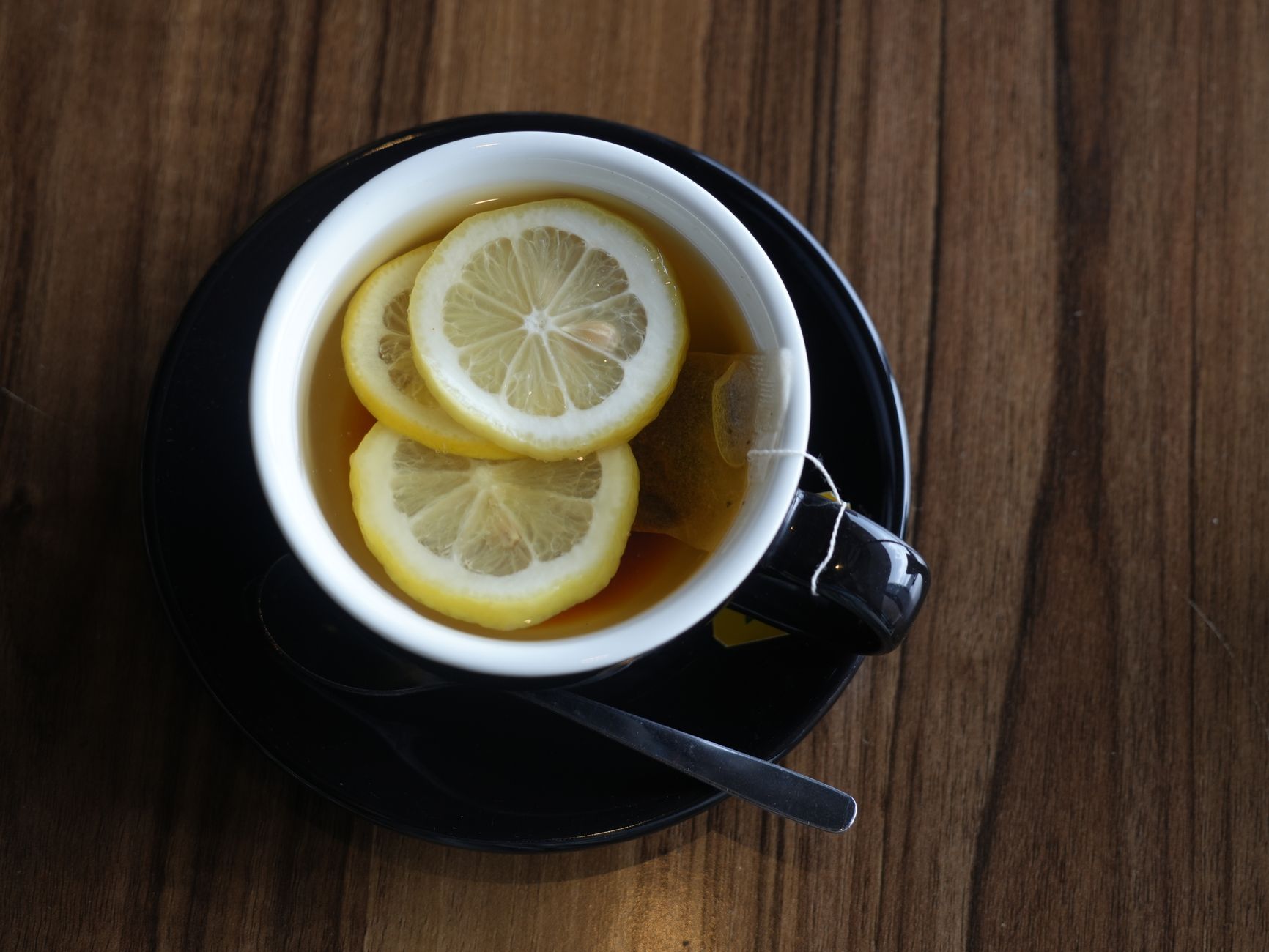
Why Mint And Lemon Tea Recipe?
A saucepan of mint and lemon tea fills the kitchen with a cool, citrusy aroma before you take the first sip.
Mint And Lemon Tea Recipe combines fresh mint leaves, yellow lemon peel, and hot water for a simple herbal drink. The lemon peel adds bright citrus fragrance, while mint gives the tea a clean, cooling finish. It takes about 20 minutes from start to serving and can be enjoyed hot, with sugar offered separately if desired.
This is a gentle, uncomplicated drink for quiet mornings, light meals, or an easy after-dinner cup. The method is short, but small details matter. Removing only the yellow outer peel keeps the flavor fragrant instead of harsh, and a brief boil protects the mint from becoming muddy or bitter.
Health Benefits & Nutrition
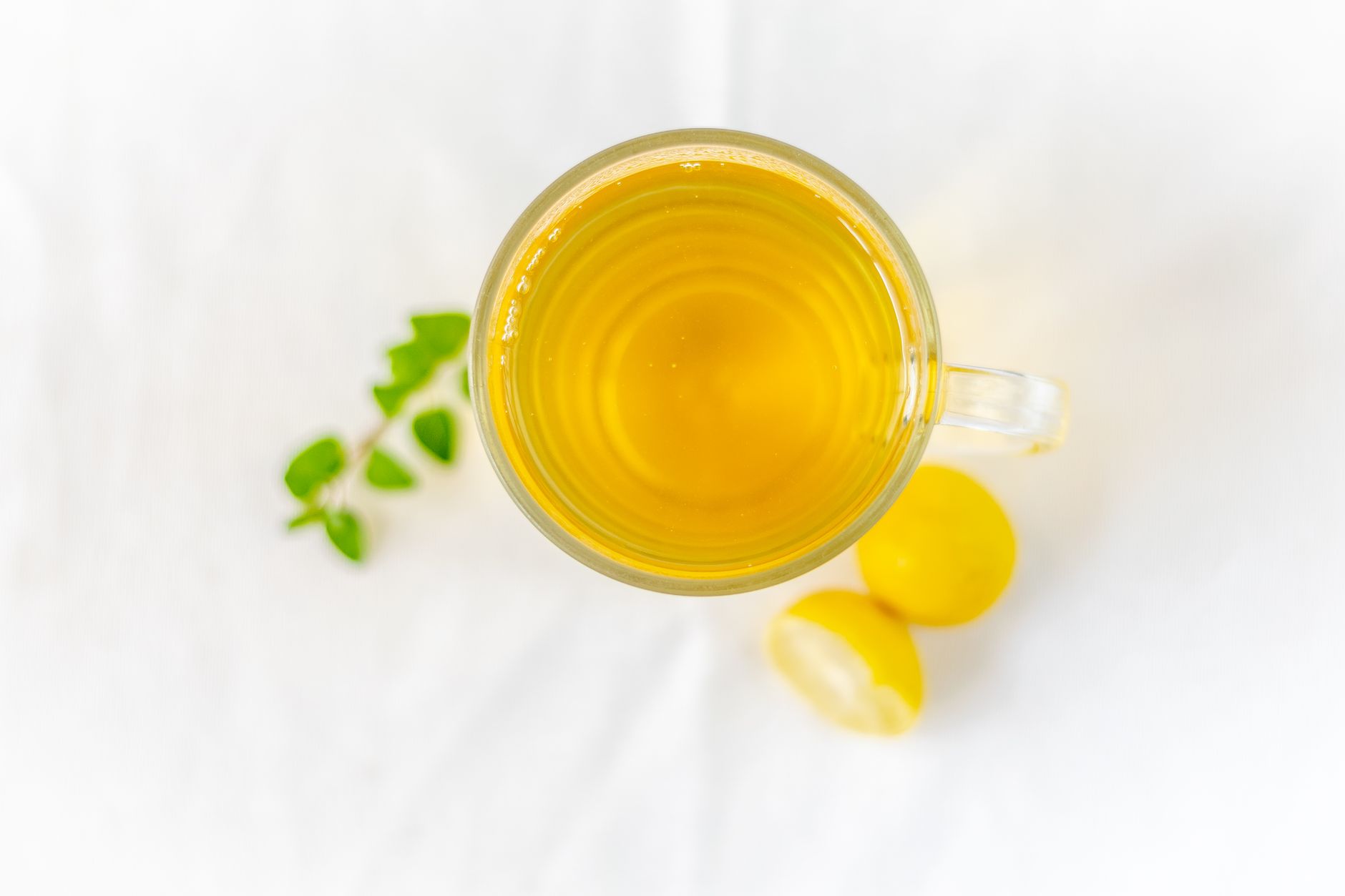
This tea is naturally light because it contains water, lemon peel, and fresh mint without added sugar. The following benefits describe the ingredients generally, not a medical treatment or cure.
- Very low in calories: Unsweetened tea contains only a small amount of energy. Adding sugar or honey increases the calorie content.
- Refreshing hydration: The main ingredient is water, so a warm cup contributes to your daily fluid intake.
- Bright citrus aroma: Lemon peel provides fragrant citrus oils that make the drink taste lively without needing a large amount of sweetener.
- Fresh mint flavor: Mint contributes a cooling, clean finish that can make plain hot water more appealing.
For an approximate serving, this recipe provides about 5–10 calories when served unsweetened. The exact amount varies with how much lemon peel and mint end up in each cup. Sugar, honey, or another sweetener should be counted separately.
If you are pregnant, managing a medical condition, taking medication, or have a known allergy to mint or citrus, ask your doctor or dietitian whether this drink suits your needs. Anyone with reflux may also prefer to start with a small serving, since mint and citrus can bother some people.
Ingredients & Preparation
Recipe Card
| Prep time | 10 minutes |
|---|---|
| Cook time | 10 minutes |
| Total time | 20 minutes |
| Servings | 4 to 6 cups |
| Calories | Approximately 5–10 per unsweetened serving |
| Diet tags | Vegetarian, vegan, dairy-free, gluten-free, caffeine-free |
Full Ingredient List
- 1 1/2 quarts water
- 1 lemon
- 1 small bunch fresh mint, leaves only
- Granulated sugar, optional, for serving
The listed water makes about 6 cups before a small amount is lost during boiling and straining. For four larger mugs, pour more generously. For six smaller teacups, the quantity works well.
Equipment Needed
- Medium saucepan
- Vegetable peeler or sharp paring knife
- Fine-mesh strainer
- Heatproof teapot or serving jug
- Four to six heatproof cups
- Small spoon for stirring
Tips for Choosing Quality Ingredients
Choose a lemon with firm, smooth skin and a fresh citrus scent. Since the peel goes directly into the water, wash it well under running water and dry it before peeling. Organic produce is not required, but a clean, unwaxed-feeling surface is convenient for this preparation.
Look for mint with vivid green leaves and crisp stems. Avoid bunches with black spots, slimy leaves, or a wilted appearance. Spearmint works especially well because its flavor is cool and sweet rather than strongly mentholated.
Do not replace fresh mint with dried mint at the same quantity. Dried mint is more concentrated and can leave floating flakes and a dusty flavor. Fresh leaves are the better choice for this clear, fragrant tea.
Step-by-Step Instructions
1. Wash and prepare the ingredients
Set out the saucepan, strainer, and serving cups. Rinse the lemon and mint under cool running water. Pat the mint dry, then remove the leaves from the stems. You need one small bunch of leaves, roughly enough to fill a loose cup.
Use a peeler or paring knife to remove only the thin yellow layer from the lemon. Avoid the thick white pith underneath. The first time I made this tea, I peeled too deeply and noticed a sharper, more bitter finish. Keeping the strips thin makes a clear difference.
2. Bring the water to a boil
Pour 1 1/2 quarts of water into a medium saucepan. Set the pan over medium-high heat and bring the water to a full boil, about 8–10 minutes depending on the pan and stovetop.
Look for large bubbles rising continuously across the surface. A few tiny bubbles around the edges are not enough. Use a medium saucepan rather than a small one so the water does not foam over when the mint is added.
3. Add the lemon peel and mint
Carefully add the yellow lemon peel and fresh mint leaves to the boiling water. Stir once with a heatproof spoon. The mint should turn a deeper green within seconds, and the water will begin to smell cool and citrusy.
Keep the heat at medium-high so the liquid continues to bubble gently. Do not crush the mint aggressively. Pressing or tearing the leaves releases more plant material and can make the finished tea taste grassy.
4. Boil for exactly 1 minute
Let the lemon peel and mint boil for 1 minute. Start timing as soon as the water returns to a gentle boil. The aroma should be fresh and noticeable, but not sharp or cooked.
I found that longer boiling does not improve this tea. After several minutes, the mint loses its bright character and the lemon can become more bitter. A short, controlled boil gives the cleanest flavor.
5. Strain and serve hot
Place a fine-mesh strainer over a heatproof teapot or serving jug. Pour the tea through the strainer, removing all mint leaves and lemon peel. Divide among four to six heatproof cups and serve immediately.
Offer sugar separately so each person can sweeten the drink to taste. The tea should look pale yellow to light green and smell strongly of fresh mint. If the aroma is faint, let the strained tea stand for 1 minute before serving rather than boiling it again.
Variations & Substitutions
Honey-sweetened mint tea
Add 1 to 2 teaspoons of honey per cup after straining. Stir while the tea is hot, but let it cool slightly before drinking. Honey softens the citrus edge and works well when the tea is served as an evening drink. Do not add honey to the saucepan if you want guests to choose their own sweetness.
Ginger, mint, and lemon tea
Add 4–6 thin slices of fresh ginger with the lemon peel. Boil the ginger for 3 minutes before adding the mint, then continue with the 1-minute mint step. Ginger gives the tea a warm, spicy note, but it can overpower the mint if you use more than about 1 inch of root.
Orange and mint tea
Replace half of the lemon peel with 3–4 strips of orange zest. Keep the total amount of citrus peel close to the original recipe. Orange creates a sweeter aroma, while lemon keeps the drink sharper. Avoid adding a large amount of white pith from either fruit.
Iced mint and lemon tea
Prepare the tea with the same 1 1/2 quarts of water, then strain it and cool it at room temperature for 20–30 minutes. Refrigerate for at least 2 hours and pour over ice. Add lemon slices only when serving, because leaving slices in the tea too long can make it taste bitter.
Lightly sweetened party batch
For a sweeter serving, stir 1/4 cup sugar into the hot, strained tea. Taste before adding more. I prefer keeping the base unsweetened because the lemon and mint are more noticeable, and guests can adjust individual cups.
For a fresh vegetarian spread, serve the warm tea alongside an Arugula watermelon and feta salad recipe. The crisp greens, juicy fruit, and cooling drink make a pleasant light combination.
Storage & Shelf Life
Cool leftover tea promptly and transfer it to a covered glass pitcher or jar. Refrigerate it within 2 hours of cooking and use it within 3 days. Remove the mint and lemon peel before storage, since both can become bitter as they sit in the liquid.
Serve chilled over ice, or reheat gently in a saucepan over low heat. Avoid boiling the stored tea again. Repeated boiling dulls the mint aroma and can concentrate bitter citrus flavors.
This drink can be frozen, although the fresh flavor is best after refrigeration. Pour the cooled tea into ice cube trays, freeze until solid, and store the cubes in a freezer-safe bag for up to 1 month. Add the cubes to water or iced tea rather than thawing and refreezing a full pitcher.
Discard the tea if it develops a sour or fermented smell, unusual cloudiness, bubbles, mold, or a slimy texture. When in doubt, throw it away. Do not taste a drink that shows visible spoilage.
Pro Tips
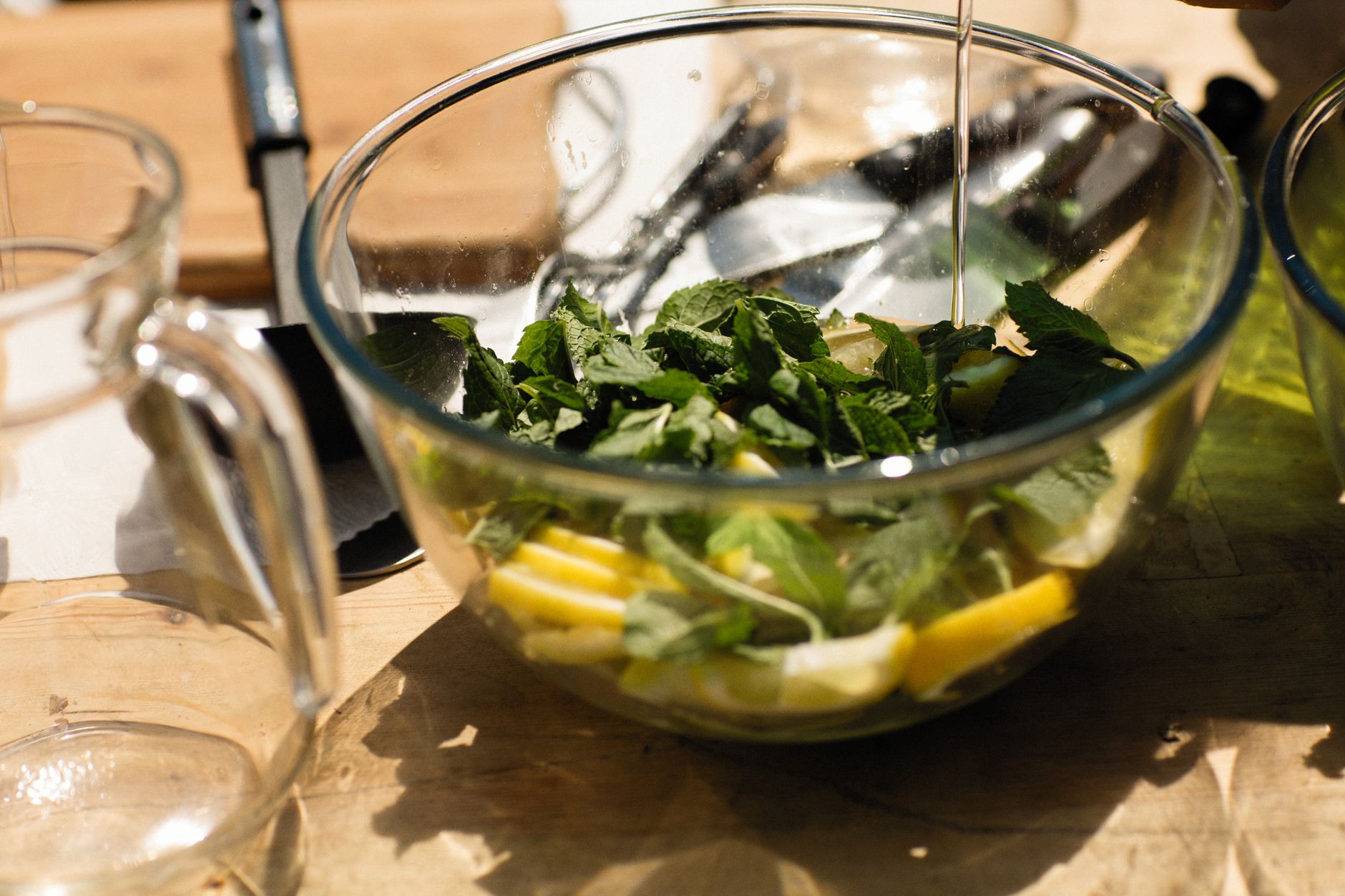
- Peel lightly: Aim for thin yellow strips rather than wide pieces. The fragrant outer zest gives a brighter result, while excess pith adds bitterness.
- Use the leaves only: Mint stems are edible, but they can add a more vegetal taste. Removing them also makes straining easier.
- Do not bruise the mint: A single stir is enough. Crushing the leaves releases chlorophyll and may make the drink look dull green.
- Control the boil: A lively boil for exactly 1 minute extracts plenty of flavor. Long simmering makes the tea darker and less fresh.
- Warm the cups: Rinse the cups with hot water before serving, then empty them. This helps the tea stay warm without changing the recipe.
- Strain carefully: Use a fine-mesh strainer if you want a clear drink. A coarse colander allows small mint fragments to pass through.
- Balance sweetness after straining: Taste one cup before sweetening the whole batch. Lemon intensity varies from fruit to fruit, so the right amount of sugar is not always the same.
- Prevent citrus staining: Rinse the saucepan and strainer soon after use. Lemon peel oils and green mint residue are easier to remove before they dry.
Questions & Answers
When is the best time to drink Mint And Lemon Tea Recipe?
The best time is whenever you want a warm, caffeine-free drink, such as with breakfast, after a light meal, or in the evening. Serve it immediately for the brightest aroma. If mint or citrus tends to bother your digestion, choose a small serving and ask a healthcare professional for personal guidance.
Can I use bottled lemon juice instead of lemon peel?
No, bottled lemon juice is not a direct replacement for lemon peel in this recipe. The peel provides aromatic citrus oils, while juice mainly adds acidity. If necessary, use 1–2 teaspoons of bottled lemon juice after straining, but the finished tea will taste sharper and less fragrant.
Can I make this tea with dried mint?
Yes, but use much less dried mint and strain it carefully. Start with 1 tablespoon dried mint for 1 1/2 quarts of water, then adjust the next batch if needed. Dried mint produces a darker, more herbal drink and may leave sediment, so fresh leaves are preferable.
Why does my mint tea taste bitter?
Bitterness usually comes from boiling too long, using too much white lemon pith, or leaving the peel and mint in the hot liquid after cooking. Keep the boil to 1 minute, peel only the yellow zest, and strain the tea immediately after the timed boil.
Should I wash the lemon before using the peel?
Yes, wash and dry the lemon before peeling it. Rinse the surface under cool running water and rub it gently with clean hands. Washing removes surface dirt and residue. A clean peel is especially important because it goes directly into the boiling water.
Can I serve this drink cold?
Yes, this tea makes a refreshing iced drink. Strain it while hot, cool it for 20–30 minutes, and refrigerate it for at least 2 hours. Pour over ice just before serving. Keep lemon slices out of the pitcher during storage to reduce bitterness.
Can I make a smaller batch?
Yes, halve every ingredient for a smaller batch. Use 3/4 quart water, 1/2 lemon for the peel, and 1/2 small bunch of mint. Keep the 1-minute boiling time unchanged. A smaller saucepan may reach a boil faster, so watch the water closely during preparation.
More Recipes You Will Love
For a fresh vegetarian meal, pair this drink with an Tomato steak with baked goat cheese and herb salad recipe 1944409. Its savory tomatoes and creamy goat cheese contrast nicely with the cool mint and citrus.
If you are planning a picnic or casual lunch, the Arugula watermelon and feta salad recipe brings crisp greens, sweet watermelon, and salty feta to the table. The tea can be served warm or chilled alongside it.
You can also prepare both salads ahead, then brew the tea shortly before serving. That keeps the vegetables crisp and the mint aroma lively.
Conclusion
This simple Mint And Lemon Tea Recipe relies on fresh ingredients and careful timing rather than complicated equipment. Peel the lemon lightly, boil the mint for only one minute, and strain the drink while it is still fragrant. Serve it unsweetened for a clean citrus-mint flavor, or offer sugar or honey on the side. If you make a batch, share how you served it and leave a rating or comment to help other readers.
FAQs
When is the best time to drink Mint And Lemon Tea Recipe?
The best time is in the morning or after a light meal, when you want something warm and refreshing. Because it is caffeine-free and unsweetened, it also works well as a calm after-dinner cup. Serve it warm, with sugar offered separately so each person can sweeten to taste.
Can I make mint and lemon tea ahead and store it?
Yes, you can make it ahead and keep it in a sealed container in the refrigerator for a short time, ideally one to two days. Strain out the mint leaves and lemon peel before storing, since leaving them in can make the flavor more bitter over time. Reheat gently or serve it chilled over ice.
Can I use dried mint instead of fresh mint in this tea?
Yes, dried mint can be used, but start with about one-third of the fresh amount because its flavor is more concentrated. Dried mint tends to taste earthier and less bright, so add it after the water boils and steep it briefly. Taste before adding any sugar.
Why does my mint and lemon tea taste bitter?
Bitterness usually comes from boiling the mint for too long or from including white pith under the lemon peel. Remove only the yellow outer peel, keep the boil brief, and strain out the leaves promptly. Letting the mint steep for a long time can also draw out harsher flavors.
Can I make mint and lemon tea iced?
Yes, you can chill the strained tea and serve it over ice. Let it cool to room temperature first, then refrigerate it until cold. Garnish each glass with fresh mint sprigs and a thin lemon slice for a bright presentation.