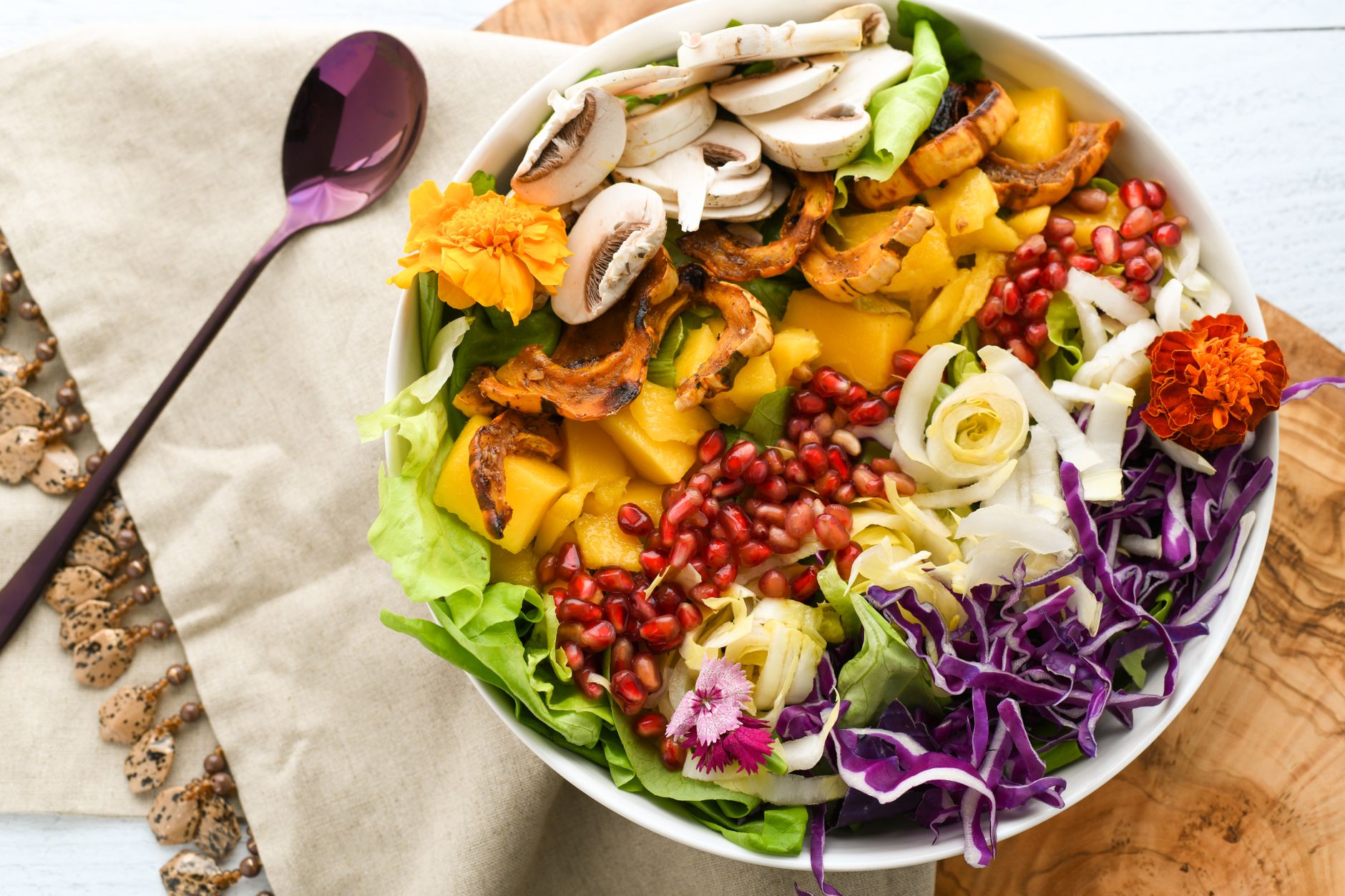
Why Biblical Salad Recipe?
Imagine a vibrant bowl brimming with ancient grains, fresh herbs, and a burst of tangy sweetness in every bite. This Biblical Salad Recipe takes you on a sensory journey to the Mediterranean, where simple ingredients combine to create layers of earthy, crisp, and aromatic flavors. Rooted in history and nourished by tradition, this salad offers a vegetarian delight that’s both hearty and refreshing. Whether you want to add a wholesome touch to your meal or embrace a dish with rich cultural heritage, this salad brings a unique taste experience to your table.
Health Benefits & Nutrition
This Biblical Salad Recipe is not just bursting with flavor—it’s packed with nutrition. The combination of cracked wheat, barley, and wheat berries provides a potent source of dietary fiber, aiding digestion and supporting heart health according to studies by the American Heart Association. The fresh herbs—mint, parsley, and cilantro—are rich in antioxidants and vitamins A and K, which can help reduce inflammation and promote immune function. Pine nuts deliver healthy fats and protein, supporting brain health and sustained energy levels. Note: If you have allergies to nuts or gluten, consider substitutions or consult a health professional before enjoying this salad.
Ingredients & Preparation
Recipe Card
| Prep Time | 30 minutes |
|---|---|
| Total Time | 3 hours |
| Servings | 4 |
| Calories (per serving) | 523 |
| Diet | Vegetarian, High Fiber |
Full Ingredient List
- ½ cup pine nuts
- 1 cup cracked wheat (soaked 1 hour)
- ½ cup pearl barley
- ½ cup wheat berries
- ½ tablespoon sumac or fresh lemon juice
- ¼ cup chopped fresh mint
- ¼ cup chopped fresh parsley
- ¼ cup chopped fresh cilantro
- 3 small scallions, finely chopped
- 1 small fennel bulb, diced
- 1 clove garlic, finely chopped
- 2 tablespoons chopped capers
- 1 tablespoon date syrup or honey
- 1 tablespoon pomegranate syrup
- 2 tablespoons extra-virgin olive oil
- 1 tablespoon chopped dried figs
- ½ cup seeded and quartered red grapes
- ½ teaspoon cumin powder
- ½ teaspoon coriander powder
- Salt, to taste
Equipment Needed
- Large mixing bowl
- Two medium saucepans
- Strainer or sieve
- Wooden spoon or spatula for mixing
- Measuring cups and spoons
- Sharp knife and cutting board
Tips for Choosing Quality Ingredients
- Opt for fresh, vibrant herbs free from wilting.
- Choose whole-grain cracked wheat, barley, and wheat berries for maximum texture and nutrition.
- Select ripe red grapes that feel firm and juicy.
- Use extra-virgin olive oil with a fruity aroma to enhance flavor.
- For sumac, prefer a vibrant red powder, which delivers that signature tangy zing.
Step-by-Step Instructions
Step 1: Soak and Prepare Grains (1 hour soaking + cooking)
Soak the cracked wheat in cold water for 1 hour to soften. Drain well. Meanwhile, cook pearl barley and wheat berries separately in boiling water according to package instructions, about 20-30 minutes each, until tender but firm.
Step 2: Combine Grains and Sumac (5 minutes)
Drain cooked barley and wheat berries thoroughly. In a small bowl, soak sumac in 2 teaspoons of water for 5 minutes to release its tart flavor. Strain sumac water, then add it along with barley, wheat berries, and drained cracked wheat into a large bowl.
Step 3: Add Fresh Ingredients (10 minutes)
Stir in chopped mint, parsley, cilantro, scallions, diced fennel, garlic, chopped capers, dried figs, quartered grapes, cumin, and coriander powder. Gently fold the ingredients to combine evenly without crushing the grains.
Step 4: Dress the Salad (5 minutes)
Mix in date syrup (or honey), pomegranate syrup, and extra-virgin olive oil. Season with salt to taste. Toss gently to distribute the dressing and develop the tangy, sweet, and savory aroma.
Step 5: Rest and Garnish (1 hour)
Allow the salad to rest uncovered at room temperature for 1 hour to let the flavors meld beautifully. Before serving, toast pine nuts in a dry skillet over medium heat until golden and aromatic (about 3 minutes). Sprinkle pine nuts over each portion as garnish.

Variations & Substitutions
- Grain Swap: Replace barley and wheat berries with quinoa or bulgur for a quicker cook and nutty flavor.
- Sweetener Option: Use pure maple syrup or agave nectar instead of date syrup or honey for a vegan twist.
- Herb Mix: Add dill or basil for a fresh herbal variation. Parsley and cilantro can be doubled for a greener profile.
- Nut Alternatives: Substitute pine nuts with toasted almonds or walnuts for crunch and richness.
Storage & Shelf Life
Store Biblical Salad in an airtight container in the refrigerator for up to 3 days. Freshness and texture are best within the first two days. Avoid freezing this salad, as the fresh herbs and delicate textures will not hold up well.
Signs of spoilage include a sour or off smell, discoloration of herbs, or slimy texture. Always give your salad a quick sniff and visual check before serving leftovers.
Pro Tips
- Soaking cracked wheat softens it without cooking it fully, preserving a chewy texture that contrasts with the tender barley and crisp vegetables.
- Toast pine nuts just before serving to unlock their rich aroma—avoid over-toasting to prevent bitterness.
- Use gentle folding motions to mix the salad ingredients, keeping the grains intact and maintaining a pleasing mouthfeel.
- Soaking sumac intensifies its tangy flavor; don’t skip this step for a more balanced acidity throughout the salad.
- When chopping herbs, use a sharp knife to prevent bruising and release bright aromas.
When is the best time to eat Biblical Salad Recipe?
This salad shines as a light lunch or a refreshing side dish during warm-weather meals. It’s perfect when served at room temperature or slightly chilled, especially 1 hour after preparation when the flavors have developed fully.
Can I make Biblical Salad Recipe ahead of time?
Yes, you can prepare the salad a few hours in advance and refrigerate it. Bring it to room temperature before serving to enjoy the best flavors and textures.
Is Biblical Salad Recipe gluten-free?
This traditional recipe includes cracked wheat, barley, and wheat berries, all containing gluten. For a gluten-free option, substitute grains like quinoa or millet.
Can I replace pine nuts with another nut?
Absolutely. Toasted almonds, walnuts, or even pumpkin seeds can add crunch and flavor while catering to nut allergies or preferences.
What does sumac taste like in the salad?
Sumac adds a bright, lemony tanginess that complements the sweetness of grapes and syrups. Its unique tartness balances the earthiness of grains and herbs.
How can I make Biblical Salad Recipe vegan?
Simply use date syrup or agave nectar instead of honey, and ensure your pomegranate syrup does not contain animal-derived ingredients. The rest of the salad is naturally vegan.
What other dishes pair well with Biblical Salad Recipe?
This salad pairs beautifully with grilled vegetables, fresh pita bread, or legumes-based dishes. For a light meal, try it alongside our Vegetarian korean noodles recipe or Spinach and goat cheese crostini for a delightful spread.

More Recipes You Will Love
If you enjoy hearty and flavorful vegetarian dishes, you might like our Vegetarian korean noodles recipe, featuring an irresistible blend of spicy, savory notes with fresh vegetables. Also, the Spinach and goat cheese crostini is a perfect appetizer with creamy textures and vibrant flavors that complement any meal.
Both dishes focus on fresh, quality ingredients, just like this Biblical Salad Recipe, making your dining experience wholesome and satisfying.
Conclusion
This Biblical Salad Recipe offers a rich tapestry of textures and flavors that showcase the beauty of simple, wholesome ingredients. The combination of ancient grains, fresh herbs, and a tangy dressing makes it a standout vegetarian recipe you’ll want to make again and again. If you try it, share your experience or favorite tweaks in the comments below—we’d love to hear how it brings a taste of history to your table!
FAQs
When is the best time to eat Biblical Salad Recipe?
The Biblical Salad Recipe is ideal for lunch or dinner as a nutritious, light meal. It also works well as a refreshing side dish during warm weather or whenever you want a wholesome vegetarian option.
Can I make Biblical Salad Recipe ahead of time?
Yes, you can prepare the salad a few hours in advance. This allows the flavors to meld beautifully. Store it covered in the refrigerator and stir before serving for the best taste.
Is Biblical Salad Recipe suitable for gluten-free diets?
The traditional recipe contains cracked wheat, barley, and wheat berries, which have gluten. To make it gluten-free, substitute these grains with gluten-free options like quinoa or millet.
What can I substitute if I'm allergic to pine nuts?
If you have a nut allergy, replace pine nuts with toasted seeds such as pumpkin or sunflower seeds. These provide a similar crunch and texture without the allergen risk.
How should I store leftovers of Biblical Salad Recipe?
Store leftovers in an airtight container in the refrigerator for up to three days. Keep the salad chilled and toss gently before serving to refresh the flavors and texture.