Introduction
Why the top 20 Indian vegetarian dishes are a must-try for your kitchen
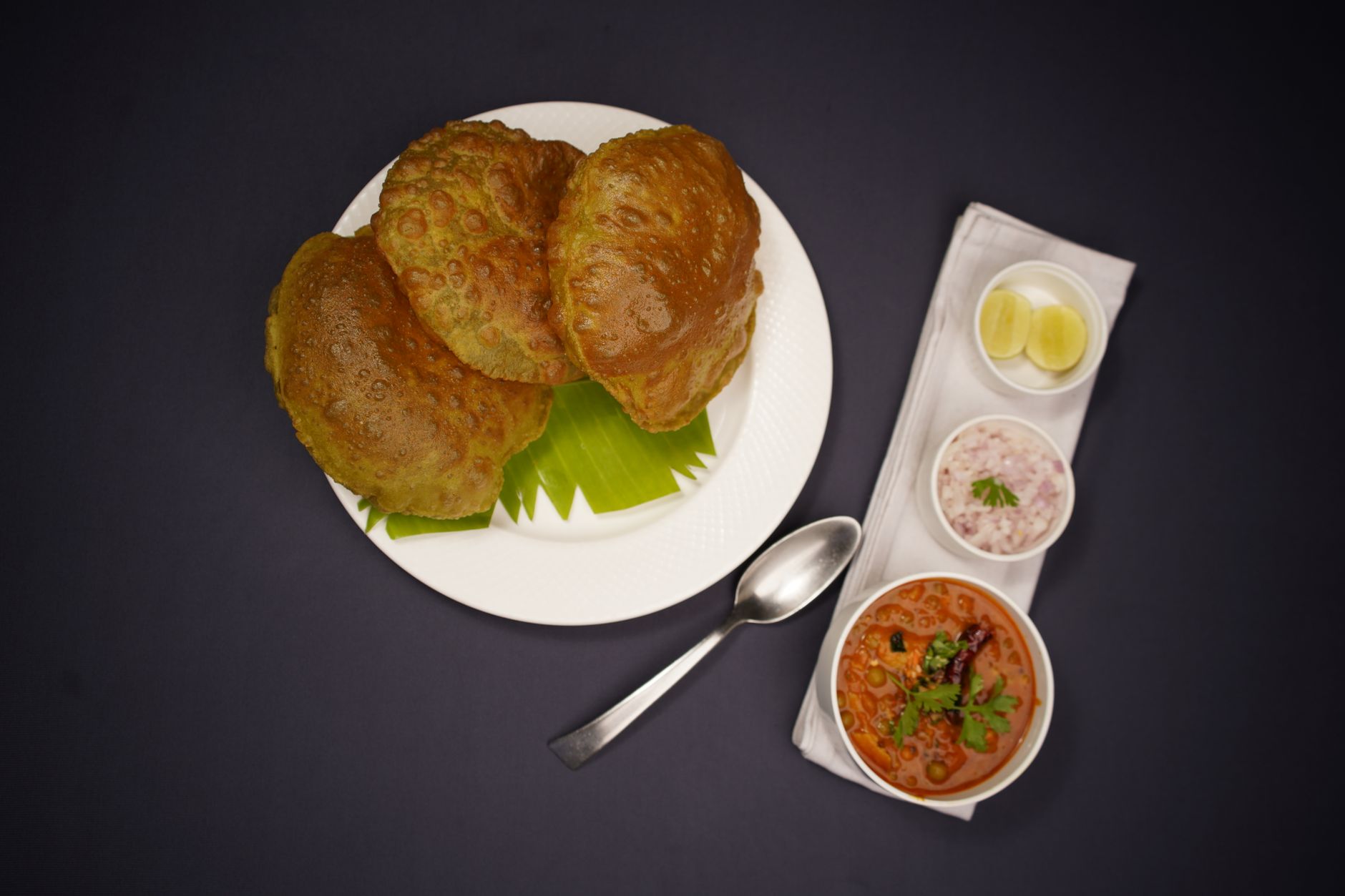
The top 20 Indian vegetarian dishes bring together vibrant spices and wholesome ingredients in every bite. These popular Indian veg recipes offer rich, complex flavors that awaken your senses. Cooking them at home means enjoying freshness and control over ingredients, resulting in healthier Indian vegetarian dishes. With a blend of legumes, vegetables, and creamy paneer, these vegetarian meal ideas satisfy cravings while nourishing your body.
Who will benefit from learning these recipes
Anyone wanting to expand their vegetarian cooking repertoire will find these recipes approachable and rewarding. Whether you‘re new to Indian cuisine or an experienced cook, the list covers a range of classic and lesser-known dishes suited for all skill levels. Vegetarians, vegans (with simple swaps), and health-conscious eaters can enjoy these meals for daily dining or special occasions.
What sets this collection apart from other Indian vegetarian recipes online
This curated selection balances authentic flavors with easy preparation and accessible ingredients. It emphasizes traditional cooking methods without overwhelming complexity. Each dish captures distinct regional tastes and textures, ensuring variety. Practical tips help navigate common vegetarian cooking challenges, so your results are flavorful and satisfying every time.
Health Benefits
Rich in plant-based protein and anti-inflammatory spices
Many dishes on the list are high in plant-based protein, featuring lentils, chickpeas, and paneer recipes. These proteins support muscle health and sustained energy. Indian spices like turmeric contain curcumin, celebrated for its anti-inflammatory effects and antioxidant properties, according to a 2023 study in the Journal of Nutritional Biochemistry.
Supports digestion and immune function
Ingredients such as ginger, garlic, and cumin stimulate digestive enzymes and soothe the gut. Fiber-rich legumes and vegetables promote a healthy microbiome, aiding regularity and immune resilience. These healthy Indian vegetarian dishes help keep your digestion balanced and body energized.
Precautions for sensitive individuals
Adjust spice levels carefully if you‘re sensitive to heat or have digestive issues. Some spices may irritate certain conditions. Those with allergies or dietary medication requirements should consult a healthcare provider before trying new recipes.
Ingredients & Preparation
| Prep time | Cook time | Total time | Servings | Calories | Diet tags |
|---|---|---|---|---|---|
| 15 minutes | 30 minutes | 45 minutes | 4 | Approx. 350 | Vegetarian, Gluten-Free options |
Detailed ingredient list with substitutions and notes
Staples like chickpeas, lentils, paneer, and basmati rice create a nourishing base. Aromatic spices such as turmeric, garam masala, cumin, and coriander deliver warmth and depth. For vegan Indian dishes, tofu replaces paneer seamlessly. Gluten-free flour can substitute wheat for snacks like pakoras, maintaining crispness and flavor.
Essential kitchen equipment for Indian cooking
A deep pan or kadai is ideal for even heat distribution during sauting and frying. A pressure cooker or instant pot speeds up lentil and bean cooking safely. A blender proves essential for silky chutneys, while a spice grinder helps release fresh aromas from whole spices.
Selecting fresh, quality ingredients for best taste
Choose firm, vibrant vegetables without blemishes for a bright, fresh bite. Fresh paneer retains a creamy texture and mild flavor that elevates your dishes. Organic spices provide a potent aroma and brightness absent in stale powders. Always prefer whole spices grounded just before use to capture their full essence.

Step-by-Step Instructions
Step 1 Wash and prep vegetables and rinse lentils precisely
Rinse basmati rice until water runs clear and soak for 20 minutes. Sort and rinse lentils thoroughly to remove dirt. Peel ginger and garlic finely to maximize flavor during cooking. Chop onions, tomatoes, and other vegetables uniformly to ensure even cooking.
Step 2 Saut spices and cook main ingredients at medium-high heat for 57 minutes
Toast whole spices like cumin seeds and mustard seeds in hot oil until fragrant (about 2 minutes). Add sliced onions and saut until golden and translucent (5 minutes). Stir in chopped tomatoes and cook until soft (3 minutes). Add main vegetables or legumes and cover to simmer gently for 1015 minutes, stirring occasionally.
Step 3 Add finishing touches: fresh herbs, lemon juice, and tempering with mustard seeds
Sprinkle chopped cilantro just before serving for a bright fresh note. For authentic aroma, temper mustard seeds and curry leaves in hot oil (1 minute) and add atop the dish. A squeeze of lemon juice boosts brightness and balances richness.
Step 4 Serve immediately or cool slightly before storing
Serve with warm flatbreads like roti or naan, or fluffy steamed rice. Leftovers taste even better after resting overnight in the fridge, allowing flavors to meld. Cool quickly before storing to maintain freshness.

Variations & Substitutions
Vegan-friendly alternatives for dairy-based dishes
Replace paneer with firm tofu or use cooked potatoes for creamy texture. Coconut milk offers a luscious substitute for dairy cream in rich curries. These swaps keep dishes delicious and suitable for vegan Indian dishes.
Ingredient swaps with impact on flavor and texture
Canned chickpeas save time but fresh-cooked lentils add superior texture. Fresh grated ginger injects sharper aroma compared to powder, which mellows the dish. Experiment with fresh and dried herbs to find your preferred flavor balance.
Adjusting spice levels and sweetness
Tune the heat by reducing chili powder or omitting fresh chilies for milder flavors. A pinch of jaggery or brown sugar cuts through sour tamarind or tangy tomato notes brilliantly, balancing the curry subtly.
Storage & Shelf Life
Refrigerator Store in airtight containers for 3 to 4 days
Use glass or BPA-free containers to maintain taste and prevent odors. Store cooled dishes in the refrigerator promptly for optimum freshness.
Freezer Freeze in portion-sized containers or freezer bags for up to 2 months
Label containers with the dish name and date before freezing. Thaw overnight in the fridge or warm gently over medium heat.
Make-ahead batch tips Prepare larger portions and cool quickly before packaging
Make double recipes to save cooking time later. Portion into individual servings for lunch boxes or quick dinners. Choose freezer-safe glass jars or snap-lock containers with tight-fitting lids.

Pro Tips & Troubleshooting
Tips to maximize flavor extraction and keep kitchen tidy
Toast whole spices dry on medium heat before grinding for an aromatic boost. Use a wooden spatula to gently stir without damaging cookwares seasoning. Place a damp paper towel under chopping boards to prevent turmeric stains on your countertop.
Fixes for common issues: dull color, overly bitter taste, or under-seasoned dishes
If your curry looks pale, add a pinch of turmeric or a spoon of tomato puree for richer color. Bitterness can come from burnt spices or too much turmeric add a dash of sugar to balance. Under-seasoned curries benefit from a generous sprinkle of salt and a splash of lemon juice.
Expert upgrade: temper spices in hot ghee for a rich flavor boost
Heat ghee until shimmering, then add mustard seeds, cumin, and curry leaves. Pour this flavor-packed oil over finished dishes to lift the aroma and taste. This classic Indian technique takes dishes from good to restaurant-quality.
Popular indian vegetable dishes to explore
When is the best time to eat top 20 Indian vegetarian dishes?
These dishes work beautifully as lunch or dinner meals due to their comforting, filling nature. Lighter dals and vegetable sides can accompany breakfast for a nourishing start. Save heavier curries for the afternoon or evening.
Can I make a big batch ahead of time?
Absolutely. Most Indian vegetarian dishes taste even better the next day as spices mellow. Prepare in advance, refrigerate for up to 4 days, or freeze portions for up to 2 months.
Fresh spices or powdered which is better for Indian cooking?
Whole fresh spices ground just before use retain more aroma and flavor than powders stored long-term. Powdered spices offer convenience but can be less vibrant. Use fresh where possible for authenticity.
Are these dishes safe for pregnant women, kids, or people on medication?
Generally yes, but monitor spice levels carefully. Mild versions suit children and pregnant women. Those on medications or with medical conditions should consult their doctor about specific ingredients.
How often can I eat these dishes?
Indian vegetarian dishes make excellent everyday meals thanks to their balanced plant proteins and vegetables. Vary spices and ingredients for a well-rounded diet.
Why does my curry taste bitter?
Bitterness usually comes from excess turmeric, burnt spices, or raw garlic. Avoid overheating spices and add a small pinch of sugar or lemon juice to soften harsh notes.
What pairs well with these Indian vegetarian dishes?
Steamed basmati rice, warm naan or roti, and cooling raita complement the spice and textures perfectly. Fresh salads like a Grape and honey dew green salad with mint splash recipe 2108251 add refreshing contrast.
More Recipes You Will Love
Indian vegetable dishes Explore a range of savory, everyday dishes packed with colorful veggies.
Spinach salad with goat cheese and walnuts recipe2 1941145 A fresh, tangy side that brightens heavy meals.
Conclusion
The top 20 Indian vegetarian dishes bring diverse flavors straight to your table
These authentic dishes show how rewarding Indian vegetarian cooking can be. Simple ingredients, fresh spices, and traditional cooking methods yield meals bursting with aroma and texture. Try them at home and enjoy wholesome, vibrant meals your family will love.
Give these recipes a try, share your favorite in the comments, and rate your experience
After mastering these dishes, discover more by trying the indian vegetable dishes collection. Happy cooking!
FAQs
When is the best time to eat top 20 indian vegetarian dishes?
The top 20 Indian vegetarian dishes are perfect for lunch or dinner due to their filling and comforting nature. Lighter dals and vegetable sides can also be enjoyed at breakfast, while heavier curries suit afternoon or evening meals.
Can I make a big batch ahead of time?
Yes, most Indian vegetarian dishes taste even better the next day as the spices mellow. You can refrigerate them for up to 4 days or freeze portions for up to 2 months, making meal prep convenient.
Are fresh spices or powdered spices better for Indian cooking?
Fresh whole spices ground just before use retain more aroma and vibrant flavor than pre-ground powders, which may lose potency over time. Using fresh spices ensures authentic and richer taste.
Are these dishes safe for pregnant women, kids, or people on medication?
Generally, these dishes are safe when spice levels are adjusted accordingly. Mild versions are suitable for children and pregnant women. However, anyone on medication or with health concerns should consult their doctor about specific ingredients.
What pairs well with these Indian vegetarian dishes?
Steamed basmati rice, warm naan or roti, and cooling raita perfectly complement the spices and textures. Fresh salads, such as a grape and honey dew green salad with mint, add a refreshing contrast.