Youve just spotted that brightorange mushroom popping up under a birch and youre wondering: Is it safe to eat? The short answer is yes if its the orange bolete (also called orange birch bolete) and you can confirm a few key ID features, its generally edible after cooking. Below youll find everything you need to know to identify it, handle it safely, and even turn it into a tasty dish, all explained in a friendly, downtoearth way.
Quick Facts
| Fact | Detail |
|---|---|
| Scientific name | Leccinumversipelle (syn. Boletus testaceoscaber) |
| Common names | orange birch bolete, orange birch bolete |
| Habitat | Birch, oak, aspen, poplar northern Europe, North America |
| Edibility | Edible when properly identified & cooked |
| Season | Late summer to early autumn |
| Lookalikes | Brown birch bolete, Leccinumaurantiacum (orange oak bolete), some toxic boletes |
These bulletpoint facts are a quick reference you can keep in your pocket while youre out on the trail. When youre ready to dig deeper, lets move on to how you actually recognize an orange bolete in the wild.
How to Identify
What does it look like?
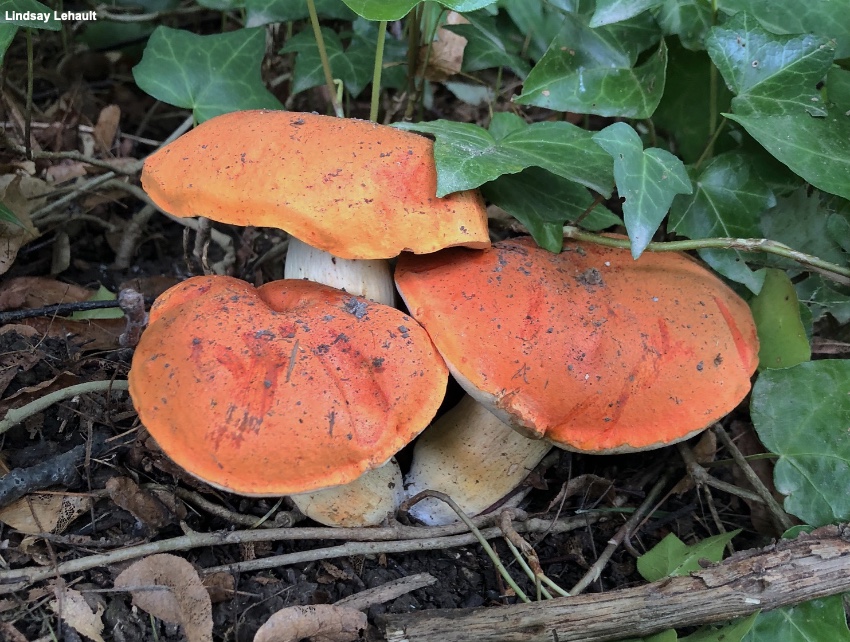
First impression matters. The cap of an orange bolete is a warm orangered that fades to a muted brownred as it ages, typically 515cm across. It feels smooth or slightly fibrillose, never scaly like some boletes. The stem (or stipe) is a pale whitishgray peppered with dark, almost black, netlike scales that give it a scabrous texture this is one of the easiest clues.
The pore surface underneath the cap starts out a sunny yelloworange and bruises to a richer brownorange when pressed. If you slice the flesh, youll see it stay white at first, then slowly turn dark brown after a few minutes that progressive darkening is a hallmark of the Leccinum genus.
Photo Guide (suggested for the full article)
- Image 1 orange birch bolete (cap, stem, pores)
- Image 2 brown birch bolete (darker cap, smoother stem)
- Image 3 orange oak bolete (Leccinum aurantiacum) under oak
Where does it grow?
Orange bolete is a true partner of broadleaf trees. Youll most often find it under birch (Betula), but it also hangs out with oak (Quercus), aspen (Populus tremula) and sometimes poplar. The soil is usually welldrained and a touch acidic the kind youd expect in a mixed woodland or a park with mature trees.
Geographically, it shows up across the UK, Ireland, Scandinavia, the northern United States, and Canada. If youre hiking in those regions during late summer, keep an eye out for that orange flash under a birch. For authoritative habitat and identification notes, see the USDA mushroom resources on the Forest Service site.
What are the common lookalikes?
Even seasoned foragers can mix up similar species, so lets clear the confusion.
| Species | Cap colour | Stem texture | Preferred tree | Edibility |
|---|---|---|---|---|
| Orange birch bolete (Leccinumversipelle) | Orangered/brown | Darkgrey scaly | Birch, oak, aspen | Edible |
| Orange oak bolete (Leccinumaurantiacum) | Bright orange | Smoother, faint reticulation | Oak, poplar | Edible (caution) |
| Brown birch bolete | Browngrey | Smooth, lighter | Birch | Edible (cautious) |
| Toxic boletes (e.g., some Boletus spp.) | Dark redbrown | Smooth, no scales | Conifers | Poisonous |
Notice the stem texture and the tree its growing with those two clues often separate the safe orange bolete from the risky lookalikes.
Edibility & Safety
Is it truly edible?
Most reputable mycological guides, including the U.S. Department of Agricultures mushroom database, list the orange birch bolete as edible once cooked. Raw flesh can cause a mild stomach upset in sensitive people, so we always recommend a proper cooking step.
How to prepare it safely
- Clean Gently brush off dirt and debris; avoid soaking in water as the caps can become soggy.
- Blanch Drop the sliced mushrooms into boiling water for 57minutes, then discard the water. This kills any heatsensitive toxins and improves texture.
- Saut or grill Finish the mushrooms in butter or oil with garlic, thyme, and a splash of white wine. A quick 5minute stirfry brings out the nutty flavor.
- Store properly Refrigerate cooked bolete in an airtight container for no more than two days. Freezing is okay if you want to keep them longer.
Testing a tiny piece first is a smart move if youve never tried orange bolete before youll confirm you dont have an unexpected reaction.
Simple orange bolete stirfry (2person recipe)
- 200g orange bolete, sliced
- 2tbsp butter
- 1 clove garlic, minced
- Fresh thyme leaves
- Salt & pepper to taste
- Optional splash of dry white wine
Heat the butter, add garlic, then toss in the mushrooms. Cook for 57minutes, deglaze with wine, season, and serve over toasted sourdough. Its a quick, comforting dish that showcases the mushrooms sweet, earthy notes.
Potential risks and how to avoid them
Even edible mushrooms can turn problematic if mishandled. Heres how to stay on the safe side:
- Allergic reactions Always start with a small portion.
- Mistaken identity Doublecheck the key ID features; keep a field guide like handy.
- Environmental contaminants Harvest away from roads, industrial sites, or places where animals congregate to avoid heavy metals.
By respecting these guidelines, youll enjoy the orange boletes flavors without any unpleasant side effects.
Species Comparison
Understanding where the orange bolete fits among its relatives helps you feel confident when youre out in the woods. Below is a quick sidebyside look that you can reference on the spot.
| Feature | Orange birch bolete | Orange oak bolete (L. aurantiacum) | Brown birch bolete |
|---|---|---|---|
| Cap colour | Orangered to brownred | Bright orange | Browngrey |
| Stem texture | Darkgrey scaly, netlike | Smoother, faint reticulation | Smooth, lighter |
| Preferred tree | Birch, oak, aspen | Oak, poplar | Birch |
| Edibility | Edible, cook well | Edible, but caution (similar ID) | Edible, but cautious |
Notice how the stem texture and tree association are the strongest clues. Keep those in mind next time youre scanning a forest floor.
My Foraging Story
Last summer, I was trekking through a misty birch forest in the Scottish Highlands, the kind where the air smells like pine resin and fresh rain. Id read about the orange bolete in a guidebook, but seeing one in real life felt like meeting an old friend after years apart.
There they were a cluster of bright orange caps peeking from under a silver birch. I crouched, brushed away a layer of leaf litter, and checked the stem those unmistakable dark scales. To be sure, I snapped a photo and showed it to a local mycologist who confirmed: Thats Leccinumversipelle, good choice.
Back at the campsite, we boiled the mushrooms for seven minutes, drained the water, and tossed them in a pan with butter, garlic, and a splash of whisky (because why not?). The result was a buttery, nutty dish that tasted like the forest itself. My friends swore they could hear the trees whispering well done with every bite.
Sharing that experience reminded me how rewarding foraging can be not just for the food, but for the connection to nature and the stories we create along the way.
Bottom Line
To sum it up, the orange bolete is a rewarding find for anyone willing to learn its identifying marks, respect its cooking needs, and enjoy its subtle, earthy flavor. Remember the three pillars:
- Identify cap colour, scaly stem, and tree partner are your clues.
- Cook clean, blanch, then saut to bring out the best taste.
- Respect avoid raw consumption, doublecheck for lookalikes, and pick away from polluted sites.
If youre curious to try foraging yourself, consider joining a local mushroom walk or downloading a free ID checklist from a reputable organization such as the . And if you ever have a story about your own orange bolete adventure, Id love to hear it sharing experiences makes the whole community wiser and more confident.
FAQs
Is the orange bolete safe to eat?
Yes – when correctly identified and fully cooked, the orange bolete (Leccinum versipelle) is considered an edible mushroom. Avoid eating it raw.
What are the key features to identify an orange bolete?
Look for an orange‑to‑brownish cap (5–15 cm), a pale stem covered in dark scaly (net‑like) flakes, yellow‑orange pores that bruise brown, and growth under birch, oak, aspen or poplar.
When is the best time to forage orange bolete?
The fruiting season runs from late summer to early autumn. Mid‑July through September is when you’ll most often find mature specimens.
How should orange bolete be prepared for eating?
Clean the mushrooms, blanch them in boiling water for 5–7 minutes, then sauté or grill with butter, garlic, herbs, and a splash of white wine. Always cook fully.
Are there any toxic look‑alikes I should watch out for?
Yes. Pay attention to stem texture and tree association. Toxic boletes usually have smooth stems and grow with conifers. When in doubt, compare with a reliable field guide.