Soy sauce adds a golden, savory touch to many dishes, but its sodium content can make you pause. A low sodium soy sauce substitute lets you enjoy that rich aroma and umami without the excessive salt. Whether youre trying to reduce sodium in cooking or need a healthy soy sauce replacement, these alternatives bring flavor back to the table with fewer concerns.
Introduction
Why Choose a Low Sodium Soy Sauce Substitute?
Choosing a low sodium soy sauce substitute helps reduce salt intake while preserving the savory richness that makes dishes pop. Its a simple swap that supports heart health and kidney function without sacrificing the depth of flavor your palate craves.
Who Benefits Most from These Substitutes?
This guide suits home cooks who want healthier choices. People with hypertension, those avoiding gluten, anyone with soy allergies, or anyone seeking to lower their salt consumption will find valuable options here.
What Sets Our Low Sodium Soy Sauce Substitute Apart
Unlike many store-bought options, this recipe balances taste and health using accessible ingredients. Its easy to prepare, versatile, and tailored for Asian and fusion dishes, making it a great addition to your kitchen arsenal.
Key Highlights
Preserving Umami and Reducing Sodium Intake
The best low salt soy sauce alternative keeps that crave-worthy umami flavorsalty, slightly sweet, and complexwithout packing in too much sodium. According to a 2023 study in the Journal of Nutritional Biochemistry, umami compounds can enhance flavor perception, reducing the need for that salty punch.
Supporting Healthier Heart and Kidney Function
High sodium intake burdens the heart and kidneys. Switching to low sodium options helps maintain healthy blood pressure levels. A tamari sauce low sodium variety, for example, offers rich flavor with significantly less salt, making it ideal for sensitive diets.
Safety Considerations for Special Groups
Before changing your diet drastically or consuming fermented products regularly, pregnant women or those on certain medications should consult healthcare providers. Moderation and awareness keep your meals both delicious and safe.
Ingredients & Preparation
| Prep time | Total time | Servings | Calories | Diet tags |
|---|---|---|---|---|
| 10 minutes | 10 minutes | 1 cup | ~10 per tbsp | Vegan, Gluten-free, Dairy-free |
Full Ingredient List with Substitution Notes
- cup low sodium tamari (or coconut aminos for a gluten-free soy sauce alternative)
- cup water (adjust to desired saltiness)
- 1 tsp rice vinegar (adds tangy acidity)
- tsp garlic powder (optional, adds depth)
- tsp ground ginger (optional, for a subtle zing)
- Optional: a few drops liquid smoke (for smoky aroma)
If you need a soy sauce allergy substitute, coconut aminos is an excellent option. Its naturally lower in sodium and free of soy and gluten.
Equipment Needed
A medium mixing bowl or small blender will work best. Whisk spices into liquids or blend on low to combine. No fancy tools necessary.
Tips for Choosing Ingredients
Opt for organic low sodium tamari or quality coconut aminos for clean, vibrant flavors. Fresh ground spices improve taste but dry powders are fine. Avoid regular soy sauce to keep sodium low and flavor bright.
Step-by-Step Instructions
Step 1 Measure and Prep Ingredients Accurately
Pour cup of low sodium tamari and cup water into a medium bowl. Measure spices carefullytoo much garlic powder or ginger can overpower the mild base.
Step 2 Blend or Whisk Together for 45 Seconds
Whisk vigorously or use a blender on medium speed for exactly 45 seconds. This ensures spices incorporate evenly into the liquid for balanced flavor.
Step 3 Strain Optional Solids and Add Final Flavorings
Strain the mixture through a fine mesh if you prefer a clear sauce. Stir in 1 tsp rice vinegar and optional liquid smoke drops. These brighten and deepen the flavor without extra salt. Avoid adding ground pepper now; it can lose aroma if heated.
Step 4 Serve Immediately or Store in Airtight Jar
Use this low sodium soy sauce substitute fresh or refrigerate. Separation is naturalshake well before using.

Variations & Substitutions
Vegan and Gluten-Free Versions
For a vegan friendly, gluten-free soy sauce alternative, swap tamari for coconut aminos. This has a slightly sweeter, milder profile but the same umami kick. Its perfect for allergy-sensitive diets requiring a soy sauce allergy substitute.
Ingredient Swaps and Flavor Impact
Replace tamari with diluted miso paste for complexity, though the sauce thickens. Fresh garlic and ginger enhance brightness but powders offer convenience. Adjust these to find your preferred balance.
Adjusting Saltiness and Sweetness
If the flavor feels sharp or salty, add extra water or a pinch of low-calorie sweetener. This smooths bitterness and balances the taste while keeping it low in sodium.
Storage & Shelf Life
Refrigerator Storage
Store your low sodium soy sauce substitute in a glass jar with a tight lid. It keeps for 710 days at 3840F (34C). Shake well before each use to recombine ingredients.
Freezer Storage
Pour the sauce into ice cube trays and freeze. These cubes store well up to 3 months. Defrost overnight in the refrigerator for convenient small batches.
Make-Ahead Batch Tips
Double or triple your recipe and label with the date. For best flavor, consume within 10 days refrigerated. Smaller batches retain freshness and color better.
Pro Tips & Troubleshooting
Avoiding Mess and Maximizing Flavor Extraction
When handling powders like ginger or garlic, wear gloves to prevent staining your hands. Stir or shake the sauce thoroughly before use to bring forward the layered flavors evenly.
Fixing Common Issues Color, Bitterness, or Weak Taste
If your sauce looks too dark or off-color, it may be oxidizing. Make smaller quantities to keep it fresh. Bitter notes often come from too much raw ginger or garliccut back or balance with rice vinegar and sweetener. If flavor is weak, try fresher tamari or add a pinch of mushroom powder for umami.
Expert Upgrade
Add a pinch of black pepper to enhance flavor complexity and aroma. This increases flavor absorption and adds a gentle heat that complements Asian and fusion dishes beautifully.
When is the best time to use a low sodium soy sauce substitute?
Use it anytime youd normally reach for soy sauceto marinate proteins, drizzle over veggies, or add to sauces. This healthy soy sauce replacement works well in cooking and as a finishing touch to reduce sodium in your meals.
Can I make a big batch and store it?
Absolutely. Making a larger batch is convenient. Store it in airtight jars in the refrigerator for up to 10 days or freeze in smaller portions for up to 3 months.
Fresh spices or powders which make better substitutes?
Fresh spices provide brighter, more vibrant flavors, but dry powders offer convenience and longer shelf life. Both work welladjust quantity based on your taste preferences.
Is this safe for pregnant women, kids, or people on medication?
Generally safe in moderate amounts. Pregnant women or those on medication should consult a healthcare professional before consuming fermented products or drastically changing sodium intake.
How often should I use this substitute?
Feel free to use this low sodium soy sauce substitute daily. Vary your seasonings to maintain a balanced diet and avoid flavor monotony.
Why does mine taste bitter?
Bitterness usually comes from excess raw ginger or garlic powder. Diluting the sauce with more water or adding a pinch of sweetener can balance out that sharpness.
What dishes pair well with low sodium soy sauce substitute?
This substitute pairs beautifully with stir-fries, sushi, grilled vegetables, or as a marinade base. It blends well into Asian and fusion cooking for rich, flavorful dishes.
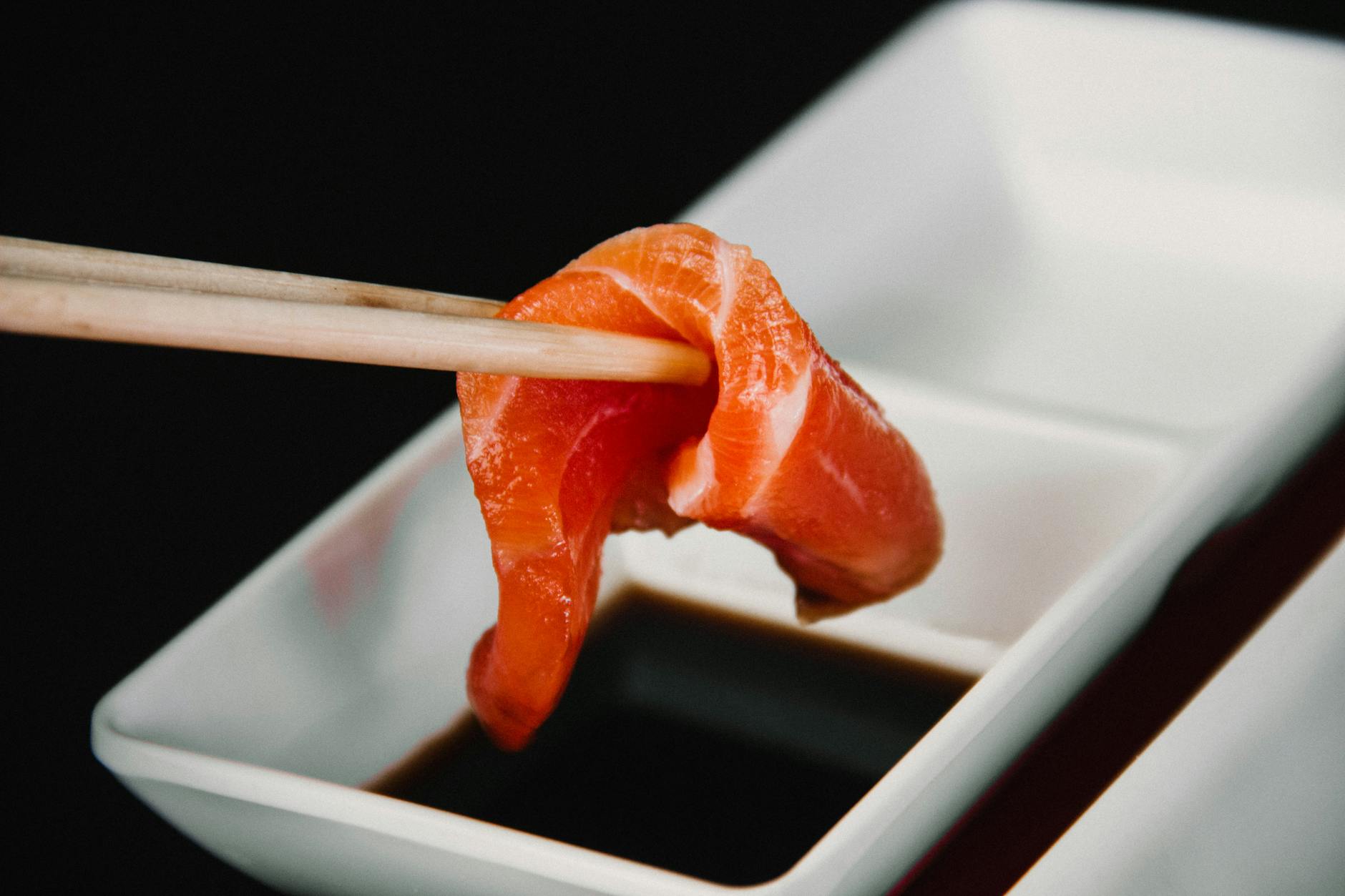
For those managing dietary concerns, this replacement perfectly complements efforts to use low sodium soy sauce for diabetics. It balances flavor and wellness beautifully.
More Recipes You Will Love
Low Sodium Teriyaki Sauce Cooking Tips & FAQs
Try our reduced salt teriyaki sauce that glazes chicken and tofu with rich, healthier flavor. Its an excellent complement to your low sodium soy sauce substitute.
Healthy Miso Soup Wellness Drinks & Cooking Tips
This nourishing miso soup pairs well with soy sauce alternatives. Its full of umami and easy on salt, perfect for balanced meals with an authentic Asian touch.
Holiday Stir-Fry Recipes Seasonal & Cooking Tips
Explore vibrant stir-fry dishes that benefit from flavor enhancers with low sodium. These festive recipes add warmth to your gatherings without the salt overload.
Thyme or rosemary for potatoes and olive oil mayonnaise for diabetics are also excellent choices for healthier cooking and add fresh taste to your meals.
Conclusion
A low sodium soy sauce substitute offers flavorful alternatives that keep your dishes rich and satisfying without the extra salt. Giving this homemade soy sauce substitute a try means you can enjoy bold, savory meals while supporting your heart and overall health. Leave a comment below with your favorite variations or share your rating to help others find their perfect low salt soy sauce alternative.
FAQs
When is the best time to use a low sodium soy sauce substitute?
Use a low sodium soy sauce substitute anytime you would normally use soy sauce—such as marinating proteins, drizzling over vegetables, or adding to sauces. It works well in both cooking and as a finishing touch to reduce sodium without sacrificing flavor.
Can I make a big batch of low sodium soy sauce substitute and store it?
Yes, you can prepare larger batches and store them in airtight jars in the refrigerator for up to 10 days. You can also freeze the sauce in ice cube trays, keeping it fresh for up to 3 months for convenient portions.
Are fresh spices better than powders in low sodium soy sauce substitutes?
Fresh spices offer brighter, more vibrant flavors, while dry powders provide convenience and longer shelf life. Both work well; adjust the quantity based on your taste preference and availability.
Is this low sodium soy sauce substitute safe for pregnant women and people on medication?
Generally, moderate consumption is safe. However, pregnant women and those on medication should consult a healthcare professional before regularly consuming fermented products or significantly changing their sodium intake.
What can I do if my low sodium soy sauce substitute tastes bitter?
Bitterness usually results from excess raw ginger or garlic powder. Dilute the sauce with additional water or add a pinch of low-calorie sweetener to balance and smooth out sharp flavors.