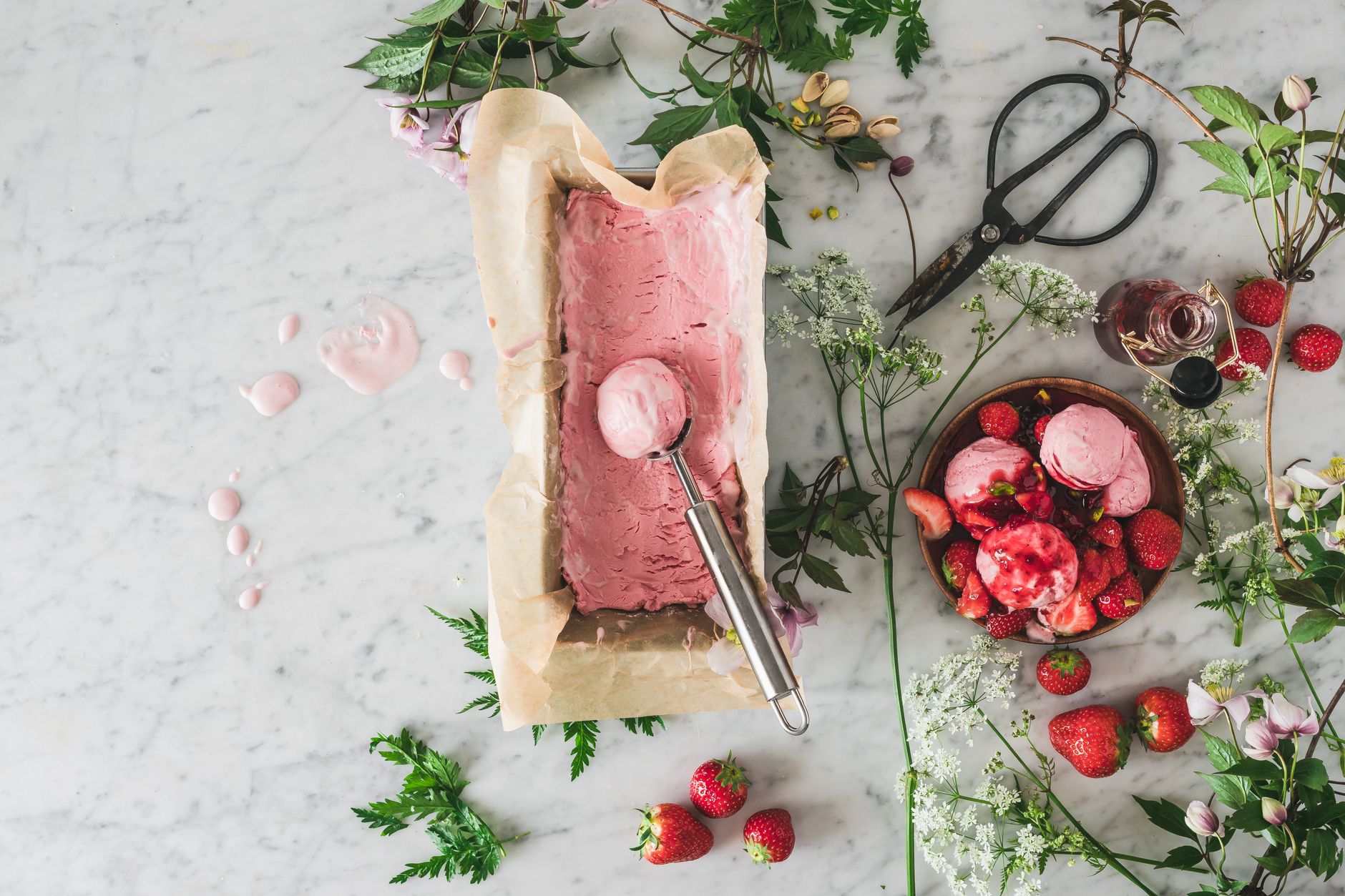
Nothing beats homemade ice cream, especially when made the traditional way using an old-fashioned ice cream maker. This recipe book revives classic, creamy delights that bring back nostalgic summer memories. Youll find practical recipes designed specifically for these charming hand-cranked or early electric machines, guiding you step-by-step for perfect scoops every time.
Why This Works
What Makes These Recipes Perfect for Old-Fashioned Ice Cream Makers?
The magic of using an old-fashioned ice cream maker lies in the slow, steady churning. These recipes balance fat, sugar, and flavor to freeze evenly without modern technology. You get rich, dense ice cream with a velvety texture and that irresistible homemade tasteno stabilizers or artificial additives needed.
Accommodating Both Hand Crank and Electric Models
This recipe book understands the subtle differences between machines. Hand crank models require consistent manual turning, while electric ones offer steady automated churning. Measurements and timing in the recipes consider those variations for ideal freezing, ensuring smooth results whether youre cranking by hand or using electric power.
Why Proper Chilling and Ice Preparation Matters
Success starts before churning. The ice cream base must chill fully; ice and salt need to maintain consistent temperatures around the canister. These recipes teach the exact salt-to-ice ratios and chilling times so your ice cream freezes evenly without ice crystals or slush.
Ingredients for Classic Recipes
| Prep time | Total time | Servings | Calories | Diet tags |
|---|---|---|---|---|
| 15 minutes | 1 hour 45 minutes | 6 | 250 per serving | Vegetarian, Gluten-Free |
Essential Ingredients for Old-Fashioned Ice Cream
A great base calls for high-quality heavy cream (at least 36% fat) coupled with whole milk. Fresh eggs provide richness for custard-style recipes, while real vanilla beans or pure extracts offer deep flavor. Traditional granulated sugar ensures smooth freezing and sweetness throughout.
- 2 cups heavy cream (36% fat)
- 1 cup whole milk
- 3/4 cup granulated sugar
- 4 large egg yolks (for custard base)
- 1 tablespoon pure vanilla extract or 1 split vanilla bean
- Pinch of salt
Substitutions can be made for dietary needs, such as using coconut milk and almond milk blends for a dairy-free option. Maple syrup or agave can replace sugar, but these swaps slightly alter texture and freezing point, so stick to tested ratios.
Recipe Card Quick Reference
| Ingredient | Amount | Notes |
|---|---|---|
| Heavy cream | 2 cups | At least 36% fat for creaminess |
| Whole milk | 1 cup | Fresh and cold |
| Sugar | 3/4 cup | Granulated for smooth ice cream |
| Egg yolks | 4 large | For custard base, optional |
| Vanilla | 1 tbsp extract or 1 bean | Use pure for best flavor |
| Salt | Pinch | Enhances flavor |
Step-by-Step Instructions
How to Prepare and Chill the Ice Cream Base
Start by whisking egg yolks with sugar until pale and thick. Heat milk and cream gently to 170F, then slowly temper the yolks by adding warm dairy gradually. Return the mixture to low heat, stirring constantly until it coats the back of a spoon (~175F). Remove from heat, stir in vanilla, and let cool to room temperature.
Cover the base and refrigerate for at least 4 hoursovernight is best. Proper chilling allows the mixture to thicken and enhances the final texture.
Packing Ice and Salt Correctly
Fill your ice cream freezer bucket with alternating layers of crushed ice and rock salt. Use about two parts ice to one part rock salt by volume. This mixture lowers the freezing temperature drastically, absorbing heat from the canister slowly and efficiently. Keep packing fresh ice and salt around the canister every 20 minutes if needed.
Common Pitfalls and Avoidance
- Using table salt: Can clog the ice; always use rock salt.
- Inaccurate salt-ice ratio: Too little salt slows freezing, too much can freeze it too fast causing hard ice cream.
- Churning too fast or slow: Aim for steady, even turns when using a hand crank. Too fast adds air bubbles, too slow leads to icy texture.
- Not pre-chilling: The canister should be frozen thoroughly (18-24 hours) before use.
Patience pays offstick to recommended timings and ratios for the smoothest, creamiest ice cream.
Variations and Dietary Swaps
Adapting Recipes for Special Diets
Vegan ice creams using coconut milk and cashew cream provide creamy textures, but require extra stabilizers such as guar gum or cornstarch to prevent iciness. For lactose intolerance, almond or oat milk blends mixed with coconut cream work well. Adjust sugar slightly to balance sweetness and freezing point changes.
Flavor Variations with Nostalgic Flair
Try classic flavors like pistachio or rich rocky road with toasted nuts and chunks of chocolate. Swirling in homemade fudge or caramel sauce gives timeless charm. Frozen fruit pures also brighten sorbet-style options that churn nicely in these machines.
Making Sorbets and Custards
Sorbets work best with water, fruit juice, and sugar but freeze faster and require stirring intervals to avoid large ice crystals. Custard-based recipes with egg yolks are ideal, adding body and smoothness. The recipes here highlight trials that balance ingredients for each style.
For example, check out this old fashioned homemade ice cream recipe with raw eggs if youre interested in classic custard varieties.
Serving Suggestions
Classic Toppings and Accompaniments
Nothing pairs better than crushed nuts, sprinkles, or a drizzle of homemade hot fudge. Fresh berries or a simple fruit compote balance creamy richness. Vintage touches, like wafer cookies or maraschino cherries, amplify nostalgic appeal.

Creative Serving for Family Gatherings
Serve scoops inside waffle cones or hollowed-out fruit shells to make summer treats extra special. Using punchy sauces or incorporating seasonal fruits can tie your ice cream into meals or parties effortlessly.
Plating and Storage Tips
Scoop ice cream into chilled bowls to slow melting. Store any leftovers in airtight, shallow containers to minimize ice crystals. When freezing homemade ice cream, press parchment paper directly onto the surface before sealing to keep texture creamy.
Storage, Reheating, and Make-Ahead Tips
Storing Homemade Ice Cream
Keep your ice cream tightly sealed in the coldest part of the freezer at or below 0F (-18C). Consume within 4 days for peak creaminess. Storage longer than 7 days can cause ice crystals and texture loss, even when well wrapped.
Softening Before Serving
Remove ice cream from freezer 10-15 minutes before serving. If too hard, microwave in 5-second bursts on lownever more than 10 secondsto gently soften without melting.
Preparing Base in Advance
The base can be made up to 24 hours before churning. Keep it refrigerated well covered. Re-stir gently before pouring into the ice cream maker to reincorporate any settled bits.
Troubleshooting and Pro Tips
Too Soft or Hard Ice Cream?
If your ice cream isnt firm enough after churning, check the salt-to-ice ratio and ensure adequate chilling time. Add more salt to ice for colder packs. Too hard? Use less salt next time or churn slightly shorter to retain softness.
Fixing Texture Issues
Slushy ice cream means inadequate salt or ice. Crunchy ice crystals usually point to insufficient fat or rapid freezing. Adjust cream ratios and texture enhancers, such as a tablespoon of alcohol like bourbon or vodka, which lowers freezing point and smooths texture.
Handling Hand Crank Jam
If cranking becomes difficult, stop and clear ice buildup around the canister. Ensure the machine is properly lubricated if applicable. Continuous steady turns rather than forceful, erratic cranking prolongs machine life.
Extraction and Flavor Balance
For deep vanilla aroma, steep vanilla beans in the warm base overnight before churning. When adding mix-ins like nuts or chocolate chips, fold gently after churning to maintain texture. Overmixing can deflate creaminess.
Upgrading Your Recipes
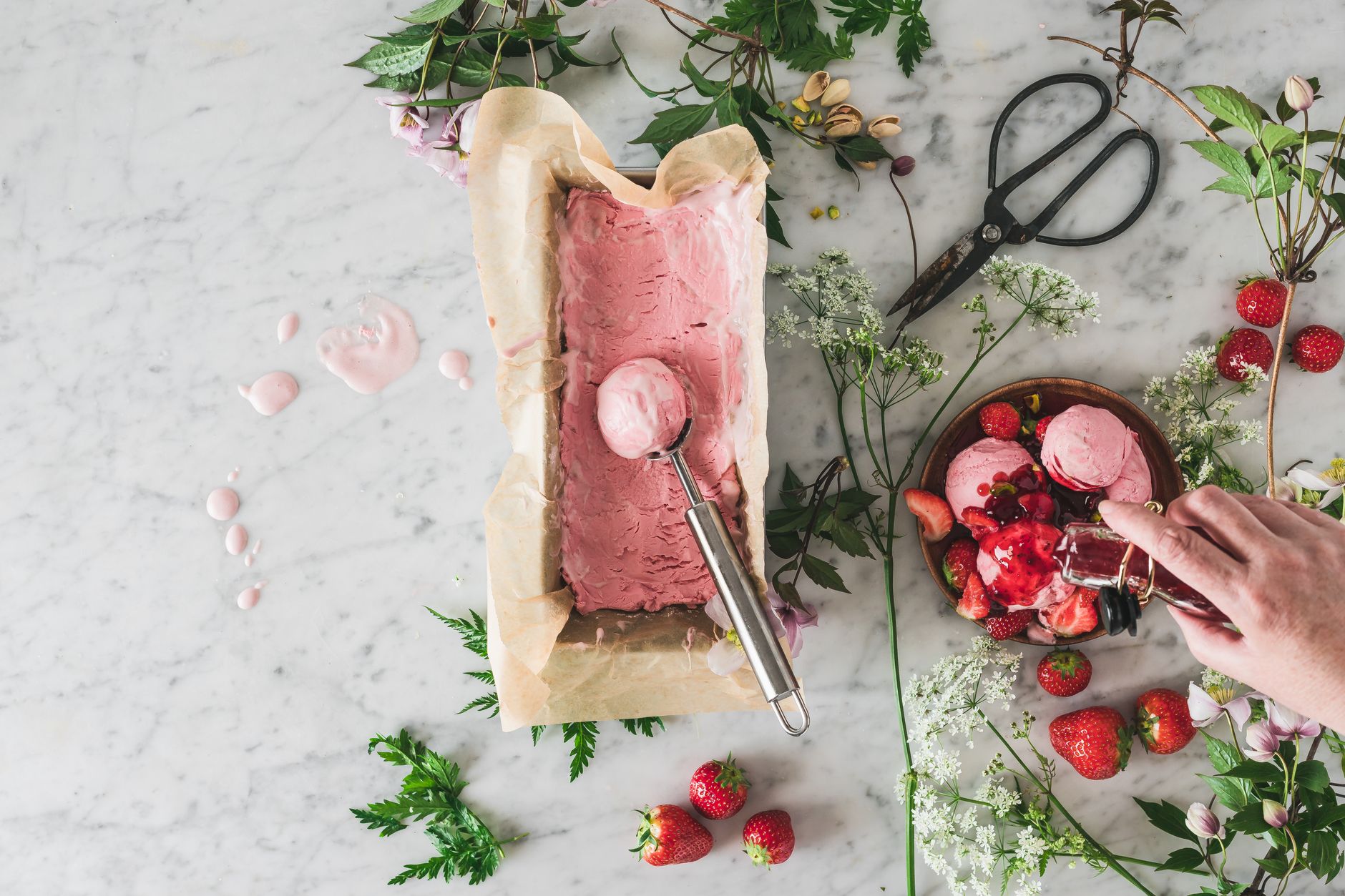
Upgrade by experimenting with homemade caramel or fruit swirls added near the end of churning. Try aging your base flavor overnight to deepen complexity, especially with stronger extracts like almond or mint.
When is the best time to eat old-fashioned ice cream maker recipe book recipes?
These ice cream recipes shine best fresh after churning, ideally served within 30 minutes for a soft-serve texture. However, they can be enjoyed anytime during warm seasons or holidays when you crave nostalgic homemade treats. Summer afternoons and family gatherings are perfect moments to enjoy these creamy delights.
Where can I find a free PDF download of an old-fashioned ice cream maker recipe book?
Free PDFs may be available through vintage cookbook collections or specialty cooking sites, but many are unofficial and vary in quality. Its best to use trusted recipe blogs or purchase reputable print versions to ensure accurate instructions tailored for your machine.
Can I use modern electric ice cream makers with vintage recipes?
Yes, most classic recipes adapt well to modern machines. However, adjust churning times and mixture consistency as modern machines freeze faster and incorporate more air. This can affect texture compared to old-fashioned hand-cranked results.
How do Nostalgia old-fashioned ice cream maker instructions compare to White Mountain machines?
Nostalgia models typically have smaller capacity and require less ice and salt than White Mountain machines. White Mountain offers more commercial features but both follow similar principles for freezing. Instruction specifics vary mostly in packing and crank timing.
What are the best recipes for beginners using a hand crank ice cream maker?
Vanilla custard, chocolate, and simple fruit sorbet recipes are ideal for beginners. They use minimal ingredients and follow straightforward processes. Start with smaller batches to get comfortable with cranking technique and timing.
How to use ice cream maker Cuisinart tips versus old-fashioned models?
Cuisinart models automate freezing and churning, cutting preparation time and manual effort. Old-fashioned makers rely on ice and salt for cooling and manual cranking or slower electric motors. Adjust ingredient ratios when switching between types for best texture.
More Recipes to Try
If you love homemade sweets, try this Finnish blueberry pie recipe for a fruity, tangy contrast to creamy ice cream. Or bake some banana chocolate chip muffins as a warming counterpart to your frozen treat.

Conclusion
This old-fashioned ice cream maker recipe book brings time-tested wisdom and practical tips to your kitchen, making classic ice cream simple and rewarding. Give these recipes a try, experiment with variations, and share your homemade creations with friends. Wed love to hear your stories and favorite flavors in the comments below.
FAQs
When is the best time to eat old-fashioned ice cream maker recipe book recipes?
These ice cream recipes are best enjoyed fresh after churning, ideally within 30 minutes for soft-serve texture. They’re perfect during warm seasons, summer afternoons, or family gatherings when nostalgic homemade treats shine.
Can I use modern electric ice cream makers with vintage recipes?
Yes, most classic recipes adapt well to modern electric machines. Adjust churning times since modern models freeze faster and add more air, affecting texture compared to old-fashioned hand-cranked results.
What are common mistakes to avoid when using an old-fashioned ice cream maker?
Common pitfalls include using table salt instead of rock salt, incorrect salt-to-ice ratios, churning too fast or slow, and not pre-freezing the canister. Sticking to proper techniques ensures smooth, creamy ice cream.
How can I adapt old-fashioned recipes for special diets?
For vegan or dairy-free options, substitute coconut milk or almond milk blends and add stabilizers like guar gum. Use maple syrup or agave for sugar replacements, but be aware these swaps may alter texture or freezing points.
How should I store homemade ice cream made with an old-fashioned ice cream maker?
Store ice cream in airtight, shallow containers in the coldest freezer section at or below 0°F (-18°C). Consume within 4 days to maintain creaminess and minimize ice crystals for the best texture.