Looking for hearty, comforting meals that won’t send your blood‑sugar soaring? You’ve come to the right place. Below you’ll find 20 low‑carb diabetic casserole recipes that are packed with protein, easy to freeze, and most importantly delicious enough to make you forget you’re on a diet. Let’s get cooking.
Why Low Carb Casseroles
What low‑carb really means
When we say low‑carb, we’re talking about keeping net carbs (total carbs minus fiber) under about 20g per serving. That amount typically translates to a post‑meal glucose rise of less than 30 mg/dL for most adults—a sweet spot for stable blood‑sugar control.
Protein + fat = satiety
Most casserole lovers think carbs are the backbone of a good dish. In reality, protein and healthy fats keep you full and help blunt glucose spikes. A balanced casserole should aim for at least 20‑30g of protein and a modest amount of healthy fat—think olive oil, avocado, or a sprinkle of cheese.
Data snapshot
According to the American Diabetes Association (2024), each gram of carbohydrate can raise blood glucose by roughly 3 mg/dL. That’s why a 20‑gram net‑carb serving is a reliable guardrail for many people with diabetes.
Core Building Principles
Choose the right base
Swap out starchy noodles or rice for vegetables that mimic their texture:
- Cauliflower rice works in almost any casserole.
- Zucchini ribbons perfect for pasta‑less dishes.
- Shirataki noodles almost zero carbs, a bit chewy.
Pick high‑protein proteins
Chicken, lean beef, turkey, and even canned salmon are excellent choices. For a plant‑based twist, add tempeh or a mix of black beans (watch the carb count).
Healthy fats for flavor
A drizzle of extra‑virgin olive oil, a handful of toasted almonds, or a splash of full‑fat Greek yogurt can keep the casserole creamy without the hidden sugars of processed cheese sauces.
Flavor boosters—no sugar needed
Fresh herbs, smoked paprika, cumin, and a pinch of sea salt go a long way. Low‑sodium broth adds depth without the sodium overload.
One‑pot inspiration
If you love the convenience of a single‑dish meal, explore one-pot le creuset recipes for ideas that combine flavor and simplicity.
Chicken Casserole Ideas
| Recipe | Carb Substitute | Protein (g) | Fiber (g) | Freeze‑Friendly? |
|---|---|---|---|---|
| Swiss Chicken & Broccoli | Cauliflower rice | 28 | 5 | |
| Zucchini‑Chicken Bake | Zucchini ribbons | 26 | 4 | |
| Chipotle Ranch Chicken | Shredded cabbage | 30 | 6 |
Swiss Chicken & Broccoli
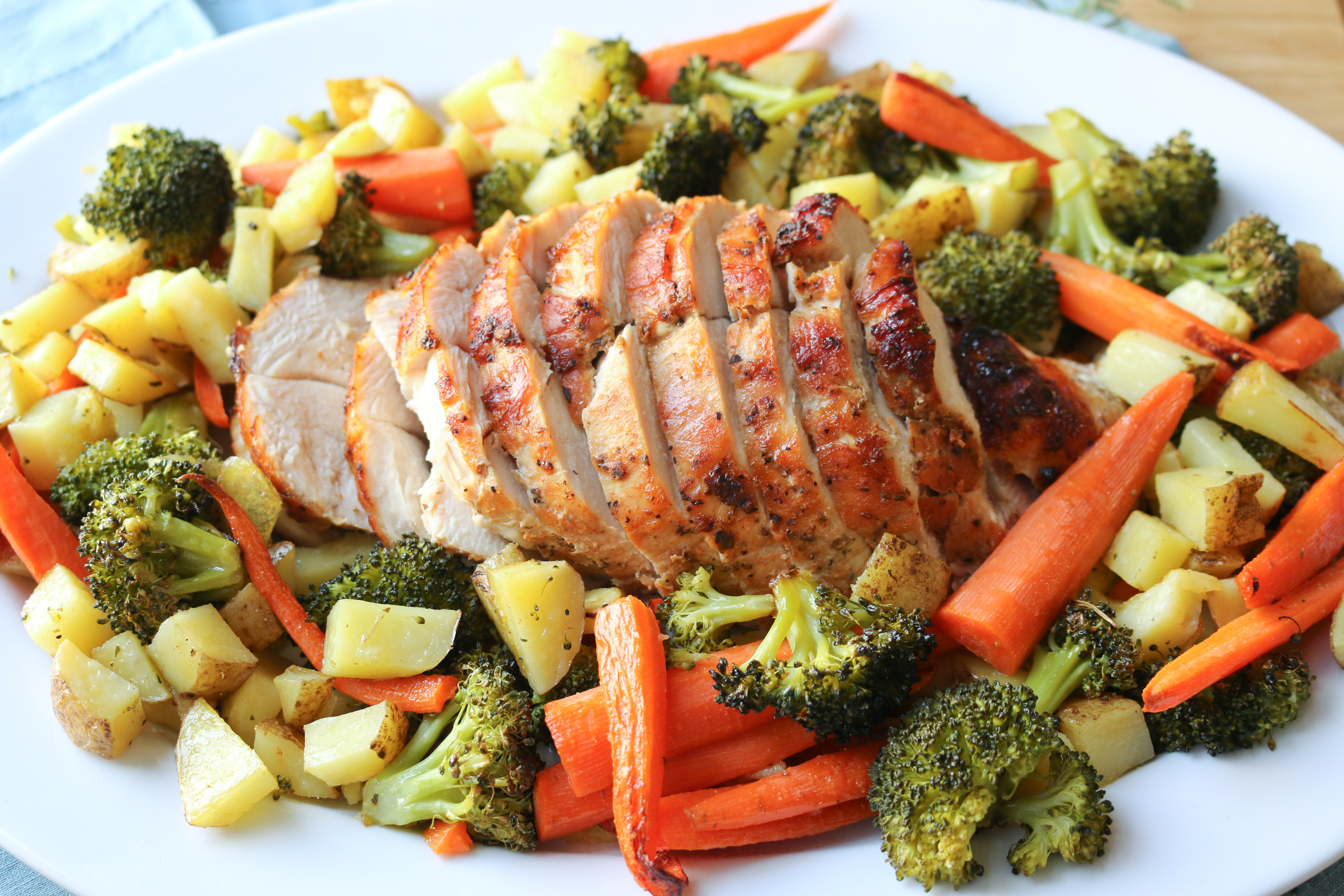
This casserole combines tender chicken thighs, crisp broccoli florets, and a cheesy cauliflower‑rice foundation. Each serving clocks in at about 18g net carbs and 28g protein—perfect for a post‑workout dinner.
Zucchini‑Chicken Bake
Layer thinly sliced zucchini with diced chicken breast, a splash of heavy cream, and a sprinkle of mozzarella. The zucchini noodles soak up the sauce, giving you that comforting bite without the carbs.
Pro tip
Cook a big batch of chicken breast at the beginning of the week. Slice, season, and store in airtight containers. It cuts prep time for any casserole down to five minutes.
Beef Casserole Ideas
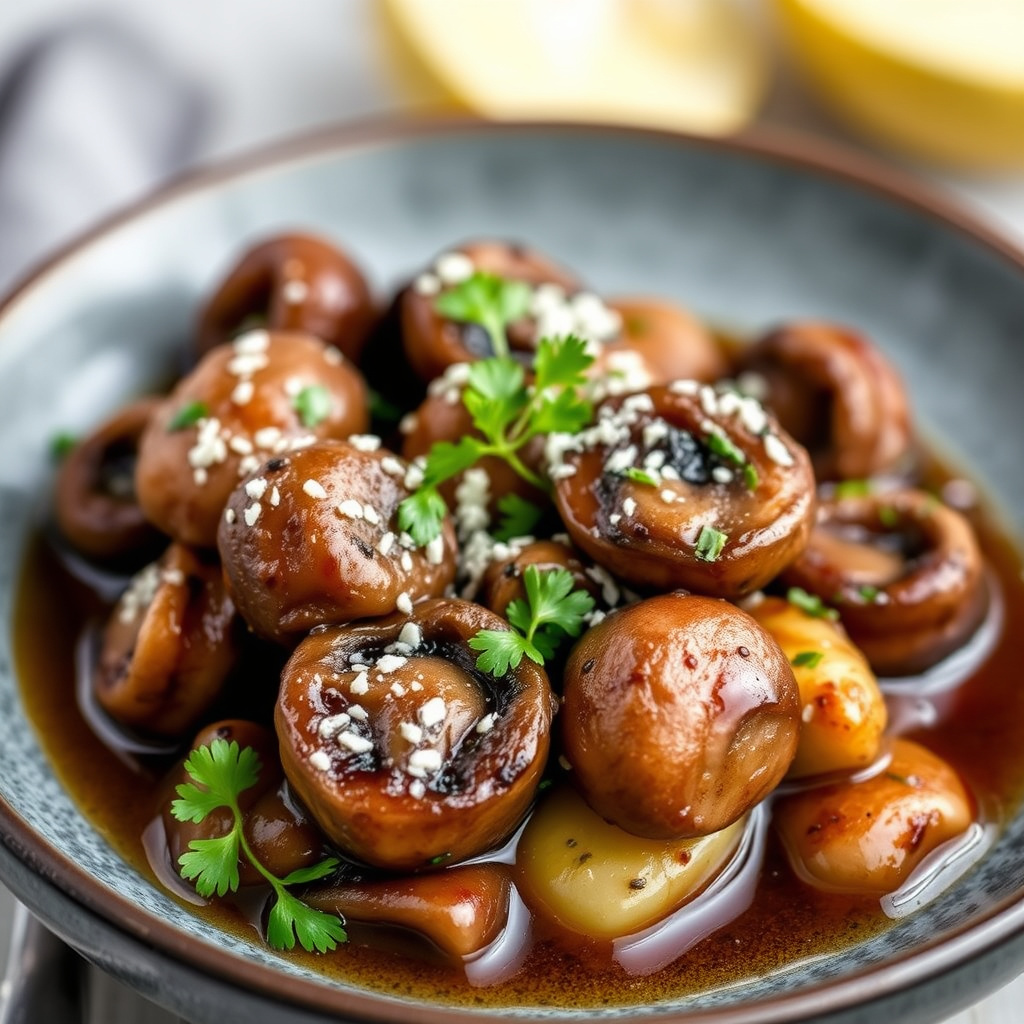
Low‑Carb Beef & Mushroom Bake
Lean ground beef, sliced mushrooms, and a cauliflower‑rice blend create a steakhouse vibe in a casserole dish. Add a dash of Worcestershire sauce (look for a sugar‑free version) for umami depth.
Southwest Beef & Bell Pepper
Think taco night meets casserole. Use lean ground beef, diced bell peppers, and a sprinkle of shredded cheddar. Swap out the usual tortilla chips with crushed pork rinds for that crunchy topping.
Balancing the fat
While beef brings robust flavor, it can also bring extra saturated fat. Pair it with a side of leafy greens or a light vinaigrette to keep the overall meal heart‑healthy.
Veggie Casserole Ideas
SpaghettiSquash & Spinach
Roasted spaghetti‑squash strands act like pasta, while fresh spinach adds iron and fiber. Top with a modest amount of ricotta and a drizzle of olive oil for richness. For a tomato‑based twist, try our spaghetti sauce for diabetics to keep the carb count low.
Kale & Cauliflower Cheddar Bake
Kale’s earthy flavor balances the mellow cauliflower, and the cheddar delivers that cheesy pull‑apart texture we all love.
Vegetable casseroles for diabetics
These dishes prove you don’t need meat to feel satisfied. Pair a generous serving of non‑starchy veggies with a protein boost—like a hard‑boiled egg or a sprinkle of hemp seeds—to keep the protein target met.
Freezing & Reheating Tips
Best containers
Glass dishes (like Pyrex) are ideal because they won’t leach chemicals. If you prefer plastic, choose BPA‑free, freezer‑grade containers.
Label everything
Write the date, recipe name, and net carb count on a small tag. It saves you from the “what was this again?” moment weeks later.
Reheat right
Preheat your oven to 350 °F (175 °C), cover the casserole with foil for 15 minutes, then remove the foil and bake another 5‑10 minutes until the interior hits 165 °F (74 °C). This ensures food safety and restores that golden crust.
Cheese tip
If you love a melty top, add the cheese after reheating. It’ll stay stretchy without becoming rubbery.
Balancing Benefits & Risks
Benefits
- Stable blood‑sugar thanks to low net carbs.
- High protein supports muscle maintenance.
- Convenient make‑ahead meals for busy weeks.
- Kid‑friendly—most kids can’t tell the difference between cauliflower rice and real rice.
Potential risks
- Too much cheese can increase saturated fat and sodium.
- Heavy cream adds calories; watch portion size if you’re managing weight.
Mitigation strategies
Swap half the shredded cheese for low‑fat Greek yogurt—still creamy, less fat. Use low‑sodium broth or make your own stock to keep the sodium in check.
Trusted Sources & Further Reading
Peer‑reviewed nutrition studies
A 2024 study in the Journal of Nutrition found that low‑carb, high‑protein meals reduced A1C levels by an average of 0.4 % over three months. This supports the idea that the casseroles we’re sharing can genuinely help you manage diabetes.
Recipe collections that inspired us
- 20 Easy Diabetic‑Friendly Healthy Casserole Recipes—a roundup that offered many of the flavor combos you’re seeing here.
- Taste of Homes 25 Delicious Casseroles for People with Diabetes—great for variations.
Official guidelines
For the most up‑to‑date carbohydrate recommendations, consult the American Diabetes Association website, which regularly updates its evidence‑based guidance.
Conclusion
Low‑carb diabetic casserole recipes prove that healthy eating doesn’t have to be dull or restrictive. By focusing on smart carb substitutes, plenty of protein, and flavorful fats, you can enjoy comforting meals that support stable blood sugar and keep you feeling satisfied. Looking for dinner inspiration? Check out le creuset recipes dinner for ideas that fit right into your nightly routine. Pick a recipe, prep a batch, and experiment with your own twists—maybe a sprinkle of smoked paprika, a handful of walnuts, or a dash of fresh basil. Your taste buds (and your glucose monitor) will thank you.
Which casserole are you most excited to try first? If you’ve already mastered one, share your variations and let’s keep the conversation going.
FAQs
What counts as a low‑carb serving in these casseroles?
A low‑carb serving typically contains 20 g or fewer net carbs (total carbs minus fiber), which helps keep post‑meal glucose spikes modest.
Can I freeze these casseroles and reheat them later?
Yes. Use glass or BPA‑free freezer‑grade containers, label with date and carb count, and reheat at 350 °F covered for 15 min, then uncovered until hot.
Which carb substitutes work best for a creamy texture?
Cauliflower rice, zucchini ribbons, and shirataki noodles are excellent bases that absorb sauces while staying low in carbs.
How do I boost protein without adding too much fat?
Choose lean proteins such as chicken breast, turkey, or lean beef, and add a modest amount of Greek yogurt or low‑fat cheese for creaminess.
Are these recipes suitable for other dietary plans like keto?
Most of the casseroles are under 20 g net carbs per serving, making them compatible with keto and other low‑carb eating styles.