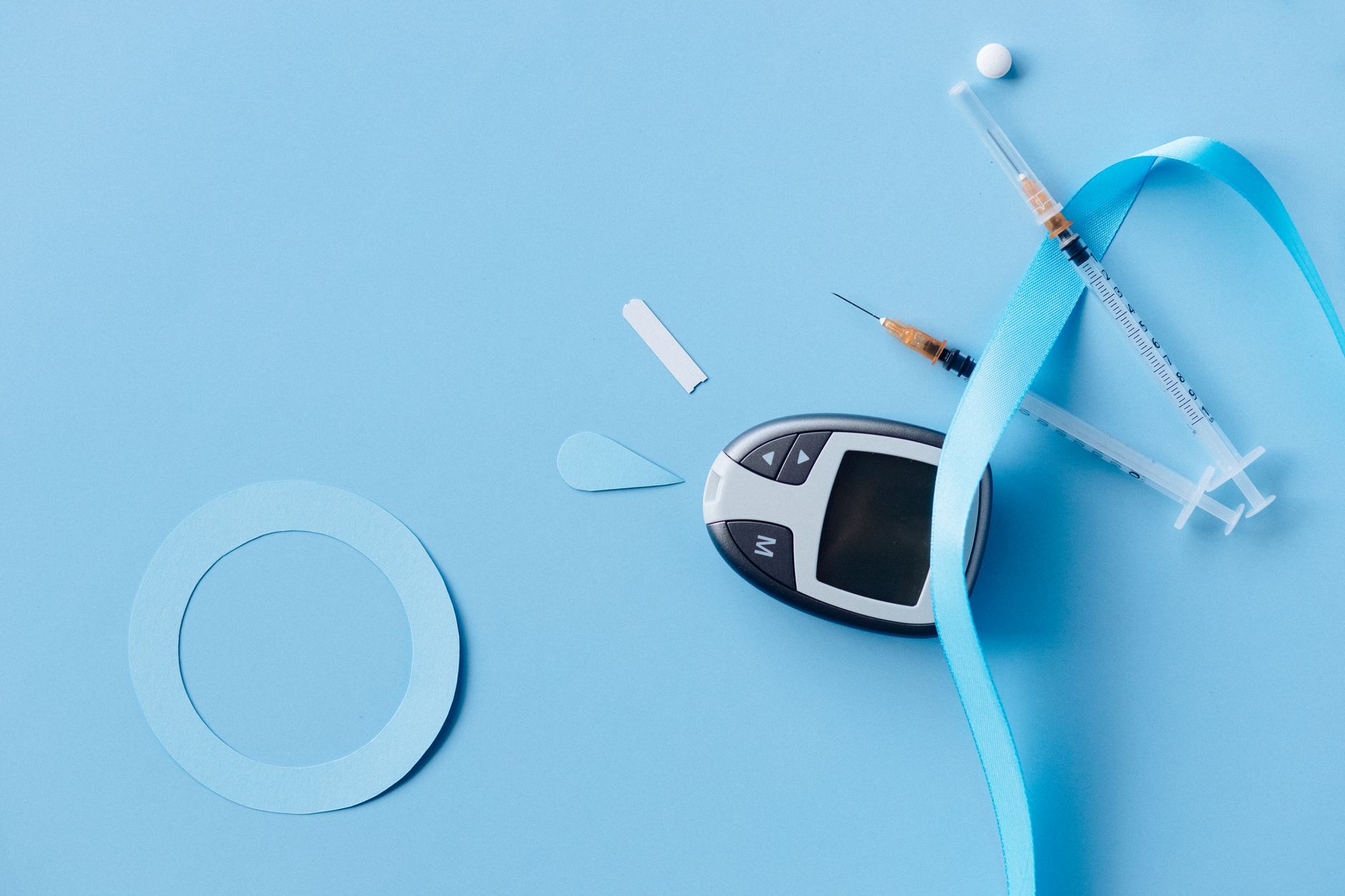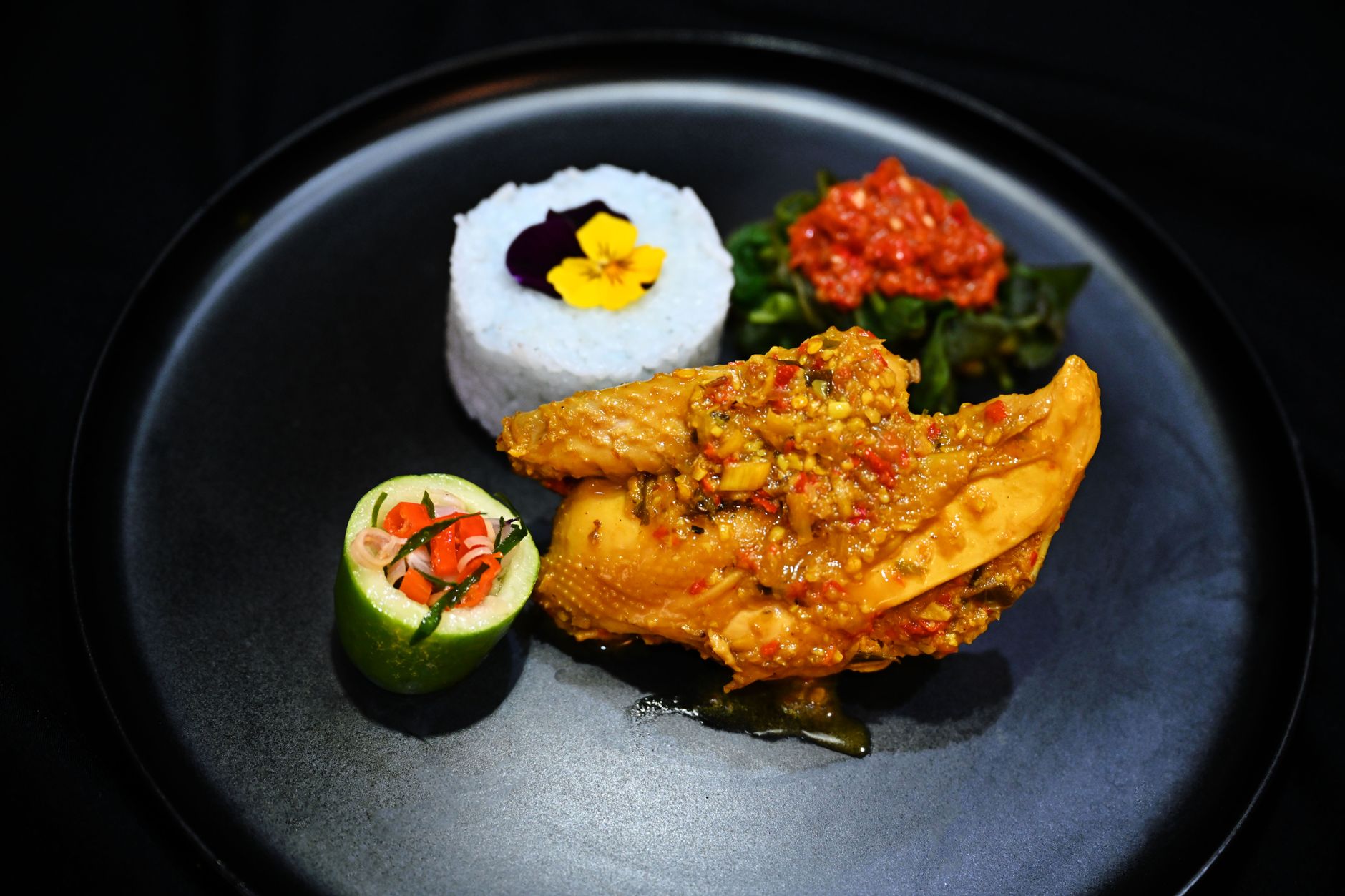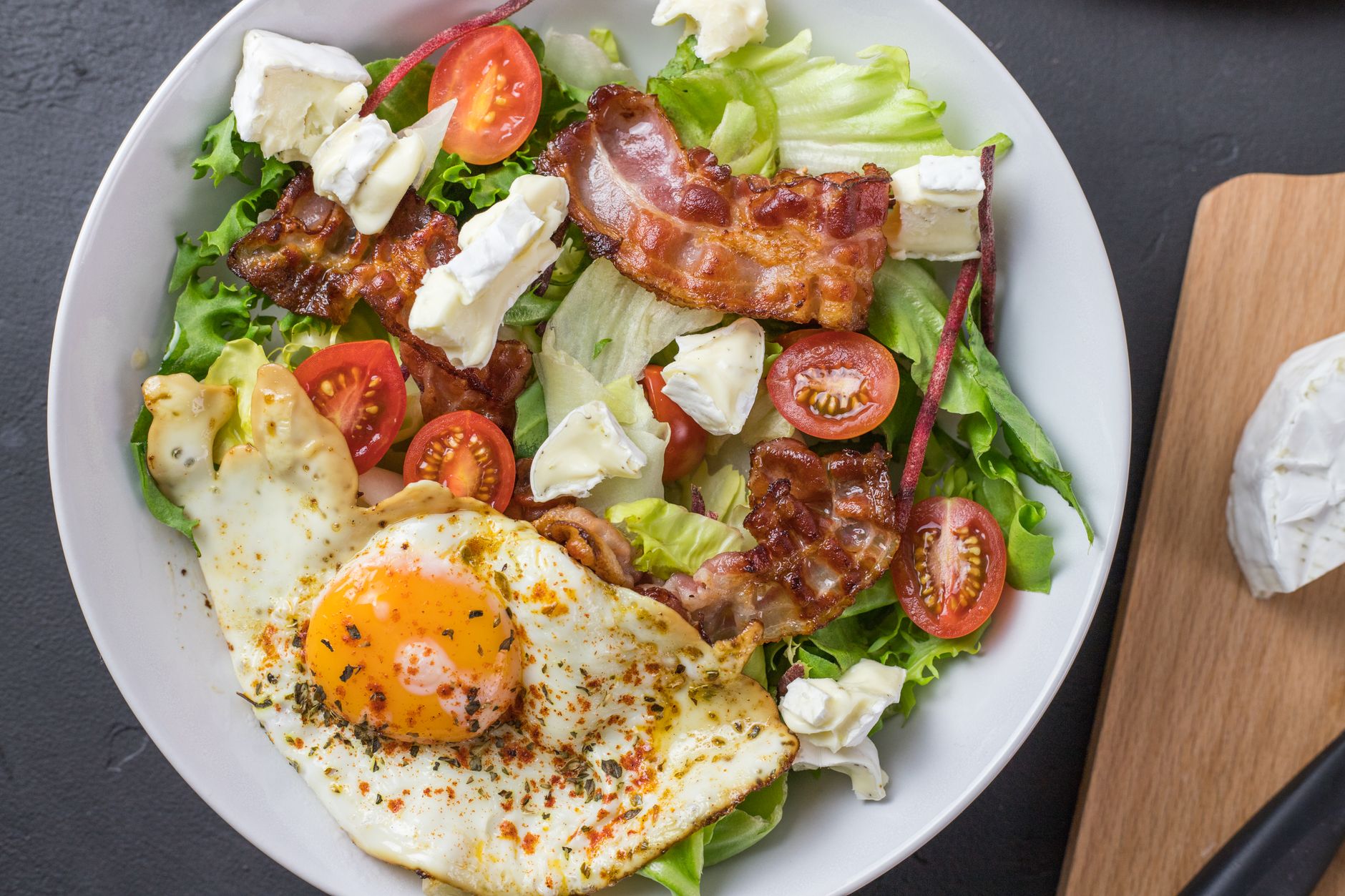
Managing diabetes can be a balancing act between enjoying flavorful meals and keeping blood sugar steady. Choosing low carb high-protein foods for diabetics is one effective way to support glucose control while fueling your body. Protein not only helps maintain muscle mass but also slows the absorption of carbohydrates, reducing blood sugar spikes after meals. This combination keeps you fuller longer and supports metabolic health. Lets explore the best foods, cooking tips, and meal ideas to make your low-carb, high-protein lifestyle simple and delicious.
Health Benefits Overview
How low carb high-protein foods improve diabetes management
A diet rich in protein and low in carbohydrates helps stabilize blood sugar by reducing rapid glucose spikes. Protein requires more energy to digest, leading to steadier insulin responses. According to a 2023 study in the Journal of Nutritional Biochemistry, protein-rich meals improve insulin sensitivity compared to higher carb meals. Additionally, protein supports muscle repair and maintenance, which is critical for metabolic health in type 2 diabetes.
Why these foods outperform high-carb options
Unlike refined carbs that often cause blood sugar surges, low carb ingredients minimize this effect. They also reduce the workload on your pancreas by easing insulin demands. Combined with protein, they slow digestion and keep hunger at bay, helping with weight management which is key for diabetes control.
Unique benefits of pairing protein with low carb foods
Beyond blood sugar stability, protein fuels your muscles and organs, supports hormone balance, and provides lasting energy. Low carb vegetables bring fiber and antioxidants, promoting gut health and reducing inflammation.
Key Ingredients
| Prep time | Total time | Servings | Calories | Diet tags |
|---|---|---|---|---|
| 15 minutes | 30 minutes | 4 | 320 | Low Carb, High Protein, Diabetic Friendly, Gluten Free |
Best proteins for diabetics
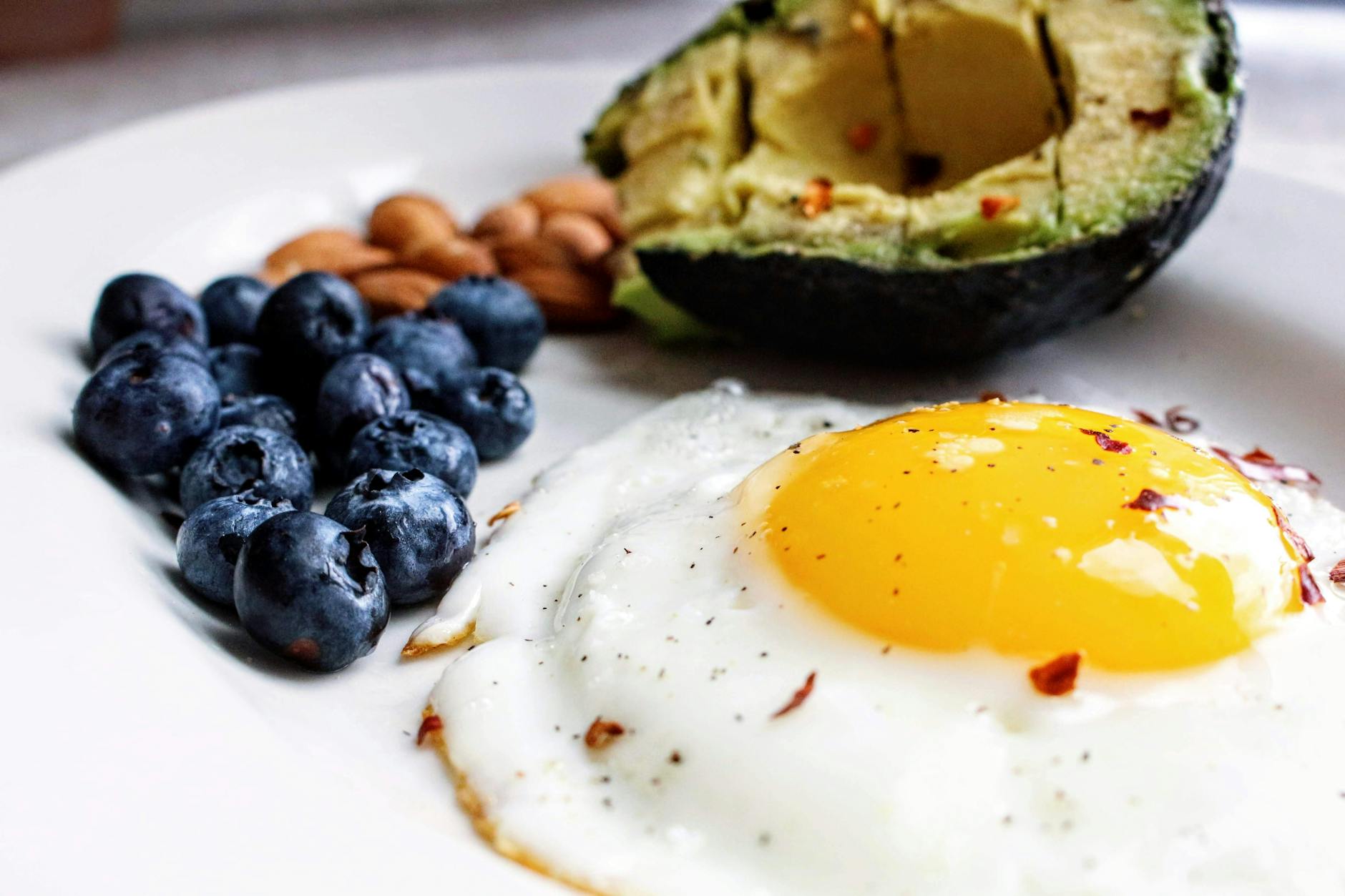
For low carb high-protein choices, opt for lean meats like chicken breast, turkey, and pork loin. Wild-caught fish such as salmon and cod are excellent for their omega-3 content. Eggs are versatile and affordable with no carbs. Plant-based options like tempeh, tofu, and certain legumes deliver protein without excess carbs.
Low carb vegetable partners
Non-starchy vegetables such as spinach, zucchini, broccoli, cauliflower, and bell peppers add crunch and nutrients without raising carbs. Mushrooms and green beans pair well to boost fiber and vitamins.
Where to find diabetic-friendly ingredients
Fresh produce stands or farmers markets often have the best seasonal veggies. Look for pasture-raised or organic poultry and sustainably caught fish at grocery stores. Bulk sections sometimes stock nuts and seeds, good for snacking and cooking. Consider frozen vegetables for convenience without sacrificing nutrition.
Choosing quality ingredients
Seek lean cuts that are fresh and trimmed of visible fat. For fish, wild-caught usually means fewer contaminants and better omega-3 profiles. Organic or pasture-raised meats tend to be richer in micronutrients. Freshness impacts flavor vastly, so shop local when possible.
Cooking Instructions
Preparing protein to stay moist without carbs
- Pat chicken or fish dry before seasoning to achieve a crisp crust.
- Use moderate heatgrill or pan-sear at medium-high (about 375F) for 36 minutes per side depending on thickness.
- Rest meat 5 minutes post-cooking to lock in juices.
- For eggs, soft boil for exactly 6 minutes for tender whites and creamy yolks.
Common pitfalls in cooking low carb, high protein meals
Overcooking dries out lean proteins quickly. Avoid flaming hot pans that char outside while leaving the inside dry. Using water-based seasonings or marinades without sugar prevents hidden carbs. Avoid heavy cream sauces thickened with flour or starch.
Balancing seasoning without carbs
Use fresh herbs like rosemary, thyme, oregano, and parsley to add aroma. Acidic ingredients like lemon juice or apple cider vinegar brighten flavors naturally. Garlic and chili flakes add spice without carbs. Salt and pepper remain staplesseason gradually for balance.

Variations & Swaps
Vegan and plant-based low carb high-protein options
Tempeh, tofu, seitan (gluten-based), edamame, and hemp seeds are the strongest vegan proteins with minimal carbs. Pair them with leafy greens and cauliflower rice for satisfying meals. Nutritional yeast can add a cheesy flavor without carbs.
Adapting for gluten-free, dairy-free, keto
Eliminate any wheat-based sauces or breadcrumbs. Choose coconut or almond milk instead of dairy. Keto followers often increase fat intake; add avocado or olive oil to boost calories without carbs. This adaptation maintains diabetes-friendly nutrition while fitting specific diets.
Meat and vegetable swaps without blood sugar impact
You can swap chicken for turkey or salmon for cod without changing carb load. Switch broccoli for cauliflower or kale for spinach for variety. Just keep starchy sides out, such as potatoes or corn, to preserve the low carb profile.
Serving Suggestions
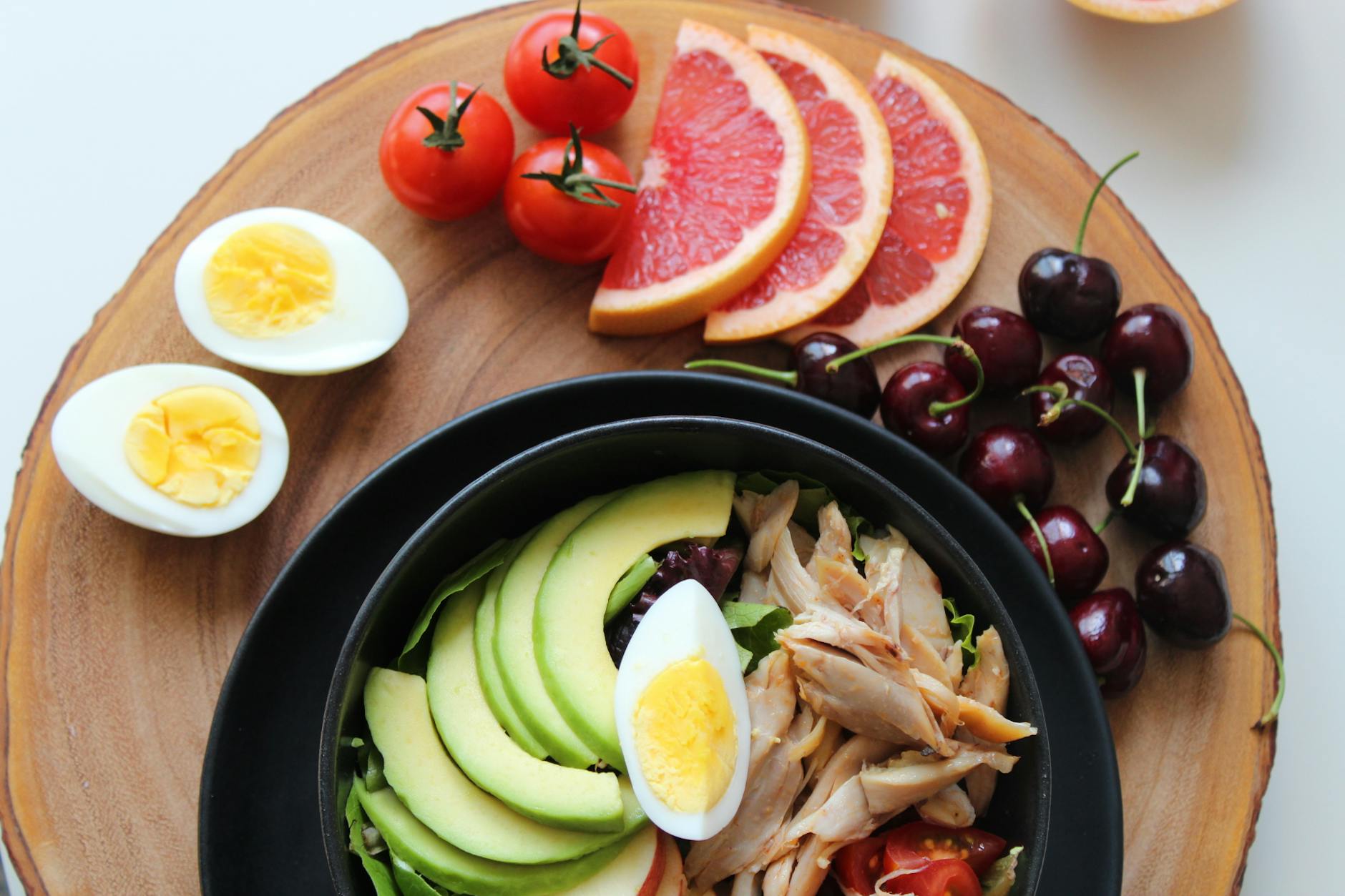
Ideal side dishes for low carb high-protein meals
A mixed greens salad with vinaigrette or steamed asparagus adds crunch and fiber. Cauliflower mashed with garlic and herbs is a creamy, soothing alternative to potatoes. Roasted Brussels sprouts or sauted mushrooms complement protein-based mains perfectly.
Blood sugar-friendly beverages
Water infused with cucumber or mint keeps hydration interesting without carbs. Unsweetened herbal teas, black coffee, or green tea provide antioxidants. Avoid sweetened drinks as they cause blood sugar spikes.
Balancing portion sizes for diabetics
Maintain moderate protein servings of 34 ounces cooked per meal; balance with generous non-starchy vegetables. Use a smaller plate or measuring cups to control portions, which helps prevent overeating and glucose overload. Check with your healthcare provider for personalized protein targetsgenerally 1530% of daily calories.
Storage & Reheating
Best storage for freshness
- Refrigerate cooked meals within 2 hours of cooking.
- Store in airtight containers to preserve moisture and prevent odors.
- Consume refrigerated meals within 45 days for optimal safety and flavor.
Reheating without losing texture
Reheat protein gently at 275F in the oven for 1015 minutes or microwave at 50% power in 1-minute bursts. Avoid overheating to prevent dryness. Reheat vegetables by sauting briefly or steaming for 23 minutes.
Batch cooking and freezing tips
Prepare meals in portions and freeze in freezer-safe containers. Frozen meals keep well up to 3 months. Thaw overnight in the fridge before reheating. Avoid refreezing thawed items to maintain texture and safety.
Pro Tips
Fixing dry or bland protein
Brush cooked meats lightly with olive oil or a splash of lemon juice to revive moisture and brighten flavor. Incorporate fresh herbs or a sprinkle of smoked paprika for depth. Marinate proteins for at least 30 minutes before cooking using olive oil, garlic, and vinegar to tenderize naturally without added carbs.
Handling hidden carbs in sauces and marinades
Beware of sugar, honey, or fruit juices in pre-made sauces. Read labels carefully or make your own carb-free versions using spices, mustard, and vinegar. Replace sweet marinades with umami-rich additions like soy sauce (check sodium content), fish sauce, or fermented foods.
Adjusting meals after blood sugar spikes
Track your response carefully; if spikes occur, reduce portion size slightly or increase non-starchy vegetables in the meal. Adding a fiber supplement before eating may slow absorption. Consult your doctor for medication adjustments if spikes persist.
Your Questions Answered
When is the best time to eat low carb high-protein foods for diabetics?
The best time is usually at breakfast or lunch to help control blood sugar during the day when activity levels are higher. Including protein in your morning meal reduces mid-morning cravings and stabilizes energy. For dinner, a balanced low carb high-protein meal supports overnight glucose balance but avoid very late heavy meals.
What is the best protein to maintain muscle without spiking blood sugar?
Lean animal proteins like chicken breast, fish, and eggs provide complete amino acids with zero carbs, helping maintain muscle without raising blood sugar. Plant proteins like tofu and tempeh are also good but watch serving size to keep carb intake minimal.
Can I eat low carb and still get enough fiber?
Absolutely. Non-starchy vegetables such as leafy greens, broccoli, and zucchini are low in carbs but rich in fiber. Nuts, seeds, and certain legumes also contribute fiber while fitting a low-carb, high-protein plan.
How many grams of protein should a diabetic eat daily?
Most adults with diabetes benefit from 0.8 to 1.0 grams of protein per kilogram of body weight daily. This equates to about 5075 grams for a 150-pound person, but individual needs may vary depending on activity and kidney health.
Are eggs good for type 2 diabetes on a low-carb diet?
Yes, eggs are an excellent, low carb, nutrient-dense protein source. They contain essential vitamins and healthy fats that support overall wellness without impacting blood sugar.
What are the 10 worst foods for diabetes to avoid when focusing on protein?
Avoid processed meats with added sugars, breaded or fried meats, sugary sauces, high-carb meat substitutes, and deli meats high in sodium and nitrates, which may worsen insulin resistance. Also, limit sweetened yogurts, flavored protein bars, and marinated meats containing sugars.
How can I practice portion control easily?
Use smaller plates and measure cooked protein servings about the size of your palm. Fill half your plate with vegetables to naturally limit portions and promote fiber intake. Avoid eating directly from large packages to prevent mindless overeating.
More Recipes Youll Love
If you enjoy adding variety to your meals, check out this Honey gochujang chicken recipe for a flavorful low carb twist. For dessert ideas that fit your goals, try the rich and indulgent New york cheesecake recipe.
To deepen your understanding of meal planning, reading about a high-protein diet diabetes type 2 can offer insight into balancing your nutrition.
Summary
Choosing low carb high-protein foods for diabetics isnt just about cutting carbs; its about fueling your body wisely. Lean proteins combined with nutrient-rich vegetables stabilize blood sugar, satisfy hunger, and support overall health. With straightforward cooking techniques and simple swaps, you can create delicious meals that empower your diabetes management. Give these ideas a try and share which recipes become your new favorites!
FAQs
When is the best time to eat low carb high-protein foods for diabetics?
The best times are breakfast or lunch to help manage blood sugar during active parts of the day. Protein in the morning reduces cravings and stabilizes energy, while a balanced dinner supports overnight glucose control without heavy late meals.
What is the best protein to maintain muscle without spiking blood sugar?
Lean animal proteins like chicken breast, fish, and eggs offer complete amino acids with zero carbs, preserving muscle without raising blood sugar. Plant proteins such as tofu and tempeh also work well when portioned to keep carb intake low.
Can I eat low carb and still get enough fiber?
Yes, non-starchy vegetables like leafy greens, broccoli, and zucchini provide high fiber with minimal carbs. Nuts, seeds, and certain legumes also offer fiber while fitting into a low carb, high-protein diabetic diet.
How many grams of protein should a diabetic eat daily?
Most adults with diabetes should aim for 0.8 to 1.0 grams of protein per kilogram of body weight per day. For example, a 150-pound person would target about 50 to 75 grams, adjusting as needed for activity and kidney health.
Are eggs good for type 2 diabetes on a low-carb diet?
Eggs are excellent for type 2 diabetes on a low-carb diet. They contain zero carbs, essential vitamins, and healthy fats that support overall wellness without impacting blood sugar levels.