Craving a creamy smoothie but worried it might spike your blood sugar? Youre not alone. Finding smoothie recipes for diabetics that taste great and keep sugar low is a challenge many face. These recipes mix fiber-rich veggies, moderate low-glycemic fruits, and healthy fats to create blends that support steady blood sugar. Theyre practical, simple to make, and perfectly balanced for your body and taste buds.
Why Smoothies Work
What makes a smoothie diabetes-friendly?
A diabetes-friendly smoothie focuses on low glycemic ingredients to avoid blood sugar spikes. It includes fiber to slow sugar absorption and a good dose of protein and healthy fats to keep you full and satisfied. Unlike sugary fruit blends, these recipes trim fruit portions and spotlight veggies like spinach and cucumber. The right balance of carbs, fats, and protein makes all the difference.
Choosing ingredients carefully is key. For example, berries add natural sweetness with fewer carbs than tropical fruits. Adding protein powder, Greek yogurt, or nuts balances the blend while keeping sugars low. This way, your smoothie refreshes you without the dreaded crash later.
Ingredients & Quick Recipe Card
| Prep time | Total time | Servings | Calories | Diet tags |
|---|---|---|---|---|
| 10 minutes | 10 minutes | 2 | 180 kcal | Low-carb, Gluten-free, Vegan option |
Choosing the Best Ingredients
When building your smoothie, select fruits and vegetables with a low glycemic index (GI). Berries like blueberries and raspberries offer antioxidants and sweetness but keep sugar modest. Leafy greens such as kale and spinach add fiber and nutrients without adding carbs. Cucumbers and zucchini bring hydration and a fresh taste.
For protein and fats, options include plain Greek yogurt, unsweetened almond milk, chia seeds, flaxseeds, and nut butters. These slow glucose release and add creamy texture. Avoid sweetened yogurts and fruit juices to prevent hidden sugars.
| Ingredient | Glycemic Index | Notes |
|---|---|---|
| Blueberries (1/2 cup) | 53 | Moderate sugar, rich in antioxidants |
| Spinach (1 cup) | 15 | Almost no carbs, boosts fiber |
| Avocado (1/4 medium) | 10 | Healthy fat source, creamy texture |
| Chia seeds (1 tbsp) | 1 | Omega-3s and soluble fiber |
| Unsweetened almond milk (1 cup) | 30 | Low-carb liquid base |
Try swapping frozen berries for fresh if you prefer less coldness, or use plain kefir instead of yogurt for probiotics. Each tweak still fits within diabetes-friendly guidelines.
Preparation Steps
How to Make Diabetic Smoothies
- Wash all fruits and vegetables thoroughly under running water.
- Chop leafy greens and tougher veggies like cucumber into small pieces for easier blending.
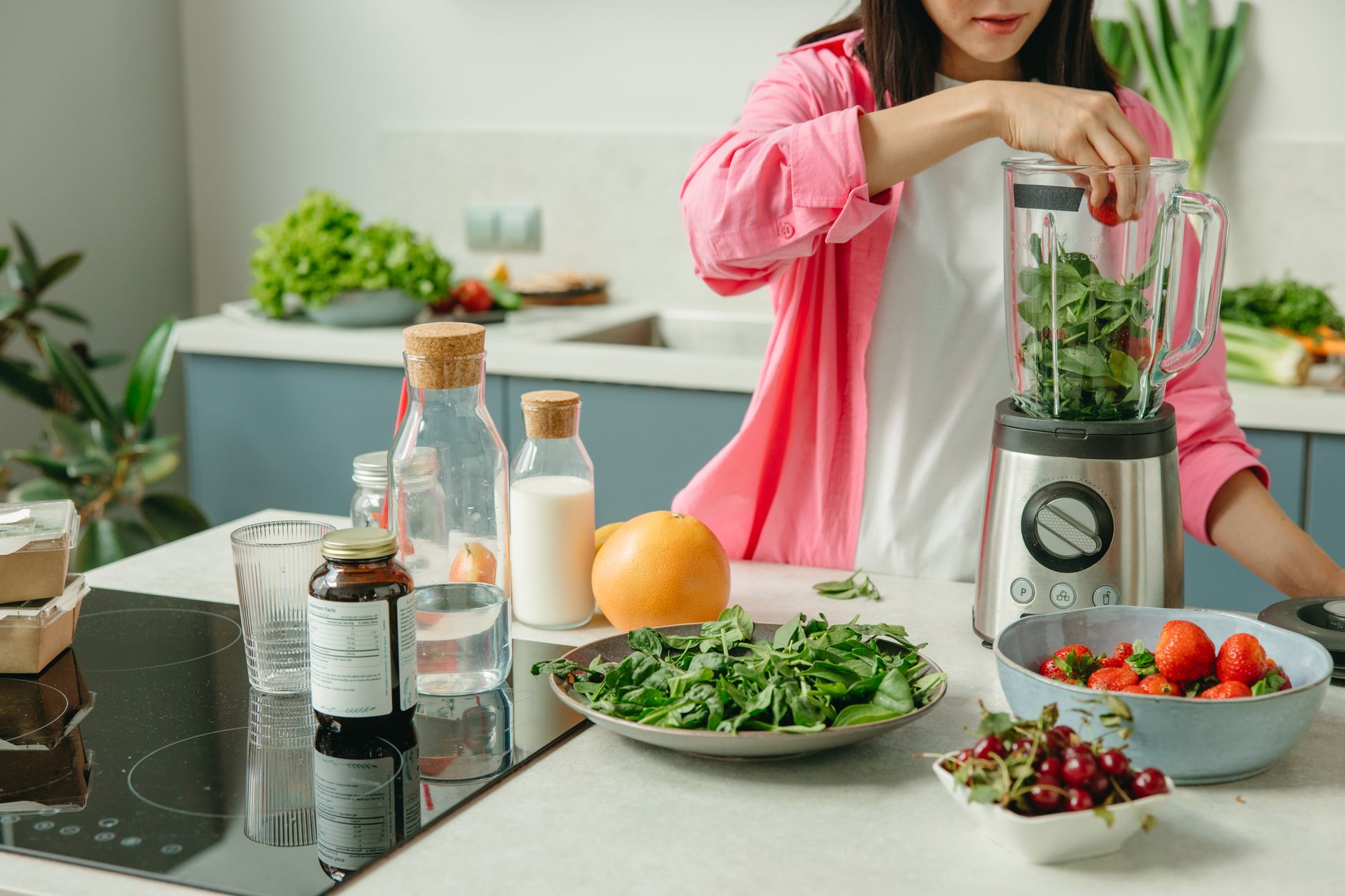
- Add all ingredients to the blender: 1/2 cup frozen blueberries, 1 cup spinach, 1/4 avocado, 1 tbsp chia seeds, and 1 cup unsweetened almond milk.
- Blend on high speed for 45 seconds. If the mixture is too thick, add 23 tbsp more almond milk and blend for an additional 15 seconds.
- Taste and adjust for sweetness by adding a few drops of stevia or a small sprinkle of cinnamon if desired.
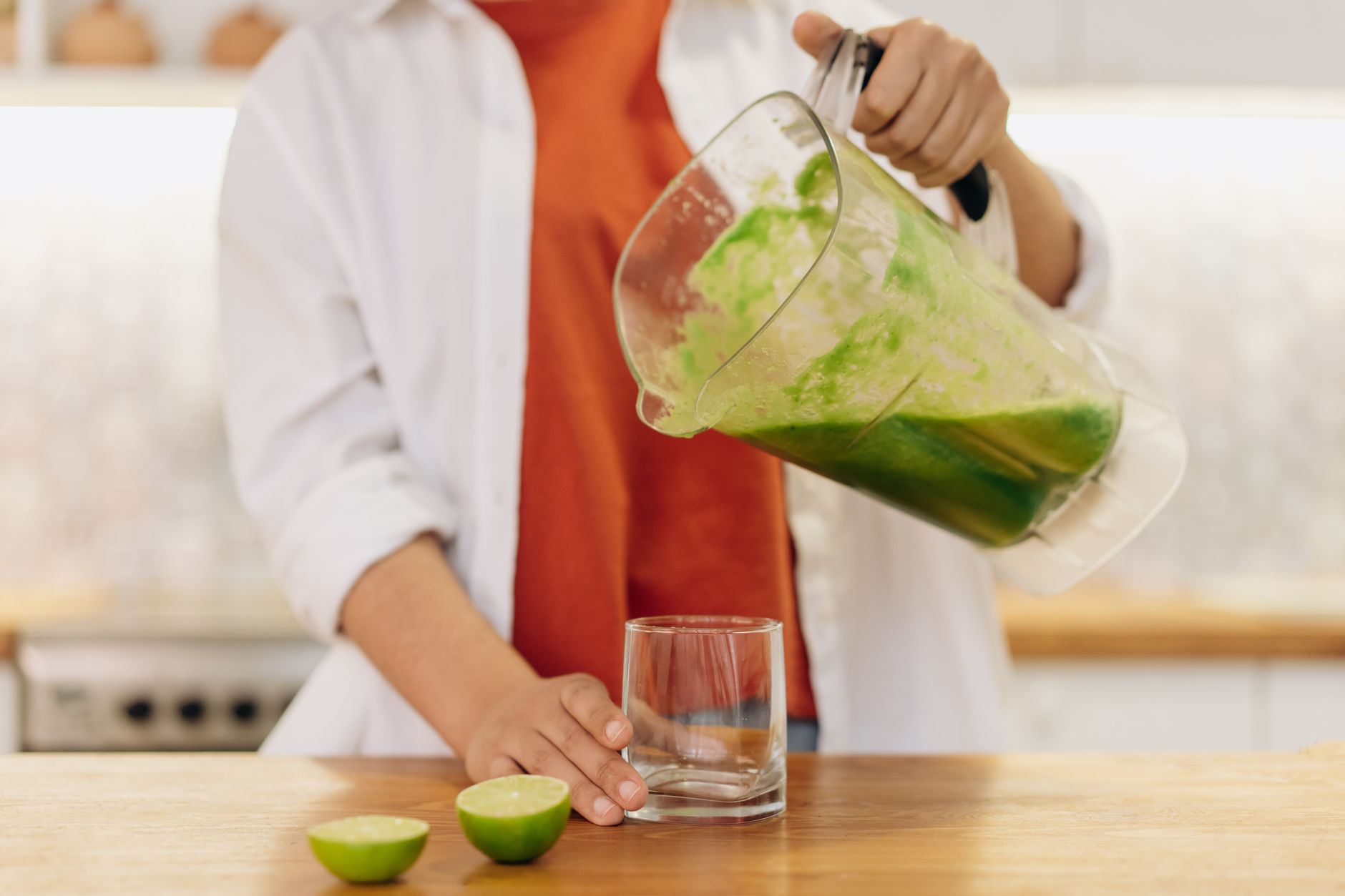
- Pour into glasses immediately and enjoy fresh for optimum nutrients.
Common mistakes to avoid include adding too many fruits, which increases sugar content, or skipping protein/fat sourceswhich can cause blood sugar spikes after drinking.

Dietary Variations
Vegan and Dairy-Free Options
Swap Greek yogurt for unsweetened coconut yogurt or plain soy yogurt. Use plant-based protein powders made from hemp or pea protein for an added boost.
Keto-Friendly Modifications
Limit fruits to a handful of berries and increase fats by adding 12 tbsp nut butter or coconut oil. Replace almond milk with heavy cream diluted with water.
Gluten-Free and Allergy Swaps
Most smoothie ingredients are naturally gluten-free. For nut allergies, replace almond milk with oat milk or hemp milk. Use pumpkin seeds instead of nuts for added protein.
Serving Ideas
When and How to Enjoy Your Smoothie
These smoothies work wonderfully as a breakfast or mid-morning snack. Paired with a small handful of nuts or a hard-boiled egg, they make a balanced mini-meal.
To enhance flavors without added sugar, sprinkle cinnamon, nutmeg, or a splash of pure vanilla extract. Adding a pinch of turmeric powder can bring an earthy aroma plus anti-inflammatory benefits, according to a 2023 study in the Journal of Nutritional Biochemistry.
For a refreshing twist, garnish with a few fresh mint leaves or a slice of lime.
Storage Tips
Keeping Smoothies Fresh
Store smoothies in an airtight container or jar in the refrigerator for up to 48 hours. Beyond that, nutrient loss and texture degradation often occur.
Freezing smoothies in ice cube trays and blending again later works well for convenience. Thaw frozen cubes in the fridge overnight or blend right from frozen for a slushier texture.
Re-blend refrigerated smoothies for 10 seconds to restore creaminess before drinking. Avoid microwaving as heat can break down nutrients and alter flavor.
Pro Tips
Adjusting Texture and Flavor
- If your smoothie is too thick, add liquid in 1 tbsp increments and blend for 10 seconds until desired consistency.
- Bitterness from leafy greens can be mellowed by adding a small piece of peeled cucumber or a squeeze of lemon juice.
- To naturally sweeten without sugar, try 1/4-inch fresh ginger or a few drops of liquid stevia (start low, taste, then add more).
- Use frozen berries to add body and chill without diluting flavor with ice.
- For extra fiber, blend in 1 tbsp ground flaxseeds or oat bran just be sure to drink your smoothie promptly.
Helpful Resources
If youre exploring how smoothies fit into weight management, check out diabetic smoothie recipes for weight loss. It features blends specially designed for satiety and blood sugar control.
For a sweet treat that complements your healthy choices, consider the Oatmeal cream cheese butterscotch bars recipe 1957795. It keeps portion sizes and carbs mindful.
When looking for nourishing dinners to pair with your smoothies, the Italian chicken soup 3306680 provides a cozy, diabetes-friendly option rich in protein and low in carbs.

When is the best time to drink smoothie recipes for diabetics?
The best time is during breakfast or as a mid-morning snack when your body needs steady energy. Drinking smoothies then helps control hunger and maintains blood sugar levels until your next meal.
Which fruits should be avoided or limited in diabetic smoothies?
Limit high-sugar fruits like mangoes, pineapples, bananas, and grapes. These can cause quick blood sugar spikes. Instead, focus on small portions of berries or green apples, which are lower on the glycemic index.
Are store-bought diabetic smoothies safe and effective?
Many commercial smoothies contain added sugars or fruit juices, which raise blood sugar. Always check labels and opt for options with no added sugars and a balanced protein-to-carb ratio, but homemade is generally safer and more customizable.
How do smoothies affect blood sugar compared to whole fruits?
Smoothies can raise blood sugar faster than whole fruits because of blending breaking down fiber. Thats why including protein, fat, and plenty of greens helps slow sugar absorption and prevents spikes.
Can smoothies help with weight loss in type 2 diabetes?
Yes, when made with low-carb, nutrient-dense ingredients, smoothies can promote fullness and reduce calorie intake. They are a convenient way to increase fiber and protein, which support weight management for type 2 diabetes.
Can I freeze smoothies ahead of time?
Absolutely. Freeze in individual portions using ice cube trays or jars. Thaw in the fridge overnight or blend from frozen for a refreshing texture. Frozen batches keep well up to 3 months.
Is it necessary to add protein powders in diabetic smoothies?
Protein powders are optional but helpful to maintain blood sugar balance and satiety. Without protein, smoothies may cause quicker sugar absorption. Choose unflavored, low-carb protein powders without added sugars.
Conclusion
These smoothie recipes for diabetics offer a delicious and thoughtful way to enjoy creamy, flavorful blends without compromising blood sugar control. Try the variations and tips here to find your favorite combos. Feel free to share your results or questions in the comments belowwe love hearing how these recipes work for your kitchen and lifestyle.
FAQs
When is the best time to drink smoothie recipes for diabetics?
The best time to drink diabetic-friendly smoothies is at breakfast or as a mid-morning snack. This helps provide steady energy, controls hunger, and maintains balanced blood sugar levels until your next meal.
Which fruits should be avoided or limited in diabetic smoothies?
Limit high-sugar fruits like mangoes, pineapples, bananas, and grapes as they can cause rapid blood sugar spikes. Instead, opt for small portions of berries or green apples that have a lower glycemic index.
Are store-bought diabetic smoothies safe and effective?
Many store-bought smoothies contain added sugars and fruit juices that can raise blood sugar. Always check labels and choose options with no added sugars and balanced protein-to-carb ratios, but homemade smoothies are usually safer and more customizable.
How do smoothies affect blood sugar compared to whole fruits?
Smoothies can increase blood sugar faster than whole fruits because blending breaks down fiber. Including protein, healthy fats, and plenty of greens helps slow sugar absorption and prevents spikes.
Can smoothies help with weight loss in type 2 diabetes?
Yes, when made with low-carb, nutrient-dense ingredients, smoothies can promote fullness, reduce calorie intake, and support weight management in type 2 diabetes through increased fiber and protein.